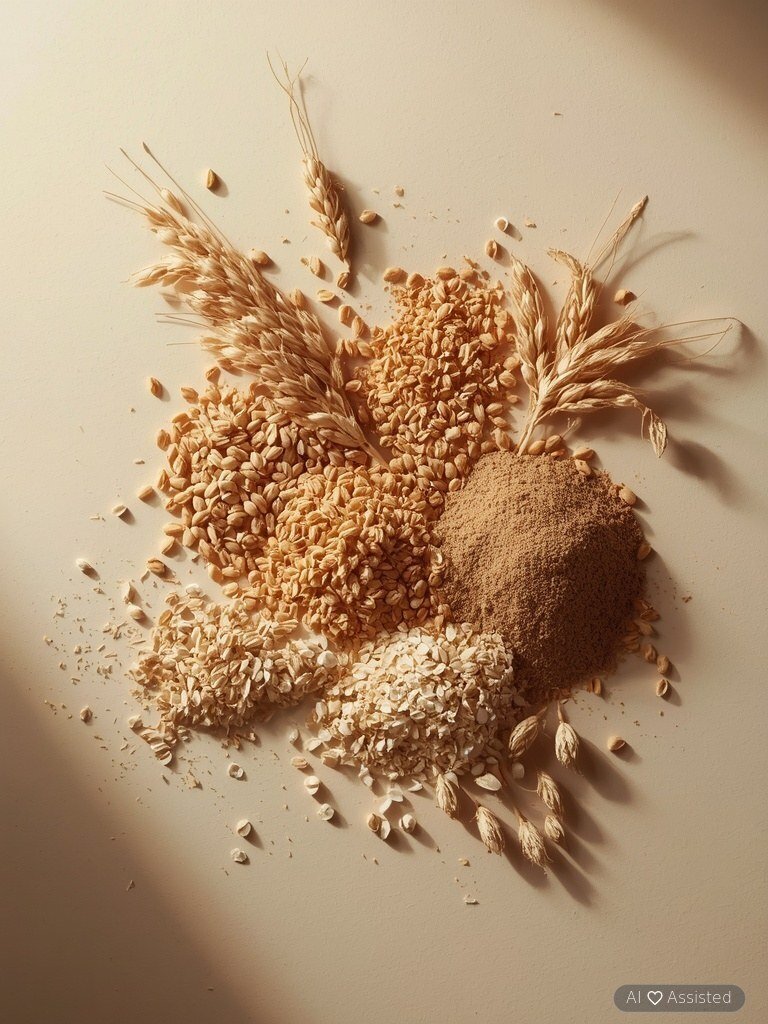
Czy rzeczywiście istnieje tak szeroki wybór otrębów: pszenne, żytnie, owsiane, orkiszowe oraz gryczane – i jakie mają znaczenie dla zdrowia?

| Ekspert Diets Premium Lena Bauer | min czytania 5 min | Zweryfikowane merytorycznie przez dietetyka klinicznego 23.10.2026 |
Odtwarzacz głosowy
•Odsłuchaj treść artykułu na żywo
Ilość błonnika pokarmowego obecnego w codziennej diecie odgrywa kluczową rolę w regulacji prawidłowej pracy jelit, wpływając bezpośrednio na ich ruchy perystaltyczne. Według danych opracowanych przez Instytut Żywności i Żywienia, przeciętne spożycie tego składnika wśród Polaków pozostaje niestety poniżej zalecanych norm. Wprowadzenie otrębów – czy to w postaci dodatku do jogurtu naturalnego, zupy warzywnej, a nawet wypieków domowych – może stanowić skuteczne rozwiązanie, gdyż już niewielka ich dawka dostarcza znaczącą ilość cennych frakcji włókien, które wykazują korzystne działanie nie tylko w obrębie układu trawiennego, lecz także dla ogólnego stanu zdrowia organizmu.
Chcesz wdrożyć te zasady w codziennej diecie?
Nasz inteligentny generator ułoży dla Ciebie zbilansowany jadłospis w 3 minuty, uwzględniając zalecenia z tego artykułu.
Wheat Bran
Wheat bran boasts the highest dietary fiber content, at approximately 43 g per 100 g of product. It also provides 16 g of protein, about 20 g of carbohydrates, and 5 g of fat, with a caloric content of 276 kcal per 100 g. What distinguishes it from other types is its exceptionally high concentration of water-insoluble dietary fiber, which significantly boosts intestinal peristalsis. Furthermore, it contains valuable B vitamins that support carbohydrate, protein, and fat metabolism while strengthening the nervous system. While rich in minerals such as magnesium, iron, copper, potassium, and zinc, it also contains a high amount of phosphorus, meaning individuals with urinary tract or kidney disorders should consume it with caution.
Rye Bran
Rye bran contains slightly less dietary fiber than wheat bran—approximately 39 g per 100 g. It provides 15 g of protein, 26 g of carbohydrates, and 4 g of fat, yielding 281 kcal per 100 g. Notably, rye bran provides about 30% less phosphorus and roughly 50% less zinc than wheat bran. However, it stands out for its high potassium and magnesium content, making it an optimal choice for individuals dealing with hypertension and cardiovascular conditions. The insoluble dietary fiber swells in the stomach, increasing its volume and promoting prolonged satiety as well as weight management.
Oat Bran
Oat bran provides the lowest total dietary fiber content among brans at around 10 g per 100 g, but it is exceptionally rich in valuable beta-glucans—a water-soluble dietary fiber fraction. It contains approximately 17.5 g of protein, 55 g of carbohydrates, and 7 g of fat, with an energy value of roughly 376 kcal per 100 g. In the digestive tract, beta-glucans form a viscous gel that protects the mucous membranes, helps lower blood LDL cholesterol and triglyceride levels, and reduces the risk of atherosclerosis. Furthermore, beta-glucans act as natural prebiotics, nourishing beneficial intestinal microflora.
Spelt Bran
Spelt is an ancient variety of wheat that has recently gained significant popularity due to being more nutrient-dense than common wheat. Spelt bran provides about 41 g of dietary fiber, 20 g of digestible carbohydrates, 19 g of protein, and 4.5 g of fat, with an energy value of approximately 278 kcal per 100 g. Because spelt is naturally quite resistant to pests, it typically requires fewer artificial fertilizers during cultivation. Spelt bran supplies valuable iron and calcium, making it beneficial for individuals dealing with anemia or fragile bones. Additionally, its robust fiber content regulates intestinal peristalsis and helps combat constipation.
Buckwheat Bran and Healthy Conclusion
Buckwheat bran differs significantly in macronutrient distribution from other varieties. It provides about 13 g of fiber, 20 g of carbohydrates, 10 g of unsaturated fatty acids, and an impressive 39 g of protein per 100 g, with an energy value of 339 kcal. Due to its high concentrations of magnesium and zinc, it is an excellent dietary component for individuals with weakened hair and brittle nails, as well as for athletes and convalescents. To maximize health benefits, a safe daily intake of 2–3 tablespoons spread across multiple meals is recommended, ideally rotating between different types of bran for optimal nutritional diversity.
Tagi

Lena Bauer
✓Ekspert Diets Premium
Ekspert zespołu Diets Premium. Specjalizuje się w planach żywieniowych, sportach siłowych oraz planach treningowych.
Zobacz profil →