Which Food Products are Recommended Post-Training and at What Time?

Kacper Nowak
✓
Diets Premium Expert • 22.03.2026
✓
Scientifically reviewed by a clinical dietitian:
This article has been peer-reviewed for adherence to IŻŻ, WHO, and PTGiP clinical nutritional standards.
| Diets Premium Expert Kacper Nowak | min read 6 min | Scientifically reviewed by a clinical dietitian 22.03.2026 |
Smart Voice
•Listen to the article content live
0:00
/
0:00
Key Takeaways
In this piece, we will tackle one of the key facets of bodybuilding, specifically, appropriate nutrition post-exercise. What precisely ought to be consumed and within what time frame after the cessation of physical exertion? The matter of post-workout meals for individuals currently in the reduction phase has also been addressed.
Meal Plan
Want to apply these guidelines in your daily diet?
Our smart diet generator creates a tailored meal plan in 3 minutes based on the recommendations in this article.
PRO Content
PRO
This article is professional premium content (PRO) provided in its entirety.
Proper nutritional plan following exercise
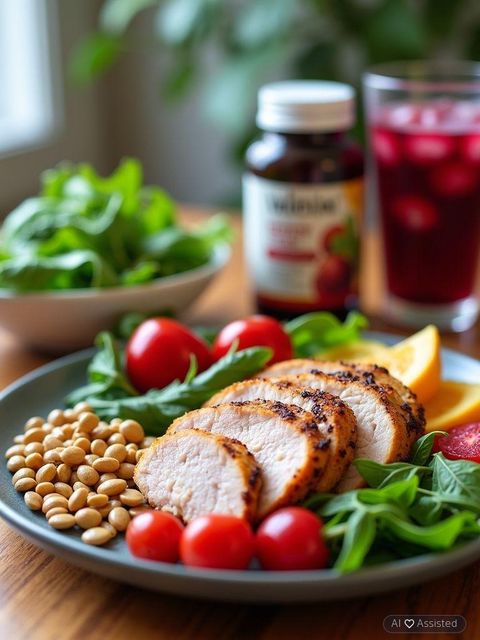
Nutrition in bodybuilding is one of the most critical aspects in muscle building. However, one cannot simply exercise and consume meals at random times. Proper nutrition is essential, and a post-workout meal is a separate topic. After exercise, the body initiates important biochemical processes that should result in increased strength and muscle volume. Whether this happens depends on the diet and the time at which one must eat. To build muscles, the body requires an adequate amount of energy, carbohydrates, fat, and protein as a building material for new muscle fibers. The energy requirement does not practically increase for those who train for around 40 minutes, three times a week. In such cases, a daily supply of 25–35 kcal/kg of body weight is usually sufficient. However, the situation is different when training is very intense and lasts 2–3 hours daily, five to six times a week. Such a session may be associated with an expenditure of 600–1000 kcal per hour of effort. Therefore, the basis when planning a post-workout meal is the calculation of individual energy needs. A properly composed post-workout meal should provide energy, carbohydrates, and protein. But the question remains – when and in what quantities should they be consumed?
Significance of carbohydrates post-workout
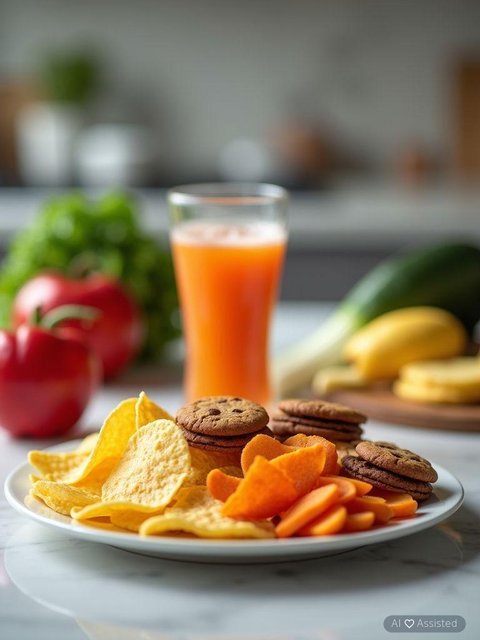
The requirement for individuals with moderate physical activity (40 minutes 3 times a week) is 45–55% of energy efficiency from diet, or approximately 3–5 g of carbohydrates per kg of body weight per day. However, individuals who exercise intensely, for example, 2–3 hours 5 times per week or more, require up to 8–12 g/kg of body weight. The intake of this macronutrient should be distributed over 4 to 6 meals a day. In situations where someone trains for a long time (several hours) and the break between training sessions is less than 4 hours, not only the amount but also the speed of glucose absorption is important. The best products after training are those with a high glycemic index (GI). They contain carbohydrates that are relatively quickly absorbed and raise blood sugar levels. Why? When someone trains hard and intensely, the body, especially the muscles, is under a lot of stress. The body's energy reserves (glycogen) are significantly depleted after training. According to the recommendations of the International Society of Sport Nutrition (2017), about 1.2 g of carbohydrates/kg of body weight per hour and additional caffeine (3–8 mg/kg of body weight) should be consumed. However, this situation mainly affects professional athletes. If the next training session is more than 6 hours away, it is not necessary to consume carbohydrates with a high GI, as digestion, absorption, and storage of glucose in muscle and liver glycogen take about 4 hours. Products with a high GI are, for example, some fruits, white bread, products made from refined flour, semolina, honey.
The significance of protein post-workout
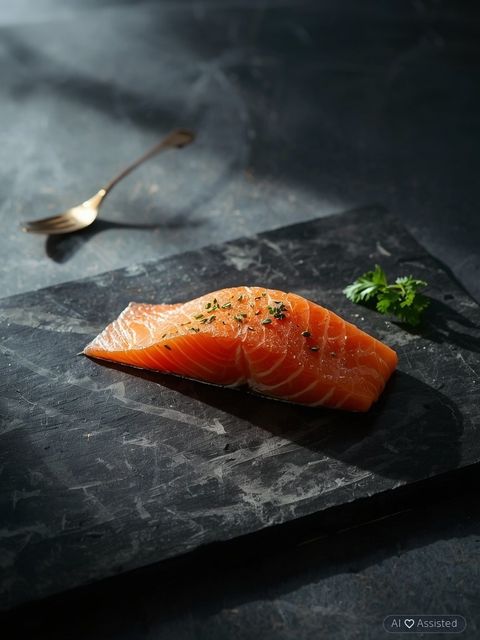
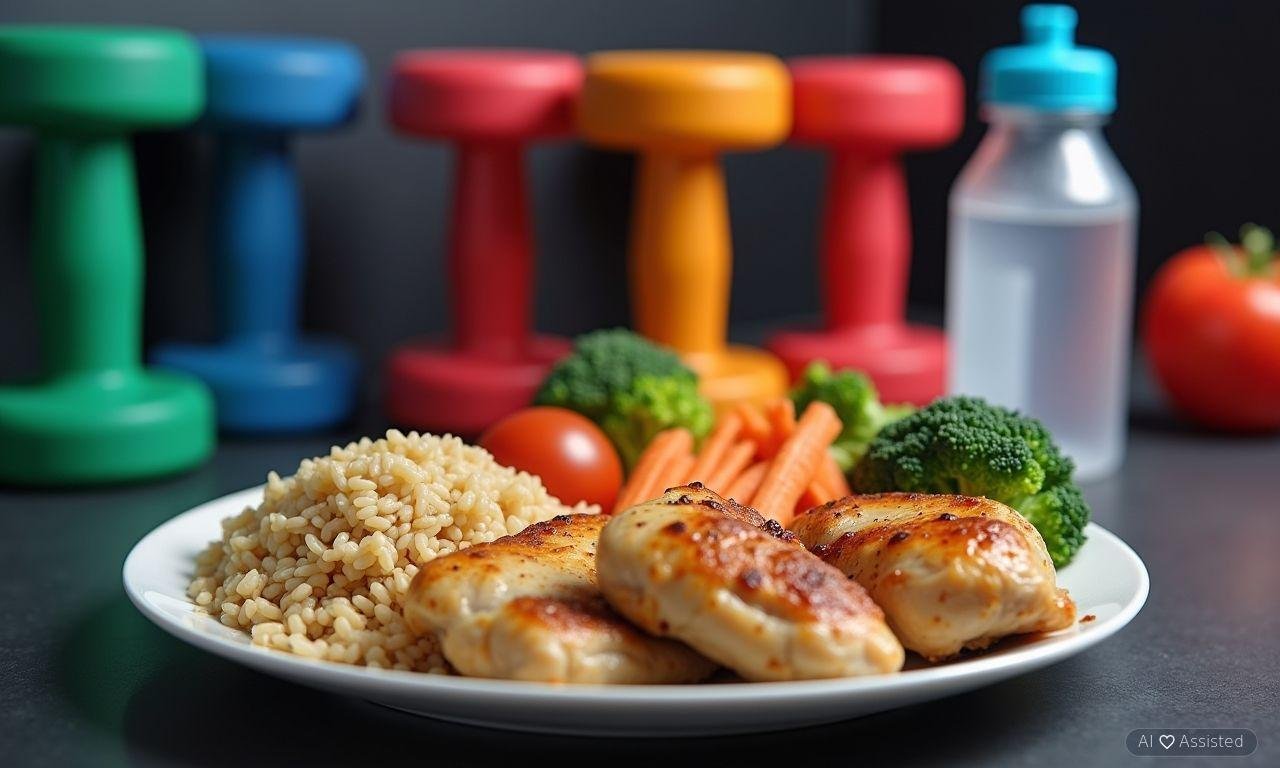
Protein is also a crucial component of the post-workout meal. To allow muscles to begin to grow, they require the best building materials to form new cells. According to ISSN, it is important to consume a daily dose of protein (1.4-2 g/kg body weight) in several meals per day at regular intervals of time (every 3-4 hours). Therefore, a single meal is approximately 20-40 g of protein. The most effective method, however, is to consume protein immediately after completing training (within 2 hours), which has the most significant impact on muscle protein synthesis, although the anabolic effect of exercise lasts up to 24 hours, with the size of the eggs decreasing over time. The most important factor for muscle synthesis, however, is the proper distribution of protein throughout the day and the amino acid composition (content of essential amino acids, especially leucine). This is the key to effective muscle development. The best sources of high-quality protein include chicken, fish, egg protein, lean beef, and milk.
Ingestion of food after exercise during weight reduction
If the goal is to lose weight, i.e. burn fat, then the quality of the training meal should also be taken into account. First of all, the carbohydrate content of the diet should not be avoided. The training meal should be well balanced and contain adequate amounts of protein and carbs. The carbohydrate content in the diet should be 50-60% of the diet's energy, fat up to 30%, and protein about 1 g/kg body weight. For trained individuals who follow a low-calorie diet and want to maintain their fat-free body mass, it may sometimes be beneficial to increase protein intake to over 2 g/kg body weight per day. The daily requirement for macronutrients should be distributed over 4-5 meals per day, one of which should be consumed after training. If someone has time for a quiet recovery, they don't have to rush to eat the training meal, but it's best to do it as soon as possible. The training meal should contain a source of complex carbohydrates, such as whole grain products or cereals, and high-quality protein. Foods with a high glycemic index should be limited during reduction as large amounts of insulin inhibit lipolysis. M. Kaviani and colleagues have shown in a study that a training meal with a low glycemic index after training in overweight individuals can achieve significantly better metabolic effects than the ingestion of a training meal with a high glycemic index. Refilling glycogen stores is important to maintain physical performance at a level that allows regular training.

Kacper Nowak
✓Diets Premium Expert
Diets Premium team expert. Specializes in nutrition plans, strength sports, and training plans.
View Profile →