3 min read
Purified soda – medicinal applications. Purified soda for fungal infections, acid reflux, and psoriasis

Max Müller
✓
Diets Premium Expert • 24.09.2026
✓
Scientifically reviewed by a clinical dietitian:
This article has been peer-reviewed for adherence to IŻŻ, WHO, and PTGiP clinical nutritional standards.
| Diets Premium Expert Max Müller | min read 3 min | Scientifically reviewed by a clinical dietitian 24.09.2026 |
Smart Voice
•Listen to the article content live
0:00
/
0:00
Key Takeaways
Purified soda is an excellent leavening agent for cakes, a cleanser for surfaces and objects, and a laundry detergent. Can it also aid in restoring order to our body?
Meal Plan
Want to apply these guidelines in your daily diet?
Our smart diet generator creates a tailored meal plan in 3 minutes based on the recommendations in this article.
Sodium bicarbonate (commonly referred to as baking soda or bicarbonate of soda)
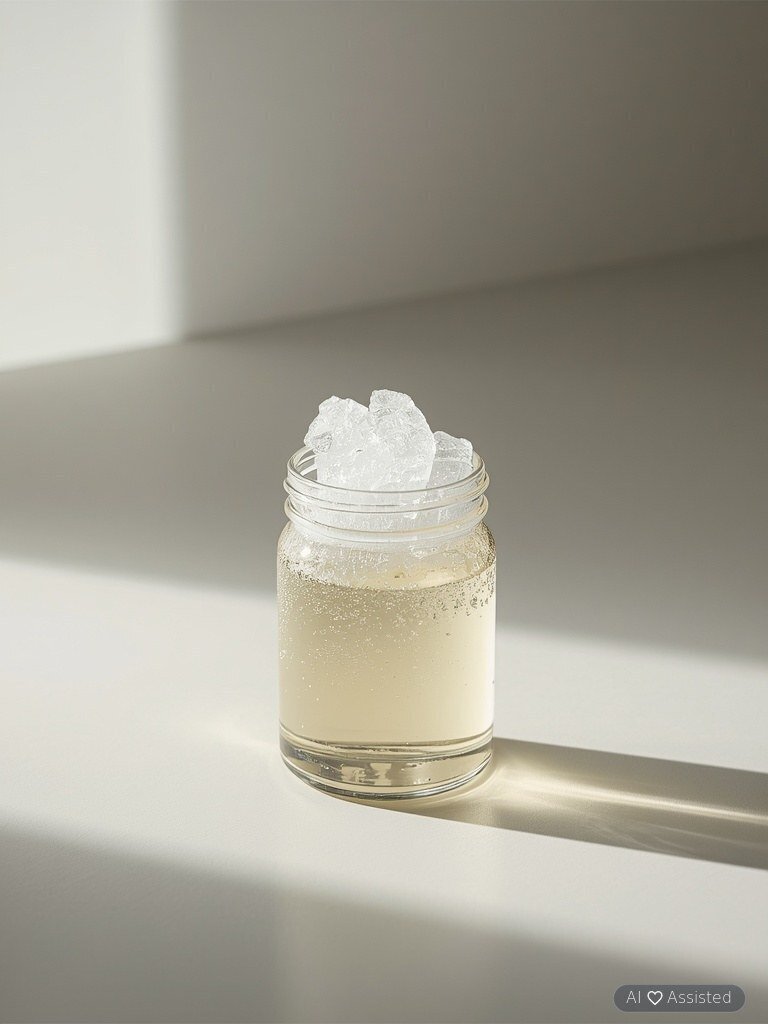
Sodium bicarbonate, colloquially known as "baking soda", "bicarbonate of soda", or "purified soda", represents an inorganic chemical compound readily accessible in grocery stores, pharmacies, and general merchandise retailers. It presents as a fine, white, crystalline powder with high solubility in water, facilitating the preparation of solutions across a broad spectrum of concentrations. Owing to its alkaline properties, it exhibits a pronounced capacity to neutralize acids, thereby exerting an alkalizing effect within biological systems. The applications of this compound span both internal uses—such as mitigating gastric discomfort associated with hyperacidity—and external applications, including poultices and bath additives. Nevertheless, it is essential to emphasize that despite its widespread adoption in home remedies and complementary medicine, the volume of rigorous scientific studies validating its efficacy in treating specific medical conditions remains limited. Current usage patterns rely predominantly on anecdotal evidence from individual users and traditional practices rather than robust clinical validation.
Sodium bicarbonate applications in the adjunctive treatment of cutaneous and ungual mycotic infections
Dermatophytosis, commonly referred to as tinea or ringworm, represents a cluster of contagious fungal infections primarily instigated by pathogenic molds belonging to the genera *Dermatophyton*, *Microsporum*, or *Trichophyton*. The infection may localize on the cutaneous surface while also involving cutaneous appendages—namely, nail plates (onychomycosis), scalp hair (tinea capitis), or mucosal membranes within the oral or genital regions. The highest prevalence is documented in pedal regions (tinea pedis, or "athlete’s foot") and ungual structures of the hands and feet, where clinical presentations include persistent pruritus, excessive desquamation of the stratum corneum, irregular erythematous patches, fissuring, and skin maceration. In cases of onychomycosis, the nail plate undergoes dystrophic alterations characterized by subungual hyperkeratosis (leading to thickening), increased friability, and chromatic shifts toward yellowish, brownish, or—at advanced stages—greenish hues. Sodium bicarbonate (colloquially known as baking soda) demonstrates adjunctive therapeutic potential against a broad spectrum of dermatotropic microorganisms, as evidenced by *in vitro* investigations. While the precise mechanism of action remains incompletely elucidated, prevailing scientific hypotheses propose a bifunctional effect: firstly, the alkalization of the microenvironment (pH ≈8.1–8.4) inhibits dermatophytic proliferation, and secondly, its keratolytic properties facilitate the shedding of infected, keratinized epidermal layers. Clinically recommended concentrations range between 1% and 4% aqueous solutions, with higher concentrations (exceeding 5%) posing a risk of cutaneous irritation [1, 2].
Sodium bicarbonate for gastric hyperacidity management: mechanisms of action, limitations, and precautionary considerations
The stomach serves as a critical organ in digestive physiology through its secretion of pepsinogen—a precursor to proteolytic enzymes—and hydrochloric acid, the primary functions of which include the denaturation of dietary proteins and the eradication of pathogenic microorganisms, thereby preventing their translocation into the small intestine. A common functional disorder of this organ is hyperchlorhydria, characterized by the pathological overproduction of hydrochloric acid by parietal cells within the gastric mucosa. Therapeutic approaches to this condition may involve either pharmacological inhibition of acid secretion (e.g., via proton pump inhibitors) or its chemical neutralization using alkaline compounds. Among household remedies for temporary relief, sodium bicarbonate (colloquially referred to as "baking soda") is frequently cited due to its capacity as a weak base to react with hydrochloric acid, yielding sodium chloride, water, and carbon dioxide. However, it is imperative to emphasize that robust clinical evidence supporting the efficacy and long-term safety of sodium bicarbonate in managing hyperacidity remains lacking. Moreover, owing to its sodium content, chronic ingestion may precipitate electrolyte imbalances, particularly in individuals with hypertension, renal impairment, or those adhering to low-sodium diets. Consequently, medical professionals advise restricting sodium bicarbonate to occasional use and recommend consulting a healthcare provider prior to its application, especially among high-risk populations [2, 5].
Sodium bicarbonate for alleviating symptoms of gastroesophageal acid reflux
Heartburn, clinically referred to as gastroesophageal reflux disease (GERD), manifests as a burning sensation in the chest and throat caused by the retrograde movement of acidic gastric contents into the esophagus. The primary underlying cause is frequently the dysfunction of the lower esophageal sphincter (LES), which, under physiological conditions, prevents the backflow of stomach contents. Conventional pharmacological management primarily relies on medications that either suppress the secretion of hydrochloric acid or directly neutralize gastric acidity. Sodium bicarbonate, commonly known as baking soda, exhibits alkalizing properties and may therefore provide rapid, albeit temporary, relief from heartburn symptoms. However, it is crucial to emphasize that its use should remain occasional rather than routine, as prolonged consumption can disrupt the body’s acid-base balance. Effective long-term management of heartburn necessitates a comprehensive approach integrating appropriately selected pharmacotherapy with dietary modifications and lifestyle adjustments, as supported by current clinical guidelines [2].
Sodium bicarbonate as an adjunctive remedy in psoriasis management and alleviation of associated symptoms
Psoriasis represents a chronic, recurrent autoimmune disorder that primarily affects the cutaneous tissue, though in certain instances it may also involve articular structures. The condition initially presents as well-demarcated erythematous papules that, over time, become covered with distinctive silvery-white scales. This transformation arises from excessive keratinization of the epidermis, triggered by persistent inflammatory processes. The disease course is characterized by cyclical patterns—alternating phases of exacerbation and remission. Therapeutic approaches encompass both topical and systemic interventions. In the context of symptom relief, particularly for persistent pruritus, the application of compresses soaked in a sodium bicarbonate solution (baking soda) may yield beneficial effects. The procedure involves saturating sterile gauze with a 1–4% sodium bicarbonate solution and applying it to the affected areas. The keratolytic and softening properties of the substance facilitate the removal of hyperkeratotic epidermal layers, as corroborated by scientific studies [2, 3]. Sodium bicarbonate is widely utilized not only in household applications but also as an auxiliary remedy for sporadically occurring ailments such as heartburn or early manifestations of cutaneous fungal infections. It is crucial to emphasize, however, that it does not constitute a substitute for conventional pharmacological treatment and should be employed solely as a supplementary measure in accordance with medical guidance.

mgr Max Müller
✓Diets Premium Expert
Diets Premium team expert. Specializes in nutrition plans, strength sports, and training plans.
View Profile →