1 min read
High glycemic index in food is the primary cause of acne!

Julia Wójcik
✓
Diets Premium Expert • 23.10.2026
✓
Scientifically reviewed by a clinical dietitian:
This article has been peer-reviewed for adherence to IŻŻ, WHO, and PTGiP clinical nutritional standards.
| Diets Premium Expert Julia Wójcik | min read 1 min | Scientifically reviewed by a clinical dietitian 23.10.2026 |

Smart Voice
•Listen to the article content live
0:00
/
0:00
Key Takeaways
For decades, conventional dermatology dismissed dietary factors in the pathogenesis of acne vulgaris. Today, rigorous endocrinological and biochemical research confirms that diets characterized by high glycemic indexes and loads serve as direct drivers of the inflammatory and hormonal cascades fueling sebaceous gland hyperactivity.
Meal Plan
Want to apply these guidelines in your daily diet?
Our smart diet generator creates a tailored meal plan in 3 minutes based on the recommendations in this article.
The diet-insulin-IGF-1 signaling axis in acne pathophysiology
Consuming high-glycemic carbohydrates (refined flour, confectionery, sugar-sweetened beverages) precipitates acute glycemic excursions, prompting massive compensatory pancreatic insulin secretion. Hyperinsulinemia stimulates hepatic synthesis of insulin-like growth factor 1 (IGF-1) while simultaneously suppressing IGF-binding protein 3 (IGFBP-3), dramatically elevating circulating free bioactive IGF-1.
Follicular hyperkeratinization and sebum hypersecretion
Both insulin and free IGF-1 directly upregulate the intracellular nutrient-sensing kinase complex mTORC1 in cutaneous structures. This signaling drives sebocyte lipogenesis, altering sebum composition toward pro-inflammatory fatty acid profiles while accelerating follicular keratinocyte proliferation. The resulting hyperkeratotic plug occludes the infundibulum, establishing an ideal anaerobic niche for Cutibacterium acnes colonization.
The role of dairy and whey/casein proteins in aggravating skin inflammation
An additional potent dietary driver of acneiform lesions is skimmed bovine milk and concentrated whey protein supplements (WPC). Dairy inherently contains bovine androgen precursors while eliciting an insulinemic response disproportionate to its carbohydrate content. Substituting dairy with fortified unsweetened plant alternatives (such as almond or oat beverages) frequently induces marked dermatological remission.
Principles of an anti-acne diet featuring low glycemic loads
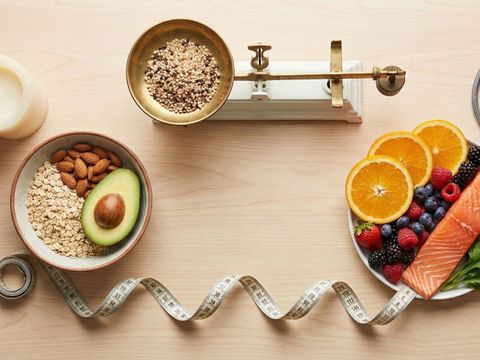
Effective nutritional management of acne centers on crafting meals with low glycemic loads (GL). The anti-acne dietary template emphasizes zinc- and antioxidant-dense vegetables, coarse whole grains (buckwheat, barley), pulses, and anti-inflammatory omega-3 fatty acids (wild salmon, flaxseed) that suppress pro-inflammatory leukotriene B4 synthesis, restoring epidermal barrier homeostasis.
Tags

Julia Wójcik
✓Diets Premium Expert
Diets Premium team expert. Specializes in nutrition plans, strength sports, and training plans.
View Profile →