Flatfoot condition: etiological foundations, risk factor analysis, therapeutic interventions, and the biomechanical role of resistance training in podiatric rehabilitation

| Diets Premium Expert Max Müller | min read 5 min | Scientifically reviewed by a clinical dietitian 23.10.2026 |
Smart Voice
•Listen to the article content live
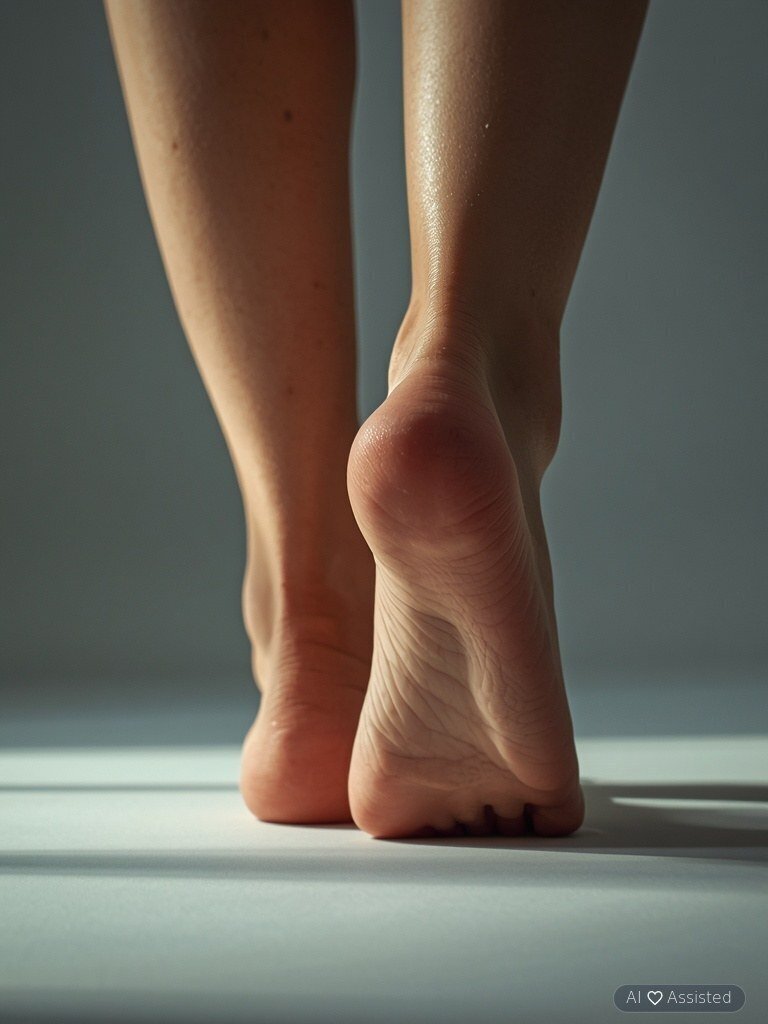
An anatomically intact human foot does not maintain continuous surface contact with the ground but instead interacts through three critical weight-bearing points—the calcaneus, the first metatarsal head, and the fifth metatarsal head. Its longitudinal arch, particularly the medial segment, serves as a primary shock-absorbing mechanism, attenuating impact forces generated during ambulation, thereby mitigating the risk of chronic overuse injuries to the lower limb joint complexes, including the patellofemoral articulation.
Want to apply these guidelines in your daily diet?
Our smart diet generator creates a tailored meal plan in 3 minutes based on the recommendations in this article.
Pes planus – anatomy and biomechanics of the foot arch
The anatomically sound human foot does not make contact with the ground across its entire plantar surface; rather, it relies on a tripod support system formed by the calcaneal tuberosity, the first metatarsal head, and the fifth metatarsal head. Bridging these bony landmarks are the dynamic foot arches: the medial longitudinal, lateral longitudinal, and transverse arches. Pes planus (flat foot) is a structural deformity characterized by the collapse or absence of these physiological arches. Clinically, it presents as longitudinal flat foot (medial arch collapse) or transverse flat foot (forefoot splay). Arch collapse severely compromises dynamic shock absorption.
Etiology and risk factors of pes planus
The etiology of flat feet is multifactorial, categorized into congenital and acquired forms. Congenital pes planus arises from tarsal coalitions or generalized ligamentous laxity. The far more prevalent acquired form results from dynamic insufficiency of the supporting musculoligamentous structures. Primary predisposing factors include: overweight and obesity placing excessive compressive loads upon the plantar fascia, sedentary lifestyles, ill-fitting footwear (high heels, restrictive narrow toe-boxes, stiff soles), prolonged static standing occupations, posterior tibial tendon dysfunction (PTTD), and post-traumatic ankle injuries.
Biomechanical complications and musculoskeletal consequences
The compromise of natural plantar shock absorption generates pathogenic forces ascending the entire kinetic chain. Ground impact forces induce excessive foot pronation, triggering compensatory knee valgus, internal femoral rotation, and anterior pelvic tilt. Consequently, patients experience chronic plantar fasciitis, calcaneal spurs, patellofemoral pain syndrome, early hip osteoarthritis, and chronic lumbosacral spinal strain. Furthermore, transverse arch flattening inevitably precipitates severe painful forefoot metatarsalgia, intractable plantar callosities, and hallux valgus deformities.
Conservative management, physical therapy, and orthotics
Management of flexible pes planus centers on conservative protocols designed to strengthen intrinsic and extrinsic foot musculature and restore postural balance. Evidence-based physical therapy includes targeted exercises for the tibialis posterior and anterior, myofascial release of the plantar fascia with massage balls, barefoot ambulation on textured natural surfaces (sand, grass), and toe-gripping drills. Custom dynamic orthotic insoles, crafted from computerized pedobarographic scans, provide corrective structural arch support and calcaneal realignment. In overweight individuals, nutritional weight reduction is mandatory to alleviate mechanical overload.
Strength training considerations and corrective athletic conditioning
Individuals with flat feet need not avoid resistance training, but compound axial-loading movements (such as squats and deadlifts) demand strict biomechanical precision. Allowing foot arches to collapse under heavy barbell loads drives dynamic knee valgus, dramatically elevating injury risk to menisci and cruciate ligaments. Prior to loading, athletes should execute the 'short foot' exercise (Janda's short foot maneuver), actively doming the medial longitudinal arch while anchoring the first metatarsal head. Squatting in soft, pillowed running shoes must be avoided in favor of rigid, flat-soled lifting shoes or barefoot grounding.

mgr Max Müller
✓Diets Premium Expert
Diets Premium team expert. Specializes in nutrition plans, strength sports, and training plans.
View Profile →