Fat-Soluble Vitamins (A, D, E, K) – Properties, Sources, and Physiological Roles

| Diets Premium Expert Alicja Kowalska | min read 7 min | Scientifically reviewed by a clinical dietitian 23.10.2026 |

Smart Voice
•Listen to the article content live
Fat-soluble vitamins—A, D, E, and K—form a distinct class of micronutrients whose gastrointestinal absorption depends fundamentally on dietary lipids. They can be stored in the liver and adipose reserves, buffering against acute shortages while necessitating caution with supplementation.
Want to apply these guidelines in your daily diet?
Our smart diet generator creates a tailored meal plan in 3 minutes based on the recommendations in this article.
This article is professional premium content (PRO) provided in its entirety.
Characteristics of ADEK vitamins and absorption mechanisms
Unlike water-soluble micronutrients, vitamins A, D, E, and K are distinctly hydrophobic (lipophilic). Efficient digestion and mucosal absorption in the small intestine require bile acids secreted by the liver and pancreatic lipase enzymes.
These vitamins are incorporated into mixed lipid micelles, absorbed across enterocytes, and packaged into chylomicrons for lymphatic transport into the systemic circulation. Hepatic and adipose storage capacity allows tissue levels to be maintained during transient dietary shortfalls.
Individual functions: vision, bone health, antioxidant defense, and coagulation
Each member of the ADEK group orchestrates discrete physiological processes. Vitamin A (retinol and provitamin beta-carotene) is vital for retinal rhodopsin synthesis, dark adaptation, and epithelial differentiation. Vitamin D stimulates active intestinal absorption of calcium and phosphate, ensuring skeletal integrity and immune competence.
Vitamin E (tocopherols) acts as a premier lipid-soluble antioxidant, protecting membrane polyunsaturated fatty acids from peroxidative damage. Vitamin K (K1 phylloquinone and K2 menaquinone) mediates post-translational gamma-carboxylation of clotting factors (prothrombin) and activates osteocalcin for bone mineralization.
Pitfalls of ultra-low-fat diets and malabsorption factors
Protracted adherence to severe low-fat or fat-free weight loss diets severely compromises fat-soluble vitamin uptake, regardless of dietary presence. Consuming a raw carrot salad without added fat (such as extra virgin olive oil) yields only a minuscule fraction of its potential beta-carotene bioavailability.
Malabsorption syndromes also arise in clinical conditions: celiac disease, Crohn's disease, cystic fibrosis, exocrine pancreatic insufficiency, and post-cholecystectomy bile alterations. Affected patients require careful clinical oversight and targeted nutritional strategies.
Top dietary sources and guidelines for safe supplementation
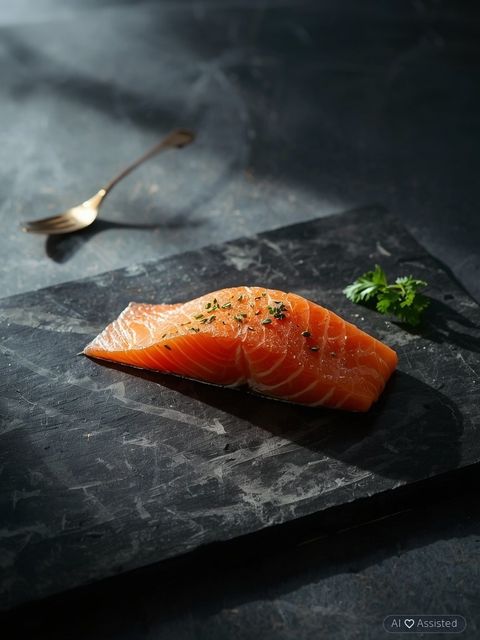
Premier sources of vitamin A include organ meats, egg yolks, butter, and orange/dark green produce (as carotenoids). Vitamin D is obtained via cutaneous UVB photobiogenesis and oily ocean fish (salmon, herring, mackerel); vitamin E from cold-pressed seed oils, almonds, and sunflower seeds; and vitamin K from leafy greens and fermented foods (especially natto).
Because fat-soluble vitamins accumulate tissue-wide, excessive exogenous intake of vitamins A and D risks toxic hypervitaminosis. Vitamin D supplementation should therefore be tailored based on serum 25(OH)D testing, and lipid-soluble supplements must always be ingested alongside fat-containing meals.

Alicja Kowalska
✓Diets Premium Expert
Diets Premium team expert. Specializes in nutrition plans, strength sports, and training plans.
View Profile →