5 min read
Blue-green algae for aiding weight loss - dosage, effects, contraindications, recipes

Wojciech Wiśniewski
✓
Diets Premium Expert • 24.09.2026
✓
Scientifically reviewed by a clinical dietitian:
This article has been peer-reviewed for adherence to IŻŻ, WHO, and PTGiP clinical nutritional standards.
| Diets Premium Expert Wojciech Wiśniewski | min read 5 min | Scientifically reviewed by a clinical dietitian 24.09.2026 |

Smart Voice
•Listen to the article content live
0:00
/
0:00
Key Takeaways
Blue-green algae, commonly referred to as spirulina, are products derived from cyanobacteria. They are recognized globally as a dark green powder composed of numerous bioactive components. Thanks to their high protein content (55-70% dry weight) and the presence of all amino acids, blue-green algae serve as an excellent nutritional supplement.[1] Over the past few years, their popularity has been on the rise. Should one consider incorporating blue-green algae into their weight loss diet?
Meal Plan
Want to apply these guidelines in your daily diet?
Our smart diet generator creates a tailored meal plan in 3 minutes based on the recommendations in this article.
The role of spirulina in body weight reduction: An evidence-based examination of its composition and potential benefits for weight management
In an era marked by a steady rise in the prevalence of excess body weight and obesity, there is growing interest in identifying natural compounds that may facilitate or accelerate the process of weight reduction. Spirulina, a microscopic blue-green alga renowned for its exceptionally dense nutritional profile, has emerged as a subject of considerable scientific attention due to emerging evidence suggesting its potential role in supporting weight loss efforts. According to peer-reviewed literature, this effect may be attributable to its rich composition of B-complex vitamins, antioxidant compounds, and polyunsaturated fatty acids—particularly omega-3 and omega-6—which collectively contribute to enhanced lipid metabolism and energy homeostasis. Furthermore, spirulina contains an array of essential trace elements, including iron, calcium, zinc, magnesium, and potassium, alongside the amino acid phenylalanine, which has been implicated in the modulation of appetite through its influence on hypothalamic satiety centers. Additional research indicates that spirulina may exert beneficial effects on gut microbiota composition and gastrointestinal motility, both of which could indirectly promote weight management. It is critical to emphasize, however, that despite these promising attributes, spirulina should not be regarded as a standalone solution for obesity; its efficacy is contingent upon integration with a balanced dietary regimen and consistent physical exercise. To date, clinical trials in human subjects have not yielded conclusive evidence that spirulina supplementation directly results in significant weight loss, though ancillary benefits—such as reductions in total cholesterol and low-density lipoprotein (LDL) levels, decreased triglyceride concentrations, and improved blood pressure regulation—have been documented. These secondary effects hold particular relevance for individuals struggling with overweight or obesity-related metabolic complications, including hypertension and dyslipidemia.
Recommended dosage guidelines and precautions for spirulina supplementation – a comprehensive user compendium
When initiating supplementation with *Arthrospira platensis*—commonly referred to as spirulina—it is imperative to recognize that this substance is categorized as a botanical preparation, thereby falling outside the regulatory oversight of pharmaceutical authorities such as the U.S. Food and Drug Administration (FDA). Consequently, a prerequisite for safe usage involves meticulously reviewing the accompanying patient information leaflet or the manufacturer’s labeling details provided on the packaging. Clinical literature has documented isolated instances of immunological hypersensitivity following spirulina ingestion, alongside adverse effects when daily intake exceeds 1000 milligrams. The most frequently reported symptoms included cephalalgia, myalgia, transient facial flushing, hyperhidrosis, and impaired cognitive focus. Of critical note is the absence of robust scientific evidence regarding the safety profile of this supplement in pediatric populations (individuals under 18 years of age) and in pregnant women, which may correlate with an elevated likelihood of unforeseen systemic physiological responses [2].
Health Effects of Spirulina Consumption: A Scientific Review of Mechanisms and Outcomes
For centuries, algae—particularly spirulina—have played a pivotal role in traditional East Asian medicine, where they were employed to alleviate respiratory conditions such as chronic bronchitis and persistent cough, as well as metabolic disorders including hyperthyroidism and gout. Scientific evidence confirms that the bioactive compounds present in spirulina exhibit multifaceted biological effects, ranging from the inhibition of inflammatory pathways to potential anticancer and antibacterial properties, as documented in numerous academic publications, including the study referenced as [4].
Furthermore, regular consumption of this cyanobacterium contributes to the stabilization of metabolic parameters, including lipid profiles and blood glucose levels, which may serve as a preventive measure against hypertension. These mechanisms are closely linked to spirulina’s high content of premium proteins, B vitamins, and unique pigments such as phycocyanin, which has been shown to possess immunomodulatory properties.
Of particular significance is the stimulation of natural killer (NK) cells, a critical component of the innate immune response. Notably, the body’s reaction to spirulina supplementation is highly individualized, influenced by factors such as age, sex, body mass, and overall health status.
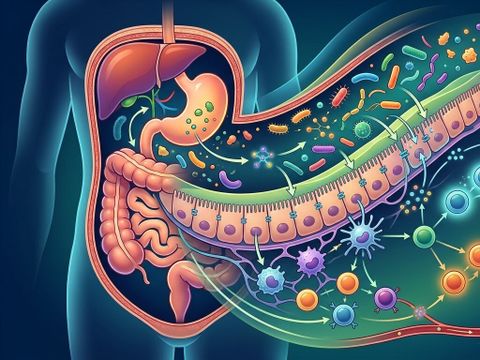
*In vitro* research, including the study published under reference [5], suggests that spirulina may promote the growth of beneficial gut microbiota strains, thereby enhancing microbial homeostasis. Additionally, its potential antiallergic effects have been observed, associated with the inhibition of mast cell degranulation and reduced histamine release—a key mediator of allergic reactions—as outlined in study [6].
Spirulina also serves as a rich source of zeaxanthin, a xanthophyll carotenoid whose accumulation in the macular region of the eye may delay age-related retinal degeneration and reduce the risk of cataract formation, as corroborated by a meta-analysis referenced as [7].
Spirulina: Key contraindications and health risks associated with its consumption
Prior to purchasing spirulina, meticulous attention should be given to its provenance and quality standards, as these factors directly correlate with the likelihood of adverse reactions. Premium-grade products substantially diminish the risk of undesirable effects. Nursing mothers must exercise heightened caution, as clinical reports have documented instances of hypercalcemia (elevated serum calcium levels) in infants whose mothers consumed spirulina supplements during lactation [8]. Furthermore, post-ingestion of spirulina-based formulations, isolated yet severe cases of rhabdomyolysis have been observed—this pathological condition involves the rapid degradation of skeletal muscle fibers, resulting in the release of myoglobin into circulation. Subsequently filtered by the kidneys, myoglobin exerts nephrotoxic effects, potentially leading to renal impairment [9]. Individuals with diagnosed allergies to seaweed or shellfish should categorically avoid spirulina-containing products. The supplement is also strictly contraindicated for patients with phenylketonuria—a hereditary metabolic disorder characterized by impaired phenylalanine metabolism—given that spirulina contains substantial quantities of this amino acid. Additionally, those suffering from autoimmune diseases are advised against its consumption due to spirulina’s immunomodulatory properties, which may exacerbate underlying immunological dysfunctions [10].
Culinary Applications of Spirulina: Delicious Ways to Incorporate This Superfood Into Your Diet
Spirulina is available in both capsule and powdered forms, offering versatility in how it can be incorporated into daily routines. While its distinct, slightly earthy flavor may not appeal to everyone, strategic culinary applications can effectively mitigate its intensity while fully harnessing the exceptional nutritional benefits of this cyanobacterium. One particularly effective approach involves pairing spirulina with cocoa—a combination that not only enhances palatability but also amplifies the health-promoting properties of both ingredients. Research indicates that this synergy not only improves taste but also potentiates their collective antioxidant capacity, creating a more robust protective effect within the body [11]. A prime example of such a pairing is a nutrient-dense smoothie blending spirulina powder, high-flavonoid cocoa, nuts (or natural nut butter for healthy fats), a ripe banana for natural sweetness, and a dash of cinnamon and vanilla extract for depth of flavor. These components are blended with water or a plant-based milk alternative, with the liquid quantity adjusted to achieve the desired texture—ranging from a thick, spoonable consistency to a lighter, drinkable shake. Beyond beverages, spirulina’s adaptability extends to a wide array of dishes. It can be subtly incorporated into sauces (such as those based on avocado or Greek yogurt), baked goods (including pancakes, stuffed dumplings, or whole-grain crepes), and desserts like chia puddings, fruit mousses, or homemade energy bars. Typically, just ½ to 1 teaspoon per serving is sufficient to enrich the dish with essential nutrients while imparting a vibrant, emerald-green hue. Notably, regular consumption of spirulina—thanks to its complete protein profile (containing all essential amino acids), B vitamins, highly bioavailable iron, and unique pigments like phycocyanin—can serve as a valuable addition to a balanced diet. However, as with any supplement, adherence to recommended dosages (generally 1–3 grams daily for adults) and monitoring for individual tolerance are critical. In cases of uncertainty—particularly for those with pre-existing medical conditions or concurrent medication use—consulting a nutritionist or healthcare provider is advisable to preclude potential interactions or adverse effects.
Tags

Wojciech Wiśniewski
✓Diets Premium Expert
Diets Premium team expert. Specializes in nutrition plans, strength sports, and training plans.
View Profile →