5 min read
Bile Retention – Symptoms, treatment and diet

Oliwia Kaczmarek
✓
Diets Premium Expert • 23.10.2026
✓
Scientifically reviewed by a clinical dietitian:
This article has been peer-reviewed for adherence to IŻŻ, WHO, and PTGiP clinical nutritional standards.
| Diets Premium Expert Oliwia Kaczmarek | min read 5 min | Scientifically reviewed by a clinical dietitian 23.10.2026 |
Smart Voice
•Listen to the article content live
0:00
/
0:00
Key Takeaways
Cholestasis, or bile retention, is a clinical condition characterized by impaired synthesis, secretion, or drainage of bile from the liver into the duodenum. When bile acid flow is obstructed, toxic bile salts and bilirubin accumulate in the bloodstream and tissues, causing pruritus and jaundice. Understanding the etiologies, diagnostic biomarkers, and tailored nutritional guidelines is crucial for preventing chronic hepatic damage and maintaining digestive health.
Meal Plan
Want to apply these guidelines in your daily diet?
Our smart diet generator creates a tailored meal plan in 3 minutes based on the recommendations in this article.
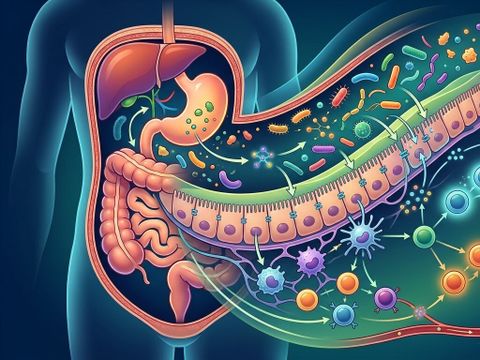
The mechanism of action of the gall
Physiologically, during the digestion of a meal rich in fats, yellowish-brownish-yellow is released from the bile duct, a liquid extract produced by liver cells responsible for breaking down the fat molecules into smaller forms. This process, called emulsion, allows proper digestion. The bile ducts are extracted from the liver through the gallbladder.
Cholesterol
We call cholestasis a set of clinical and biochemical symptoms caused by various factors that lead to a mechanical stopping of bile flow or a functional impairment of the extracellular function of the liver [1]. The name comes from lace. Cholestasis, which literally means stagnation of bile. This pathology usually occurs due to its reduced production and release to the duodenum. However, the types of cholestases can be divided into two groups: intracellular disorder in bile flow.
Cholesterol is a symptom
Cholestasis is manifested by the following symptoms: unpleasant skin tingling the most characteristic and common symptom, caused by the buildup of bile acid salts in the subcutaneous tissue and causing irritation of nerve endings (98% of cases); jaundice; digestive and absorption disorders, especially of fats and vitamins A, D and K; enlargement of the liver and spleen; changes in the colour of the stools. Furthermore, laboratory studies also show elevated levels of bilirubin, alkaline phosphate (ALUSP) and GGTP, or enzymes produced by cells in the stomach, which produce a higher level of fat and vitamin A, especially fats, D, and K.; enlarged liver and traces; change in stool colouration.
Cholesterol is a treatment
Treatment of cholestasis depends on identifying the underlying etiology. In extrahepatic biliary obstruction caused by choledocholithiasis or tumors, surgical or endoscopic interventions (such as ERCP with stent placement) are indicated. For intrahepatic cholestasis, medical therapy includes ursodeoxycholic acid (UDCA), which displaces toxic hydrophobic bile acids and improves hepatic bile secretion. Concurrently, symptomatic treatment with bile acid sequestrants (such as cholestyramine) is used to alleviate intractable pruritus.
Cholesterol is a diet
Dietary therapy in cholestasis requires a low-fat, easily digestible meal plan to reduce biliary strain. Because bile acid deficiency impairs fat emulsification, dietary fats should be limited to 30–40 grams daily, favoring Medium Chain Triglycerides (MCT oils) that absorb directly via the portal vein without requiring bile salts. Meals should be small and consumed regularly (5–6 times daily). Fat-soluble vitamins (A, D, E, K) must be monitored and supplemented in water-miscible formulations to prevent systemic nutritional deficiencies.
Tags

Oliwia Kaczmarek
✓Diets Premium Expert
Diets Premium team expert. Specializes in nutrition plans, strength sports, and training plans.
View Profile →