Adolescent acne: Etiological factors, clinical presentation, and pathophysiological pathways
*Acne vulgaris*, commonly referred to as "adolescent acne," represents one of the most prevalent dermatological conditions, affecting nearly the entire population at some point in life, with peak incidence during puberty. The disorder is clinically characterized by the presence of non-inflammatory comedones (both open and closed) alongside inflammatory lesions—such as papules, pustules, nodules, and cysts—predominantly localized to sebum-rich areas, including the face, back, and upper chest. The pathogenesis of acne is multifactorial, encompassing both endogenous and exogenous contributors. Key mechanisms include: **abnormal keratinization of the follicular infundibulum**, leading to pore obstruction and microcomedone formation; **excessive sebum secretion** driven by androgenic stimulation; **colonization and proliferation of *Cutibacterium acnes*** (formerly *Propionibacterium acnes*), which triggers an inflammatory cascade; and **the host immune response**, marked by the release of pro-inflammatory cytokines. Epidemiological data confirm that nearly 100% of individuals experience at least mild acne symptoms during adolescence, with disease severity modulated by genetic predispositions, hormonal fluctuations (e.g., elevated testosterone levels), and environmental influences (diet, stress, cosmetic products). Of particular note is **acne fulminans**, a rare but severe variant of adolescent acne, distinguished not only by cutaneous manifestations but also by systemic symptoms—including fever, myalgia, arthralgia, weight loss, and laboratory abnormalities (elevated erythrocyte sedimentation rate, leukocytosis).
Adolescent acne (Acne juvenilis): Clinical presentation, progression, and common locations
Adolescent acne (Acne juvenilis) typically emerges in girls aged 10–12 years (with peak prevalence between 14 and 17 years) and in boys aged 11–13 years (highest incidence: 16–19 years), initially manifesting as non-inflammatory lesions such as microcomedones and numerous open or closed comedones (referred to as comedonal acne), as evidenced by clinical literature [1, 2]. As inflammation progresses, papules, pustules (papulopustular acne), nodules, and potential scarring may develop. These lesions predominantly localize to sebum-rich facial regions—including the forehead, cheeks, nose, and chin—though they may also affect the back and chest. Crucially, the pathogenesis of acne is intrinsically linked to pubertal physiological changes, where excessive sebum secretion, while a natural occurrence, becomes a problematic hallmark of this developmental stage [4].
Comprehensive therapeutic approaches for managing common acne – evidence-based treatment and prevention strategies
The selection of an optimal therapeutic strategy for common acne (*Acne vulgaris*) is contingent upon the nature and severity of skin lesions, as well as individual patient factors such as age and sex. The primary objectives of treatment include mitigating excessive keratinization within hair follicles, suppressing the proliferation of *Propionibacterium acnes*, and regulating sebum overproduction. Mild cases are typically managed with topical formulations—such as creams, gels, micellar solutions, or toners—which demonstrate significant efficacy in symptom reduction. However, in severe or generalized presentations, systemic therapy becomes indispensable. Current medical guidelines emphasize that the highest therapeutic efficacy in adolescent acne is achieved through combined treatment modalities that integrate multiple mechanisms of action.
Below is a detailed characterization of key active substances employed in anti-acne therapy:
**Antibiotics (e.g., erythromycin, clindamycin)** – exhibit bacteriostatic activity against *P. acnes*, modulate immune responses within the skin, and reduce sebum secretion (particularly tetracyclines). However, the risk of antimicrobial resistance necessitates their use in conjunction with other topical agents, especially during prolonged treatment.
**Benzoyl peroxide** – demonstrates potent antiseptic properties, inhibits sebum production (sebostatic effect), and exerts moderate keratolytic activity. Potential adverse effects include skin irritation, dryness, or excessive peeling.
**Retinoids** – possess a multifaceted action profile: anti-comedogenic, keratolytic (regulating keratinization processes), anti-inflammatory, and sebostatic. Side effects such as skin irritation typically resolve after 2–3 months of consistent use.
**Salicylic acid** – functions as an antiseptic and keratolytic agent, facilitating the removal of dead epidermal cells.
**Sulfur** – exhibits cleansing, anti-inflammatory, antibacterial properties, and regulates sebaceous gland activity, thereby reducing sebum secretion.
**Azelaic acid** – displays comedolytic activity (dissolving existing comedones) and inhibits bacterial growth within hair follicles. It may be used synergistically with antibiotics or benzoyl peroxide.
**Isotretinoin** – a high-potency agent with comedolytic, sebostatic, and anti-inflammatory effects, reserved for severe acne cases (e.g., nodulocystic or fulminant acne). Its use is associated with significant adverse effects, including teratogenicity (fetal harm), hepatic dysfunction, dry lips, and mucosal irritation.
Beyond pharmacotherapy, proper skincare practices are critical, including the selection of hypoallergenic cosmetics, avoidance of exacerbating factors (e.g., stress, poor diet), and adherence to a balanced nutritional regimen. Professional dermatological or cosmetic procedures can also be beneficial, though cleansing treatments are contraindicated in the presence of active pustular or inflammatory lesions. Manual extraction of acne lesions may promote infection spread and permanent scarring.
Evidence-based home interventions for adolescent acne: Comprehensive approaches to skin clarity
To maintain skin affected by adolescent acne in optimal condition, it is advisable to implement gentle yet systematic skincare practices. Following each facial cleansing, the epidermis should be patted dry with a soft towel to prevent microtears or irritation caused by rubbing. Ideal hygiene involves washing the face twice daily—immediately upon waking and before bedtime—using dermatologist-recommended gels or foams tailored to individual skin needs. Among the validated complementary methods, the application of masks containing live yeast dissolved in lukewarm water stands out for its ability to regulate sebum production and accelerate epidermal renewal. Oral supplementation with yeast tablets may further support the restoration of the skin’s natural lipid barrier, yielding the most noticeable improvements during the early stages of acne development.
Natural homemade face masks for adolescent acne – recipes and application guidelines
Effective approaches to managing adolescent acne include the use of homemade face masks made from simple, natural ingredients. One of the most beneficial solutions is a mask based on baker’s yeast, which helps regulate sebum production and soothe inflammatory lesions. How is it prepared? The yeast should be dissolved in a small quantity of lukewarm water and left to sit for approximately ten minutes until a uniform paste forms. This mixture is then applied to acne-affected areas on both the face and body. After about thirty minutes, the mask should be thoroughly rinsed off with water. For optimal results, this treatment should be administered every other day over a period of roughly four weeks. An alternative remedy is an oatmeal-based mask, which provides calming and hydrating effects. To prepare it, you will need four to five tablespoons of oatmeal, five tablespoons of water, one tablespoon of natural honey, and one tablespoon of milk. All ingredients should be thoroughly combined and allowed to thicken. The finished mask is then applied to cleansed skin and left on for approximately ten minutes before being rinsed off with lukewarm water.
Adolescent acne and dietary influence: How nutritional choices affect skin health during puberty
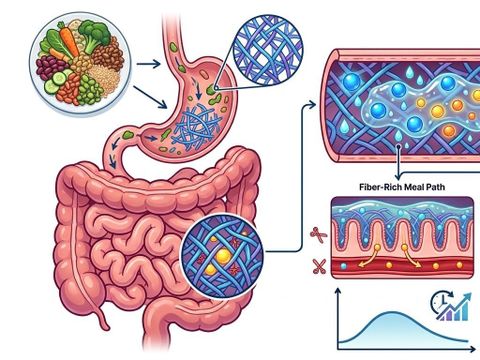
While adolescent acne is frequently rooted in genetic predisposition, a thoughtfully structured diet can serve as a valuable adjunct in therapeutic management. Scientific evidence suggests that specific dietary components may either exacerbate or alleviate acne symptoms. Foods that have been linked to worsened skin conditions include highly processed items—particularly fast food—along with high-glycemic-index products (such as sugary baked goods and carbonated beverages), spicy dishes, fatty meats, sweets, cocoa, and chocolate-based products. A critical step involves monitoring individual physiological responses to particular foods and excluding those that trigger flare-ups. Conversely, a diet abundant in fresh fruits and vegetables—rich in antioxidants that combat free radicals—may help mitigate skin inflammation. Maintaining vitamin and mineral balance is equally essential, particularly for vitamins A, B2, and B6, as well as zinc (which plays a pivotal role in wound healing) and can be sourced from oats, pumpkin seeds, sesame, and Brazil nuts. Additionally, selenium—found in nuts, red meat, and fish—promotes epidermal exfoliation. Optimal dietary practices also include consuming four to five small, balanced meals daily and adhering to a normocaloric intake, both of which support metabolic stability.