Meal Plans and Diets • CLINICAL PROTOCOL

Veganism and Plant-Based Diets

Personalized, evidence-based nutrition guidelines (EBM) dedicated to Veganism and Plant-Based Diets. Balanced macronutrients, micronutrition, and elimination of pro-inflammatory factors.

Veganism and Plant-Based Diets
HOW TO START

It's Easy to Start Today!

Eat Healthy

Precisely selected nutrients supporting metabolic balance and tissue regeneration.

Workout Hard

Physical activity safely tailored to your clinical conditions and baseline endurance.

Enjoy Your Life

Psychoemotional balance, restful sleep, and stress reduction as indispensable pillars of recovery.

SERVICES & PROTOCOLS
Personal Health Program

Personal Health Program

Dedicated medical nutrition therapy and dietary protocols for Veganism and Plant-Based Diets.

Personal Fitness Trainer

Personal Fitness Trainer

Tailored workout plan and physical exercise supporting therapy.

Wellness Counseling

Wellness Counseling

Specialist support and continuous monitoring of health progress.

Diet Programs

Diet Programs

Precise calculation of BMR, TDEE, and micronutrient balance.

Refreshing Citrus Background
FREE RECOMMENDATIONS

Change Your Health in One Day!

Special Program for Sensitive Nutrition
POPULAR PROGRAMS & CLINICAL PROTOCOLS

Special Program for Sensitive Nutrition

Individually formulated nutrition protocols for individuals managing specific metabolic and allergic requirements in Veganism and Plant-Based Diets.

Allergen exclusion, gut microbiota support, and optimization of carbohydrate-lipid metabolism.

8
Programs
161
Happy Customers
7
Awards
117
Success Stories

Other Groups in Category: Meal Plans and Diets

Articles and Guides in — Veganism and Plant-Based Diets

Publications, recommendations, and clinical analysis in Veganism and Plant-Based Diets

30 publications
Grandma's ancient arsenal against colds

Grandma's ancient arsenal against colds

When the winter sickness season arrives, the first symptoms often involve acute inflammation of the nasal cavity and throat, most commonly caused by viral infection. The feeling of general weakness, sore throat, difficulty breathing, depressive states with accompanying headaches are just a few of the symptoms of a cold. It is also a time when we seek help from experienced doctors or pharmacists, but we often return to old, tried and true methods. Is it perhaps then worthwhile to use natural, plant-based remedies that our grandmother may have?

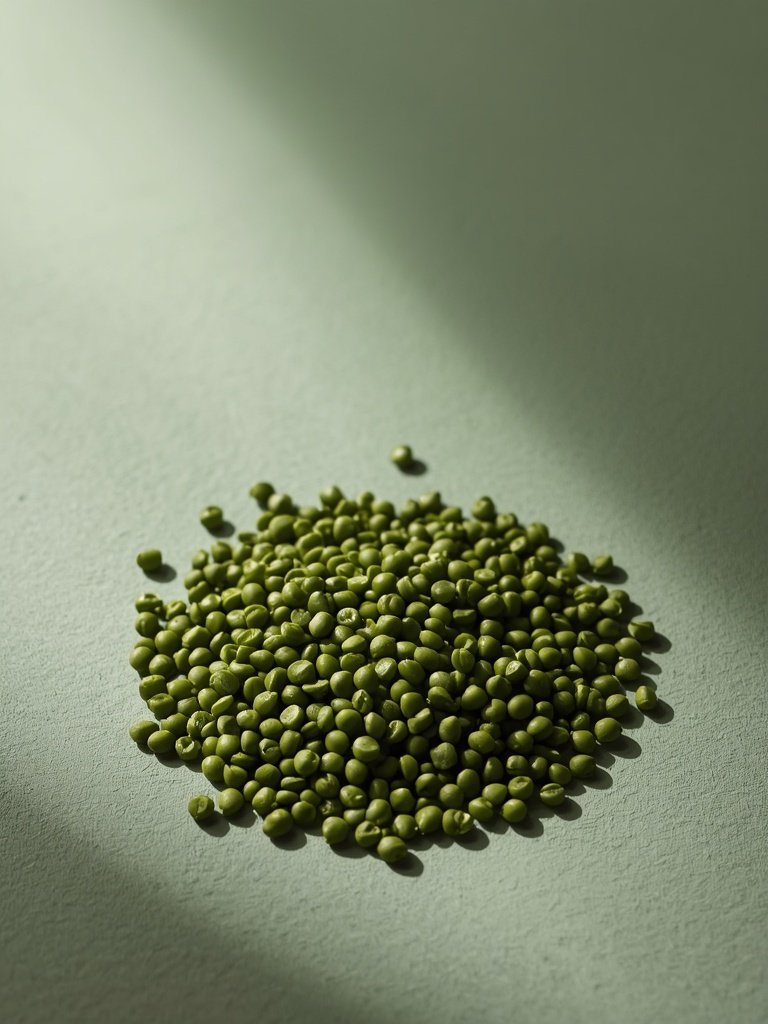
Green lentils - properties, recipes... How to prepare green lentils?

Green lentils - properties, recipes... How to prepare green lentils?

Despite the low cost and ease of preparation, lentils are rarely seen on our tables... Those who prefer a vegetarian or vegan diet are more likely to choose them, appreciating their high protein content... However, this is not the only reason we should consume them, as lentils can also aid in preventing type 2 diabetes and high blood pressure.

Red lentil variety

Red lentil variety

All types of lentils, including red, are an excellent source of protein that is easily digestible by the body and becomes fully-fledged when combined with cereal products. Therefore, it is very important in the daily diet of individuals following a vegan diet who need to compensate for deficiencies in building blocks. 100 grams of red lentil contain up to 25.4 grams of protein. Red lentil is highly nutritious and should be present in the diet of children, elderly people, and adults who perform heavy physical work. It contains the amino acid - lysine, which has proven its anticancer properties.

Broccoli

Broccoli

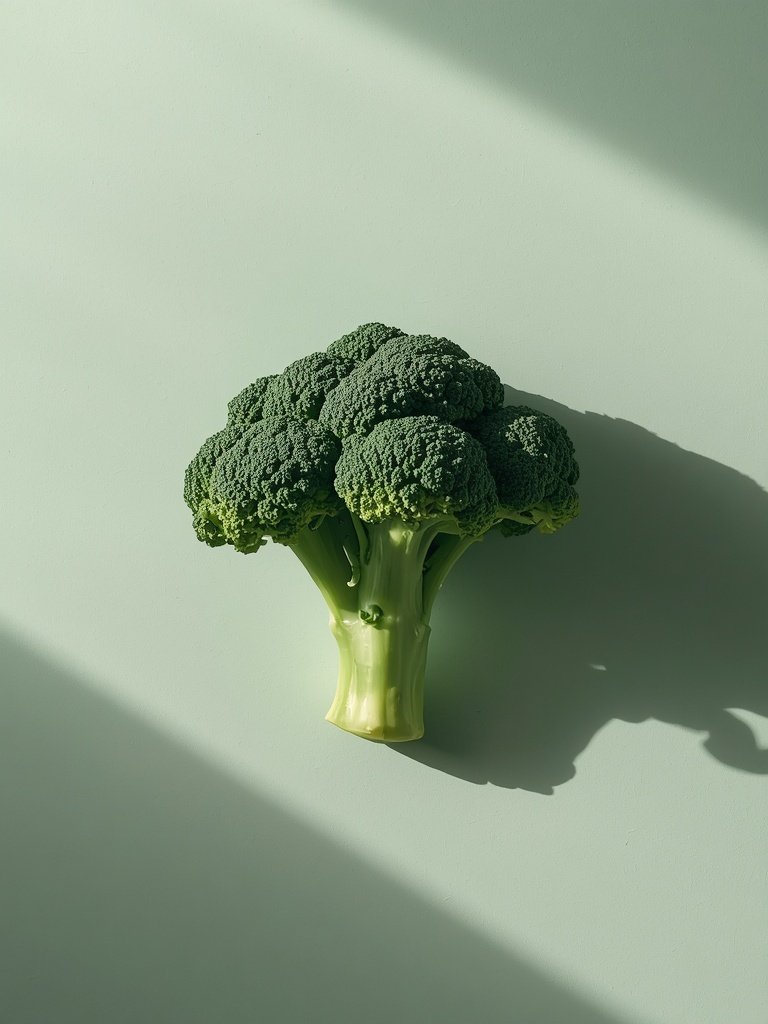
Broccoli vegetable is a vegetable with high health and cancer-fighting potential. It contains a range of antioxidants, including vitamin C, beta-carotene, and sulforaphane, which neutralize the excess of free radicals that contribute to the development of civilization diseases and cancers. Broccoli vegetable contains valuable potassium for heart and muscle function; calcium and phosphorus, which are essential for proper skeletal mineralization; and iodine, which helps the thyroid function properly. The vitamins found in broccoli vegetable, such as retinol and beta-carotene, support eye function and prevent oxidative stress. It also contains zeaxanthin, which improves vision. The high content of vitamin C increases the absorption of iron from plant-based products and stimulates the immune system. A 100-gram serving of broccoli vegetable provides 2.5 grams of dietary fiber, which helps regulate digestive function, lower cholesterol levels, and regulate blood sugar.

Vitamin deficiencies – causes, symptoms, and consequences of avitaminosis

Vitamin deficiencies – causes, symptoms, and consequences of avitaminosis

Certainly, everyone knows that vitamins should be ingested, though not everyone is aware of precisely what they are. The first vitamin was discovered by a distinguished Polish researcher who unknowingly contributed to this discovery. He observed that dogs fed with plant-based protein were losing weight and weakening, and when meat was added to their diet, these animals regained strength. Indisputably, this was one of the stimuli that prompted Kazimierz Funk to carry out further research. In 1910, he started investigations that led to the official discovery of vitamin B1 in 1913. Upon examining beri-beri patients, he observed that patients consuming polished rice were more prone to the disease than patients consuming rice with a lower degree of processing.

Cadmium - presence in food, harmful effect on the human body, poisoning

Cadmium - presence in food, harmful effect on the human body, poisoning

Cadm is one of the most common heavy metals found in food, which has a very harmful and broad range of effects on human health. Similar to mercury, cadm does not fulfill any regulatory function in the body, so when supplied with food products, it can only cause undesirable complications by disrupting the metabolism of certain organs. Cadm is particularly hazardous for people who consume a plant-based diet, men, and children, infants, and pregnant women. It is important to know the sources of cadmium and the reasons for the intentional reduction of the tolerable weekly intake (TWI) from food issued in 2009 by the European Food Safety Authority (EFSA).

Acerola – a natural source of vitamin C

Acerola – a natural source of vitamin C

Vitamin C, also known as ascorbic acid, is a water-soluble vitamin that performs numerous crucial functions in the body. It is involved in the metabolism of amino acids, the synthesis of skin dyes (melanin), steroid hormones, and catecholic amines. It also serves as a natural antioxidant, boosts immunity, aids in the absorption of iron in the digestive tract, and is indispensable for the production of collagen. This vitamin is mainly found in plant-based products, especially berries and citrus fruits, cruciferous vegetables, peppers, and tomatoes. Lately, acerola, originating from Central America, has been gaining more popularity. We will delve into its properties.

Seven health benefits of Greek natural yogurt

Seven health benefits of Greek natural yogurt

Greek natural yogurt is far more than just a creamy culinary delight; it is a true superfood whose traditional straining process yields an exceptional nutrient density. Compared to regular yogurt, it undergoes an additional filtration step to remove liquid whey, resulting in its signature velvety texture and a significantly higher protein concentration.Regularly integrating this fermented dairy product into your daily diet can have profound positive effects on digestive health, muscle recovery, bone strength, and overall vitality. In this comprehensive guide, we explore the seven scientifically backed primary health benefits of Greek natural yogurt and explain why it deserves a permanent place in a balanced nutritional regimen.

20 foods that speed up fat burning

20 foods that speed up fat burning

„It has been acknowledged for years that lack of exercise and overeating result in the build-up of fat in the subcutaneous tissue. Fighting unwanted kilograms is an exceptionally complex process that is based on a multitude of factors. However, it is crucial to emphasize that solely consistent use of supportive products, including plant-based ones, can lead to the intended outcomes.”

Action of horsetail: medicinal properties and application

Action of horsetail: medicinal properties and application

There has been a growing interest in medicinal plants in recent times, which are utilized in the treatment and prevention of various ailments, in cosmetics, and in a healthy, sensible diet. The increasing popularity of plant-based products is due to the heightened health consciousness of consumers. One of the plants that deserves special attention is cassava, which contains numerous biologically active substances. Can natural cosmetics be produced from it? Where does cassava originate from? Answers to these questions can be found in the following description of cassava's medical properties.

Current level of nutritional awareness in society

Current level of nutritional awareness in society

Present dietary guidelines do not always align with their actual consequences for the human body. We are now aware that every piece of advice, recommendation or tip should be considered individually, not as a group. A low-fat, low-sugar diet will keep you healthy and lean, and vegan dietary patterns will keep you feeling good and energetic for many years. But is it really that simple?

The significance of a vegetarian diet in the treatment of diabetes and thyroid hormone deficiency

The significance of a vegetarian diet in the treatment of diabetes and thyroid hormone deficiency

The vegetarian diet is a dietary system that is primarily based on the consumption of plant-based products. While the most lenient form of vegetarianism permits the consumption of animal products (dairy, eggs), each of its branches excludes meat and its processed products. Furthermore, this diet is characterized by a high intake of carbohydrates, fiber, and fats of plant origin. Does such a dietary regimen have a positive significance for the health status of individuals with diabetes and thyroid hormone deficiency? Can the vegetarian diet support the treatment of these ailments, or is it unsuitable in these circumstances?

Do the properties of vitamin C actually pose a greater threat in case of excess or deficiency?

Do the properties of vitamin C actually pose a greater threat in case of excess or deficiency?

The human body possesses the capacity to produce only a restricted number of vitamins, unfortunately vitamin C does not belong to this group. Consequently, it is of paramount importance to acquire it through food. Vitamin C is predominantly found in plant-based products, which serves as a further compelling argument for consuming fruits and vegetables. The recommended daily dosage of vitamin C should range between 30 and 100 mg, depending on the age group and gender. The requirement for vitamin C increases during strenuous physical activity, in stressful circumstances, in cases of gastrointestinal disorders, as well as in pregnant and breastfeeding women.

6 reasons to add soy milk to your diet

6 reasons to add soy milk to your diet

Soy milk, traditionally crafted from soaked and ground whole soybeans, stands as the gold standard among plant-based dairy alternatives. Distinguishable by its complete amino acid profile, absence of lactose and cholesterol, and rich concentrations of bioactive isoflavones, it offers profound nutritional utility. Whether navigating dairy allergies, vegan lifestyle, or cardiovascular optimization, discover 6 evidence-based reasons to embrace soy milk in your daily diet.

Are plant-based products always more nutritious than animal-based ones?

Are plant-based products always more nutritious than animal-based ones?

There has been a significant increase in the popularity of the vegan diet in recent years, and for good reason. An increasing number of studies confirm its beneficial effects on the human body. Furthermore, this type of diet also allows for sustainable use of environmental resources. However, the question of whether plant-based foods are inherently more nutritious than animal-based ones remains open.

Ashwagandha – a source of vital energy

Ashwagandha – a source of vital energy

For ages, humans have been in quest of natural products that could help fortify their bodies. They aspired to be more resilient, better equipped to handle pressure, physical and mental exhaustion. Many of them resorted to various plant-based remedies, dietary supplements, or substances like coffee or energy drinks. Given the choice between natural products and artificial aids, one should opt for the former. Ashwagandha is one such plant that is used to boost resilience and vital forces. When is it advisable to use ashwagandha and in what doses? What are the health properties of this plant?

Is it possible to effectively build muscle mass on a vegetarian diet?

Is it possible to effectively build muscle mass on a vegetarian diet?

In the world of powerlifters, marathon runners and bodybuilders, there has long been a belief that only the consumption of animal protein allows for effective increases in strength, endurance and muscle mass. Plant-based protein is often considered less valuable, so many people do not include it in their daily protein intake. As a result, protein intake is very high, which does not bring any additional benefits, regardless of the type of sport practiced, the age of the athlete or the level of their abilities. Nowadays, an increasing number of trainees, both amateurs and professionals, are using a vegetarian diet and achieving excellent results, also during competitions. So, is it possible to effectively build muscle mass on a vegetarian diet?

Exceptional food – peanut protein

Exceptional food – peanut protein

Indisputably, the most popular nutrient available to individuals who wish to improve their physical performance and body composition is protein. This type of substance is relatively inexpensive, delicious, and above all, offers numerous benefits. The popularity it has garnered over the years has led to the dynamic development of its many variants. Protein-rich food products can be manufactured from a variety of ingredients. The most commonly chosen are those produced from dairy products, known as whey proteins, but they may not be the best choice for everyone. Individuals with lactose intolerance or following a vegan diet will avoid this type of food. Fortunately, there are numerous alternative options, such as products containing soy, rice, or peanut protein. Among them, peanut protein is a relatively new entrant in the food market, but thanks to current scientific research, we can increasingly learn about its applications.

Share