2 min read
The significance of a vegetarian diet in the treatment of diabetes and thyroid hormone deficiency


1 photo
766
Smart Voice
AI
0:00
0:00
Listen to the article content live
Table of Contents 2
Medical & Editorial Disclaimer (§3 Terms): This article is for informational and educational purposes only, does not constitute medical advice, diagnosis, or treatment, and is used at your own risk. Consult a qualified physician for medical conditions.
Clinical E-Books & Diet Plans:
Explore E-Books & Plans →
Key Takeaways
The vegetarian diet, which eliminates meat and processed meat products in favor of plant-based foods, plays an increasingly recognized role in supporting individuals with metabolic and endocrine conditions. For those managing diabetes or thyroid hormone deficiency, understanding how a diet naturally rich in carbohydrates, dietary fiber, and plant-derived fats affects physiological function is essential. Evaluating this dietary approach provides valuable clarity on how plant-based nutrition can safely complement broader health strategies.
From a physiological perspective, managing diabetes on a plant-based diet requires careful selection of carbohydrate sources to maintain stable blood sugar levels, making the awareness of glycemic impact and regular glucose monitoring vital. In the context of thyroid insufficiency—where hormone production is reduced due to autoimmune factors, nutrient deficits, or regulatory imbalances—nutrition must focus on supporting hormone metabolism, reducing inflammation, and ensuring adequate iodine intake. However, caution is warranted, as excessive consumption of specific plant items, such as soy products and cruciferous vegetables, may influence thyroid function under certain conditions.
In daily practice, adopting a vegetarian lifestyle while managing chronic conditions demands a thoughtful balance of nutrient-dense, fiber-rich foods while remaining mindful of potential goitrogenic factors. Individuals with diabetes or thyroid disorders should approach dietary modifications as a supportive wellness tool rather than a replacement for medical therapy. Collaborating with healthcare professionals and regularly monitoring health markers ensures that a plant-based regimen promotes long-term vitality safely and effectively.
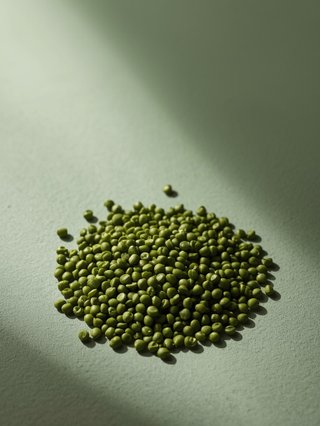
The vegetarian diet is a dietary system that is primarily based on the consumption of plant-based products. While the most lenient form of vegetarianism permits the consumption of animal products (dairy, eggs), each of its branches excludes meat and its processed products. Furthermore, this diet is characterized by a high intake of carbohydrates, fiber, and fats of plant origin. Does such a dietary regimen have a positive significance for the health status of individuals with diabetes and thyroid hormone deficiency? Can the vegetarian diet support the treatment of these ailments, or is it unsuitable in these circumstances?
01 / 02
Plant-Based Diets and Diabetes
A plant-based diet is rich in carbohydrates, which have a greater impact on blood glucose levels than proteins and fats. This is crucial for individuals with unstable blood sugar, a common characteristic of diabetes. Therefore, patients following a vegetarian diet should carefully select carbohydrate sources and monitor their glycemic load. However, vegetarianism does not exempt one from the necessity of regular blood glucose monitoring. It is worth noting that plant-based foods typically have a low glycemic index, leading to a slower rise in blood sugar and facilitating stable glucose levels. Additionally, vegetarians consume more fiber, which not only regulates sugar release but also aids in weight reduction, often associated with type 2 diabetes.
02 / 02
Vegetarian diet in the context of thyroid insufficiency
Thyroid insufficiency involves a reduced production of thyroid hormones, which may result from autoimmune conditions, iodine deficiency, or hormonal regulatory disorders. In such cases, the diet should focus on enhancing thyroid function, optimizing hormone metabolism, reducing inflammation, and ensuring adequate iodine levels. While a vegetarian diet can be beneficial, certain aspects, such as excessive consumption of soy products and cruciferous vegetables, may adversely affect health.
Meal Plan
Want to apply these guidelines in your daily diet?
Our smart diet generator creates a tailored meal plan in 3 minutes based on the recommendations in this article.
Tags

mgr Tomasz Jankowski
• 25.11.2026Diets Premium Expert
Diets Premium team expert. Specializes in nutrition plans, strength sports, and training plans.