

Lifestyle & Kitchen • CLINICAL PROTOCOL

Meal Prep

Personalized, evidence-based nutrition guidelines (EBM) dedicated to Meal Prep. Balanced macronutrients, micronutrition, and elimination of pro-inflammatory factors.

Meal Prep
HOW TO START

It's Easy to Start Today!

Eat Healthy

Precisely selected nutrients supporting metabolic balance and tissue regeneration.

Workout Hard

Physical activity safely tailored to your clinical conditions and baseline endurance.

Enjoy Your Life

Psychoemotional balance, restful sleep, and stress reduction as indispensable pillars of recovery.

SERVICES & PROTOCOLS
Personal Health Program

Personal Health Program

Dedicated medical nutrition therapy and dietary protocols for Meal Prep.

Personal Fitness Trainer

Personal Fitness Trainer

Tailored workout plan and physical exercise supporting therapy.

Wellness Counseling

Wellness Counseling

Specialist support and continuous monitoring of health progress.

Diet Programs

Diet Programs

Precise calculation of BMR, TDEE, and micronutrient balance.

Refreshing Citrus Background
FREE RECOMMENDATIONS

Change Your Health in One Day!

Special Program for Sensitive Nutrition
POPULAR PROGRAMS & CLINICAL PROTOCOLS

Special Program for Sensitive Nutrition

Individually formulated nutrition protocols for individuals managing specific metabolic and allergic requirements in Meal Prep.

Allergen exclusion, gut microbiota support, and optimization of carbohydrate-lipid metabolism.

8
Programs
161
Happy Customers
7
Awards
117
Success Stories

Other Groups in Category: Lifestyle & Kitchen

Articles and Guides in — Meal Prep

Publications, recommendations, and clinical analysis in Meal Prep

30 publications
Hiatal Hernia: Symptoms, Diagnostic Methods, and Clinical Dietary Strategies

Hiatal Hernia: Symptoms, Diagnostic Methods, and Clinical Dietary Strategies

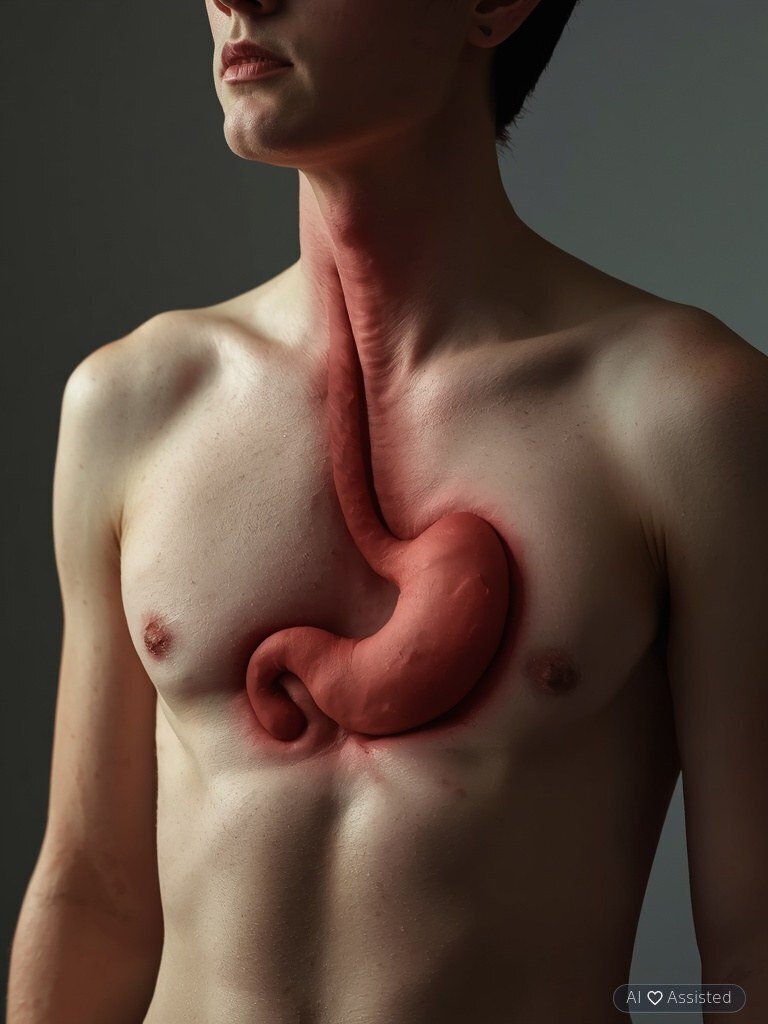
A hiatal hernia, colloquially referred to as gastric displacement into the chest cavity, occurs when the proximal portion of the stomach protrudes through the diaphragmatic esophageal hiatus into the mediastinum. The diaphragm serves as the primary respiratory barrier separating the abdominal and thoracic compartments, featuring a small hiatus through which the esophagus normally reaches the gastric cardia. When this muscular opening widens and supporting phrenoesophageal ligaments weaken, the lower esophageal sphincter is compromised, leading to severe gastroesophageal reflux and requiring structured nutritional and medical management.
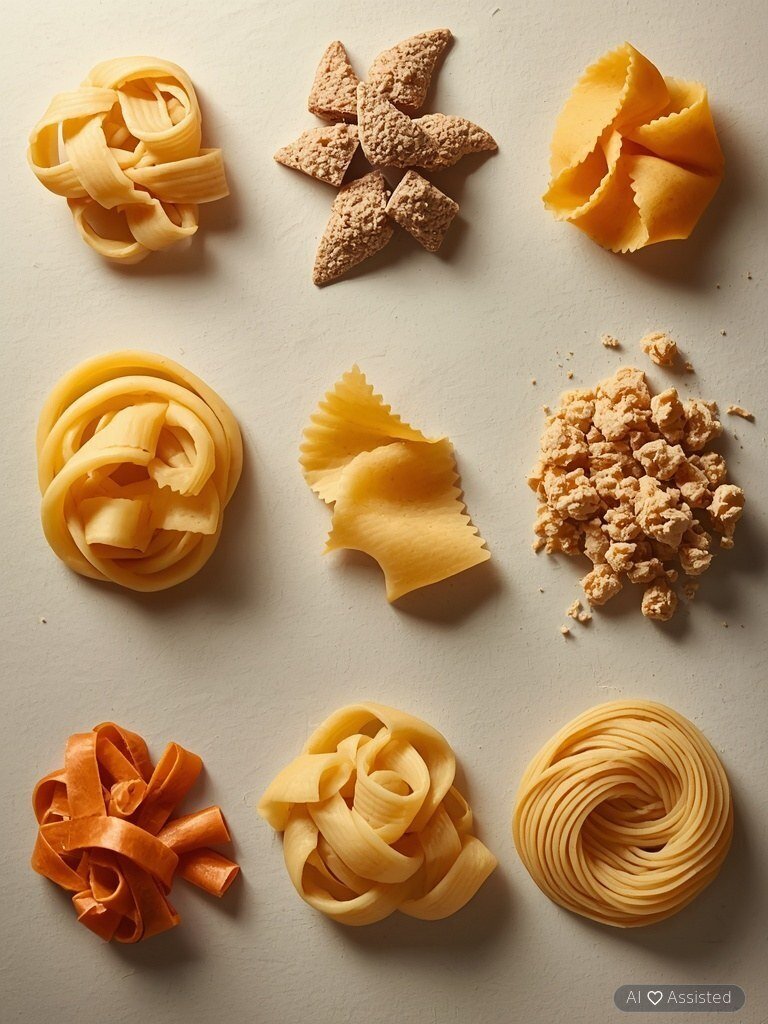

Discover 20 iconic Italian pasta varieties – which one will become your culinary favorite?

Discover 20 iconic Italian pasta varieties – which one will become your culinary favorite?

Pasta stands as the undisputed cornerstone of Italian culinary tradition, celebrated globally for its versatility and rich heritage. Italy boasts over 300 distinct pasta shapes, each with its own unique history and designed to harmonize with specific sauces. The artful pairing of pasta geometry with sauce viscosity is considered a culinary masterpiece. This comprehensive guide explores 20 iconic Italian pasta varieties, their regional culinary applications, and their nutritional profiles.

Key Metrics for Crafting a Personalized, Nutrient-Balanced Nutrition Plan

Key Metrics for Crafting a Personalized, Nutrient-Balanced Nutrition Plan

A meticulously tailored nutrition plan is the cornerstone of sustainable health and peak physical performance. However, no one-size-fits-all approach exists—each individual requires a unique adjustment based on biological markers and lifestyle factors. Designing a balanced dietary regimen demands precise calculations of basal metabolic rate (BMR), total daily energy expenditure (TDEE), physical activity levels, body composition, and metabolic health. This clinical guide outlines the critical metrics essential for crafting a personalized, evidence-based nutrition strategy that is both scientifically sound and practically implementable.

Guidelines for healthy nutrition in children and adolescents: preventive strategies against excess weight in developmental age groups

Guidelines for healthy nutrition in children and adolescents: preventive strategies against excess weight in developmental age groups

Nutritional habits established during childhood and adolescence fundamentally dictate peak bone mass, cognitive performance, and lifetime risk of obesity and type 2 diabetes. This comprehensive pediatric guide examines the youth food pyramid, essential developmental micronutrients (calcium, iron, vitamin D), and evidence-based family strategies to curtail ultra-processed foods.

Adequate nutrition and targeted physical exercise: The premier clinical strategy to prevent osteoporosis

Adequate nutrition and targeted physical exercise: The premier clinical strategy to prevent osteoporosis

Osteoporosis, clinically dubbed the 'silent bone thief', is a systemic skeletal metabolic disorder characterized by low bone mineral density (BMD) and microarchitectural deterioration of osseous tissue. It progresses asymptomatically for decades until presenting catastrophically as a low-trauma fragility fracture (typically of the femoral neck, vertebral bodies, or distal radius). Proactive lifestyle interventions combining osteogenic nutrition with mechanical loading represent the most robust preventive shield.

Novel Non-Thermal Food Preservation: High-Pressure Processing (HPP), Pulsed Electric Fields (PEF), and MAP Packaging

Novel Non-Thermal Food Preservation: High-Pressure Processing (HPP), Pulsed Electric Fields (PEF), and MAP Packaging

Contemporary food biotechnology increasingly diverges from conventional high-temperature thermal sterilization methods that systematically degrade heat-labile vitamins, bioactive phytochemicals, and pristine sensory profiles. Modern preservation relies upon non-thermal minimal processing paradigms: High-Pressure Processing (HPP / pascalization), Pulsed Electric Fields (PEF), acoustic ultrasound cavitation, and Modified Atmosphere Packaging (MAP). This monograph explores the biophysical mechanisms of microbial inactivation, retention of heat-sensitive nutrients, and verified food safety standards.

Sedentary Behavior and Lipid Metabolism: Why Inactivity Mimics a High-Fat Diet

Sedentary Behavior and Lipid Metabolism: Why Inactivity Mimics a High-Fat Diet

A sedentary lifestyle triggers biochemical adaptations remarkably similar to a diet excessively loaded with saturated fats. During prolonged physical inactivity, the enzymatic activity responsible for hydrolyzing circulating triglycerides in skeletal muscle drops precipitously. This article explains why severe caloric restriction without mechanical stimulus fails and how exercise reprograms lipid clearance.

Polycystic Ovary Syndrome (PCOS): Nutritional Therapy, Insulin Sensitivity, and Hormonal Balance

Polycystic Ovary Syndrome (PCOS): Nutritional Therapy, Insulin Sensitivity, and Hormonal Balance

Polycystic Ovary Syndrome (PCOS) represents the most common endocrine condition among women of reproductive age, affecting an estimated 8% to 15% globally. While historically regarded primarily as a gynecological syndrome manifesting with menstrual irregularities and subfertility, contemporary endocrinology recognizes PCOS as a complex metabolic-endocrine disorder. At its pathogenic core lies an interplay between peripheral insulin resistance, compensatory hyperinsulinemia, and ovarian theca-cell androgen hypersecretion. This comprehensive review outlines evidence-based medical nutrition therapy, recognized internationally as the primary first-line intervention for PCOS.

Italian culinary arts: defining characteristics, regional heritage, and authentic classic recipes

Italian culinary arts: defining characteristics, regional heritage, and authentic classic recipes

Italian culinary culture (cucina italiana) stands globally as an unrivaled benchmark of gastronomic passion and integrity. Its enduring brilliance resides not in ornate complexity, but in uncompromising devotion to superlative raw ingredients (materia prima) and the agrarian philosophy of la cucina povera, where world-class masterpieces emerge from merely three or four seasonal items. Spanning rich Piedmontese risottos and white truffles, aged Parmigiano Reggiano and Prosciutto di Parma across Emilia-Romagna, to volcanic San Marzano tomatoes, authentic Neapolitan pizza, and Sicilian citrus. Explore traditional dining rituals and authentic recipes.

Anatomy and physiology of taste buds: structural histology, lingual papillae classification, and sensory perception

Anatomy and physiology of taste buds: structural histology, lingual papillae classification, and sensory perception

The sense of taste (gustation) operates as an indispensable physiological and evolutionary mechanism, enabling humans to appraise caloric nutritional value while guarding against dangerous toxins and spoiled food. Chemical tastants are detected by specialized taste buds embedded within lingual papillae, the soft palate, and pharyngeal mucosa. A thorough examination of taste bud histology, lingual papillae classification, the five core taste modalities, and neural signaling pathways.

Skincare for Acne-Prone Skin: Creams, Cleansers, Toners, and Active Dermatological Agents

Skincare for Acne-Prone Skin: Creams, Cleansers, Toners, and Active Dermatological Agents

Effectively managing acne vulgaris demands a pathophysiological approach targeting the four core drivers: follicular hyperkeratinization, excess sebum output, Cutibacterium acnes proliferation, and local inflammation. Harsh stripping using astringent alcohols damages the stratum corneum barrier, perpetuating rebound flares. This evidence-based dermatological guide explores clinically proven active ingredients—including azelaic acid, salicylic acid, niacinamide, and non-comedogenic ceramide moisturizers.

Creatinine and eGFR: Reference Ranges, Clinical Deviations, and Dietary Impact on Renal Function

Creatinine and eGFR: Reference Ranges, Clinical Deviations, and Dietary Impact on Renal Function

Serum creatinine concentration and the derived estimated glomerular filtration rate (eGFR) represent foundational clinical biomarkers for assessing renal excretory performance. As a metabolic byproduct of muscle phosphocreatine breakdown, creatinine is cleared primarily via glomerular filtration. This comprehensive review examines reference intervals, pathological elevations and declines, diagnostic confounders, and the impact of hydration, high-protein diets, and sports supplementation.

Dioxins in the Food Chain – Hazards, Health Effects, and Preventive Strategies

Dioxins in the Food Chain – Hazards, Health Effects, and Preventive Strategies

Dioxins and dioxin-like polychlorinated biphenyls (dl-PCBs) rank among the most toxic persistent organic pollutants (POPs). Characterized by exceptional chemical stability, they bioaccumulate along the food chain. This article explores their toxicological mechanisms, food contamination routes, and practical dietary mitigation strategies.

Can You Lose Weight Eating Only Fast Food? An Analysis of the McDonald's Experiment

Can You Lose Weight Eating Only Fast Food? An Analysis of the McDonald's Experiment

Does fat loss depend solely on the energy balance equation, or does food quality dictate long-term health? An analysis of John Cisna's famous experiment—who ate exclusively at McDonald's for 180 days and lost 25 kilograms—illuminates the thermodynamic paradox of energy balance and the physiological limitations of the IIFYM framework.

Cooking with a multifunctional food processor – healthy culinary inspirations

Cooking with a multifunctional food processor – healthy culinary inspirations

Modern multifunctional kitchen appliances streamline healthy cooking by chopping, weighing, stirring, cooking, and steaming in a single automated process. This allows busy individuals to prepare wholesome meals quickly without compromising nutritional value. Explore wholesome recipes for soups, gentle steam cooking, nutritious preserves, and wholesome desserts.

The student diet: essential principles for healthy eating for students

The student diet: essential principles for healthy eating for students

The lifestyle of students rarely aligns with structured daily routines and balanced nutrition, yet an increasing number of young people are prioritizing their diet. Nevertheless, it must be acknowledged that limited budgets, tight schedules, and an active social life often result in well-intentioned plans falling by the wayside. How can these two aspects be reconciled, and a healthy balance maintained between academic life and mindful eating? Below are some practical guidelines.

Healthy diet for taxi drivers – how to prevent overweight and obesity – effective strategies

Healthy diet for taxi drivers – how to prevent overweight and obesity – effective strategies

Prolonged sitting, monotonous daily routines, lack of exercise, skipping breakfast, poor-quality meals, smoking, and excessive caffeine intake – this is the typical diet of a taxi driver. It is unhealthy, hard to digest, and overly caloric, contributing to weight gain and obesity among male drivers. Learn the principles of proper nutrition for taxi drivers.

Dr. Beckerman's nutritional approach – Principles, limitations, and benefits of a flexible diet

Dr. Beckerman's nutritional approach – Principles, limitations, and benefits of a flexible diet

Reducing body weight often involves a lengthy list of obligations, restrictions, and the need to modify daily habits – frequent and regular meals, labor-intensive meal preparation, selecting health-conscious products, and avoiding sweets, sugary drinks, and fast food... It's no surprise, then, that adhering to a weight-loss diet is challenging, and after its completion, we eagerly indulge in high-calorie dishes that we previously only admired... What do you think about a flexible eating system tailored to your lifestyle and taste preferences?

"Lazy Person's Diet" – optimal results with minimal effort"

"Lazy Person's Diet" – optimal results with minimal effort"

The first piece of good news is that if you've opened this text, you're likely not as lazy as you think. The second positive point is that healthy eating doesn't necessarily require hours in the kitchen or complex meal planning. Turn off your inner laziness and check out the following tips! Is this feasible? A few smart strategies are enough for even the laziest person to adopt a fairly healthy diet!

Share