Goals and Transformation • CLINICAL PROTOCOL

Metabolic Transformation

Personalized, evidence-based nutrition guidelines (EBM) dedicated to Metabolic Transformation. Balanced macronutrients, micronutrition, and elimination of pro-inflammatory factors.

Metabolic Transformation
HOW TO START

It's Easy to Start Today!

Eat Healthy

Precisely selected nutrients supporting metabolic balance and tissue regeneration.

Workout Hard

Physical activity safely tailored to your clinical conditions and baseline endurance.

Enjoy Your Life

Psychoemotional balance, restful sleep, and stress reduction as indispensable pillars of recovery.

SERVICES & PROTOCOLS
Personal Health Program

Personal Health Program

Dedicated medical nutrition therapy and dietary protocols for Metabolic Transformation.

Personal Fitness Trainer

Personal Fitness Trainer

Tailored workout plan and physical exercise supporting therapy.

Wellness Counseling

Wellness Counseling

Specialist support and continuous monitoring of health progress.

Diet Programs

Diet Programs

Precise calculation of BMR, TDEE, and micronutrient balance.

Refreshing Citrus Background
FREE RECOMMENDATIONS

Change Your Health in One Day!

Special Program for Sensitive Nutrition
POPULAR PROGRAMS & CLINICAL PROTOCOLS

Special Program for Sensitive Nutrition

Individually formulated nutrition protocols for individuals managing specific metabolic and allergic requirements in Metabolic Transformation.

Allergen exclusion, gut microbiota support, and optimization of carbohydrate-lipid metabolism.

8
Programs
161
Happy Customers
7
Awards
117
Success Stories

Other Groups in Category: Goals and Transformation

Articles and Guides in — Metabolic Transformation

Publications, recommendations, and clinical analysis in Metabolic Transformation

30 publications
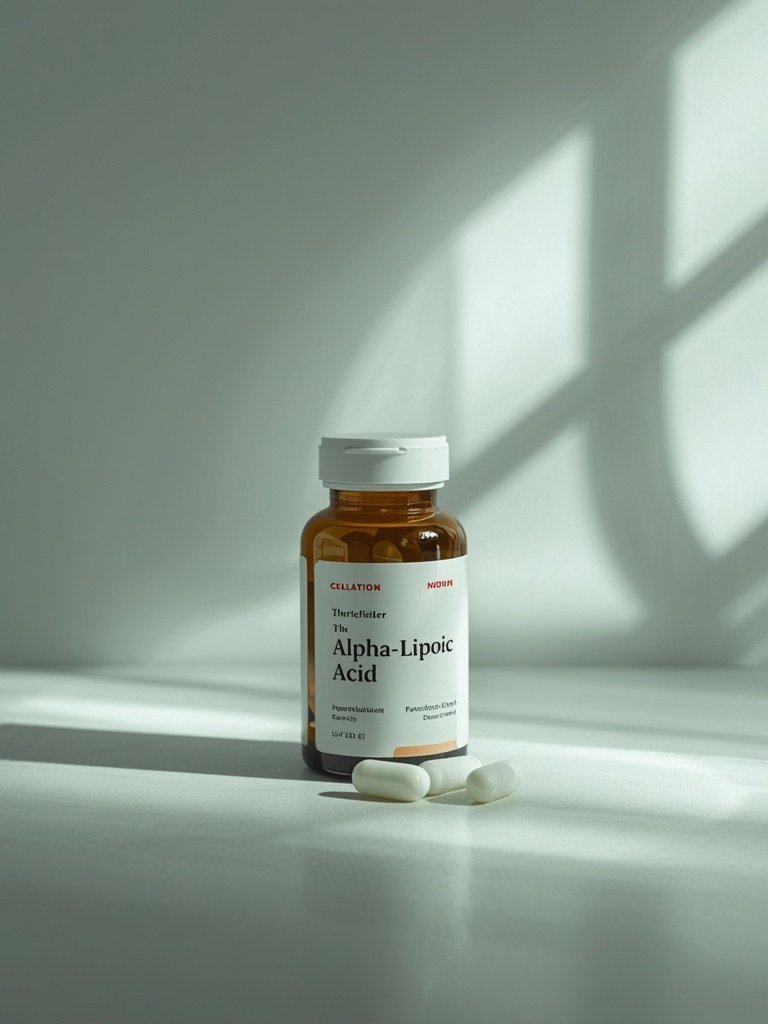
Alpha-lipoic acid – characteristics, biological role, and natural sources in food

Alpha-lipoic acid – characteristics, biological role, and natural sources in food

Alpha-lipoic acid (thioctic acid, ALA) is an organosulfur compound occupying a unique niche as both an essential mitochondrial catalytic cofactor and a versatile amphiphilic antioxidant. Soluble across lipid bilayers and aqueous intracellular domains, it neutralizes reactive oxygen species and coordinates the regeneration of vitamins C, E, and glutathione. This comprehensive review details its structural biochemistry, metabolic functions, and the divergence between dietary intake and pharmacological supplementation.


Folic acid (Vitamin B9): importance for health, deficiency symptoms, risk of excess, and dietary sources

Folic acid (Vitamin B9): importance for health, deficiency symptoms, risk of excess, and dietary sources

Vitamin B9, encompassing naturally occurring folates and synthetic folic acid, is an essential water-soluble B-complex vitamin central to hematopoiesis, cardiovascular protection, and genomic stability. Severe deficiency precipitates macrocytic megaloblastic anemia, elevated circulating homocysteine, and cognitive decline. This comprehensive monograph details its systemic physiology, diagnostic criteria for deficiency and excess, and optimal dietary and supplemental sources.

Sourdough starter fermented drink vs. sugary soft drinks during heatwaves: hydration mechanisms and health benefits

Sourdough starter fermented drink vs. sugary soft drinks during heatwaves: hydration mechanisms and health benefits

During intense summer heatwaves, individuals frequently turn to ice-cold commercial sodas—unwittingly impairing cellular hydration and provoking insulin spikes. In contrast, authentic fermented sourdough kvass represents a physiologically superior rehydration beverage. Formed via mixed lactic-alcoholic fermentation, its optimal osmolality, organic acids, and bioavailable electrolyte matrix restore fluid-electrolyte equilibrium while fortifying intestinal integrity. This monograph examines comparative cellular hydration kinetics, gut microbiome modulation, and traditional brewing.

The Role of Thioctic Acid in the Treatment of Hyperglycemia Complications – Molecular Mechanisms, Dosing, and Clinical Efficacy

The Role of Thioctic Acid in the Treatment of Hyperglycemia Complications – Molecular Mechanisms, Dosing, and Clinical Efficacy

Chronic hyperglycemia in diabetes mellitus triggers pervasive oxidative stress, microvascular degeneration, and debilitating neuropathic complications, most prominently diabetic sensorimotor polyneuropathy. Thioctic acid (alpha-lipoic acid), functioning as a catalytic cofactor in mitochondrial multienzyme complexes and a versatile antioxidant, represents a premier pathogenetically oriented therapy. This comprehensive review examines its molecular pathways, evidence-based dosing regimens derived from landmark trials (ALADIN, SYDNEY), and clinical tolerability.

Alpha-lipoic acid: available preparations, potential side effects, and market price analysis

Alpha-lipoic acid: available preparations, potential side effects, and market price analysis

Alpha-lipoic acid (thioctic acid, ALA) plays a pivotal role in cellular bioenergetics and serves as an established adjunctive therapeutic agent in metabolic disorders, including type 2 diabetes mellitus, insulin resistance, and diabetic polyneuropathy. Functioning as a unique amphiphilic antioxidant, it protects both lipid membranes and aqueous intracellular compartments. This comprehensive guide reviews clinical efficacy, safety profiles, contraindications, pharmaceutical formulations, and market availability.

Alpha-lipoic acid (ALA) – mechanisms of action, mitochondrial role, antioxidant regeneration, and clinical application

Alpha-lipoic acid (ALA) – mechanisms of action, mitochondrial role, antioxidant regeneration, and clinical application

Alpha-lipoic acid (1,2-dithiolane-3-pentanoic acid, thioctic acid; ALA) is an extraordinary organosulfur compound possessing singular biochemical attributes. Originally misclassified as a vitamin, it is synthesized endogenously in minute concentrations within mammalian mitochondria. In scientific literature, it is universally celebrated as the 'universal antioxidant' due to its amphiphilic solvency—dissolving seamlessly in both aqueous and lipid cellular compartments. This unique trait allows ALA to effortlessly cross the blood-brain barrier and protect cytosol, organelles, and plasma membranes from oxidative destruction. Beyond direct radical neutralization, ALA functions as an obligatory catalytic cofactor in mitochondrial multienzyme complexes driving cellular ATP generation and coordinates the recycling of glutathione, ascorbic acid, and alpha-tocopherol. This monograph reviews ALA biochemistry, enantiomeric distinctions (R-ALA vs racemic RS-ALA), clinical utility in diabetic polyneuropathy, and evidence-based supplementation.

Alpha-linolenic acid (ALA) – key health benefits, biochemical pathways, and the role of plant-based omega-3

Alpha-linolenic acid (ALA) – key health benefits, biochemical pathways, and the role of plant-based omega-3

Alpha-linolenic acid (ALA; 18:3, n-3) is an eighteen-carbon polyunsaturated fatty acid holding indispensable biological rank within the omega-3 family. Because mammalian cells lack the specific delta-12 and delta-15 desaturase enzymes required to insert double bonds toward the methyl end of carbon chains, ALA represents a strictly essential fatty acid (EFA) that must be obtained exogenously through diet. Beyond serving as the biological parent precursor to long-chain eicosapentaenoic acid (EPA) and docosahexaenoic acid (DHA), ALA exerts autonomous, potent cardioprotective, anti-arrhythmic, anti-inflammatory, and neurovascular benefits. This comprehensive scientific synthesis explores ALA biochemistry, enzymatic conversion kinetics, cardiovascular risk modulation, and optimal plant-based dietary sources.

Tombak's Lemon Cure: Biochemical Analysis, Detoxification Myths, and Evidence-Based Medicine (EBM) Recommendations

Tombak's Lemon Cure: Biochemical Analysis, Detoxification Myths, and Evidence-Based Medicine (EBM) Recommendations

The aggressive lemon juice regimen popularized by natural health author Mikhail Tombak represents one of the most controversial alternative wellness protocols. The regimen dictates consuming staggering volumes of pure, unadulterated lemon juice—ranging from 30 lemons over 10 days in its preventative format, up to an extreme 200 lemons across 12 days in its purported 'therapeutic' tier. Proponents claim miraculous therapeutic benefits: dissolving calcified deposits, flushing uric acid crystals, clearing kidney stones, and achieving total bodily alkalinization. From the standpoint of contemporary gastroenterology, nephrology, and restorative dentistry, however, megadose citrus consumption poses substantial clinical hazards. This evidence-based critique examines citrus biochemistry, deconstructs alternative detoxification fallacies, and outlines safe, sustainable nutritional strategies.

Xylitol – properties, expert opinions, and metabolic profile: a scientific analysis and practical tips

Xylitol – properties, expert opinions, and metabolic profile: a scientific analysis and practical tips

Modern clinical nutrition and food science offer numerous alternatives to sucrose, among which xylitol (E967) – a five-carbon polyol with unique metabolic properties – holds a prominent position. Featuring a low glycemic index (GI = 7–13), 40% fewer calories than table sugar, and clinically substantiated anti-cariogenic efficacy, xylitol represents a potent functional sweetener. A thorough analysis of metabolic pathways, gastrointestinal tolerance, culinary applications, and vital canine safety considerations.

Xylitol: analysis of benefits and potential risks and comparison of sources (birch vs corn)

Xylitol: analysis of benefits and potential risks and comparison of sources (birch vs corn)

Xylitol represents one of the most thoroughly investigated functional polyols in nutritional medicine. Combining a 40% caloric deficit relative to table sucrose with a negligible glycemic footprint (GI ~7–13) and robust anti-cariogenic efficacy, it delivers substantial metabolic benefits. Nonetheless, clinical questions regarding gastrointestinal tolerance thresholds, FODMAP status, and source extraction methods (traditional birch wood vs. agricultural corn cobs) frequently arise. This comprehensive article presents an objective benefit-risk analysis and compares industrial production pathways regarding purity, environmental footprint, and cost.

Xylitol (birch sugar): nutritional profile, dental protection, and practical use in the kitchen

Xylitol (birch sugar): nutritional profile, dental protection, and practical use in the kitchen

Among functional sugar substitutes, xylitol (birch sugar) occupies a premier standing in clinical dietetics. Crystalline xylitol mirrors table sucrose in appearance and sweetness intensity while providing approximately 40% fewer calories. Metabolized largely independently of insulin, it represents a valuable tool in diabetic nutrition, while its anti-cariogenic efficacy is celebrated by dental authorities worldwide. This article provides a comprehensive evaluation of its nutritional profile, metabolic fate, gastrointestinal tolerance limits, and practical baking properties.

Xenobiotics in the human body: exposure sources, hepatic biotransformation, and detoxification

Xenobiotics in the human body: exposure sources, hepatic biotransformation, and detoxification

In contemporary industrial environments, humans face chronic exposure to thousands of synthetic exogenous chemical compounds foreign to biological systems—collectively designated as xenobiotics. These include pharmaceuticals, synthetic pesticides, microplastics, endocrine-disrupting phthalates, and industrial heavy metals. To avert catastrophic intracellular bioaccumulation in adipose tissue and vital organs, the body relies upon an intricate hepatic biotransformation network (Phase I, Phase II, and Phase III antiporter systems). This article examines exposure vectors, cellular metabolic transformations, and nutritional interventions supporting physiological detoxification.

High-Fat Diet - Recipes, Meal Plans, and Weight Loss Strategies

High-Fat Diet - Recipes, Meal Plans, and Weight Loss Strategies

As nutritional and metabolic science has advanced, a variety of diets have been developed that claim to be healthy or even therapeutic. However, scientific statements without proper context frequently fail to demonstrate their true effectiveness in practice, much like weight loss diets. This article explores the principles of a high-fat diet, provides practical recipes and a meal plan, and discusses its role in weight loss to foster a comprehensive understanding.

Diet to support kidney function and remove harmful substances from the body

Diet to support kidney function and remove harmful substances from the body

The kidneys play a vital role in eliminating harmful substances from the body. Their primary function is to filter the blood, remove metabolic byproducts, and maintain fluid balance. Filtered components are excreted through urine. Without proper nutrition and regular detoxification, toxins can accumulate, impairing kidney, liver, and overall system function. This may lead to kidney stone formation and other health complications. A targeted dietary approach can significantly support kidney function and contribute to effective detoxification, minimizing the risk of complications.

The right diet to speed up metabolism – Effective products and principles supporting metabolism

The right diet to speed up metabolism – Effective products and principles supporting metabolism

In contemporary society, there is an overwhelming expectation to achieve a fit physique, resulting in frequent exposure to advertisements for products that claim to instantly accelerate metabolic processes. However, clinical nutrition teaches us that sustainably enhancing metabolic rate requires a comprehensive understanding of human physiology and balanced dietary habits rather than quick fixes.

Diets for type 1 and type 2 diabetes don't have to be monotonous!

Diets for type 1 and type 2 diabetes don't have to be monotonous!

Cells in the body demand energy derived from glucose metabolism. In a healthy metabolic system, excess glucose is stored in the liver and used during fasting periods. The hormone insulin, synthesized in the pancreas by β cells, is pivotal in this process. This hormone is vital for cells to uptake glucose from the bloodstream. In the absence of insulin, cells are unable to perform their functions properly.

Nutrition after the age of 40 - dietary strategy, recipes. What is the optimal approach to weight loss after turning 40?

Nutrition after the age of 40 - dietary strategy, recipes. What is the optimal approach to weight loss after turning 40?

Balanced nutrition, regardless of age, requires mindful choices to sustain optimal health, which is particularly relevant for individuals over 40. During this life stage, the body undergoes specific metabolic shifts that necessitate dietary adjustments. However, diet alone is not the sole determinant of health - a holistic lifestyle incorporating diverse aspects of daily wellness is equally vital.

Low-Protein Diet: Allowed and Forbidden Foods for Kidney and Liver Diseases

Low-Protein Diet: Allowed and Forbidden Foods for Kidney and Liver Diseases

A low-protein diet is a specialized clinical nutrition therapy prescribed primarily for chronic kidney disease and advanced hepatic dysfunction. By restricting protein intake to precise physiological requirements, the accumulation of toxic nitrogenous waste products like urea and ammonia is minimized. Explore key principles, allowed foods, and essential precautions.

High-fat and high-protein diet in epilepsy therapy: recommendations and indications

High-fat and high-protein diet in epilepsy therapy: recommendations and indications

The ketogenic diet represents a specialized high-fat and high-protein nutritional approach used for individuals with drug-resistant epilepsy (particularly in children) and certain congenital metabolic disorders. With proper medical supervision and targeted nutrient supplementation, this dietary regimen can yield substantial health benefits. The mechanism of action relies on intricate metabolic pathways, making it essential to thoroughly understand both the potential risks and advantages before implementation.

Is a diet for people with metabolic disorders effective - what products should be introduced to the menu, and which should be excluded?

Is a diet for people with metabolic disorders effective - what products should be introduced to the menu, and which should be excluded?

Circulatory system disorders are the primary cause of mortality in Poland and a serious health concern in developed countries. A key factor contributing to their development is metabolic syndrome, which significantly elevates the risk of these conditions.

Diane Kress' Nutrition Program - "Wonderful Metabolic Transformation"

Diane Kress' Nutrition Program - "Wonderful Metabolic Transformation"

Metabolism is a process that characterizes every living being. It differs from person to person, even within the same family. Therefore, what is beneficial for one family member may be unsuitable for another. Diane Kress, the creator of the 'Metabolic Miracle' program, has identified two types of metabolism: A and B. Is it worth trying to determine one's metabolic type and start the revolutionary nutritional program that can change our life?

Diet for people with diabetes - what to eat and what to avoid

Diet for people with diabetes - what to eat and what to avoid

Type 2 diabetes is a long-term condition caused by metabolic disturbances. It represents a substantial burden on healthcare systems in developed countries. Alarmingly, nearly half of those affected remain unaware of their condition. This scenario is concerning because early identification of diabetes risk factors and prompt intervention could prevent or delay the disease's onset.

How to restore liver function after excessive alcohol consumption? A dietary program supporting liver regeneration

How to restore liver function after excessive alcohol consumption? A dietary program supporting liver regeneration

Alcohol, being one of the most harmful psychoactive substances, can lead to addiction and metabolic disorders [1]. As with most consumed substances, its detrimental effects depend on the dosage and frequency of intake. However, it is crucial to recognize that certain individuals may be more susceptible to addiction and metabolic disturbances, which can result in severe health implications.

What should not be eaten during pregnancy? Forbidden herbs during pregnancy

What should not be eaten during pregnancy? Forbidden herbs during pregnancy

Pregnancy is a very important time for a woman, as a new life develops in her body. However, it is also a time when the woman should pay particular attention to her health, as the process of metabolic programming begins in fetal development, and the diet of the future mother plays a crucial role in the development of the baby both now and in the future.

Share