






Goals and Transformation • CLINICAL PROTOCOL

Metabolic Transformation

Personalized, evidence-based nutrition guidelines (EBM) dedicated to Metabolic Transformation. Balanced macronutrients, micronutrition, and elimination of pro-inflammatory factors.

Metabolic Transformation
HOW TO START

It's Easy to Start Today!

Eat Healthy

Precisely selected nutrients supporting metabolic balance and tissue regeneration.

Workout Hard

Physical activity safely tailored to your clinical conditions and baseline endurance.

Enjoy Your Life

Psychoemotional balance, restful sleep, and stress reduction as indispensable pillars of recovery.

SERVICES & PROTOCOLS
Personal Health Program

Personal Health Program

Dedicated medical nutrition therapy and dietary protocols for Metabolic Transformation.

Personal Fitness Trainer

Personal Fitness Trainer

Tailored workout plan and physical exercise supporting therapy.

Wellness Counseling

Wellness Counseling

Specialist support and continuous monitoring of health progress.

Diet Programs

Diet Programs

Precise calculation of BMR, TDEE, and micronutrient balance.

Refreshing Citrus Background
FREE RECOMMENDATIONS

Change Your Health in One Day!

Special Program for Sensitive Nutrition
POPULAR PROGRAMS & CLINICAL PROTOCOLS

Special Program for Sensitive Nutrition

Individually formulated nutrition protocols for individuals managing specific metabolic and allergic requirements in Metabolic Transformation.

Allergen exclusion, gut microbiota support, and optimization of carbohydrate-lipid metabolism.

8
Programs
161
Happy Customers
7
Awards
117
Success Stories

Other Groups in Category: Goals and Transformation

Articles and Guides in — Metabolic Transformation

Publications, recommendations, and clinical analysis in Metabolic Transformation

30 publications
What to eat in the evening: list of recommended and forbidden foods for dinner – rules for healthy eating before sleep

What to eat in the evening: list of recommended and forbidden foods for dinner – rules for healthy eating before sleep

Dinner is arguably surrounded by more persistent nutritional myths than any other daily meal—ranging from arbitrary curfews such as never eating after 6:00 PM to severe nocturnal fasts that inevitably prompt midnight refrigerator binges. Chronobiology and metabolic science conclusively demonstrate that what matters most is not an inflexible clock time, but macronutrient balance and digestibility relative to bedtime. A well-planned dinner supports overnight cellular repair, facilitates melatonin synthesis, stabilizes nocturnal glycemia, and avoids gastrointestinal strain for deep restorative sleep.


Aromatic culinary additions that revolutionize the taste of dishes and effectively replace salt in the daily diet

Aromatic culinary additions that revolutionize the taste of dishes and effectively replace salt in the daily diet

Table salt is universally embraced as a culinary flavor enhancer, yet excessive dietary sodium represents a primary clinical driver of hypertension, cerebrovascular accidents, and renal dysfunction. While the World Health Organization (WHO) urges limiting sodium intake to under 5 g of salt daily, the modern diet routinely delivers double this threshold. Slashing sodium never requires resigning oneself to bland, tasteless meals. Utilizing aromatic culinary herbs, pungent roots, citrus zests, and umami-rich natural spices unlocks intricate gastronomic dimensions, elevating everyday dining while safeguarding cardiovascular health.

Psychodietetics: The key role of the mind in transforming physique, health, and lifestyle

Psychodietetics: The key role of the mind in transforming physique, health, and lifestyle

Authentic and lasting bodily transformation originates within our cognitive mindset rather than solely on the dinner plate. Psychodietetics demonstrates that sustainable lifestyle behaviors are the direct consequence of emotional regulation, cognitive reframing, and somatic self-respect. Transcending rigid dietary paradigms to address underlying psychological drivers permanently dismantles food obsession and fosters resilient, enduring wellness.

Food articles and nutritional errors that slow down metabolic rate – myths vs. scientific facts

Food articles and nutritional errors that slow down metabolic rate – myths vs. scientific facts

The concept of a sluggish metabolism is among the most widespread concerns cited by individuals experiencing difficulty in body fat reduction. Countless pseudoscientific myths permeate discussions surrounding metabolic velocity. Modern exercise physiology and indirect calorimetry research conclusively establish that while individual foods do not magically freeze metabolic machinery, specific nutritional habits, micronutrient deficiencies, and ultra-processed diets can dramatically depress the Thermic Effect of Food (TEF), disrupt thyroid hormone conversion, and precipitate lean muscle catabolism.

Psychological consequences of restrictive dieting: mood disorders, calorie obsession, and adaptation mechanisms

Psychological consequences of restrictive dieting: mood disorders, calorie obsession, and adaptation mechanisms

Contemporary diet culture relentlessly glorifies severe caloric restriction and dogmatic elimination of entire macronutrient groups as the purported path to health and aesthetics. However, clinical evidence and neuropsychological research demonstrate that chronic dietary deprivation exerts devastating consequences on mental equilibrium. Severe nutritional restriction destabilizes essential neurotransmitters, provokes relentless obsessive food ideation, drives social alienation, and frequently sparks full-blown eating disorders, including orthorexia nervosa, bulimia, and binge eating disorder.

Chronic pancreatitis – characteristic symptoms, treatment, and dietary recommendations

Chronic pancreatitis – characteristic symptoms, treatment, and dietary recommendations

Chronic pancreatitis (CP) is an insidious, irreversible inflammatory disease characterized by progressive parenchymal destruction, progressive fibrosis, and loss of both exocrine (digestive enzyme-secreting acinar cells) and endocrine (islets of Langerhans producing insulin and glucagon) compartments. In developed nations, chronic alcohol abuse compounded by heavy cigarette smoking represents the predominant etiology, alongside genetic mutations (PRSS1, CFTR, SPINK1), ductal obstruction, and autoimmune mechanisms. The disease severely compromises quality of life due to debilitating abdominal pain, maldigestion, profound malnutrition, and pancreatogenic diabetes, necessitating structured gastroenterological and clinical nutritional interventions.

Premature graying of hair – causes, therapeutic methods, and preventive strategies in the context of health and genetics

Premature graying of hair – causes, therapeutic methods, and preventive strategies in the context of health and genetics

Hair graying is an intrinsic biological process governed by age-related depletion of melanocyte stem cells and declining melanin synthesis within hair follicles. However, when gray hair emerges before age 20 in Caucasians or before age 30 in individuals of African descent, it is clinically termed premature canities. While genetic predisposition represents the primary driver, early depigmentation often serves as an indicator of systemic oxidative stress, critical micronutrient deficiencies, thyroid disorders, or underlying autoimmune conditions that warrant clinical evaluation.

Aids for weight control in the context of contemporary health challenges

Aids for weight control in the context of contemporary health challenges

The global pandemic of overweight and obesity represents one of the paramount public health crises of the twenty-first century, fueling an expansive commercial market for dietary weight-loss supplements. An immense volume of misinformation surrounds these products, with aggressive marketing campaigns frequently promising effortless fat loss devoid of behavioral or lifestyle modifications. Conversely, evidence-based dietetics and clinical pharmacology strictly contextualize these agents: they can serve solely as modest adjunctive tools to enhance satiety, support diet-induced thermogenesis, or modulate fluid homeostasis. This article delivers a rigorous, evidence-based evaluation of premier non-pharmacological weight management aids—spanning functional dietary fibers, natural thermogenic compounds, and botanical infusions—scrutinizing their physiological mechanisms, clinical efficacy, and safety parameters.

Hypermagnesemia – how to recognize magnesium excess and what dangers it poses to the body

Hypermagnesemia – how to recognize magnesium excess and what dangers it poses to the body

Magnesium serves as one of the fundamental intracellular divalent cations within the human body, acting as an indispensable cofactor for upwards of three hundred enzymatic reactions, including nucleic acid synthesis, neuromuscular transmission, and cardiac rhythm regulation. Public awareness is overwhelmingly preoccupied with the hazards of magnesium deficiency, prompting widespread, unmonitored consumption of high-dose oral supplements. Conversely, the reciprocal pathology—hypermagnesemia, defined as serum magnesium concentrations exceeding physiological thresholds—represents an acute, potentially catastrophic clinical emergency. This comprehensive article delineates the pathophysiology of magnesium retention, categorizes clinical manifestations across increasing serum levels, and establishes evidence-based protocols for medical intervention and safe supplementation.

Biological aspects of aging: How can dietary modification influence the rate of age-related changes?

Biological aspects of aging: How can dietary modification influence the rate of age-related changes?

Aging constitutes an inevitable, multistage physiological process characterized by the progressive deterioration of cellular, tissue, and systemic functions within the human body. Over time, there is a observable decline in reparative mechanisms, heightened vulnerability to metabolic dysfunctions, and chronic diseases—factors that collectively contribute to reduced physical, cognitive, and emotional capacity. A comprehensive grasp of these phenomena may pave the way for interventions aimed at mitigating the adverse consequences associated with the passage of time.

Dangers resulting from metabolic disorders – recognize the risks hidden in this process!

Dangers resulting from metabolic disorders – recognize the risks hidden in this process!

Metabolic processes may exhibit considerable variability—at times operating with peak efficiency, while at others demonstrating marked deceleration. Nutrition specialists emphasize that as we age, a gradual reduction in food intake becomes necessary to maintain the body’s energy balance. Scientific research findings indicate that beginning at age 30, caloric requirements diminish by an average of approximately 50 kilocalories per five-year interval, a shift that, if unaccounted for in dietary habits, may result in uncontrolled adipose tissue accumulation and associated metabolic complications.

Iron deficiency in the children's diet – mechanisms of development, warning signs, and nutritional strategies supporting optimal intake of this key micronutrient

Iron deficiency in the children's diet – mechanisms of development, warning signs, and nutritional strategies supporting optimal intake of this key micronutrient

Iron constitutes an indispensable component in the developmental and metabolic processes of a child’s body, serving as a critical constituent of hemoglobin—the protein tasked with oxygen delivery to tissues. The body’s reserves of this trace mineral, stored as compounds such as ferritin (in the liver and spleen) and hemosiderin (in bone marrow), act as a safeguard during periods of elevated demand. Persistent or untreated iron deficiency may precipitate severe complications, including cognitive impairment and compromised immune function. Consequently, the deliberate design of a child’s diet—prioritizing iron-rich foods and enhancing their absorption through strategic nutrient pairings—represents a cornerstone of preventive and corrective nutritional strategies.

Toxic and unhealthy substances in sweetened carbonated drinks – ingredient analysis

Toxic and unhealthy substances in sweetened carbonated drinks – ingredient analysis

High-sugar carbonated beverages have long been recognized as products with demonstrably harmful effects on human health, contributing to the development of numerous metabolic and systemic disorders. Their formulation relies on a combination of intensely sweetening agents, preservatives, and synthetic colorants—substances that, despite their widespread use in the food industry, raise legitimate concerns regarding their necessity. Are there scientifically justified reasons why these components continue to dominate the composition of popular beverages, even though healthier alternatives are readily available?

Harmful weight loss methods: how to avoid mistakes in the weight loss process so as not to harm your body

Harmful weight loss methods: how to avoid mistakes in the weight loss process so as not to harm your body

Intentional, systematic body fat reduction yields profound cardiometabolic and physiological dividends when executed sensibly. Unfortunately, the pursuit of rapid aesthetic transformations tempts many individuals into adopting perilous weight-loss strategies—including prolonged starvation, monodiets, and illicit pharmacological agents. Such extreme practices jeopardize vital organ function, trigger severe neuroendocrine collapse, and inevitably culminate in rebound weight regain. This clinical analysis exposes the most hazardous dieting errors and establishes evidence-based protocols for sustainable fat loss.

Calcium deficiency in the body – characteristic symptoms, skin changes, and long-term health effects

Calcium deficiency in the body – characteristic symptoms, skin changes, and long-term health effects

Calcium serves as a foundational element in preserving skeletal structural integrity and muscular functionality, while also participating in critical physiological processes such as neural transmission and blood coagulation. Its chronic deficiency, though frequently asymptomatic in early stages, poses a substantial risk to the body’s homeostatic balance. This condition is no longer confined to the elderly population, where absorption may be compromised due to age-related metabolic shifts, but is increasingly identified among middle-aged adults, adolescents, and even pediatric patients. This article provides a comprehensive examination of hypocalcemia, with particular emphasis on its clinical manifestations—including dermatological alterations—as well as the potential health consequences that may arise in the absence of timely and appropriate therapeutic measures.

Iod metabolism disorders: consequences of deficiency and excess. The role of iodine during the prenatal period and in child development

Iod metabolism disorders: consequences of deficiency and excess. The role of iodine during the prenatal period and in child development

Iodine, an essential trace element for thyroid hormone synthesis, is naturally found in seafood, cruciferous vegetables such as broccoli, cabbage, and Brussels sprouts, as well as in marine aerosols. Due to widespread deficiency, it is routinely added to table salt. However, what are the clinical and metabolic consequences of chronic iodine deficiency or excess? How do these imbalances affect pregnancy outcomes, fetal development, and children’s health across different age groups, considering their physiological requirements and developmental vulnerabilities?

B Vitamin Deficiency – Symptoms, Risks, and Sources of Vitamin B in the Diet

B Vitamin Deficiency – Symptoms, Risks, and Sources of Vitamin B in the Diet

B vitamins are essential organic compounds critical for maintaining the body’s homeostatic balance, including metabolic reactions, neurotransmitter synthesis, and tissue repair mechanisms. The B-vitamin complex is particularly vital for regulating nervous system function, thereby supporting psychological stability and cognitive performance. Inadequate intake of these vitamins may lead to neurological dysfunction, impaired concentration, or depressive disorders. Furthermore, B vitamins are indispensable for cellular energy metabolism, bolstering immune responses and maintaining the integrity of skin and mucosal membranes. Given the significant health risks associated with prolonged deficiencies, it is imperative to recognize symptomatic manifestations and identify dietary sources of these micronutrients to prevent deficiencies effectively.

The Role of Probiotic Supplements in Weight Management, Digestive Disorders, and Immune System Enhancement – Benefits and Potential Side Effects of Bacterial Cultures

The Role of Probiotic Supplements in Weight Management, Digestive Disorders, and Immune System Enhancement – Benefits and Potential Side Effects of Bacterial Cultures

For millennia, cultures worldwide have harnessed the health benefits of fermented foods containing live lactic acid bacteria. It was not until the pioneering research of Russian Nobel laureate Élie Metchnikoff in the early 20th century that the scientific community established a formal link between the consumption of fermented dairy products—particularly those containing the Lactobacillus acidophilus strain—and the remarkable longevity and robust health observed among rural Bulgarian populations. Contemporary research confirms that gut dysbiosis, an imbalance in microbial composition, can contribute to gastrointestinal disturbances such as chronic constipation or recurrent diarrhea, but also exerts broader systemic effects, including compromised immune function and metabolic dysregulation. This principle was presciently articulated in ancient Ayurvedic texts, emphasizing the pivotal role of a balanced intestinal microbiota in sustaining physiological equilibrium, supporting systemic immunity, mucosal digestion, and optimal energy balance.

Specialized probiotic strains supporting intimate flora – a solution for pregnant women and beyond

Specialized probiotic strains supporting intimate flora – a solution for pregnant women and beyond

The female urogenital tract represents a delicate, dynamic ecosystem whose homeostasis is critically dependent on a balanced vaginal microbiome. Dysbiosis disrupts this equilibrium, facilitating overgrowth of pathogenic bacteria and fungi, which precipitates recurrent infections such as bacterial vaginosis and vulvovaginal candidiasis. Clinically validated gynäkologische probiotics restore physiological pH levels, fortify mucosal integrity, and mitigate infection recurrence—particularly during pregnancy or post-antibiotic therapy. This evidence-based review explores the mechanistic rationale, therapeutic delivery modalities, and evidence-supported guidelines for probiotic intervention in gynecological health.

Does food actually contain natural prebiotics? Mechanisms of action and practical applications in human diet

Does food actually contain natural prebiotics? Mechanisms of action and practical applications in human diet

From birth, the human gastrointestinal tract hosts a dynamic ecosystem of gut microbiota, which serves as a critical barrier against pathogens. Prebiotics—non-digestible dietary fibers—selectively stimulate the growth of beneficial bacterial strains, including Bifidobacteria and Faecalibacterium prausnitzii. These compounds, naturally occurring in specific plant-based foods, enhance gut health, modulate metabolic pathways, bolster immune function, and even influence mental well-being through the gut-brain axis. Their strategic incorporation into diets holds both preventive and therapeutic potential.

Inappropriate and complicated weight loss methods: mechanisms, dangers, and health consequences

Inappropriate and complicated weight loss methods: mechanisms, dangers, and health consequences

The phenomenon of cyclical and extreme dietary restriction affects both physically active individuals and those seeking weight loss without structured exercise. Common practices include drastic caloric restriction, highly restrictive elimination diets, or prolonged fasting, all of which often lead to inadequate nutrient intake. While short-term weight loss may occur, these methods pose significant long-term health risks. Frequently, the observed weight loss does not reflect fat reduction but rather water loss, muscle atrophy, or metabolic disturbances. This predisposes individuals to the yo-yo effect and disrupts systemic homeostasis.

Intermittent Fasting – definition, mechanisms of action, and scientific basis of a dietary strategy based on time-restricted food intake

Intermittent Fasting – definition, mechanisms of action, and scientific basis of a dietary strategy based on time-restricted food intake

In an era where evidence-based nutrition and sustainable body composition management dominate health discourse, intermittent fasting (IF) has emerged as one of the most scientifically validated dietary paradigms. Unlike traditional calorie-restrictive diets or macronutrient-exclusion protocols, IF shifts focus to temporal eating patterns, optimizing metabolic flexibility through cyclical feeding and fasting windows. This approach leverages endogenous biochemical pathways—such as ketogenesis, autophagy, and hormonal recalibration—to enhance fat oxidation, cellular repair, and long-term metabolic health. Its clinical relevance spans weight management, metabolic syndrome mitigation, and even neurodegenerative disease prevention, making it a cornerstone of modern nutritional science.

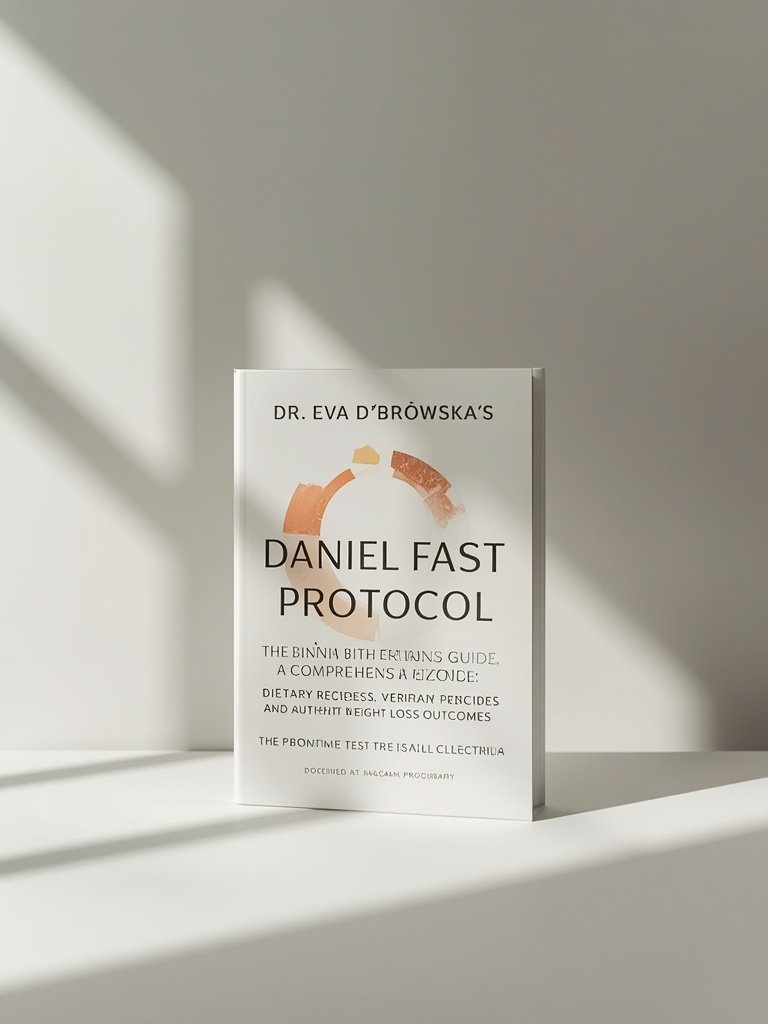
Daniela's Fasting Method by Dr. Ewa Dąbrowska – scientifically justified diet, proven recipes, and realistic weight loss results

Daniela's Fasting Method by Dr. Ewa Dąbrowska – scientifically justified diet, proven recipes, and realistic weight loss results

Dr. Eva Dąbrowska’s Daniel Fast Protocol is a structured nutritional approach rooted in detoxification, fat reduction, and metabolic optimization, drawing inspiration from biblical fasting traditions. This method integrates scientific evidence with ancient healing practices to systematically break down adipose tissue while enhancing the body’s natural detoxification pathways. But how does it work? What are the underlying physiological and biochemical mechanisms, and which specific dietary principles and recipes make this protocol unique? This comprehensive guide explores the evidence-based foundations, practical implementation, and potential health benefits—always with consideration for individual needs and medical guidance.

Bitter orange (Citrus aurantium) – properties, standardization to synephrine, weight loss, and safety profile

Bitter orange (Citrus aurantium) – properties, standardization to synephrine, weight loss, and safety profile

Bitter orange (Citrus aurantium), commonly referred to as Seville orange, is a citrus botanical with an extensive phytochemical profile that has attained prominence in thermogenic and sports supplements. Its primary protoalkaloid is p-synephrine, recognized for stimulating lipolysis and resting metabolic expenditure. How does synephrine interact with adrenergic receptors, what are its documented metabolic benefits and cardiovascular considerations, and what nutritional characteristics define the whole fruit?

Skipping breakfast and late dinners – how meal pattern disturbances lead to metabolic syndrome

Skipping breakfast and late dinners – how meal pattern disturbances lead to metabolic syndrome

Modern fast-paced routines lead millions of individuals to rush through mornings fueled solely by black coffee, shifting primary caloric intake to late evening hours. Groundbreaking research in chrononutrition – the study of metabolic interactions with internal circadian clocks – demonstrates that this pattern severely dysregulates glucose and lipid homeostasis. This monograph explores the pathophysiological underpinnings of metabolic syndrome, hepatic steatosis driven by nocturnal nutrient excess, and circadian-aligned time-restricted feeding protocols.

Indian Pennywort (Coleus forskohlii) – properties of forskolin, effect on metabolism, and safety profile

Indian Pennywort (Coleus forskohlii) – properties of forskolin, effect on metabolism, and safety profile

Indian coleus (Coleus forskohlii or Plectranthus barbatus) is a perennial botanical historically utilized in Ayurvedic medical practice. The primary bioactive constituent concentrated in its tuberous roots is forskolin – a unique diterpene that directly stimulates the adenylate cyclase enzyme, elevating intracellular cyclic AMP (cAMP). This guide examines forskolin's mechanisms in adipose tissue lipolysis, cardiovascular hemodynamics, as well as critical safety cautions and drug interactions.

Key criteria for selecting food items from a dietary and health perspective

Key criteria for selecting food items from a dietary and health perspective

The contemporary food environment is saturated with ultra-processed formulations whose commercial marketing frequently obscures poor nutritional quality. This dietary guide provides practical criteria for selecting nutrient-dense whole foods, evaluating food additives, deciphering certification labels, and reading ingredient statements effectively.

Basal, post-absorptive, and total metabolism: strategies for optimizing energy expenditure

Basal, post-absorptive, and total metabolism: strategies for optimizing energy expenditure

Understanding the fundamental components of daily energy expenditure is the cornerstone of evidence-based nutritional programming, whether for fat loss or lean muscle hypertrophy. Total energy balance comprises basal metabolic rate (BMR), non-basal expenditure, and total daily energy expenditure (TDEE). Which physiological variables dictate metabolic pace, and how can energy expenditure be sustainably optimized across different life stages?

Basic principles, four phases, and safety assessment of the nutritional system according to the Duncan method

Basic principles, four phases, and safety assessment of the nutritional system according to the Duncan method

The Dukan diet represents a high-protein, low-carbohydrate nutritional protocol that achieved global renown. Structured into four sequential stages, it aims to produce rapid initial fat loss followed by progressive stabilization. This guide examines the physiological mechanisms underlying each phase, the functional role of oat bran and hydration, and clinical considerations regarding renal strain, micronutrient balance, and metabolic safety.

Share