WELCOME & NUTRITION SUPPORT

Meal Plans and Diets

It's a familiar story: You pledge to honor a daily elliptical routine and count every last calorie. But soon, you're eating cupcakes at the office and grabbing happy hour drinks, thinking, 'Oops, diet over.'

I've helped people exactly like you – smart, ambitious, put together – figure out the one thing that eludes them: Their ideal weight and long-term metabolic health. If you're like lots of people I help, you don't like restrictive rules, feel tired often, have tried working out and cutting calories, but need a truly sustainable clinical approach.

Fresh organic green produce in heart shape
HOW TO START

It's Easy to Start Today!

Eat Healthy

Eating habits should be regulated and controlled – only natural organic food will make our body healthy and strong.

Workout Hard

Diet is not the only ingredient of a long happy life. Physical exercise is also important for your health and vitality.

Enjoy Your Life

See how your life becomes a pleasant adventure, full of bright colors and fun activities with sustainable energy.

SERVICES
Personal Health Program

Personal Health Program

It does not matter if you want to lose weight, build lean muscle, or simply improve overall longevity and vitality.

Personal Fitness Trainer

Personal Fitness Trainer

A professional personal training and activity program created specifically with you and your individual goals.

Wellness Counseling

Wellness Counseling

We will be focused and working with you privately every step of the way to achieve permanent habit changes.

Diet Programs

Diet Programs

Healthy eating is one of the best things you can do to prevent and manage chronic health and metabolic problems.

Refreshing Citrus Background
FREE RECOMMENDATIONS

Change Your Health in One Day!

Special Program for Pregnant Women
POPULAR PROGRAMS & CLINICAL PROTOCOLS

Special Program for Pregnant Women

Pregnancy, infancy and early childhood are periods of rapid physiological growth and development. Insufficient nutrition during these critical growth and developmental periods places health and vitality at risk.

As a result, our clinical protocols educate and support pregnant and postpartum women about the importance of balanced micronutrition, gentle exercise, and allergen safety to ensure vibrant health for both mother and child.

8
Programs
161
Happy Customers
7
Awards
117
Success Stories

Subcategories & Topics:

12 areas

Dedicated Articles and Guides

Scientific papers, diet templates, and recommendations in Meal Plans and Diets

30 publications
Flaxseed oil in weight loss. Using flaxseed oil before meals

Flaxseed oil in weight loss. Using flaxseed oil before meals

Cold-pressed flaxseed oil, derived from the seeds of flax (Linum usitatissimum), stands as the undisputed champion among botanical omega-3 sources. Over 50% of its fatty acid matrix comprises essential alpha-linolenic acid (ALA). The traditional practice of ingesting a spoonful of cold flaxseed oil on an empty stomach prior to breakfast is firmly substantiated by nutritional science: it stimulates gastrointestinal motility, promotes gallbladder emptying, triggers satiety hormones, and optimizes hepatic fat oxidation.

Jojoba – a unique plant wax from the Californian simmondsia: characteristics, uses, and price analysis

Jojoba – a unique plant wax from the Californian simmondsia: characteristics, uses, and price analysis

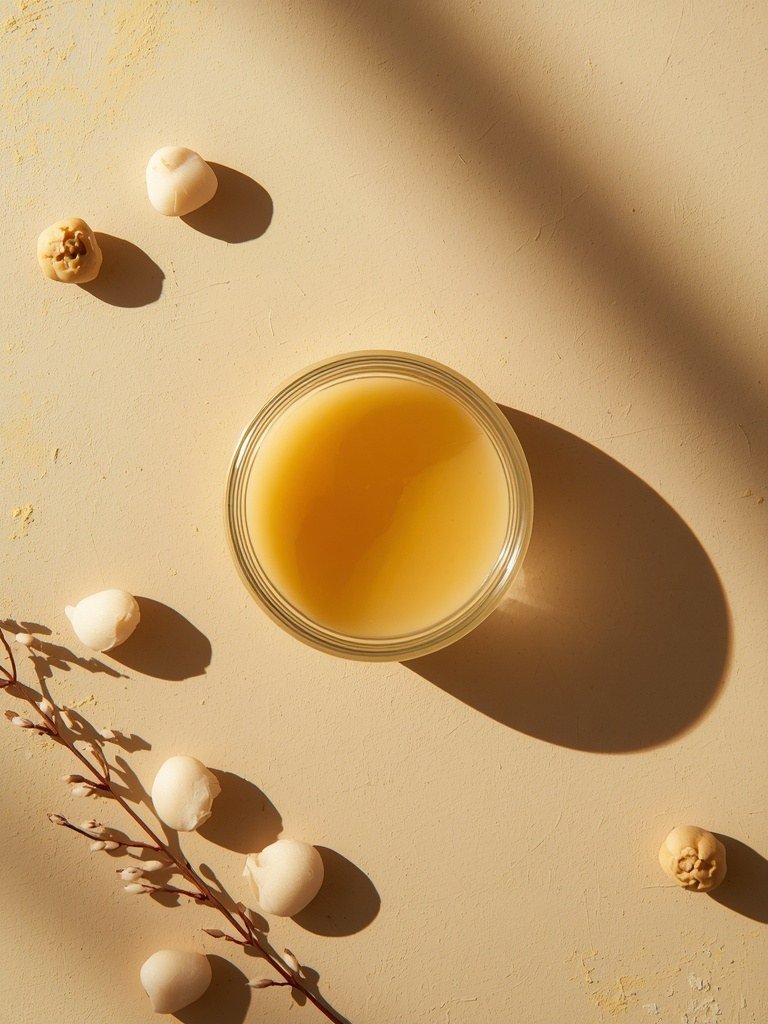
The golden lipid pressed from seeds of the desert shrub Simmondsia chinensis, conventionally marketed as 'jojoba oil', is chemically not a triglyceride fat, but a liquid plant wax. Composed of monounsaturated straight-chain wax esters, its molecular structure closely mimics human cutaneous sebum. This biomimetic profile renders jojoba one of the most versatile, skin-compatible, and stable botanical ingredients in modern clinical dermatology and cosmetic formulation.

Varied forms of plant-based diets: classification of vegetarianism types

Varied forms of plant-based diets: classification of vegetarianism types

Just a few decades ago, abstaining from animal-derived products was widely regarded as a contentious nutritional experiment fraught with the risk of dietary deficiencies—or even as a whimsical choice made by those seeking unconventional lifestyles. Today, however, meat-free diets—and particularly their most stringent iteration, veganism—have transitioned from the fringes of society to mainstream acceptance. Far from being marginalized, they have garnered endorsement from both nutrition professionals and the general public, emerging as one of the defining trends in contemporary culinary culture.This shift in perceptions surrounding plant-based dietary models is all the more striking given that, until recently, the prevailing belief was that animal products were indispensable for maintaining optimal health.

Proper diet and physical activity are the best way to prevent osteoporosis!

Proper diet and physical activity are the best way to prevent osteoporosis!

Osteoporosis, clinically dubbed the 'silent bone thief', is a systemic skeletal metabolic disorder characterized by low bone mineral density (BMD) and microarchitectural deterioration of osseous tissue. It progresses asymptomatically for decades until presenting catastrophically as a low-trauma fragility fracture (typically of the femoral neck, vertebral bodies, or distal radius). Proactive lifestyle interventions combining osteogenic nutrition with mechanical loading represent the most robust preventive shield.

Various varieties of peas and their nutritional properties – a practical guide to preparing and using them in the kitchen

Various varieties of peas and their nutritional properties – a practical guide to preparing and using them in the kitchen

Field pea (Pisum sativum) stands as one of the oldest and nutritionally richest legumes in agricultural history. It serves as an outstanding source of dietary plant protein, complex low-glycemic carbohydrates, resistant starch, B-complex vitamins, and essential minerals including iron, phosphorus, magnesium, and potassium. Meticulous culinary preparation neutralizes antinutrients and optimizes bioavailability for superior gastrointestinal tolerance.

Vegetable and fruit consumption – analysis of benefits, limitations, and impact on the nutritional profile of products in the context of processing and transport

Vegetable and fruit consumption – analysis of benefits, limitations, and impact on the nutritional profile of products in the context of processing and transport

The extensive assortment of vegetables and fruits available on the market empowers consumers to select food items aligned with their personal culinary preferences, financial constraints, and cultural or religious dietary requirements. These products represent an indispensable source of essential micronutrients—including water-soluble and fat-soluble vitamins, bioactive compounds with health-promoting properties, and dietary fiber fractions—whose highest concentrations are typically observed in the outer layers immediately beneath the epidermis or within deeper cellular structures of the pulp.Nevertheless, the global distribution of fresh plant-based commodities frequently necessitates the application of synthetic preservatives or spoilage inhibitors, raising concerns among professionals in the fields of nutrition science, dietetics, and environmental protection. Against this backdrop, a fundamental question emerges: Does the mechanical removal of vegetable and fruit peels prior to consumption genuinely yield greater benefits, or does it instead result in an unwarranted loss of valuable nutritional components?

Dark bread or truly whole grain? Caramel and malt traps, flour types, sourdough, and health contraindications

Dark bread or truly whole grain? Caramel and malt traps, flour types, sourdough, and health contraindications

Consumers routinely purchase deep-brown loaves under the mistaken assumption that dark pigmentation inherently denotes unrefined, nutrient-dense whole-grain bread. In industrial baking reality, dark coloration is frequently an engineered cosmetic deception achieved by tinting refined, bleached white flour with ammonia caramel (E150c), roasted barley malt extracts, or chicory syrups. Authentic whole-grain bread is milled exclusively from whole caryopses incorporating bran, germ, and endosperm (flour extraction types 1850–2000), ideally leavened via traditional lactobacillus sourdough that degrades anti-nutritive phytic acid. This consumer guide dissects label deception, sourdough biochemistry, and clinical gastrointestinal contraindications.

New horizons in phytochemistry: sulforaphane, anthocyanins, senolytic quercetin, and urolithin A in vegetables and fruits

New horizons in phytochemistry: sulforaphane, anthocyanins, senolytic quercetin, and urolithin A in vegetables and fruits

For decades, the nutritional value of plant foods was evaluated strictly through the narrow lens of essential vitamins (ascorbate, beta-carotene, folate) and basic minerals. Contemporary molecular biology and nutritional nutrigenomics have dismantled this reductionist view, uncovering thousands of non-caloric bioactives—polyphenols, glucosinolates, and stilbenoids—that modulate human genomic transcription. These xenohormetic molecules activate master cellular defense operons (Nrf2/ARE), stimulate mitochondrial autophagy (mitophagy via urolithin A), clear dysfunctional senescent cells (senolytics like quercetin and fisetin), and remodel the gut metabolome. This monograph reviews cutting-edge mechanisms redefining plant-based nutrition.

Potential Deficiencies in Plant-Based Diets: Vitamin B12, Iron, Zinc, Calcium, and Omega-3 Fatty Acids (EPA/DHA)

Potential Deficiencies in Plant-Based Diets: Vitamin B12, Iron, Zinc, Calcium, and Omega-3 Fatty Acids (EPA/DHA)

Well-planned vegetarian and vegan diets confer established cardiometabolic benefits, yet complete elimination of animal matrices necessitates vigilant micronutrient architecture. Vitamin B12 (cobalamin), non-heme iron, zinc, calcium, iodine, and long-chain omega-3 fatty acids (EPA and DHA) represent critical nutrients of concern. This clinical guide details physiological bioavailability barriers, phytate-degrading culinary processing techniques, and evidence-based supplementation protocols required for lifelong vitality on plant-based regimens.

Not training? That's like being on a high-fat diet

Not training? That's like being on a high-fat diet

A sedentary lifestyle triggers biochemical adaptations remarkably similar to a diet excessively loaded with saturated fats. During prolonged physical inactivity, the enzymatic activity responsible for hydrolyzing circulating triglycerides in skeletal muscle drops precipitously. This article explains why severe caloric restriction without mechanical stimulus fails and how exercise reprograms lipid clearance.

Rosehip seeds – a hidden source of health that surpasses the fruit itself!

Rosehip seeds – a hidden source of health that surpasses the fruit itself!

While the aromatic fruits of the common quince (Cydonia oblonga) are prized for culinary preserves and vitamin C, their seeds constitute a botanical resource of profound pharmacological potency. Rich in mucilaginous water-soluble polysaccharides, polyphenols, and essential fatty acids, quince seeds deliver proven gastroprotective, antitussive, and wound-healing benefits.

The fundamental flaw of intermittent fasting – why short calorie restrictions can do more harm than good

The fundamental flaw of intermittent fasting – why short calorie restrictions can do more harm than good

Over the past several years, there has been a marked surge in interest surrounding diverse dietary frameworks centered on severe energy intake restriction, frequently marketed under the labels of "cleansing" or "detoxifying" regimens. While these approaches are routinely praised for their purported metabolic benefits and the pervasive myth of "rapid weight loss," their practical implementation carries substantial systemic risks. The present examination focuses on pinpointing the critical deficiency that undermines the efficacy of short-term fasting protocols—a mechanism that is frequently overlooked in mainstream nutritional discourse despite its profound implications for metabolic health.

Hidden sugar in the daily diet: traps in dairy, processed cereals, juices, and 'fit' products

Hidden sugar in the daily diet: traps in dairy, processed cereals, juices, and 'fit' products

The vast majority of excessive sucrose and fructose consumption in contemporary diets does not originate from table sugar, but from ultra-processed formulations marketed as 'fit', 'wholesome', or 'natural'. Recognizing more than 50 nomenclature pseudonyms for hidden sugars and rigorously interpreting nutritional labels shields against hepatic steatosis, insulin resistance, and visceral adiposity.

Is phytotherapy truly an effective therapy based on plant ingredients? Scientific evidence and clinical practice

Is phytotherapy truly an effective therapy based on plant ingredients? Scientific evidence and clinical practice

Phytotherapy, or evidence-based herbal medicine, is undergoing a profound renaissance in modern integrative healthcare. Utilizing cutting-edge analytical methodologies such as high-performance liquid chromatography (HPLC) and DNA barcoding, botanical preparations have evolved from folkloric remedies into rigorous, standardized pharmaceuticals with verified pharmacokinetic and pharmacodynamic profiles.

Liver fluke infection: recognizing symptoms and treatment methods in clinical practice

Liver fluke infection: recognizing symptoms and treatment methods in clinical practice

Fascioliasis is a major foodborne zoonotic trematodiasis caused by the common liver fluke (Fasciola hepatica), which parasitizes the biliary tracts of herbivores and humans. Transmission occurs through ingestion of metacercariae encysted on emergent freshwater aquatic plants (notably wild watercress) or via untreated contaminated surface water. Pathophysiologically, the disease manifests in two distinct stages: an acute hepatic parenchymal migratory phase and a chronic ductal biliary phase. This clinical review outlines life-cycle epidemiology, diagnostic laboratory criteria, and targeted anthelmintic pharmacotherapy.

Soy milk vs. rice milk: nutritional properties and composition of alternative plant-based drinks compared to traditional cow's milk

Soy milk vs. rice milk: nutritional properties and composition of alternative plant-based drinks compared to traditional cow's milk

The continuous growth of the plant-based dairy category presents consumers with diverse substitutes for traditional bovine milk. Among the foundational options are soy milk and rice milk. While both are intrinsically 100% plant-derived and free from lactose and cholesterol, their macronutrient distributions, glycemic indices, protein quality, and allergenicity diverge sharply. This comparative study examines their composition, clinical indications, and functional applications.

Plant-based alternatives to dairy milk: characteristics, diversity, and homemade methods for producing plant-based drinks

Plant-based alternatives to dairy milk: characteristics, diversity, and homemade methods for producing plant-based drinks

Contemporary dietary trends have elevated the prominence of plant-based products—particularly the extensive range of beverages colloquially referred to as "milk"—among consumers adhering to vegan diets, individuals managing lactose intolerance, food allergies, or those seeking healthier substitutes for conventional dairy. However, does the terminology employed—"beverage" versus "milk"—genuinely reflect distinctions in composition, nutritional profiles, or processing techniques? This resource explores the fundamental aspects of classification, properties, and practical guidance for independently preparing plant-derived milk alternatives within a home setting.

Characteristics and composition of sheep whey – does it contain lactose? Analysis of nutritional and comparative properties

Characteristics and composition of sheep whey – does it contain lactose? Analysis of nutritional and comparative properties

Beyond conventional cow’s milk, today’s consumers have access to a diverse array of mammalian milk products, including those derived from sheep, goats, donkeys, and even camels. Additionally, the term "milk" is colloquially extended to plant-based beverages such as those made from soy, oats, rice, or almonds. It is critical to note, however, that the biochemical composition of animal-derived milk varies substantially depending on the source, exhibiting marked differences in protein, fat, carbohydrate, vitamin, and mineral content—factors that significantly influence nutritional value and potential dietary applications.

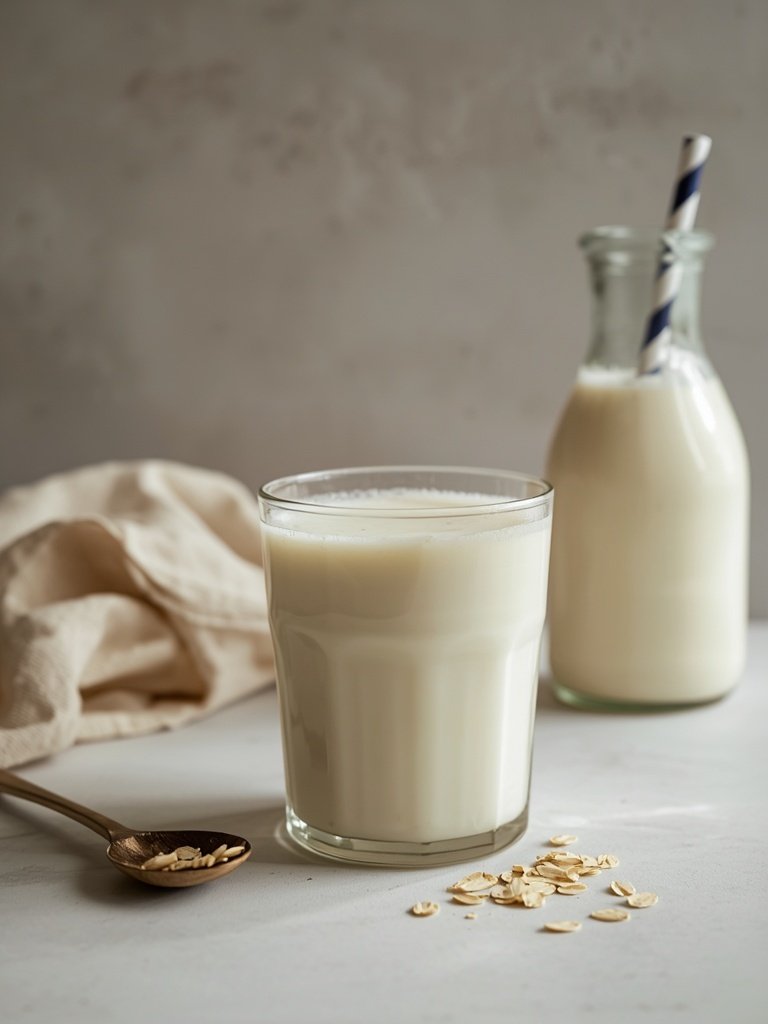
Homemade oat milk: nutritional properties, chemical composition, and a practical guide to making the plant-based drink yourself

Homemade oat milk: nutritional properties, chemical composition, and a practical guide to making the plant-based drink yourself

Oat milk, as a plant-based substitute for conventional dairy products, has seen a steady rise in consumer preference among those seeking healthier or ethically aligned dietary choices. However, commercial versions are frequently priced at a premium far exceeding that of traditional cow’s milk, presenting a significant economic obstacle—particularly for individuals adhering to vegan diets or managing food intolerances. Meanwhile, few are aware that producing this beverage at home not only reduces expenses but also grants complete oversight of the ingredient list, eliminating preservatives, artificial flavorings, and other unnecessary additives.

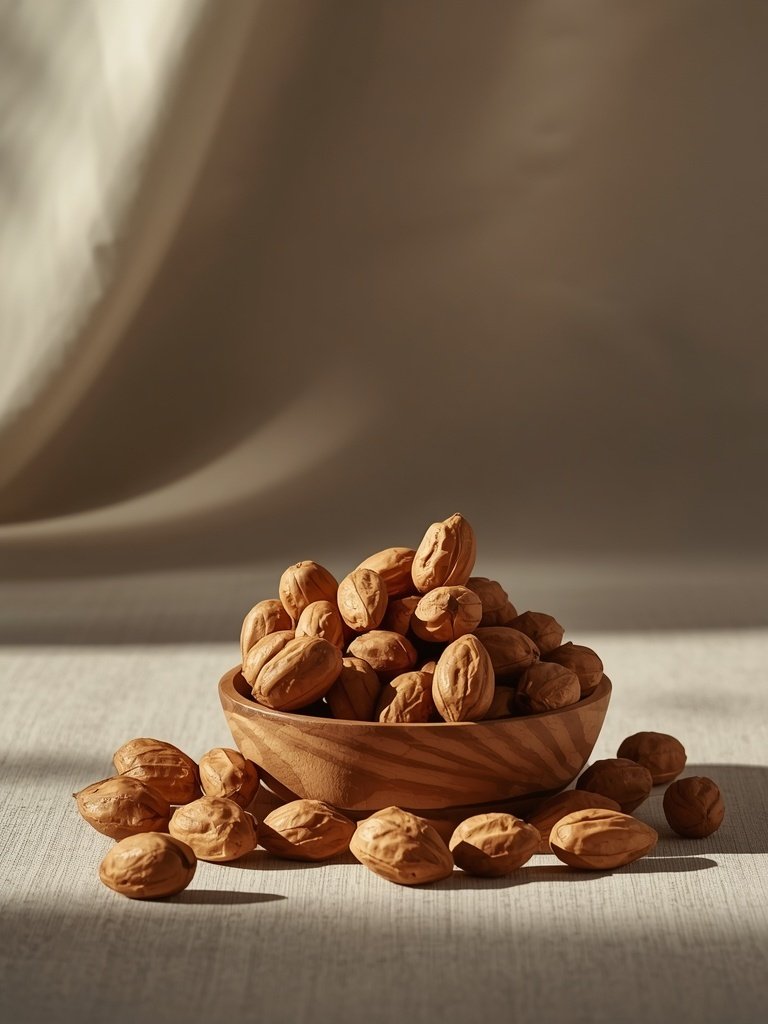
Tiger peanuts – characteristics, nutritional properties, and practical uses in diet and beyond

Tiger peanuts – characteristics, nutritional properties, and practical uses in diet and beyond

The crispy tubers known as peanut almonds—or colloquially as tiger nuts—have served as a dietary staple in Mediterranean regions for millennia, with historical roots tracing back to pharaonic Egypt. Why does contemporary nutritional science categorize these unassuming root vegetables among the most valuable "superfoods"? What specific health advantages arise from their consistent consumption, and in what diverse forms can they be incorporated into everyday meals? Let us delve into the compelling universe of these modest yet exceptionally nutrient-dense plant-based treasures.

Popular and Less Commonly Used Vegetable Oils – Characteristics and Practical Applications in Cooking and Diet

Popular and Less Commonly Used Vegetable Oils – Characteristics and Practical Applications in Cooking and Diet

Culinary oils constitute a category of fats extracted from a diverse array of botanical sources, including seeds, kernels, fruits, and roots. For centuries, they have played a pivotal role in both traditional and contemporary cuisines across the globe. Some of these oils undergo thermal processing during frying or baking, while others are incorporated into cold dishes, dressings, or marinades. Beyond enhancing the flavor and aroma of vegetable, meat, or fish-based meals, their dietary inclusion facilitates the absorption of fat-soluble vitamins—such as A, D, E, and K. Rather than restricting oneself to a handful of widely available options like sunflower oil or extra virgin olive oil, it is advantageous to explore the broad spectrum of alternative oils that can enrich our diets with unique nutritional compounds and health-promoting properties.

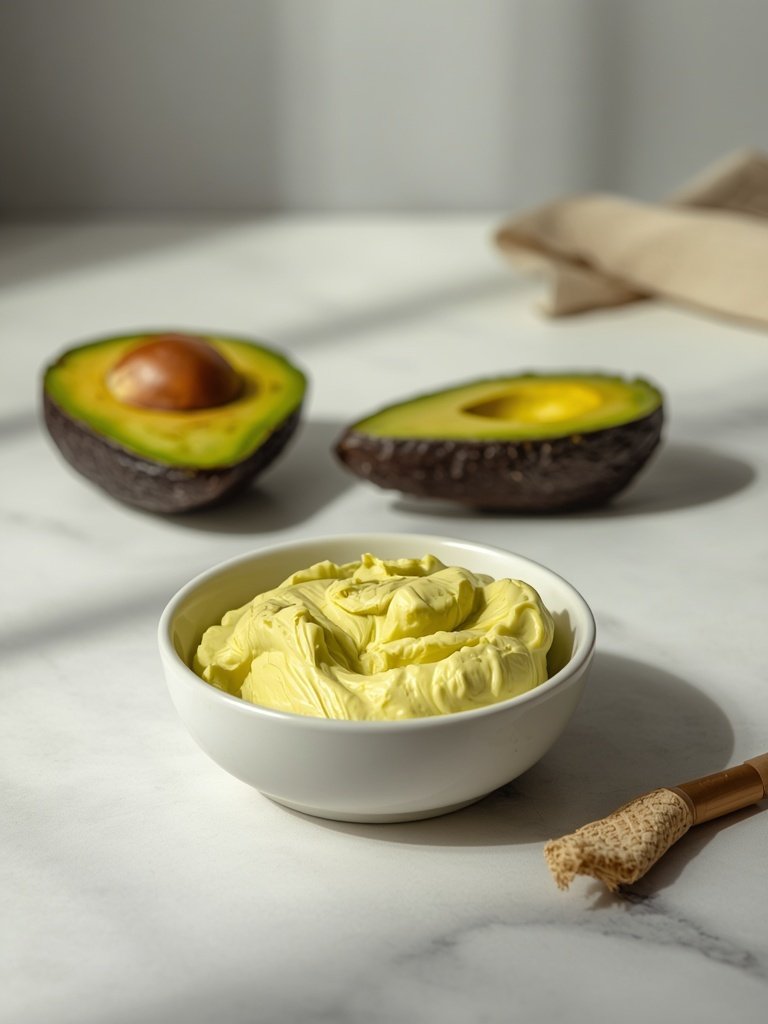
Is this really avocado butter instead of the classic one? A guide to making avocado butter at home

Is this really avocado butter instead of the classic one? A guide to making avocado butter at home

The avocado constitutes the fruit of the *Persea americana* tree, which originates from the geographical regions of Mexico and Central America. It is distinguished by its elongated, pear-like shape, featuring an outer skin with a greenish hue and an inner flesh of a creamy, yellowish texture that surrounds a single, relatively large seed. The maturation process of this fruit extends beyond six months, rendering it unique among tropical fruits. Owing to its substantial fat content—primarily composed of monounsaturated fatty acids such as oleic acid—avocado represents an exceptionally energy-dense food source, providing approximately 237 kilocalories per fruit on average. In terms of nutritional composition, it stands out for its elevated levels of essential micronutrients, including potassium, magnesium, a comprehensive range of B vitamins, and vitamin E, which exhibits antioxidant properties. Furthermore, avocado serves as a natural reservoir of glutathione—a potent antioxidant that facilitates bodily detoxification—as well as phytosterols, plant-based compounds credited with the capacity to reduce total cholesterol levels and the harmful LDL cholesterol fraction in the bloodstream. The fatty acid profile of this fruit encompasses not only the predominant oleic acid but also modest quantities of linoleic acid (a polyunsaturated fatty acid) and trace amounts of saturated fatty acids, thereby establishing it as a product with a balanced lipid composition.

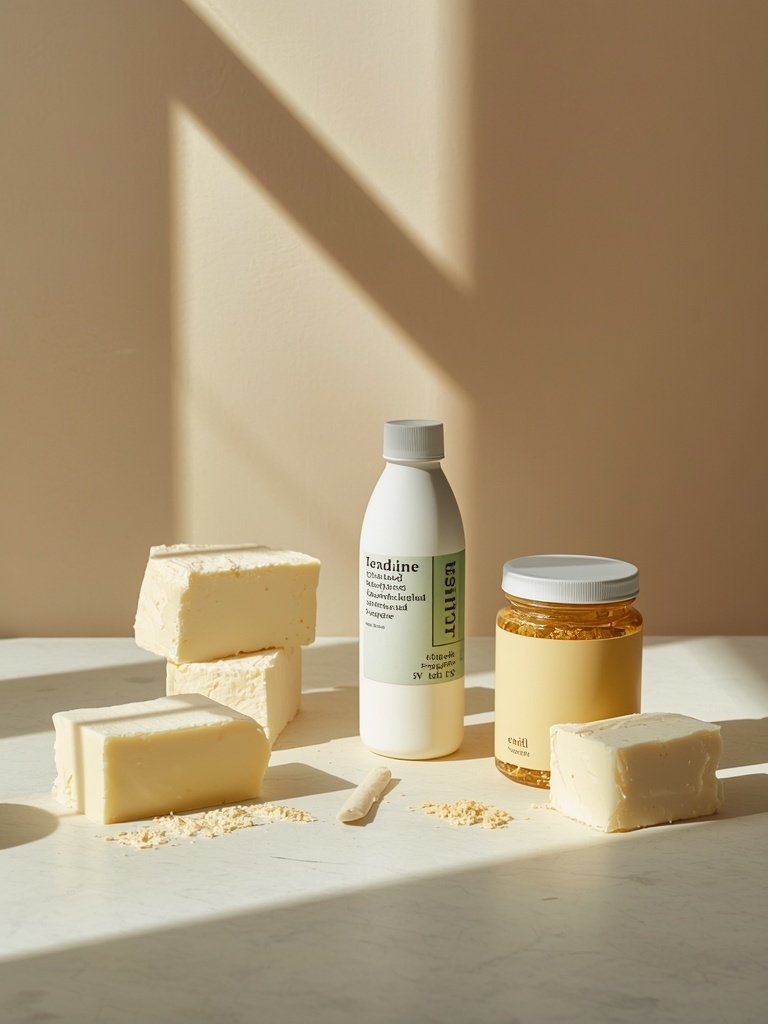
Natural butter supplement – key information on composition and differences compared to plant-based alternatives

Natural butter supplement – key information on composition and differences compared to plant-based alternatives

It is crucial to emphasize that genuine butter, which provides the human body with indispensable nutritional compounds, is produced solely through the processing of whole cow’s milk or premium-grade cream. Conversely, plant-based margarines and alternative fats—despite their lower cost and widespread accessibility—lack the essential bioactive components found in natural butter, and their consistent consumption, particularly as a long-term substitute for traditional butter, may be associated with potential adverse health implications.

Vegetable margarine – ingredient analysis, additives, and available product variants

Vegetable margarine – ingredient analysis, additives, and available product variants

Within the Polish dietary landscape, margarine serves as a budget-conscious substitute for conventional butter while also catering to individuals who actively manage their blood cholesterol concentrations. In strict adherence to prevailing legal standards, this product undergoes systematic enrichment with vitamins A and D, thereby aligning its nutritional characteristics as closely as possible with those of natural dairy fat. This fortification strategy is designed not merely to approximate the nutrient profile but also to mitigate the risk of deficiencies in critical fat-soluble vitamins, which play a pivotal role in sustaining optimal physiological function.

Gluten-free flours – types, nutritional profile, technological properties, and use in a gluten-free diet

Gluten-free flours – types, nutritional profile, technological properties, and use in a gluten-free diet

Strict lifelong avoidance of dietary gluten remains the sole effective therapeutic intervention for celiac disease, dermatitis herpetiformis, and non-celiac gluten sensitivity. Successfully replacing conventional wheat requires comprehensive knowledge of alternative gluten-free flours, which vary widely in macronutrient composition, starch gelatinization, and baking performance. This guide explores certified gluten-free oat, rice, buckwheat, and corn flours, detailing their micronutrient densities, culinary functionalities, and optimal blending ratios for wholesome home baking.

Does pasta cause weight gain in a diet? The effect of pasta consumption on body weight, glycemic index, and clinical studies

Does pasta cause weight gain in a diet? The effect of pasta consumption on body weight, glycemic index, and clinical studies

Popular weight-loss diets frequently demonize pasta, branding it as an obesogenic carbohydrate source that must be eliminated. However, large-scale nutritional cohorts—such as the Italian Moli-sani and INHES studies—demonstrate that moderate consumption of quality pasta is not associated with elevated body mass index and can seamlessly integrate into healthy dietary patterns. This article explores how the dense protein-starch matrix of durum wheat, al dente cooking, and cooling-induced resistant starch modulate digestion and metabolic health.

Rice flour – properties, price, how to make at home and proven culinary recipes

Rice flour – properties, price, how to make at home and proven culinary recipes

Rice flour, milled from polished white or whole brown rice kernels (Oryza sativa), is among the world's most ubiquitous and functional gluten-free flours. Celebrated for its gentle hypoallergenic digestibility, neutral flavor profile, and low sodium density, it functions effortlessly across sweet and savory applications. It is the cornerstone of Japanese mochi confections, crisp tempura batters, and wholesome baking blends for celiac and wheat-allergic individuals.

Al dente spaghetti from durum wheat – nutritional value analysis and effect on glucose metabolism

Al dente spaghetti from durum wheat – nutritional value analysis and effect on glucose metabolism

Durum wheat spaghetti (Triticum durum), boiled strictly according to traditional Italian al dente specifications, represents the gold standard of healthy carbohydrate nutrition. Genetically distinct from soft common wheat, durum wheat yields superior protein density, a compact crystalline endosperm, and abundant yellow carotenoid pigments (lutein). The tight mechanical entrapment of starch granules within an intact protein network ensures whole-grain durum spaghetti exhibits an impressively low glycemic index (GI = 35–40).

Chickpea flour (besan) – nutritional properties, plant-based protein, price, and recipes

Chickpea flour (besan) – nutritional properties, plant-based protein, price, and recipes

Chickpea flour, termed besan or gram flour in Indian gastronomy and forming the foundation of Mediterranean socca and farinata, is among the most nutrient-dense gluten-free flours available. Milled from dried chickpeas (Cicer arietinum), it packs an impressive 22% complete plant protein, copious dietary fiber, and a low glycemic index (GI = 35). Its inherent viscoelastic binding properties make it an unmatched plant-based egg substitute in vegan culinary arts.

Share