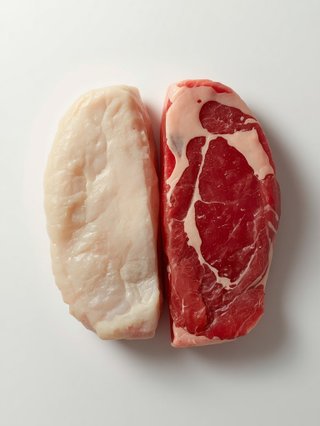
Varied forms of plant-based diets: classification of vegetarianism types


Table of Contents 4
Medical & Editorial Disclaimer (§3 Terms): This article is for informational and educational purposes only, does not constitute medical advice, diagnosis, or treatment, and is used at your own risk. Consult a qualified physician for medical conditions.
The analytical sections delve into the primary motivations driving plant-based choices, highlighting ethical animal welfare considerations and environmental sustainability as core catalysts. Physiological insights demonstrate that well-structured vegetarian models naturally elevate the intake of dietary fiber, vitamins, and protective antioxidants, while helping to minimize the consumption of saturated fats and processed additives. The taxonomy covers a spectrum of practices, ranging from flexible approaches to strict veganism, illustrating how different variants accommodate individual lifestyles and health goals.
Practical guidance encourages readers to adopt plant-rich habits thoughtfully and progressively, ensuring that daily nutritional needs are met through a wide variety of whole foods. Emphasizing diverse culinary choices helps support overall vitality and fosters a balanced relationship with food without relying on restrictive measures. By combining historical context with modern nutritional insights, the material empowers individuals to make informed decisions regarding their personal dietary journey.
This article is professional premium content (PRO) provided in its entirety.
Just a few decades ago, abstaining from animal-derived products was widely regarded as a contentious nutritional experiment fraught with the risk of dietary deficiencies—or even as a whimsical choice made by those seeking unconventional lifestyles. Today, however, meat-free diets—and particularly their most stringent iteration, veganism—have transitioned from the fringes of society to mainstream acceptance. Far from being marginalized, they have garnered endorsement from both nutrition professionals and the general public, emerging as one of the defining trends in contemporary culinary culture.
This shift in perceptions surrounding plant-based dietary models is all the more striking given that, until recently, the prevailing belief was that animal products were indispensable for maintaining optimal health.
The history of vegetarianism
India represents the historical cradle of vegetarianism, where plant-based eating was practiced on a widespread societal scale as an integral dimension of spiritual and philosophical traditions. Meat-free diets were also observed in ancient Greece, championed predominantly by philosophers—most notably Pythagoras and his disciples—and members of the educated upper class.
The primary guiding principle was the ethical reduction of animal suffering. In medieval Europe, meat restriction was observed within religious fasting traditions; however, this was a liturgical practice aimed at bodily mortification rather than animal welfare, and fish consumption was routinely permitted. For centuries, vegetarianism remained rare in Europe, practiced only by notable historical figures such as Leonardo da Vinci.
It was not until the 19th century that vegetarianism experienced a major revival, particularly in Great Britain and the United States, culminating in the establishment of the first formal Vegetarian Societies. Early advocates emphasized both ethical considerations and the therapeutic health virtues of plant foods, envisioning vegetarianism as the definitive diet of the future.
Motivation
Individuals adopt vegetarian lifestyles for multiple interconnected reasons, with ethical consideration for animals remaining paramount. Contemporary animal agriculture involves systemic suffering that an increasing number of consumers consciously choose not to support. As demonstrated in nutritional sociological research by Jessen et al., nearly 90% of plant-based adherents identify animal welfare as a primary driving factor.
Environmental sustainability and ecological conservation constitute another powerful motivation. Livestock farming demands disproportionate water reserves, extensive land for feed cultivation, and generates substantial greenhouse gas emissions. Transitioning to plant-centered nutrition significantly curtails an individual's ecological and carbon footprint.
Clinical and preventive health benefits represent an equally compelling driver; in surveyed cohorts, approximately 70% of respondents cite disease prevention and physical vitality as key motivators. Furthermore, plant-based diets remain anchored in religious doctrines such as Buddhism and Hinduism. For more than 80% of practitioners, the transition is motivated by a synergy of ethical, ecological, and personal wellness objectives.
Vegetarianism and health
A well-planned vegetarian diet delivers a wealth of health-promoting nutrients. Emphasizing whole plant foods significantly elevates daily intake of dietary fiber, folate, antioxidant polyphenols, and heart-healthy unsaturated fatty acids, while concurrently minimizing dietary cholesterol, saturated fats, and harmful additives commonly found in processed meats, such as nitrates, sodium phosphates, and MSG.
Plant-rich diets are typically nutrient-dense yet moderate in caloric density. High moisture and fiber content encourage thorough mastication, triggering physiological satiety mechanisms via peptide YY and GLP-1 signaling. A meta-analysis of 12 randomized controlled trials confirmed that participants following plant-based diets achieved greater weight reduction than those on omnivorous hypocaloric regimens.
Clinically, vegetarian dietary patterns are associated with reduced incidence of type 2 diabetes, obesity, hypertension, and specific cancers. Robust evidence also shows marked reductions in systemic inflammation, reflected in significantly lower circulating C-reactive protein (CRP) levels.
Nevertheless, eliminating animal products requires strategic nutritional vigilance. Vegetarians and vegans are at elevated risk for megaloblastic anemia and neurological impairment from vitamin B12 deficiency, as well as subclinical deficits in bioavailable non-heme iron, calcium, zinc, iodine, and long-chain omega-3 fatty acids (EPA and DHA). Consuming fortified foods, taking targeted supplements (notably B12 and vitamin D), and pairing plant iron sources with vitamin C substantially enhances mineral bioavailability across all life stages, including pregnancy and childhood.
Variations of vegetarianism
Vegetarianism encompasses a diverse spectrum of plant-based dietary patterns ranging from flexible approaches to highly restrictive regimens:
- Lacto-ovo vegetarianism: The most widespread and least restrictive variant; excludes all animal flesh, poultry, seafood, and slaughter byproducts like gelatin, but includes eggs, dairy products, and honey.
- Lacto-vegetarianism: Permits dairy products such as milk, yogurt, and cheese, but strictly excludes eggs alongside meat and fish.
- Ovo-vegetarianism: Allows eggs and egg products, but eliminates all mammalian dairy, meat, and seafood.
- Veganism (pure vegetarianism): A comprehensive plant-based regimen that eliminates all animal-derived foods, including dairy, eggs, honey, and animal-derived processing aids.
- Raw foodism (Raw Veganism / Vitarianism): Involves consuming only unprocessed, unrefined plant foods that have not been heated above 40–48°C (104–118°F) to preserve active enzymes and heat-sensitive nutrients.
- Fruitarianism: A restrictive diet limited exclusively to botanical fruits, nuts, seeds, and fruit-bearing vegetables (e.g., tomatoes, cucumbers) that can be harvested without terminating the parent plant.
- Liquidarianism & Sproutarianism: Highly restrictive experimental diets relying solely on fresh juices/smoothies or germinated sprouted seeds, which carry substantial clinical risks of protein-energy malnutrition and micronutrient deficits.
From a clinical standpoint, lacto-ovo vegetarian and well-planned vegan diets are officially recognized as nutritionally adequate and safe by major dietetic associations. In contrast, extreme variants such as fruitarianism and liquidarianism lack empirical safety data and are contraindicated for long-term health.
Want to apply these guidelines in your daily diet?
Our smart diet generator creates a tailored meal plan in 3 minutes based on the recommendations in this article.
Tags

mgr Max Müller
• 23.10.2026Diets Premium Expert
Diets Premium team expert. Specializes in nutrition plans, strength sports, and training plans.