






WELCOME & NUTRITION SUPPORT

Ailments and Health

It's a familiar story: You pledge to honor a daily elliptical routine and count every last calorie. But soon, you're eating cupcakes at the office and grabbing happy hour drinks, thinking, 'Oops, diet over.'

I've helped people exactly like you – smart, ambitious, put together – figure out the one thing that eludes them: Their ideal weight and long-term metabolic health. If you're like lots of people I help, you don't like restrictive rules, feel tired often, have tried working out and cutting calories, but need a truly sustainable clinical approach.

Fresh organic green produce in heart shape
HOW TO START

It's Easy to Start Today!

Eat Healthy

Eating habits should be regulated and controlled – only natural organic food will make our body healthy and strong.

Workout Hard

Diet is not the only ingredient of a long happy life. Physical exercise is also important for your health and vitality.

Enjoy Your Life

See how your life becomes a pleasant adventure, full of bright colors and fun activities with sustainable energy.

SERVICES
Personal Health Program

Personal Health Program

It does not matter if you want to lose weight, build lean muscle, or simply improve overall longevity and vitality.

Personal Fitness Trainer

Personal Fitness Trainer

A professional personal training and activity program created specifically with you and your individual goals.

Wellness Counseling

Wellness Counseling

We will be focused and working with you privately every step of the way to achieve permanent habit changes.

Diet Programs

Diet Programs

Healthy eating is one of the best things you can do to prevent and manage chronic health and metabolic problems.

Refreshing Citrus Background
FREE RECOMMENDATIONS

Change Your Health in One Day!

Special Program for Pregnant Women
POPULAR PROGRAMS & CLINICAL PROTOCOLS

Special Program for Pregnant Women

Pregnancy, infancy and early childhood are periods of rapid physiological growth and development. Insufficient nutrition during these critical growth and developmental periods places health and vitality at risk.

As a result, our clinical protocols educate and support pregnant and postpartum women about the importance of balanced micronutrition, gentle exercise, and allergen safety to ensure vibrant health for both mother and child.

8
Programs
161
Happy Customers
7
Awards
117
Success Stories

Subcategories & Topics:

12 areas

Dedicated Articles and Guides

Scientific papers, diet templates, and recommendations in Ailments and Health

30 publications
Metabolic Balance – principles, health benefits, reviews, and individual nutrition plan

Metabolic Balance – principles, health benefits, reviews, and individual nutrition plan

The Metabolic Balance nutritional program represents a holistic approach designed not merely to facilitate weight management but, more critically, to enhance metabolic efficiency and overall physiological well-being. Clinical nutritionists and dietary practitioners consistently highlight its efficacy in alleviating symptoms associated with diet-related conditions, including but not limited to insulin resistance, inflammatory joint disorders, chronic vascular headaches, metabolic dysfunctions, and elevated blood pressure. A customized meal plan, grounded in the empirically validated principles of this system, fosters not only the restoration of energetic equilibrium but also a marked improvement in both mental and physical vitality—delivering tangible benefits across all age demographics and thereby contributing to a sustained elevation in quality of life.


Watermelon – a natural source of valuable vitamins and minerals for body health

Watermelon – a natural source of valuable vitamins and minerals for body health

Watermelon represents a rich and bioavailable source of vital vitamins and minerals that play an indispensable role in sustaining the body’s physiological equilibrium. Its nutritional profile encompasses a broad spectrum of B-complex vitamins—including thiamine, riboflavin, and niacin—as well as vitamins A (present as beta-carotene), C (ascorbic acid), D (cholecalciferol), E (tocopherol), vitamin PP (niacin), and folic acid (folacin), the latter being particularly critical for prenatal development. In terms of trace elements, watermelon is distinguished by its substantial content of calcium (essential for skeletal and dental health), potassium (a key regulator of blood pressure), iron (which prevents anemia), iodine (crucial for thyroid function), magnesium (known for its stress-alleviating properties), and phosphorus (which facilitates energy metabolism). Furthermore, watermelon is abundant in pectins—soluble fiber fractions—and insoluble dietary fiber, which collectively enhance intestinal motility, promote detoxification by binding and eliminating metabolic waste, and provide a prolonged sensation of fullness. With its remarkably low caloric density (approximately 30–38 kcal per 100 g of flesh) and water content exceeding 90%, watermelon is an optimal component of weight-management diets, offering satiety and hydration without significantly impacting caloric intake. Its diuretic properties, attributed to the presence of citrulline and high potassium levels, facilitate the expulsion of excess interstitial fluid, thereby contributing not only to weight reduction but also to the refinement of body contours through the alleviation of edema. However, it is important to note that, like most fruits, watermelon contains a considerable amount of natural sugars (primarily fructose), which renders it less suitable for regular consumption by individuals with insulin resistance, type 2 diabetes, or other carbohydrate metabolism disorders.

Fetal macrosomia – etiopathogenesis, long-term consequences, and clinical management strategies during the prenatal and perinatal periods

Fetal macrosomia – etiopathogenesis, long-term consequences, and clinical management strategies during the prenatal and perinatal periods

Fetal macrosomia, clinically defined as birth weight exceeding 4000 g or 4500 g regardless of gestational age, represents a critical clinical challenge in obstetrics and perinatology. The predominant pathophysiological driver is maternal hyperglycemia (gestational or pregestational diabetes) alongside pre-pregnancy maternal obesity, provoking fetal hyperinsulinemia and excessive somatic adipose accumulation. This clinical overview details the etiopathogenesis of macrosomia, ultrasound diagnostic predictive values, intrapartum complications (shoulder dystocia, perineal trauma), and prenatal medical nutritional therapy.

Al dente spaghetti from durum wheat – nutritional value analysis and effect on glucose metabolism

Al dente spaghetti from durum wheat – nutritional value analysis and effect on glucose metabolism

Durum wheat spaghetti (Triticum durum), boiled strictly according to traditional Italian al dente specifications, represents the gold standard of healthy carbohydrate nutrition. Genetically distinct from soft common wheat, durum wheat yields superior protein density, a compact crystalline endosperm, and abundant yellow carotenoid pigments (lutein). The tight mechanical entrapment of starch granules within an intact protein network ensures whole-grain durum spaghetti exhibits an impressively low glycemic index (GI = 35–40).

Homemade mayonnaise vs. store-bought product: nutritional values, safety, and dietary alternatives

Homemade mayonnaise vs. store-bought product: nutritional values, safety, and dietary alternatives

Mayonnaise is an omnipresent culinary condiment consisting of a dense oil-in-water emulsion. The choice between freshly prepared homemade mayonnaise and commercially manufactured jars involves vital considerations regarding oil quality, industrial preservatives, thickening gums, microbiological safety (particularly Salmonella hazards), and caloric density. This evidence-based guide critically compares both options and presents healthier culinary alternatives.

Magnesium – key food sources, degradation during heat treatment, and absorption factors

Magnesium – key food sources, degradation during heat treatment, and absorption factors

Adequate dietary magnesium intake represents a fundamental prerequisite for metabolic equilibrium. Although magnesium is present across diverse botanical and animal food matrices, industrial agricultural soil depletion, ultra-processing, and suboptimal culinary preparation can eliminate up to 70% of the mineral content. Identifying rich dietary sources and implementing preservation-oriented cooking techniques ensures consistent fulfillment of daily recommended allowances.

Wild thyme (Thymus serpyllum) – botanical characteristics, medicinal properties and use in phytotherapy

Wild thyme (Thymus serpyllum) – botanical characteristics, medicinal properties and use in phytotherapy

Wild Thyme (Thymus serpyllum), a member of the mint family (Lamiaceae), is a revered medicinal subshrub with deep roots in European phytotherapy. Abundant in an essential oil rich in thymol and carvacrol, as well as flavonoids, tannins, and triterpene acids, it exerts potent antibacterial, secretomotoric, antispasmodic, and anti-inflammatory actions. It is extensively utilized to soothe upper respiratory infections, optimize digestive function, and resolve mucosal inflammations.

Burdock – medicinal properties, use of burdock oil, and its effect on hair condition and metabolic health

Burdock – medicinal properties, use of burdock oil, and its effect on hair condition and metabolic health

Greater burdock (Arctium lappa) is a biennial herbaceous plant of the Asteraceae family whose robust taproots have served as revered botanical medicine across Europe and Asia for centuries. Abundant in prebiotic inulin, polyacetylenes, phytosterols, and phenolic acids, burdock delivers profound anti-inflammatory, antimicrobial, hypoglycemic, and hair follicle-revitalizing benefits.

Bay leaf – characteristics, use, and potential side effects of bay leaf infusion in a health and culinary context

Bay leaf – characteristics, use, and potential side effects of bay leaf infusion in a health and culinary context

Sweet bay (Laurus nobilis) carries profound historical symbolism alongside centuries of established culinary and phytotherapeutic applications. While dried bay leaves remain a staple in kitchens globally, herbal infusions and concentrated decoctions prepared from them possess powerful pharmacological properties that demand informed usage and strict adherence to safe dosing protocols.

Does therapeutic fasting really support detoxification, weight loss, and health? A scientific analysis of therapeutic fasts

Does therapeutic fasting really support detoxification, weight loss, and health? A scientific analysis of therapeutic fasts

Fasting as a therapeutic protocol encompasses thousands of years of historical practice, now rigorously re-examined through modern molecular endocrinology, cellular autophagy research, and metabolic switching. This article evaluates the physiological mechanisms of therapeutic prolonged fasting versus intermittent fasting regimens, distinguishing empirical clinical evidence from popular detoxification misconceptions while establishing medical safety criteria.

Liver cirrhosis – etiopathogenesis, clinical symptoms, complications, and advanced diet therapy and nutritional treatment

Liver cirrhosis – etiopathogenesis, clinical symptoms, complications, and advanced diet therapy and nutritional treatment

Hepatic cirrhosis constitutes the common advanced end-stage pathway of progressive chronic liver diseases, pathologically defined by diffuse parenchymal fibrogenesis, vascular architecture disruption, and conversion of normal hepatic lobules into structurally abnormal regenerative nodules. This histological disruption culminates in critical hepatocyte functional insufficiency and portal hypertension. Cirrhosis frequently remains clinically silent for years (compensated phase) until catastrophic decompensation ensues—manifesting as ascites, hepatic encephalopathy, esophageal variceal hemorrhage, or hepatorenal syndrome. Notably, protein-calorie malnutrition and sarcopenia affect between 60% and 80% of cirrhotic patients, representing powerful independent determinants of mortality. This review integrates pathophysiology, clinical presentation, and clinical nutrition standards established by EASL and ESPEN.

Polycystic Ovary Syndrome (PCOS) – diet therapy, insulin sensitivity, and hormonal balance

Polycystic Ovary Syndrome (PCOS) – diet therapy, insulin sensitivity, and hormonal balance

Polycystic Ovary Syndrome (PCOS) represents the most common endocrine condition among women of reproductive age, affecting an estimated 8% to 15% globally. While historically regarded primarily as a gynecological syndrome manifesting with menstrual irregularities and subfertility, contemporary endocrinology recognizes PCOS as a complex metabolic-endocrine disorder. At its pathogenic core lies an interplay between peripheral insulin resistance, compensatory hyperinsulinemia, and ovarian theca-cell androgen hypersecretion. This comprehensive review outlines evidence-based medical nutrition therapy, recognized internationally as the primary first-line intervention for PCOS.

Sourdough starter: composition analysis, health benefits, culinary uses, and contraindications

Sourdough starter: composition analysis, health benefits, culinary uses, and contraindications

Authentic fermented bread kvass is an ancient, living tonic beverage derived from the controlled mixed fermentation of whole toasted rye bread. Distinct from commercial artificial sodas masked as kvass, genuine artisanal preparations deliver profound therapeutic benefits for gastrointestinal homeostasis, mucosal integrity, and systemic bioenergetics. This comprehensive review analyzes its biochemical nutrient architecture, probiotic properties, culinary integrations, and clinical contraindications.

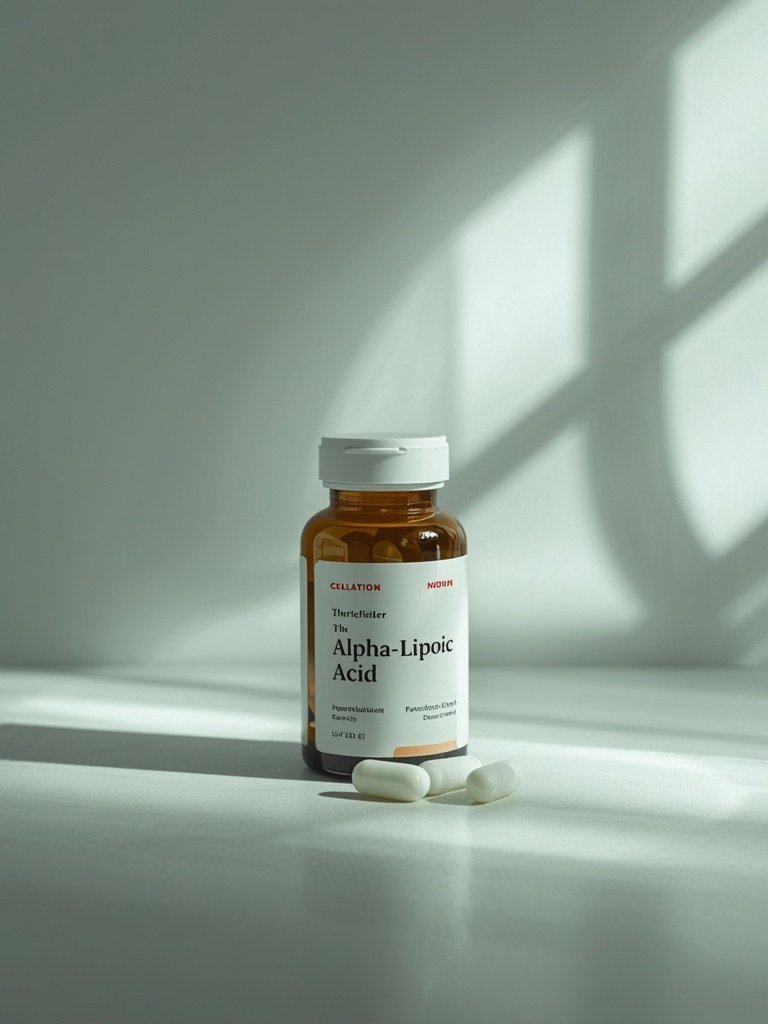
Alpha-lipoic acid: available preparations, potential side effects, and market price analysis

Alpha-lipoic acid: available preparations, potential side effects, and market price analysis

Alpha-lipoic acid (thioctic acid, ALA) plays a pivotal role in cellular bioenergetics and serves as an established adjunctive therapeutic agent in metabolic disorders, including type 2 diabetes mellitus, insulin resistance, and diabetic polyneuropathy. Functioning as a unique amphiphilic antioxidant, it protects both lipid membranes and aqueous intracellular compartments. This comprehensive guide reviews clinical efficacy, safety profiles, contraindications, pharmaceutical formulations, and market availability.

Canned Corn – Nutritional Value Analysis, Micronutrient Profile, and Dietary Application

Canned Corn – Nutritional Value Analysis, Micronutrient Profile, and Dietary Application

Canned sweetcorn stands among the world's most widely consumed preserved vegetable staples, favored for culinary convenience, extended shelf stability, and crisp natural sweetness. Despite frequent misconceptions regarding carbohydrate density and thermal nutrient loss, scientific food analysis demonstrates that industrial canning preserves vital fiber and actually enhances the biological availability of critical lipophilic carotenoids – lutein, zeaxanthin, and cell-wall-bound ferulic acid essential for macular eye health. An authoritative examination of caloric metrics, glycemic load, micronutrient retention, and culinary applications.

Action, dosage, contraindications, and side effects of kudzu root

Action, dosage, contraindications, and side effects of kudzu root

Kudzu (Pueraria montana var. lobata), traditionally cataloged in Chinese pharmacopeias as Gegen, represents a perennial climbing legume utilized for millennia in East Asian herbal medicine. Modern pharmacology highlights kudzu root for its substantiated therapeutic potential in substance dependency management (notably alcohol and nicotine cessation), metabolic glycemic control, cardiovascular vasodilation, and menopausal comfort. These systemic properties derive from its unique phytoestrogenic isoflavonoid matrix, predominantly puerarin, daidzin, and daidzein. An authoritative examination of bioactive mechanisms, standardized dosing, safety contraindications, and drug interactions.

Anatomy and role of taste buds: structure, typology of lingual papillae, and physiology of taste perception

Anatomy and role of taste buds: structure, typology of lingual papillae, and physiology of taste perception

The sense of taste (gustation) operates as an indispensable physiological and evolutionary mechanism, enabling humans to appraise caloric nutritional value while guarding against dangerous toxins and spoiled food. Chemical tastants are detected by specialized taste buds embedded within lingual papillae, the soft palate, and pharyngeal mucosa. A thorough examination of taste bud histology, lingual papillae classification, the five core taste modalities, and neural signaling pathways.

Acne skin care: creams, ointments, gels, and active substances in dermatology

Acne skin care: creams, ointments, gels, and active substances in dermatology

Effectively managing acne vulgaris demands a pathophysiological approach targeting the four core drivers: follicular hyperkeratinization, excess sebum output, Cutibacterium acnes proliferation, and local inflammation. Harsh stripping using astringent alcohols damages the stratum corneum barrier, perpetuating rebound flares. This evidence-based dermatological guide explores clinically proven active ingredients—including azelaic acid, salicylic acid, niacinamide, and non-comedogenic ceramide moisturizers.

Creatinine and eGFR: laboratory norms, causes of deviations, and the influence of diet on kidney function

Creatinine and eGFR: laboratory norms, causes of deviations, and the influence of diet on kidney function

Serum creatinine concentration and the derived estimated glomerular filtration rate (eGFR) represent foundational clinical biomarkers for assessing renal excretory performance. As a metabolic byproduct of muscle phosphocreatine breakdown, creatinine is cleared primarily via glomerular filtration. This comprehensive review examines reference intervals, pathological elevations and declines, diagnostic confounders, and the impact of hydration, high-protein diets, and sports supplementation.

Dietary Supplementation: The Necessary Minimum, Unnecessary Fillers, and the 'Food First' Principle

Dietary Supplementation: The Necessary Minimum, Unnecessary Fillers, and the 'Food First' Principle

The global dietary supplement industry generates tens of billions annually, frequently blurring the boundary between clinically necessary nutrient repletion and aggressive marketing of overhyped formulas. Deciding which supplements offer proven health returns versus those providing inert fillers or toxic excess is vital. This clinical review evaluates evidence-based essentials, formulation purity, and the foundational 'Food First' philosophy.

Key elements shaping our interpersonal preferences – criteria for attractiveness between people

Key elements shaping our interpersonal preferences – criteria for attractiveness between people

What causes human beings to experience deep mutual affinity, friendship, or romantic attraction? Social psychology has long mapped the systematic determinants of interpersonal attraction. This comprehensive guide reviews the 9 foundational pillars shaping how we select partners and friends.

Diet to support kidney function and remove harmful substances from the body

Diet to support kidney function and remove harmful substances from the body

The kidneys play a vital role in eliminating harmful substances from the body. Their primary function is to filter the blood, remove metabolic byproducts, and maintain fluid balance. Filtered components are excreted through urine. Without proper nutrition and regular detoxification, toxins can accumulate, impairing kidney, liver, and overall system function. This may lead to kidney stone formation and other health complications. A targeted dietary approach can significantly support kidney function and contribute to effective detoxification, minimizing the risk of complications.

Share