Bay leaf – characteristics, use, and potential side effects of bay leaf infusion in a health and culinary context
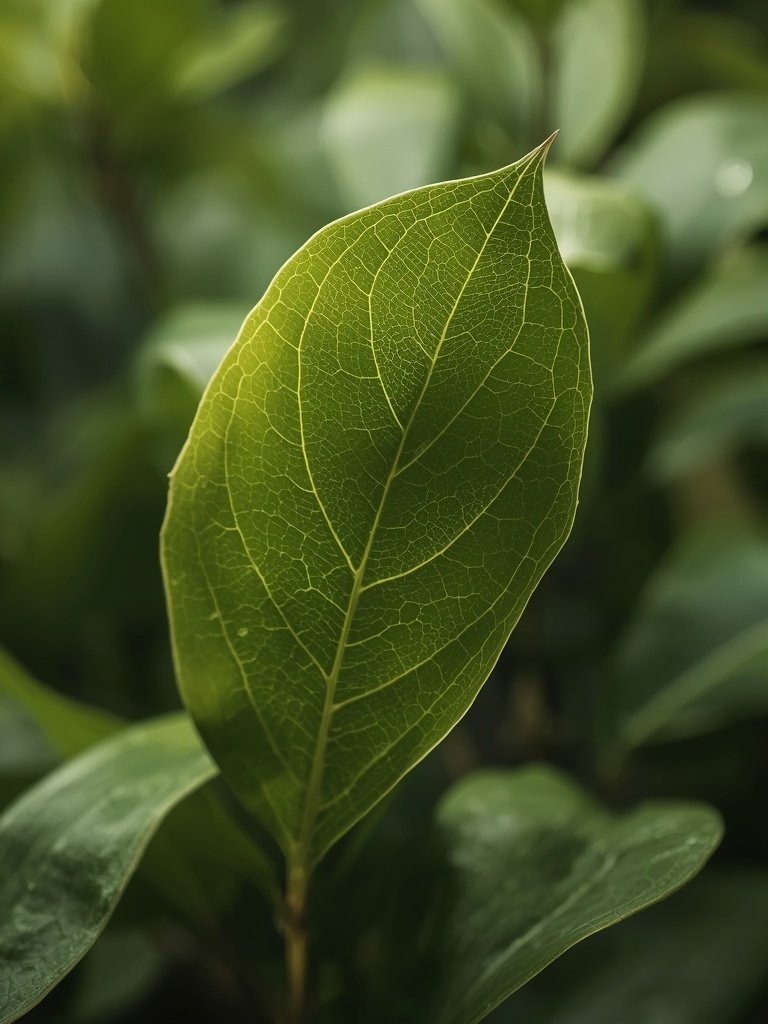
Table of Contents 4
Medical & Editorial Disclaimer (§3 Terms): This article is for informational and educational purposes only, does not constitute medical advice, diagnosis, or treatment, and is used at your own risk. Consult a qualified physician for medical conditions.
The physiological insights covered highlight the plant's remarkable anti-inflammatory and antimicrobial properties, driven by compounds that modulate inflammatory cascades and suppress pathogenic growth. Within the digestive system, bay laurel acts as a carminative agent, enhancing the flow of gastric acids and bile to ease dyspepsia and promote efficient nutrient processing. Furthermore, its chemical profile suggests a supportive role in metabolic health and joint comfort, provided the bioactive constituents are introduced to the body in a controlled and informed manner.
Actionable guidance emphasizes that while bay leaves are safe for flavoring rich sauces and stews, concentrated decoctions demand strict adherence to safety protocols. These potent liquids should only be consumed in small volumes over very brief periods to avoid metabolic strain. It is crucial to note that individuals who are pregnant, nursing, or taking anticoagulant therapies should avoid high-dose laurel preparations, and one should always remember to remove whole leaves from dishes before serving to prevent physical injury during ingestion.
Sweet bay (Laurus nobilis) carries profound historical symbolism alongside centuries of established culinary and phytotherapeutic applications. While dried bay leaves remain a staple in kitchens globally, herbal infusions and concentrated decoctions prepared from them possess powerful pharmacological properties that demand informed usage and strict adherence to safe dosing protocols.
Bay Leaf – Botanical Profile and Cultural Heritage of Laurus nobilis
Sweet bay is an evergreen dioecious tree or shrub native to the Mediterranean basin. In ancient classical civilizations, the laurel wreath represented triumph, wisdom, and nobility, adorning poets, athletes, and emperors.
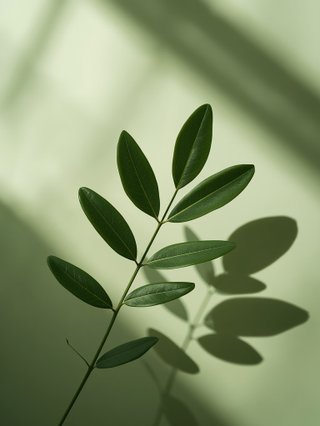
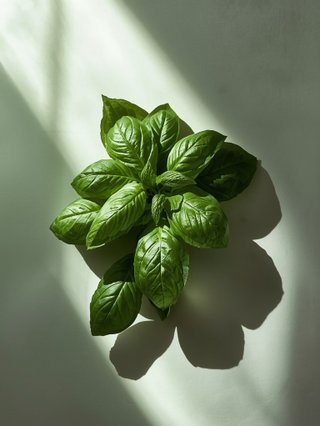
Bay leaves feature a coriaceous (leathery) texture, dark emerald hue, and a glossy surface. When bruised, they release a characteristically pungent balsamic aroma attributable to volatile oils dominated by 1,8-cineole, terpinyl acetate, sabinene, and eugenol.
Pharmacological and Phytochemical Properties of Bay Leaves
The pharmacological efficacy of bay leaves emerges from their synergistic phytochemical array:
- Antimicrobial potency – volatile fractions suppress growth across pathogenic bacteria (including Staphylococcus aureus) and fungi;
- Anti-inflammatory action – sesquiterpene lactones and eugenol attenuate NF-kB inflammatory cascades and prostaglandin release;
- Digestive carminative properties – bitter constituents enhance gastric acid, pancreatic enzymes, and bile flow, relieving flatulence and dyspepsia;
- Glycemic and lipid homeostasis – polyphenolic extracts upregulate insulin receptor responsiveness, supporting blood glucose and lipid balance.
Decoction and Infusion of Bay Leaves – Preparation and Safe Dosage
Herbal decoctions and infusions represent classic methods of bay leaf administration. For a mild infusion, steep 2–3 gently crushed leaves in 250 ml of boiling water for 10–15 minutes covered.
A concentrated joint-cleansing decoction is brewed by gently simmering 4–5 g of dry leaves in 300 ml of water for 5 minutes, followed by resting in a thermos flask for 4–5 hours. Crucial guidance: Sip the decoction slowly throughout the day in small volumes for a maximum duration of 3 consecutive days, followed by several weeks of rest.
Potential Side Effects, Contraindications, and Toxicology
Despite widespread culinary safety, highly concentrated laurel decoctions entail clear pharmacological precautions:
- Pregnancy and lactation – strictly contraindicated due to uterine stimulation and abortifacient potential;
- Coagulopathies and anticoagulant therapies – bay constituents prolong bleeding times;
- Renal or hepatic compromise – high-dose extract burdens metabolic clearance organs;
- Physical ingestion hazard – whole cooked bay leaves must be discarded prior to dining to avoid mechanical injury or perforation of the gastrointestinal mucosa.
Want to apply these guidelines in your daily diet?
Our smart diet generator creates a tailored meal plan in 3 minutes based on the recommendations in this article.
Tags

Kacper Nowak
• 25.11.2026Diets Premium Expert
Diets Premium team expert. Specializes in nutrition plans, strength sports, and training plans.