Fresh vs. dried basil – which version surpasses the other? Comparison of nutritional, culinary, and medicinal values
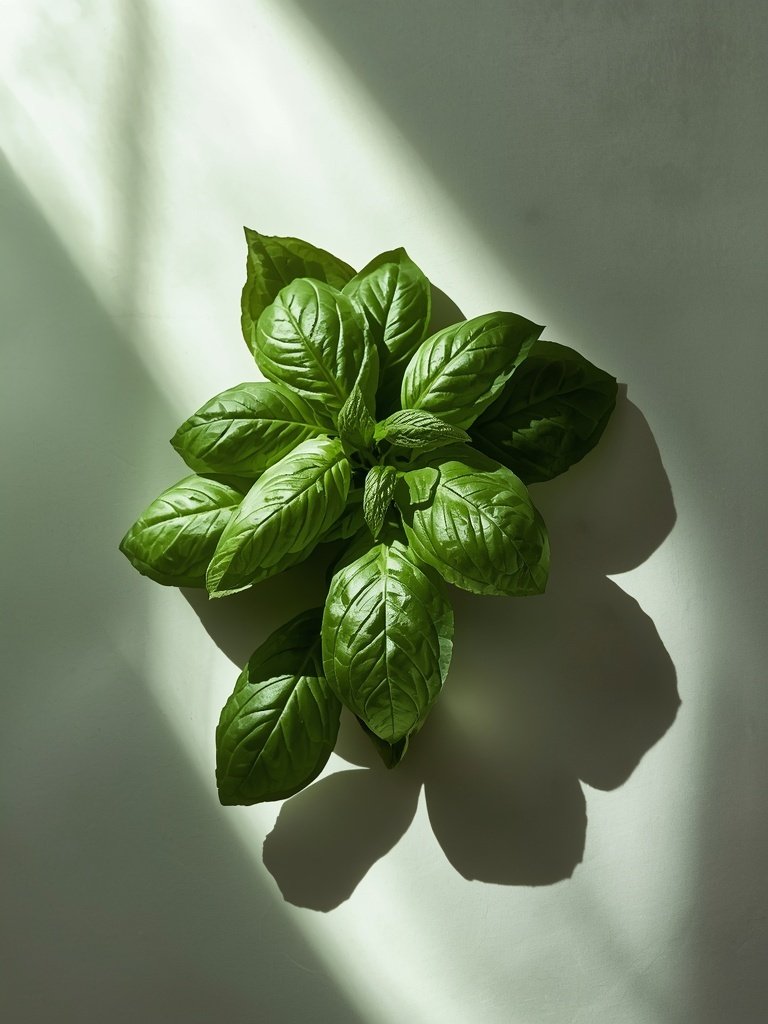
Table of Contents 3
Medical & Editorial Disclaimer (§3 Terms): This article is for informational and educational purposes only, does not constitute medical advice, diagnosis, or treatment, and is used at your own risk. Consult a qualified physician for medical conditions.
Fresh basil delivers an invigorating sensory bouquet driven by volatile essential oils and delicate vitamins that degrade rapidly under prolonged heat, whereas the dried variant concentrates mineral density and robust polyphenols such as rosmarinic acid. Both forms contribute meaningfully to physiological wellness by supporting digestive secretions and providing natural plant compounds that foster overall vitality without relying on heavy seasonings.
Practical application involves matching the herb variety to the cooking method, reserving fresh leaves for raw applications or final garnishes while utilizing dried basil in simmering sauces and long-cooked stews. Cultivating fresh basil at home through proper sunlight and attentive care ensures a continuous supply of vibrant foliage to elevate daily nutrition and culinary creativity effortlessly.
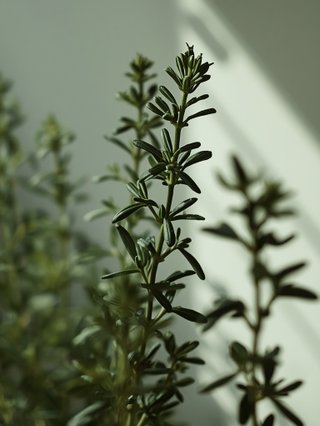
Sweet basil (Ocimum basilicum) stands among the most celebrated culinary botanicals globally, simultaneously prized for its therapeutic essential oil matrix. Culinary practitioners and nutritional scientists routinely evaluate the distinct merits of fresh leaves compared to dehydrated forms. This review compares the volatile aroma profiles, polyphenol retention, and evidence-based culinary applications of fresh versus dried basil.
Fresh Basil: Volatile Essential Oils, Vitamin Profile, and Culinary Excellence
Fresh sweet basil delivers an invigorating, sweet-spicy bouquet distinguished by volatile monoterpenes and phenylpropanoids, notably eugenol, linalool, and methyl chavicol (estragole). Intact leaves provide concentrated vitamin K (phylloquinone), beta-carotene provitamin A, and ascorbic acid.
Because volatile terpenes are readily degraded by prolonged heat, fresh basil must be incorporated at the conclusion of cooking or enjoyed raw, forming the irreplaceable foundation of authentic pesto alla Genovese, Insalata Caprese, and Mediterranean dressings.
Dried Basil: Mineral Density, Polyphenol Concentration, and Thermal Stability
Dehydration removes water content, dramatically concentrating dietary minerals on a dry-weight basis. Dried basil provides substantial amounts of bioavailable calcium, iron, magnesium, and potassium, accompanied by high concentrations of rosmarinic acid, a formidable anti-inflammatory caffeic acid ester.
Dried basil possesses an earthy, warm, concentrated flavor profile that withstands prolonged simmering, rendering it superior for slow-cooked tomato ragùs, marinades, hearty stews, and roasted vegetable preparations.
Therapeutic Benefits and Best Practices for Home Cultivation
Both fresh and dried basil contribute proven medicinal benefits: eugenol acts as a natural cyclooxygenase-2 (COX-2) inhibitor aiding pain reduction, while bitter components stimulate bile flow and gastrointestinal secretions, alleviating indigestion and bloating.
For successful home cultivation on windowsills or balconies, provide full sunlight (at least 6 hours daily), well-drained fertile soil, bottom-watering to safeguard leaves, and continuous pinching of apical buds to arrest flowering and maximize bushy vegetative growth.
Want to apply these guidelines in your daily diet?
Our smart diet generator creates a tailored meal plan in 3 minutes based on the recommendations in this article.
Tags

mgr Felix Weber
• 25.11.2026Diets Premium Expert
Diets Premium team expert. Specializes in nutrition plans, strength sports, and training plans.