Tuna - characteristics, nutritional value, preparation methods
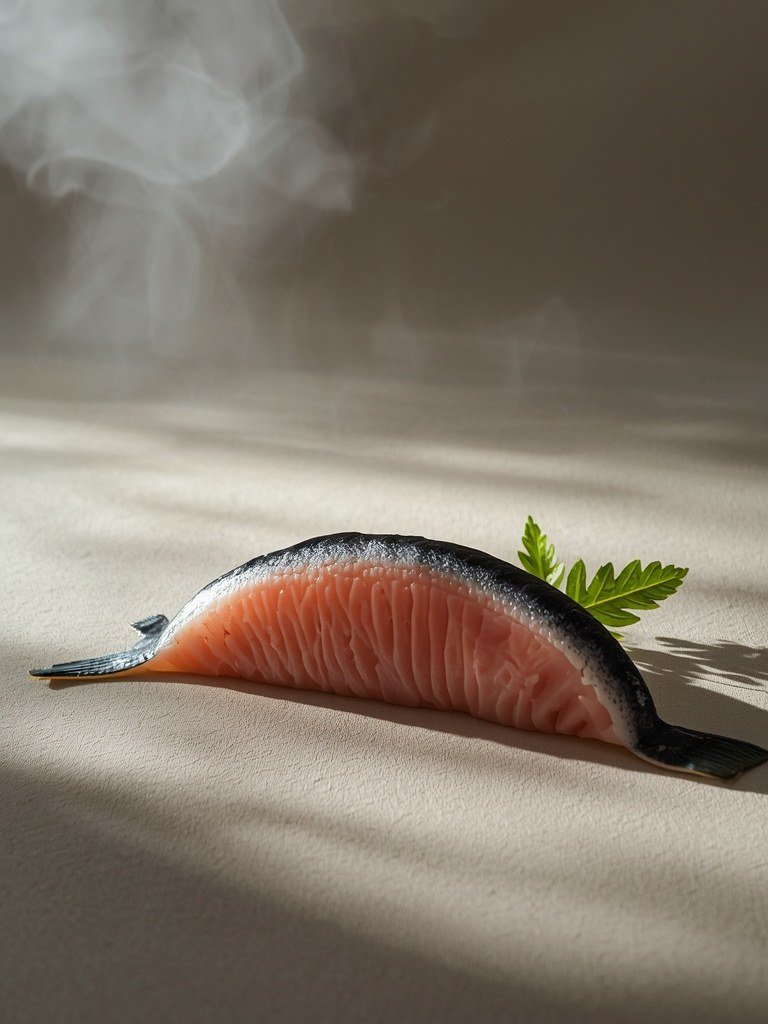
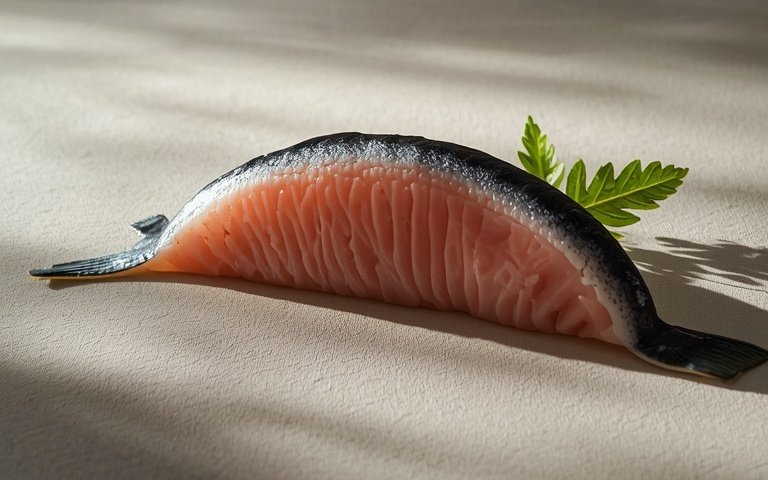
1 photo
900
Smart Voice
AI
0:00
0:00
Listen to the article content live
Table of Contents 2
Medical & Editorial Disclaimer (§3 Terms): This article is for informational and educational purposes only, does not constitute medical advice, diagnosis, or treatment, and is used at your own risk. Consult a qualified physician for medical conditions.
Clinical E-Books & Diet Plans:
Explore E-Books & Plans →
Key Takeaways
Tuna represents a group of magnificent predatory marine fish inhabiting warm oceanic waters, globally celebrated for both their culinary versatility and exceptional nutritional density. Understanding the attributes of these pelagic creatures matters greatly for anyone seeking high-protein dietary options that support an active and health-conscious lifestyle. Exploring this topic empowers readers to make informed choices when incorporating marine nutrition into their everyday routines.
From a physiological standpoint, tuna meat provides an impressive concentration of complete dietary protein accompanied by essential B-complex vitamins such as riboflavin and cobalamin. These micronutrients contribute significantly to normal energy-yielding metabolism and the reduction of fatigue, supporting overall vitality. The firm texture and rich flavor profile ensure that these nutritional benefits are delivered through a deeply satisfying culinary experience across various preparations.
Practical implementation in the kitchen is remarkably straightforward due to the extensive variety of serving suggestions, ranging from herb-infused marinades and smoked fillets to raw cuts suitable for sushi enthusiasts. Consumers are encouraged to select responsibly sourced fish and integrate it creatively into balanced meals as a primary protein source. Adopting this approach fosters long-term dietary diversity and supports overall wellness without compromising on culinary pleasure.
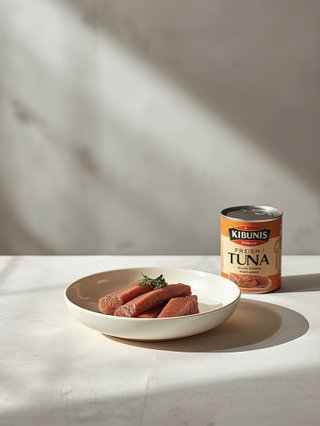
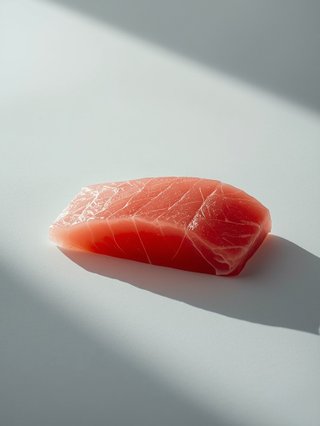
The tuna are warm-water-preferring, predatory fish of the order Perciformes. They inhabit the warm waters of the Atlantic and Pacific Oceans, and can also be found in the Mediterranean and even significantly colder North Seas. Among the most commercially significant species of this family are the bluefin tuna, yellowfin tuna, bigeye tuna, skipjack (bonito), and albacore, globally celebrated for their culinary versatility and exceptional nutritional density.
01 / 02
Tuna: Nutritional Profile, Composition, and Health Benefits of High-Protein Marine Fish
Tuna meat is distinguished by its exceptionally high concentration of complete protein, reaching an impressive 22 grams per 100 grams of product. When opting for chunks preserved in their own juices, the fat content remains as low as 1.5 grams per serving. For individuals leading an active lifestyle, tuna represents a valuable dietary component due to its abundance of B-complex vitamins: riboflavin (B2, 0.06 mg, accounting for 15–20% of the daily recommended intake), cobalamin (B12, 3 µg, fully covering daily requirements), and pyridoxine (B6, 0.5 mg, providing 40% of the reference daily value). Additionally, this fish supplies vitamins A and D, which play pivotal roles in modulating immune responses, maintaining optimal vision, and regulating hormonal balance—including testosterone synthesis. A single serving also replenishes essential macrominerals such as calcium (critical for bone integrity), phosphorus (which supports energy metabolism), and iron (involved in oxygen transport). Of particular note is the presence of polyunsaturated omega-3 fatty acids (approximately 250 mg per serving), whose deficiency in modern diets poses a significant health concern. Regular consumption of these fatty acids substantially lowers the risk of cardiovascular diseases—including myocardial infarctions, aortic aneurysms, and strokes—which rank among the leading causes of premature mortality. An additional advantage of tuna is its low sodium content combined with the presence of potassium, which contributes to maintaining healthy blood pressure levels. All these benefits are packaged in an exceptionally low-calorie profile of just 107 kcal per 100 grams, making it an ideal ingredient for weight-loss diets and nutritional plans aimed at enhancing physical performance.
02 / 02
Preparing tuna – a practical culinary guide featuring diverse serving suggestions
Tuna represents an extraordinarily versatile food product that serves as an excellent primary source of high-quality protein in one’s diet. Its culinary applications are remarkably diverse: ranging from marinated versions infused with aromatic herbs to smoked varieties with an intense flavor profile, air-dried fillets offering concentrated sweetness, and of course the raw form—perfect for sushi and sashimi enthusiasts. Its delicate yet firm texture and rich, unobtrusive taste make it an ideal complement to both light salads and hearty baked goods, lending them a distinctive character. A particularly noteworthy preparation method is the tuna steak, which requires fillet slices with an optimal thickness of approximately two centimeters. Before cooking, the fish should be drizzled on both sides with high-quality olive oil, then seasoned with freshly ground black pepper and sea salt, allowing it to rest briefly to fully absorb the flavors. Meanwhile, a grill pan should be heated to a sufficiently high temperature to achieve the characteristic crisp sear. The recommended cooking time is roughly three minutes per side—for those who prefer a more well-done consistency. The finished steak pairs best with seasonal vegetables served either raw or lightly grilled, creating a harmonious balance of flavors and visual appeal. An equally compelling alternative is incorporating tuna into a nutrient-rich salad, where its taste can be enhanced by the tanginess of pickled cucumbers, the crunch of finely diced bell peppers, the sweetness of sun-dried tomatoes, the brininess of black olives, and the sharpness of onions. The ensemble can be further elevated with fresh herbs—such as basil, cilantro, or parsley—and a drizzle of olive oil to accentuate the natural qualities of the ingredients. Another equally appealing option is combining tuna with al dente pasta: in a heated pan, briefly sear the fish, then add chopped sun-dried tomatoes, freshly pressed garlic, and preferred seasonings—such as oregano, thyme, or chili flakes. Once the aromas have melded, the mixture can be tossed with pre-cooked pasta to yield a satisfying and flavorful dish. Undoubtedly, tuna deserves a permanent place in a varied diet, primarily due to its high content of easily digestible protein coupled with relatively low caloric density, making it an ideal choice for those prioritizing balanced nutrition. An additional advantage is its affordable price compared to other marine fish offering similar nutritional benefits. However, it is important to remain mindful of the potential mercury content in tuna meat—especially in larger specimens—and to adhere to guidelines recommending moderate consumption, limited to a maximum of three cans (approximately 170 grams each) per week, in order to prevent the accumulation of this element in the body.
Meal Plan
Want to apply these guidelines in your daily diet?
Our smart diet generator creates a tailored meal plan in 3 minutes based on the recommendations in this article.

Lena Bauer
• 25.11.2026Diets Premium Expert
Diets Premium team expert. Specializes in nutrition plans, strength sports, and training plans.