Turmeric (Curcuma longa) – nutritional properties, mechanisms of action, synergy with piperine, and practical application
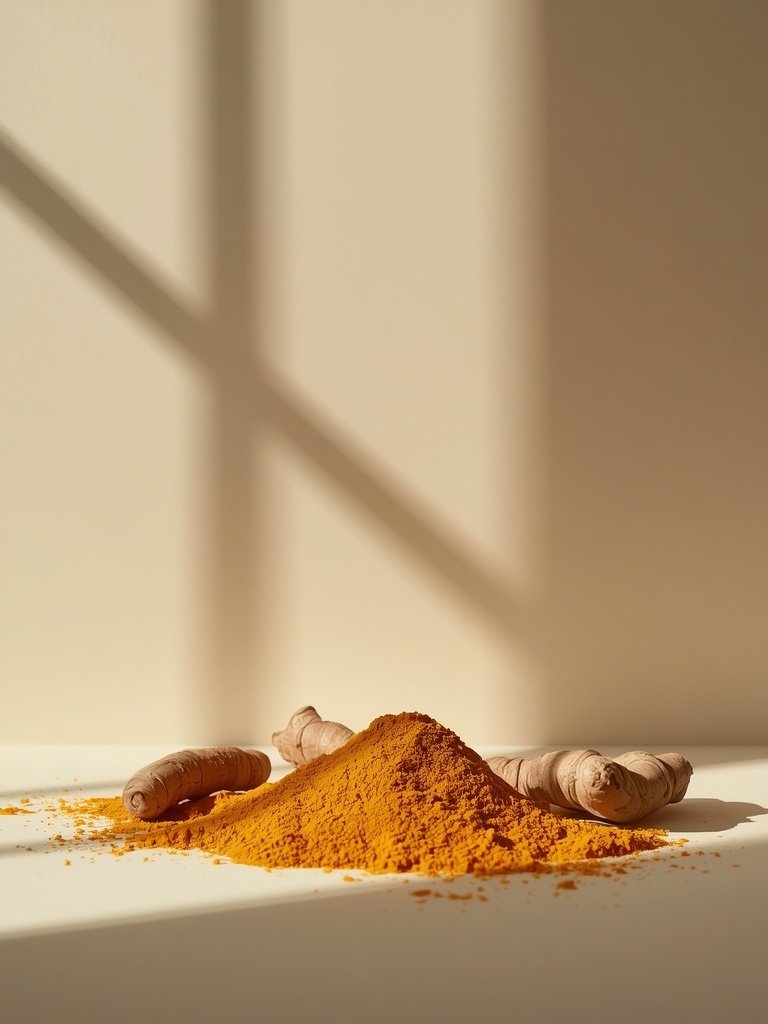
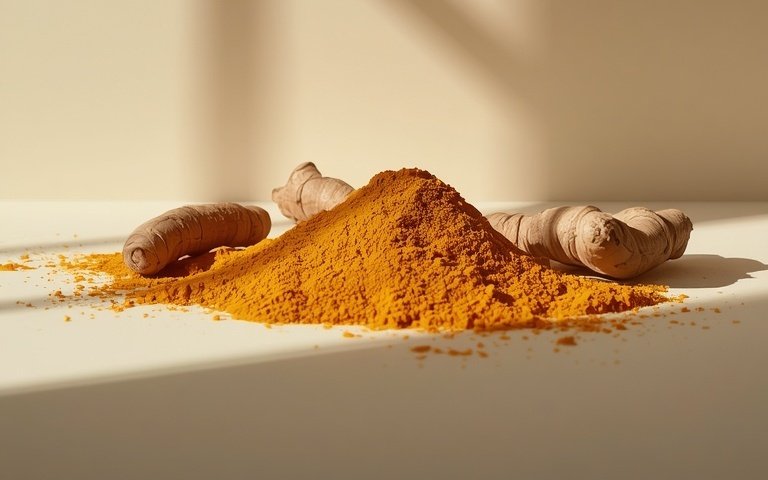
Table of Contents 4
Medical & Editorial Disclaimer (§3 Terms): This article is for informational and educational purposes only, does not constitute medical advice, diagnosis, or treatment, and is used at your own risk. Consult a qualified physician for medical conditions.
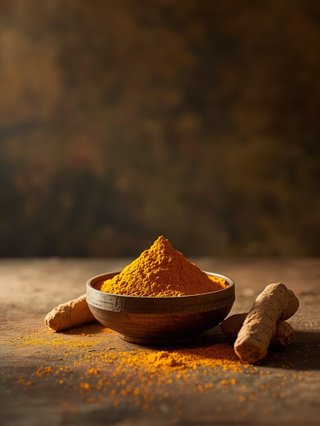
The primary physiological mechanisms of turmeric are driven by curcumin, a hydrophobic polyphenol responsible for both its radiant golden pigmentation and its biological activity. Scientific literature highlights how curcumin may help neutralize oxidative stress, support cardiovascular wellness and healthy blood cholesterol levels, and contribute to cellular defense by promoting natural apoptosis pathways in tissues such as the stomach, colon, breast, and bladder. Because native curcumin exhibits notoriously poor intestinal absorption on its own, pairing it synergistically with piperine and dietary lipids is essential for overcoming its low digestive bioavailability.
From a practical culinary perspective, turmeric offers remarkable versatility due to its mild, relatively neutral flavor profile, allowing it to enrich diverse dishes without altering their intended taste. Beyond serving as a foundational component of curry blends, meat marinades, and natural food colorings for rice, mustard, or baked goods, it can be effortlessly stirred into warm milk beverages and everyday savory meals. To maximize the functional benefits of turmeric in daily nutrition, it is best prepared alongside a pinch of black pepper and a wholesome fat source.
Turmeric (Curcuma longa), a prominent member of the ginger family (Zingiberaceae), stands globally as one of the most revered culinary spices and pharmacologically investigated botanicals. Cultivated across tropical regions of the Indian subcontinent and Southeast Asia, it has formed the backbone of Ayurvedic phytotherapy for millennia. Modern molecular pharmacology focuses primarily on curcumin—the major hydrophobic polyphenol responsible for its radiant golden pigmentation, powerful antioxidant defense, and systemic anti-inflammatory modulation. However, native curcumin exhibits notoriously poor intestinal bioavailability. This comprehensive guide details turmeric’s biochemical constituents, validated absorption enhancers (such as piperine and dietary lipids), and functional strategies for daily dietary integration.
Cucumbers and other edible mushrooms
The properties of turmeric
Use of turmeric
What to add turmeric to
Want to apply these guidelines in your daily diet?
Our smart diet generator creates a tailored meal plan in 3 minutes based on the recommendations in this article.
Tags

Oliwia Kaczmarek
• 25.11.2026Diets Premium Expert
Diets Premium team expert. Specializes in nutrition plans, strength sports, and training plans.