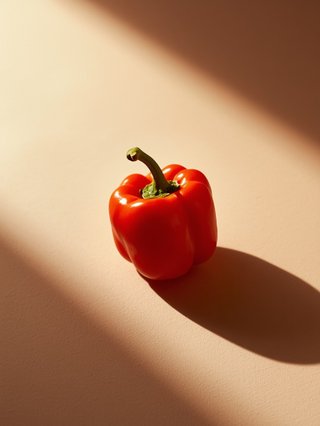
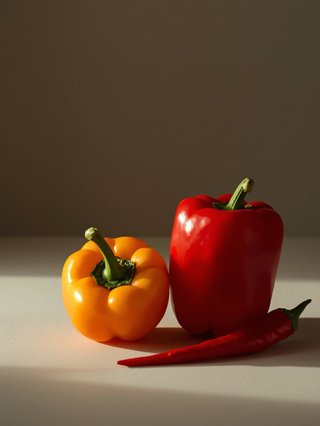
Chili pepper – health benefits of capsaicin, Scoville scale, varieties and homemade sauce recipe
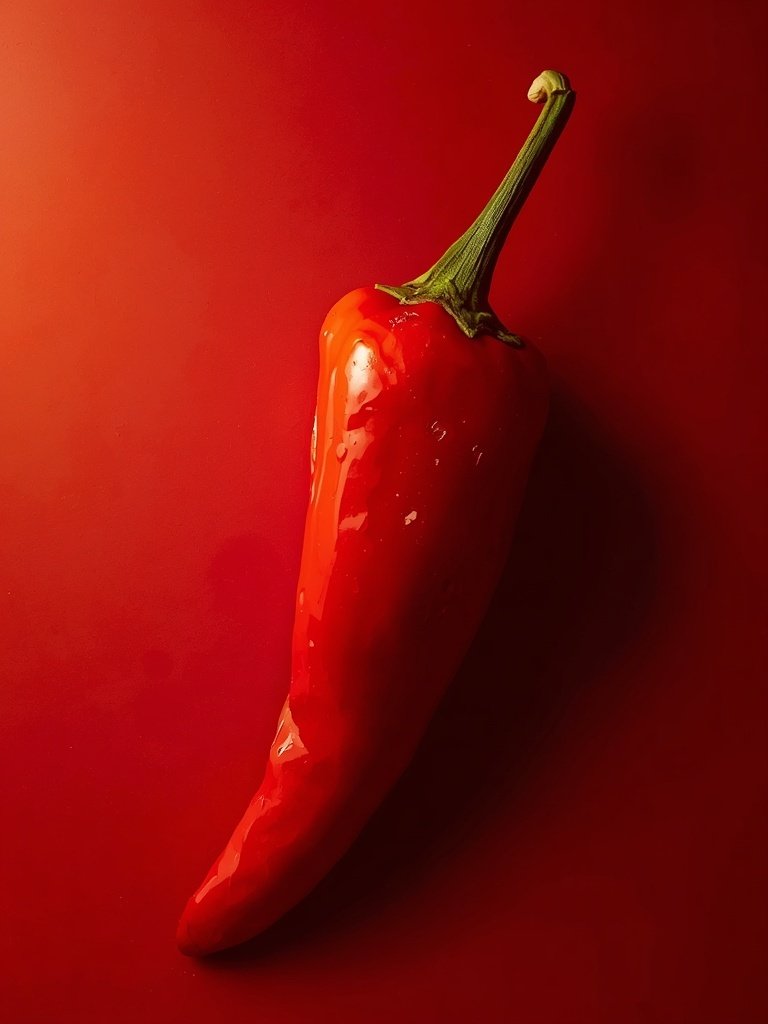
Table of Contents 5
Medical & Editorial Disclaimer (§3 Terms): This article is for informational and educational purposes only, does not constitute medical advice, diagnosis, or treatment, and is used at your own risk. Consult a qualified physician for medical conditions.
When consumed in moderate culinary amounts, capsaicin binds to specialized vanilloid receptors located on sensory nerve endings within mucosal membranes, producing a pronounced warming sensation. In response to this stimulus, the central nervous system releases endogenous endorphins that may help elevate mood and attenuate pain perception, while localized vasodilation encourages the secretion of digestive enzymes. Across global gastronomy, the pungency of diverse cultivars—ranging from slender, mildly sweet Mediterranean peperoncino to more robust jalapeño varieties—is systematically evaluated using the Scoville Heat Scale, originally devised by pharmacist Wilbur Scoville to reflect total capsaicinoid concentration.
In everyday cooking, chili peppers bring aromatic depth to dishes whether used freshly sliced, pickled, smoke-dried, flaked, or finely ground, forming the flavor backbone of slow-simmered stews, curries, lentil dals, marinades, and even artisanal dark chocolate confections or roasted tropical fruits. From a botanical standpoint, capsaicin is synthesized and concentrated primarily within the white placental pith and coats the adjacent seeds, meaning that trimming away these inner membranes before cooking yields a noticeably milder, fruitier profile. Crafting a homemade sweet-and-spicy chili garlic sauce allows home cooks to tailor the exact heat intensity while avoiding the high-fructose corn syrup, modified starches, and artificial preservatives frequently found in commercial bottled condiments.
Chili peppers encompass a diverse array of pungent fruiting cultivars within the genus Capsicum (members of the nightshade family, Solanaceae) that have defined the culinary heritage of Latin America, Asia, and the Mediterranean for millennia. Their signature fiery heat and therapeutic potency stem from capsaicin—a bioactive vanilloid alkaloid with clinically documented thermogenic, analgesic, anti-inflammatory, and cardioprotective effects. Explore the major chili varieties, their metabolic benefits, and a balanced recipe for homemade chili sauce.
Chili Peppers – Botanical Origin and Culinary History
Chili pepper is an umbrella term covering hundreds of pungent cultivars across five domesticated species of the genus Capsicum (C. annuum, C. chinense, C. frutescens, C. baccatum, and C. pubescens), all belonging to the nightshade family (Solanaceae). Despite sharing the English colloquial name 'pepper' with black peppercorns (Piper nigrum), chili peppers are botanically unrelated to black pepper and are instead close relatives of tomatoes, eggplants, and potatoes.
Domesticated over 6,000 years ago across Mesoamerica, the Caribbean, and the Andean region, chili peppers were revered by the Aztecs and Maya both as a staple seasoning and as a ceremonial medicine. Notably, it was the Aztecs who pioneered the celebrated gastronomic pairing of fiery chili heat with rich, bitter cacao and chocolate (originally in spiced xocolatl beverages and complex mole sauces). Following Christopher Columbus's voyages in the late 15th century, chili cultivation spread rapidly across Europe, Africa, India, and Southeast Asia.
Health Benefits of Chili Peppers – Capsaicin, Thermogenesis, and Immunity
Although the intense pungency of chili peppers triggers a dramatic warming sensation on oral mucosal membranes, moderate culinary doses confer substantial physiological benefits. The primary active constituent, capsaicin, binds to transient receptor potential vanilloid 1 (TRPV1) receptors on sensory nerve endings. In response, the central nervous system releases endogenous endorphins (improving mood and attenuating pain perception), while local vasodilation stimulates digestive enzyme secretion and protective gastric mucosal blood flow.
In clinical nutrition, chili peppers are valued for several evidence-based mechanisms:
- Metabolic Rate Enhancement and Weight Management: Capsaicin boosts diet-induced thermogenesis, activates brown adipose tissue (BAT), promotes postprandial lipid oxidation, and enhances satiety signaling.
- Cardiovascular Protection: Regular dietary intake stimulates endothelial nitric oxide synthesis, supports healthy blood pressure, and inhibits LDL lipoprotein oxidation.
- Concentrated Antioxidant Defense: Fresh chili pods supply extraordinary concentrations of vitamin C (140 to 240 mg per 100 g), beta-carotene, lutein, B vitamins, and potassium, reinforcing immune defense and exerting anti-inflammatory and chemopreventive effects.
Popular Chili Pepper Varieties and the Scoville Heat Scale
The pungency of different chili cultivars is quantified using the Scoville Heat Scale (SHU – Scoville Heat Units), devised in 1912 by American pharmacist Wilbur Scoville to measure total capsaicinoid concentration. Across global gastronomy, chili varieties span a vast spectrum of shapes, colors, fruity nuances, and heat levels:
- Peperoncino / Peperoni (100 – 1,500 SHU): Slender, mildly pungent, and slightly sweet Italian and Mediterranean peppers, ideal raw, pickled, or baked on pizzas.
- Jalapeño (2,500 – 8,000 SHU): Thick-fleshed Mexican pods harvested green or fully ripened red (when smoke-dried, known as chipotle).
- Serrano and Cayenne (10,000 – 50,000 SHU): Crisp, tapering peppers; dried and finely ground cayenne pods yield the classic culinary spice cayenne pepper.
- Tabasco, Piri-Piri (Bird's Eye), and Aji (30,000 – 100,000 SHU): Small, fiery pods foundational to fermented hot sauces and Luso-African and Andean cuisines.
- Habanero and Scotch Bonnet (100,000 – 350,000 SHU): Lantern-shaped crimson, orange, or yellow pods celebrated for their floral, tropical apricot aroma alongside intense heat.
- Superhot Cultivars (exceeding 1,000,000 SHU): Including Bhut Jolokia (Ghost Pepper), Trinidad Scorpion Butch T, and Carolina Reaper, requiring extreme caution during culinary handling.
Culinary Uses of Chili Peppers and Safe Handling Tips
Chili peppers lend vibrancy to dishes across every culinary format—freshly sliced, pickled, smoke-dried, flaked, or finely ground. They form the aromatic backbone of slow-simmered stews (chili con carne, vegan chili sin carne, curries, lentil dals), warming soups, meat and tofu marinades, and chili-infused olive oils. In modern pastry and artisanal confectionery, a pinch of chili is also prized for accentuating the depth of dark chocolate ganaches, hot cocoa, and roasted tropical fruits.
Two practical biochemical principles are essential when handling and consuming chili peppers: first, wear disposable gloves when deseeding pungent cultivars and avoid touching the eyes or face. Second, because capsaicin is a lipophilic (fat-soluble), non-polar molecule rather than water-soluble, drinking plain water after eating overly spicy food merely spreads capsaicin across oral receptors; the burning sensation is neutralized far more effectively by dairy casein and milk fat found in cold milk, natural yogurt, kefir, or buttermilk.
Homemade Sweet-and-Spicy Chili Garlic Sauce – Step-by-Step Recipe
Preparing chili sauce at home allows you to customize the exact heat level while avoiding the high-fructose corn syrup, modified starches, and artificial preservatives common in commercial bottled sauces. From a botanical standpoint, remember that capsaicin is synthesized and concentrated in the white placental pith (inner ribs) and coats the adjacent seeds—trimming away the white membranes and seeds before simmering yields a noticeably milder, fruitier condiment.
Ingredients for Homemade Chili-Ginger-Garlic Sauce:
- 5 fresh red chili peppers (such as cayenne, Fresno, or red jalapeño),
- 2 large garlic cloves,
- A 2 cm piece of fresh ginger rhizome,
- 100 ml of wine vinegar or apple cider vinegar,
- 60–80 g of cane sugar (or honey/erythritol),
- 1/4 teaspoon of sea salt.
Preparation Method: Wearing kitchen gloves, wash and finely mince the chili peppers, finely grate the peeled fresh ginger, and press the garlic cloves. In a small saucepan, bring the vinegar, sugar, and sea salt to a gentle boil, stirring until dissolved into a syrup. Stir in the minced chilies, grated ginger, and garlic, then simmer over low heat for 10 to 15 minutes until thickened and glossy (blend briefly if a smooth consistency is desired). Pour into a sterilized glass jar and store refrigerated for up to 2 to 3 weeks.
Want to apply these guidelines in your daily diet?
Our smart diet generator creates a tailored meal plan in 3 minutes based on the recommendations in this article.
Tags

Oliwia Kaczmarek
• 25.11.2026Diets Premium Expert
Diets Premium team expert. Specializes in nutrition plans, strength sports, and training plans.