Protein Supplements: Classification, Physiological Roles, and Strategic Supplementation for Athletes

| Diets Premium Expert Emilia Szymańska | min read 6 min | Scientifically reviewed by a clinical dietitian 23.10.2026 |

Smart Voice
•Listen to the article content live
The protein supplement industry continues to evolve, introducing formulations with enhanced amino acid profiles, improved bioavailability, and tailored nutrient compositions to meet the diverse needs of athletes and fitness enthusiasts. Manufacturers leverage advanced processing techniques—such as precise protein fractionation, elimination of artificial additives, and optimization of digestion rates—to create products that are not only palatable but also physiologically effective. For athletes aiming to maximize muscle hypertrophy, accelerate recovery, or achieve body recomposition, these supplements serve as critical tools. However, navigating the vast array of options requires a nuanced understanding of protein sources, their physiological roles, and evidence-based supplementation strategies to ensure alignment with individual goals, training regimens, and dietary plans.
Want to apply these guidelines in your daily diet?
Our smart diet generator creates a tailored meal plan in 3 minutes based on the recommendations in this article.
This article is professional premium content (PRO) provided in its entirety.
Classification of Protein Supplements and Their Nutrient Profiles
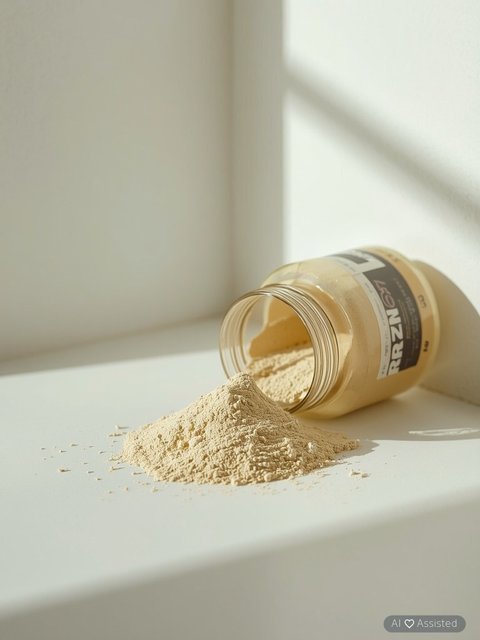
Protein supplements are categorized based on their dietary source, processing method, and physiological function, each offering distinct advantages for different populations. The most common categories include dairy-derived and plant-based proteins, each with unique benefits and considerations. Whey protein, derived from milk, is available in three primary forms: Concentrate (WPC) containing 70–80% protein with residual fats and lactose, Isolate (WPI) with >90% pure protein and negligible lactose, and Hydrolysate (WPH), which undergoes enzymatic pre-digestion for rapid absorption. For sustained amino acid delivery, particularly overnight, micellar casein is ideal, as it digests slowly over 6–8 hours, providing a prolonged anabolic stimulus.
Plant-based alternatives such as pea protein, rice protein, hemp protein, and soy protein offer complete essential amino acid profiles and are suitable for vegans, lactose-intolerant individuals, or those with dairy allergies. While animal-derived proteins often exhibit higher biological value, plant proteins are typically more environmentally sustainable and lower in fat. The selection of a protein supplement should align with individual goals—whether muscle hypertrophy, fat loss, or general health—while also considering personal preferences and dietary restrictions.
Physiological Effects of Protein Supplements: Mechanisms and Health Benefits
The physiological efficacy of protein supplements is primarily driven by their amino acid composition, particularly their richness in essential amino acids (EAAs) and branched-chain amino acids (BCAAs: leucine, isoleucine, valine). Leucine acts as the primary biochemical activator of the mTOR pathway, directly stimulating muscle protein synthesis (MPS) and accelerating myofibrillar repair following resistance exercise. Beyond muscular anabolism, protein supplements confer systemic health benefits that extend beyond muscle growth.
Key physiological effects include:
- Increased Thermogenesis: The high thermic effect of food (TEF) associated with protein consumption requires 20–30% of its energy for digestion and metabolic processing, thereby enhancing caloric expenditure and supporting fat loss indirectly.
- Enhanced Satiety: Protein supplementation stimulates the release of satiety hormones such as PYY, GLP-1, and cholecystokinin while suppressing the hunger hormone ghrelin, leading to prolonged postprandial fullness and reduced overall caloric intake.
- Systemic Biosynthesis: Protein provides the substrates necessary for the synthesis of enzymes, peptide hormones, immunoglobulins, and structural proteins, thereby supporting metabolic health and immune function.
- Convenient Post-Workout Nutrition: The ease of digestion and rapid absorption make protein supplements an ideal post-exercise nutritional strategy to meet elevated protein demands without overburdening the digestive system.
Additionally, protein supplements mitigate exercise-induced muscle proteolysis during intense training or fasting phases, thereby preserving lean mass and optimizing recovery. Through targeted supplementation, athletes can not only enhance performance but also achieve long-term health benefits.
Strategic Supplementation: Dosing, Timing, and Personalization
Effective protein supplementation requires a tailored strategy that aligns with body mass, training stimulus, baseline nutritional intake, and individual goals. For athletes engaged in progressive resistance or endurance training, daily protein targets typically range between 1.6 and 2.2 grams per kilogram of body weight—significantly higher than the recommendations for sedentary individuals (0.8–1.2 g/kg). Protein supplements should complement, rather than replace, a balanced diet.
Key principles for optimal supplementation include:
- Per-Meal Dosing: A serving of 20–30 grams of high-quality protein provides approximately 2.5–3 grams of leucine, which is sufficient to surpass the 'leucine threshold' for muscle protein synthesis activation.
- Post-Workout Timing: Consuming rapidly digesting whey protein isolates (WPI/WPC) within 1–2 hours post-exercise accelerates muscle recovery and glycogen replenishment, particularly when co-ingested with carbohydrates.
- Nocturnal Recovery: Ingesting 30–40 grams of slow-digesting micellar casein before bed sustains hyperaminoacidemia throughout the overnight fast, mitigating muscle proteolysis.
- Even Distribution: Spreading protein intake across 3–5 meals spaced 3–4 hours apart optimizes nitrogen retention and anabolic signaling.
Consumers should prioritize products with transparent certificates of analysis to ensure the absence of heavy metal contaminants and unnecessary additives. A well-structured supplementation plan can enhance athletic performance, improve overall health, and support long-term well-being.
Tags

mgr Emilia Szymańska
✓Diets Premium Expert
Diets Premium team expert. Specializes in nutrition plans, strength sports, and training plans.
View Profile →