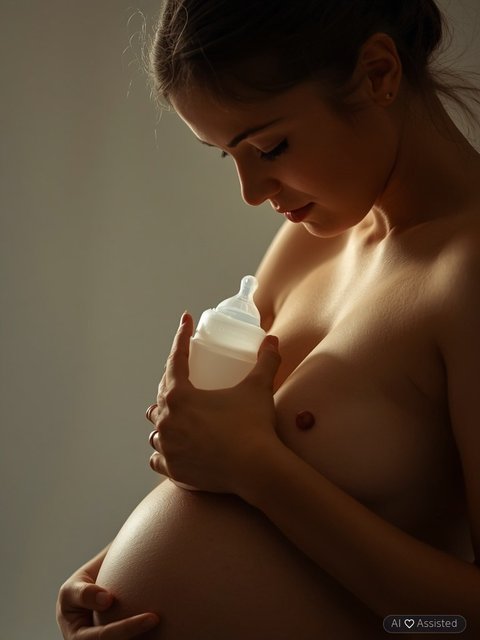
Modified Milk - Types to Consider When Making a Choice

Wojciech Wiśniewski
Wojciech Wiśniewski ✓
Diets Premium Expert • 23.03.2026
✓
Scientifically reviewed by a clinical dietitian: This article has been peer-reviewed for adherence to IŻŻ, WHO, and PTGiP clinical nutritional standards.
Diets Premium Expert Wojciech Wiśniewski min read 6 min Scientifically reviewed by a clinical dietitian 23.03.2026
Modified Milk - Types to Consider When Making a Choice

Smart Voice

•

Listen to the article content live

0:00 / 0:00
Key Takeaways
From the very first moments of a child's life, it is important to provide them with appropriate nourishment. It has a significant impact on their current development and growth, as well as on their future bodily function. The World Health Organization (WHO) recommends that children be fed exclusively with breast milk for the first 6 months of their life. In cases where the mother is unable or unwilling to breastfeed, she must opt for modified milk. How do the available products on the market differ and how can one ensure that the child receives the best nourishment?
Meal Plan

Want to apply these guidelines in your daily diet?

Our smart diet generator creates a tailored meal plan in 3 minutes based on the recommendations in this article.

PRO Content PRO

This article is professional premium content (PRO) provided in its entirety.

What is modified milk for children

Modified milk is a food product specially developed for infants and young children. It consists of cow's or goat's milk, which is modified to make its composition as similar as possible to that of human milk. Unfortunately, it is not possible to create milk that is identical to human milk. For many years, alternatives to breastfeeding were breastfeeding with cow's milk or breastfeeding with milk from women who were not related to the child (who often also served as caregivers). It is important to emphasize that human milk cannot be replaced by regular cow's milk, goat's milk, or plant-based beverages, as these products can overload the digestive system of infants and young children due to the high protein content and high concentration of minerals. The first substitutes for human milk were developed in the mid-19th century and consisted of cow's milk and cereals. These products were high in calories, but they lacked important nutrients such as proteins, vitamins, and minerals. Over the years, they have been improved. Nowadays, there is a wide range of products that meet all the needs of infants and young children.

Adaptations of modified milk

Organic requirements in relation to various nutritional components vary with age, and an interesting fact is that the composition of breast milk evolves during lactation. Its nature is different immediately after birth and different several months later. The fundamental criterion for the distribution of modified milk is the age of the child. Milk types are usually designated with numbers from 1 to 5. – Initial milk (1) – intended for newborns and infants up to 6 months of age, which in this period constitutes the only food of the child and is sometimes used as a supplement to breastfeeding. – Progressive milk (2) – intended for infants aged 7-12 months, which is no longer the only component of the child's diet, although it still forms the basis. – Junior milk (3, 4, and 5) – for children successively between 1 and 2 years of age, after 2 years of age, and after completing 2.5 years.

Additional labels that can be found on the packaging of modified milk

– HA – hypoallergenic modified milk that is intended to prevent the development of a food allergy to cow's milk proteins. It is used in infants with an increased risk of allergy (e.g. allergy occurs in parents or siblings). It contains partially hydrolyzed protein, i.e. one whose structure is broken down into smaller elements (peptides). However, the protein chains are shorter, the product is less allergenic. – AR – used in children with a tendency to vomit. It contains additives such as potato starch or oatmeal, which thicken in the stomach, thereby reducing the frequency and intensity of vomiting. However, it is important to note that vomiting in the first months of life is physiological and does not cause concern, while in case of excessive vomiting or vomiting, a pediatrician should be consulted. – Sensitive – intended for healthy infants with mild digestive disorders (flatulence, constipation, colic). The milk product is easier to digest, with reduced lactose content and partially hydrolyzed protein, sometimes with the addition of prebiotics and probiotics. – Comfort/AntiColic – milk for infants with a tendency to constipation and colic; contains less lactose. – R – modified milk products enriched with rice porridge, which provide a longer feeling of satiety and are more caloric. They are intended for children who have difficulty feeding or have too low body weight. – PRE/Premature/Natal – milk intended for premature and newborn infants with low birth weight. The product usually contains more protein, fats, and mineral components and is primarily more caloric.

What factors should be considered when selecting modified milk

A doctor should supervise the selection of modified milk. It is important to know that the composition of the product is regulated by the European Union Directive and the Health Minister's Regulation, which ensures a uniform composition of essential nutrients in all preparations. The composition of modified milk is complex and contains mainly proteins (whey and casein), fats (milk, plant, and fish oil), carbohydrates (lactose and oligosaccharides), vitamins and minerals, often also probiotics and prebiotics. A controversial component is palm oil, which contains a large amount of palmitic acid, but also saturated fatty acids. In 2019, ESPGHAN noted that the addition of palm oil may affect the stool consistency of infants fed with modified milk. There is no universal mixture suitable for all children, so it is important to be guided by how the child reacts to the product and adjust the mixture to the age and health status of the child.
Wojciech Wiśniewski

Wojciech Wiśniewski

✓

Diets Premium Expert

Diets Premium team expert. Specializes in nutrition plans, strength sports, and training plans.

View Profile →
Recommended articles in this category

Related Articles

Discover similar publications and expert insights.

Diet Coding – Its Significance and Methods for Proper Implementation
Pregnancy & Motherhood
Diet Coding – Its Significance and Methods for Proper Implementation
⏱ 7 min czytania 📚 Pregnancy & Motherhood
#Breastfeeding
Dietary Supplementation During Lactation
Pregnancy & Motherhood
Dietary Supplementation During Lactation
⏱ 5 min czytania 📚 Pregnancy & Motherhood
#Breastfeeding
Stomach Cold During Pregnancy and Breastfeeding – How Long Does It Last?
Pregnancy & Motherhood
Stomach Cold During Pregnancy and Breastfeeding – How Long Does It Last?
⏱ 4 min czytania 📚 Pregnancy & Motherhood
#Pregnancy Symptoms #Breastfeeding
Breastfeeding: How Long and When to Transition to the Bottle
Pregnancy & Motherhood
Breastfeeding: How Long and When to Transition to the Bottle
⏱ 3 min czytania 📚 Pregnancy & Motherhood
#Vitamins #Essential Nutrients
The Immunological and Metabolic Benefits of Breastfeeding: Bioactive Components, Microbiota, and Epigenetics
Pregnancy & Motherhood
The Immunological and Metabolic Benefits of Breastfeeding: Bioactive Components, Microbiota, and Epigenetics
⏱ 3 min czytania 📚 Pregnancy & Motherhood
#Scientific Research On Diet #Child Health And Diet
Early Stages of Breastfeeding – Key Considerations for Nursing Mothers
Pregnancy & Motherhood
Early Stages of Breastfeeding – Key Considerations for Nursing Mothers
⏱ 8 min czytania 📚 Pregnancy & Motherhood
#Essential Nutrients #Breastfeeding
Advantages of Breastfeeding for Mother and Child
Health
Advantages of Breastfeeding for Mother and Child
⏱ 3 min czytania 📚 Health
#Breastfeeding Benefits #Nutrient-Rich
Feeding After 6 Months – When and How to Introduce Solid Foods?
Pregnancy & Motherhood
Feeding After 6 Months – When and How to Introduce Solid Foods?
⏱ 4 min czytania 📚 Pregnancy & Motherhood
#Nutrition #Breastfeeding
Fennel (Foeniculum vulgare) – Medicinal Properties and Applications. How to Administer Fennel Tea to Infants and Young Children?
Pregnancy & Motherhood
Fennel (Foeniculum vulgare) – Medicinal Properties and Applications. How to Administer Fennel Tea to Infants and Young Children?
⏱ 4 min czytania 📚 Pregnancy & Motherhood
#Italian #Tea
Ingestion of Strawberries during the Period of Breast-feeding
Fruits
Ingestion of Strawberries during the Period of Breast-feeding
⏱ 3 min czytania 📚 Fruits
#Strawberries #Breastfeeding
Breastfeeding nutrition - essential dietary factors supporting lactation and health
Health Conditions
Breastfeeding nutrition - essential dietary factors supporting lactation and health
⏱ 6 min czytania 📚 Health Conditions
#Breastfeeding Nutrition #Essential Nutrients
The utilization of castor oil throughout pregnancy and as a labor induction method: an evidence-based assessment of safety and efficacy from historical to contemporary perspectives
Pregnancy & Motherhood
The utilization of castor oil throughout pregnancy and as a labor induction method: an evidence-based assessment of safety and efficacy from historical to contemporary perspectives
⏱ 3 min czytania 📚 Pregnancy & Motherhood
#Traditional #Nutrient Supplementation In Pregnancy
Non-alcoholic beverage from malted grains. Is it possible to consume non-alcoholic beer during pregnancy and breastfeeding?
Pregnancy & Motherhood
Non-alcoholic beverage from malted grains. Is it possible to consume non-alcoholic beer during pregnancy and breastfeeding?
⏱ 4 min czytania 📚 Pregnancy & Motherhood
#Alcoholic Beverage #Soft Drink
Mastering Breastfeeding: Evidence-Based Techniques for a Comfortable, Stress-Free Nursing Experience
Pregnancy & Motherhood
Mastering Breastfeeding: Evidence-Based Techniques for a Comfortable, Stress-Free Nursing Experience
⏱ 6 min czytania 📚 Pregnancy & Motherhood
#Breastfeeding
Healthy Diet of Breastfeeding Mother and Composition of Human Milk
Dietetics
Healthy Diet of Breastfeeding Mother and Composition of Human Milk
⏱ 6 min czytania 📚 Dietetics
#Breastfeeding
Mother's Diet During Breastfeeding - Facts and Myths
Dietetics
Mother's Diet During Breastfeeding - Facts and Myths
⏱ 7 min czytania 📚 Dietetics
#Breastfeeding
Plant-Based Nourishment During Lactation
Dietetics
Plant-Based Nourishment During Lactation
⏱ 8 min czytania 📚 Dietetics
#Breastfeeding
Folate Acids - Action, Sources in Food, Consequences of Deficiency, Supplementation
Pregnancy & Motherhood
Folate Acids - Action, Sources in Food, Consequences of Deficiency, Supplementation
⏱ 6 min czytania 📚 Pregnancy & Motherhood
#Pregnancy
How Many Calories Does Beer Have? Consequences for the Body
Health
How Many Calories Does Beer Have? Consequences for the Body
⏱ 4 min czytania 📚 Health
#Pregnancy
Unwanted Products in the Infant's Diet
Pregnancy & Motherhood
Unwanted Products in the Infant's Diet
⏱ 6 min czytania 📚 Pregnancy & Motherhood
#Newborn & Infant
Excessive Food Consumption During Pregnancy – An Invisible Threat to Expectant Mothers
Pregnancy & Motherhood
Excessive Food Consumption During Pregnancy – An Invisible Threat to Expectant Mothers
⏱ 6 min czytania 📚 Pregnancy & Motherhood
#Nutrition #Pregnancy
Health benefits of Kalarepa... Health benefits of Kalarepa during pregnancy, for infants, recipes... How to consume Kalarepa?
Health
Health benefits of Kalarepa... Health benefits of Kalarepa during pregnancy, for infants, recipes... How to consume Kalarepa?
⏱ 4 min czytania 📚 Health
#Antioxidants #Health Benefits
Sweet Cravings Solved: Choose Nutritious Dried Fruits!
Pregnancy & Motherhood
Sweet Cravings Solved: Choose Nutritious Dried Fruits!
⏱ 6 min czytania 📚 Pregnancy & Motherhood
#Pregnancy
Pasta with Poultry Meat and Spinach Leaves
Pregnancy & Motherhood
Pasta with Poultry Meat and Spinach Leaves
⏱ 1 min czytania 📚 Pregnancy & Motherhood
#Pregnancy
Iron in the Diet of an Exercising Individual
Pregnancy & Motherhood
Iron in the Diet of an Exercising Individual
⏱ 5 min czytania 📚 Pregnancy & Motherhood
#Pregnancy
FAS Team – How Alcohol Affects the Future of Our Children
Pregnancy & Motherhood
FAS Team – How Alcohol Affects the Future of Our Children
⏱ 8 min czytania 📚 Pregnancy & Motherhood
#Lifestyle Changes #Pregnancy
Pregnancy Cravings and Food Aversions – Shaping Factors
Pregnancy & Motherhood
Pregnancy Cravings and Food Aversions – Shaping Factors
⏱ 7 min czytania 📚 Pregnancy & Motherhood
#Snack Foods #Snacks
Progesterone – One of the Fundamental Hormones in a Woman’s Body
Pregnancy & Motherhood
Progesterone – One of the Fundamental Hormones in a Woman’s Body
⏱ 6 min czytania 📚 Pregnancy & Motherhood
#Women's Health #Hormonal Balance
Pregorexia – Dangerous Pregnancy-Related Eating Disorder
Pregnancy & Motherhood
Pregorexia – Dangerous Pregnancy-Related Eating Disorder
⏱ 7 min czytania 📚 Pregnancy & Motherhood
#Eating Disorders #Pregnancy
10 Types of People You Always Meet at the Gym
Pregnancy & Motherhood
10 Types of People You Always Meet at the Gym
⏱ 4 min czytania 📚 Pregnancy & Motherhood
#Lifestyle Changes #Pregnancy

Share