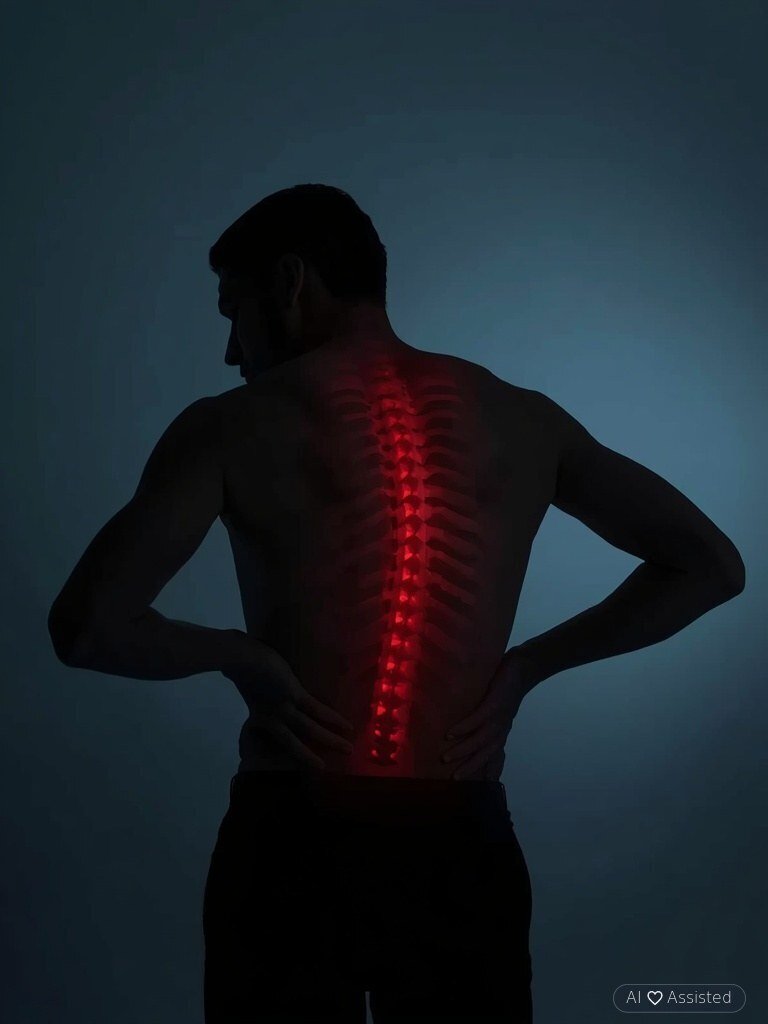
Understanding sciatica: Definition, causative factors, and neural involvement
The clinical term *sciatica*—also referred to as *lumbar radiculopathy*—denotes a constellation of pain-related and neurological symptoms arising from compression or irritation of the spinal nerve roots emerging from the lumbosacral segment of the spinal cord, which collectively form the *sciatic nerve*, the body’s largest and longest peripheral nerve. In numerous cases, the pathophysiology of this condition is intrinsically linked to direct structural impairment or dysfunction of the nerve itself. Colloquially, the disorder may be described as "lumbago," "pinched nerve," or—when severe motor deficits occur—erroneously labeled as "paralysis" of the lower limb, though such instances typically involve temporary muscle weakness rather than complete loss of function.
Sciatica: Unraveling the Multifactorial Etiology and Predisposing Conditions
The development of sciatica is attributable to a multitude of pathophysiological factors, with structural abnormalities within the intervertebral discs representing the most prevalent underlying cause. Chief among these is disc herniation, characterized by the posterior-lateral displacement of the nucleus pulposus toward the intervertebral foramen—the anatomical exit point for nerve roots. This displacement exerts compressive forces on adjacent neural structures, thereby precipitating the hallmark pain syndrome associated with the condition. Another significant etiologic factor is spinal stenosis, a pathological narrowing of the vertebral canal that directly impinges upon the spinal cord or emerging nerve roots, producing analogous symptomatic manifestations. However, diagnosing such causes can be challenging due to the intricate nature of pinpointing the precise location of pathological alterations. Beyond these two primary mechanisms, sciatica may also arise from mechanical trauma, degenerative changes (such as osteophyte formation), excessive physical exertion in the absence of adequate core muscle stabilization, nutritional deficiencies (e.g., vitamins, minerals, calcium), or even piriformis syndrome—a condition wherein anatomical variation causes the sciatic nerve to course *through* rather than beneath the piriformis muscle, rendering it susceptible to compression during routine activities like prolonged sitting or carrying objects in a rear pocket.
Clinical manifestations of sciatic nerve inflammation: Radiating pain patterns, motor dysfunction, and sensory disturbances
The hallmark symptom of sciatic nerve compression is persistent, debilitating pain arising from mechanical irritation or direct pressure on the lumbar or sacral nerve roots. This pain exhibits a radiating pattern—originating in the lower back, traversing the buttock, the posterior thigh, and the calf, and often extending to the toes, with a tendency to intensify along the entire length of the affected limb. Concurrently, patients frequently experience peripheral sensory disturbances, such as tingling, burning sensations, or numbness within the dermatomal distribution of the compromised nerve root. Muscle weakness is another common manifestation, potentially impairing fine motor control or balance. Furthermore, chronic pain triggers reflexive hypertonicity in the paraspinal musculature, which restricts lumbar spine mobility and compels the adoption of compensatory, maladaptive postures to mitigate discomfort. The clinical presentation is heavily influenced by the precise location of the compression: for instance, impingement of the L5 root may result in foot drop due to extensor muscle paresis, whereas S1 root involvement often leads to diminished or absent Achilles tendon reflexes and possible dysfunction of the bladder and/or anal sphincters.
Accurate localization and identification of pathological alterations during diagnostic evaluation
Prior to initiating any therapeutic intervention, it is imperative to accurately pinpoint the anatomical location of the pathological process. To achieve this, in addition to a thorough assessment of the patient’s clinical presentation—supported by the previously outlined symptomatic manifestations—a spectrum of diagnostic procedures is employed. The initial step often involves specialized functional assessments conducted by skilled physical therapists. Among these, the Lasegue’s sign stands out as one of the most diagnostically significant maneuvers; it entails the controlled elevation of an extended lower limb while the patient is in a supine position. In individuals without underlying pathology, hip flexion may reach up to 90 degrees, whereas in affected patients, this range of motion is substantially restricted—a critical diagnostic indicator of an existing disorder.
Beyond functional evaluations, the assessment of neural reflex responses plays a pivotal role in the diagnostic workflow. Deliberate stimulation and provocation of neural structures allow clinicians to evaluate their functional integrity, potentially revealing underlying dysfunctions. Another cornerstone of diagnostic investigation in suspected cases of sciatica involves advanced medical imaging techniques. The most frequently utilized modalities include: conventional X-ray radiography, which provides preliminary insights into bony anatomy; magnetic resonance imaging (MRI), offering high-resolution visualization of soft tissues, including intervertebral discs and nerve roots; and computed tomography (CT), which combines precise bone imaging with limited soft-tissue analysis capabilities. Collectively, these three imaging techniques constitute the gold standard for identifying the etiologies of pain syndromes within the musculoskeletal system that are associated with compression or irritation of the sciatic nerve.
Sciatica Management – Tailored Therapeutic Approaches Based on Disease Progression
The therapeutic approach to sciatica is meticulously tailored to the specific phase and severity of the condition. In acute, short-term presentations of ischialgia, the cornerstone of management typically involves analgesic pharmaceutical agents, structured stretching regimens to alleviate muscular tension, and alternating thermal applications (hot and cold compresses) designed to mitigate inflammation and pain. Conversely, in chronic or prolonged cases, conventional nonsteroidal anti-inflammatory drugs (NSAIDs) pose significant risks, including gastric mucosal irritation and gastrointestinal hemorrhage. Under such circumstances, the preferred intervention shifts toward precision-guided corticosteroid injections administered directly into the inflammatory focus, which effectively reduces compression on the sciatic nerve while providing substantial pain relief. Complementary to this, a structured physical therapy program—supervised by a qualified physiotherapist—plays a critical role in restoring functional mobility. When conservative measures prove ineffective, or when a definitive cause of nerve root compression (e.g., a herniated disc) is identified and symptoms severely impair daily functioning, surgical intervention becomes necessary. The operative procedure, referred to as decompression, involves the mechanical removal of the compressing agent (such as extruded disc material) to restore normal anatomical conditions for the affected nerve root.
Comprehensive Rehabilitation Approaches for Sciatica – Therapeutic Methods and Strategies
Rehabilitation for individuals suffering from sciatica constitutes an indispensable and pivotal component of the comprehensive therapeutic regimen. Physical therapy professionals employ a broad array of physiotherapeutic techniques, movement-based exercises (kinesitherapy), and specialized therapeutic methodologies designed to alleviate neurological symptoms while simultaneously enhancing the functional capacity of musculoskeletal structures. Among the most frequently utilized and empirically validated approaches are neuromobilization techniques, the McKenzie Method—centered on self-directed therapeutic exercises—the Maitland Concept, which emphasizes manual therapy for peripheral joints, and the Kaltenborn-Evjenth System, which prioritizes precise joint mobilization grounded in biomechanical principles.
Kinesitherapeutic exercises are meticulously selected to mitigate pain arising from nerve root compression. The primary objective involves implementing stretching activities targeting overburdened and contracted muscle groups—particularly the gluteal muscles, hamstrings, and calf musculature—as well as the neural structures themselves, including the sciatic nerve. Equally critical is the systematic strengthening of weakened muscle regions that constitute the body’s "muscular corset," thereby preventing recurrence of symptoms and minimizing the risk of developing aberrant movement patterns, mobility restrictions, or chronic dysfunctions.
A vital adjunct to the rehabilitation process comprises physical therapy modalities, among which transcutaneous electrical nerve stimulation (TENS) stands out as particularly effective. This technique involves the strategic placement of electrodes along the anatomical course of the sciatic nerve, facilitating pain signal modulation through controlled electrical impulses. Another highly efficacious method is iontophoresis, which combines direct current with transdermal delivery of pharmacological agents possessing analgesic or anti-inflammatory properties, such as diclofenac or lidocaine. Additionally, sciatica therapy incorporates other physical modalities, including thermotherapy (heat or cold, depending on the disease phase), magnetic field therapy with anti-edematous and regenerative effects, and laser biostimulation, which accelerates tissue repair processes. An integral component of rehabilitation may also include spa therapy, offering patients access to hydrotherapeutic treatments (e.g., carbonated baths, underwater massage) and peat poultices, which exhibit anti-inflammatory, muscle-relaxing, and tissue-nourishing properties.
Evidence-informed home-based strategies for managing sciatic nerve pain
Sciatica represents a clinically significant neuropathic condition, yet several well-documented self-care strategies can help mitigate acute pain symptoms and facilitate functional recovery. It is imperative to emphasize that persistent or worsening symptoms necessitate prompt evaluation by a healthcare professional. The following evidence-based guidelines are designed to optimize daily functioning and minimize recurrence risk: **gradual mobilization as a therapeutic priority** – prolonged inactivity should be avoided; instead, patients are encouraged to engage in gentle, progressive movement to maintain circulation and muscle tone; **biomechanically sound lifting techniques** – when retrieving objects from the floor, a squatting posture should be adopted to shift the load to the lower extremities rather than the lumbar spine; **postural symmetry during rest** – sleeping in a supine or lateral position with spinal alignment preserved is strongly recommended; **avoidance of high-impact movements** – sudden bending, twisting, or jumping may exacerbate nerve compression; **balanced load distribution** – carrying heavy items in a single-hand bag should be replaced with a backpack or dual-carrier system to prevent asymmetrical strain; **supportive sleep environment** – the mattress must provide adequate lumbar support, while the pillow should maintain neutral cervical alignment; **low-impact physical activities** – backstroke swimming emerges as one of the safest aerobic options for individuals managing sciatic symptoms.