
4 min read
Goose fat – Culinary and remedial component

Mia Hoffmann
✓
Diets Premium Expert • 24.09.2026
✓
Scientifically reviewed by a clinical dietitian:
This article has been peer-reviewed for adherence to IŻŻ, WHO, and PTGiP clinical nutritional standards.
| Diets Premium Expert Mia Hoffmann | min read 4 min | Scientifically reviewed by a clinical dietitian 24.09.2026 |
Smart Voice
•Listen to the article content live
0:00
/
0:00
Key Takeaways
Goose fat, formerly widely used, is now often associated with local traditions.. Known not only as a food, but also as an extremely important ingredient in medicines in folk medicine.. Today, goose fat is more commonly found in the kitchen than in the home medicine kit.. Can this fat be used at all and does it really work against colds?
Meal Plan
Want to apply these guidelines in your daily diet?
Our smart diet generator creates a tailored meal plan in 3 minutes based on the recommendations in this article.
The comprehensive guide to rendered goose fat: historical uses, composition, and cultural significance
Rendered goose fat, colloquially referred to as "goose grease" or "goose lard," constitutes a versatile substance obtained through the slow melting of adipose tissue from geese. Beyond its culinary applications as a prized ingredient in traditional gastronomy across diverse cultures, it has historically served as a foundational component in homemade medicinal preparations and cosmetic formulations. Ethnobotanical records document its widespread employment in folk medicine, particularly as an adjunct therapy for respiratory ailments, including persistent coughs and symptoms associated with common colds and upper respiratory tract infections.
Characteristics of goose fat – nutritional and health-related properties
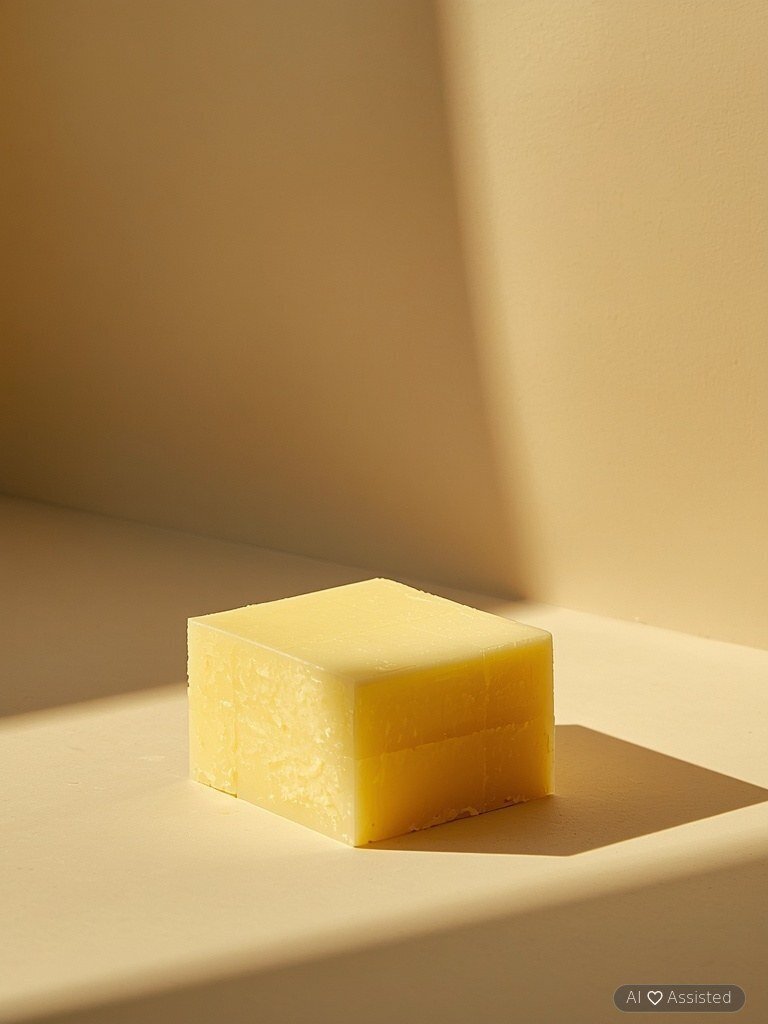
Goose fat, an animal-derived product, differs from other animal fats such as lard due to its lower proportion of saturated fatty acids. Consequently, it does not solidify in the same manner but instead retains a semi-liquid consistency even at ambient temperatures, which is why it is typically sold in jars or small containers rather than in solid blocks. Chemically, saturated fats account for only around 30% of its composition, whereas the predominant fraction—nearly 60%—consists of monounsaturated fatty acids, which are considered more beneficial for cardiovascular health. Compared to butter, goose fat contains less cholesterol but also fewer vitamins; notably, it lacks vitamins D and A, which are present in butter, and provides only vitamin E in a measurable amount (2.7 mg per 100 g). Since it contains no water, its caloric density is slightly higher than that of butter, which comprises approximately 14% liquid. This fat can be used as a spread for bread or as a cooking ingredient; however, due to its high energy content, it should be consumed in moderation to prevent excessive weight gain.
Applications of Goose Fat – From Culinary Uses to Non-Culinary Household Purposes
Goose fat serves multiple purposes, ranging from culinary applications—such as frying, roasting, and basting—to non-culinary uses, including homemade cosmetic preparations. Its smoke point (~107°C / ~225°F) permits heating to moderately high temperatures, though for even higher heat exposure, sunflower oil, palm oil, or clarified butter (smoke points exceeding 200°C / ~390°F) are preferable alternatives. Historically, it was believed to possess medicinal properties, such as alleviating cold symptoms, but modern research does not substantiate these claims. Any warming effect likely stems from the mechanical action of rubbing rather than pharmacological activity. However, the fat can be enriched with active ingredients—such as menthol-containing essential oils—to achieve cooling or decongestant effects. It is worth noting that commercially available products with similar properties are widely accessible in pharmacies, reducing the need for DIY preparations.
Can goose fat genuinely diminish wrinkles? An evidence-based examination of its composition and effects
With regard to its anti-wrinkle properties, the scenario mirrors that of its efficacy against cold symptoms: the absence of scientifically validated bioactive compounds precludes the attainment of measurable therapeutic outcomes. Goose fat lacks hyaluronic acid—a key moisture-binding molecule—along with coenzyme Q10, which supports cellular energy metabolism, and stem cells that stimulate tissue regeneration, all of which are standard components in high-performance anti-aging formulations. Nevertheless, topical application of this natural lipid may help mitigate transepidermal water loss (TEWL), thereby enhancing skin hydration levels and temporarily smoothing the epidermal surface. A comparable protective and emollient effect is observed with cosmetic oils such as olive oil or coconut oil, both rich in fatty acids and vitamin E. An additional benefit of goose fat may lie in its potential to soothe irritated or excessively dry skin, particularly in individuals with sensitive or dehydrated complexions. While consistent use may contribute to maintaining the skin’s lipid barrier integrity, one should not anticipate results comparable to those achieved through professional aesthetic procedures or advanced dermatological treatments. Were goose fat to demonstrate clinically significant efficacy in wrinkle reduction, its purified fractions would undoubtedly be the subject of rigorous scientific investigation and subsequent commercialization by industry leaders—a development that has not materialized to date.
Where might one procure authentic rendered goose fat, and what are the approximate price ranges for this traditional cooking fat?
Authentic rendered goose fat—obtained by slowly melting down the fat of geese—is primarily stocked in larger grocery chains, typically within the animal fats section alongside lard or goose meat products. Owing to its regional nature, this culinary staple is also frequently found in organic food stores, farmers' markets featuring local artisanal goods, or specialty grocers emphasizing healthy, traditional diets. Availability may fluctuate depending on the season and geographic location, particularly in areas where goose farming is more prevalent.
Can one genuinely prepare homemade goose fat independently in a kitchen setting?
Producing goose fat at home is entirely feasible, though it may entail substantial financial investment. The process necessitates procuring a whole goose, which must then be subjected to roasting—preferably in a deep, oven-safe roasting pan with sufficiently high sides to facilitate the collection of rendered fat as it separates from the tissue. To enhance the flavor profile of the final product, the incorporation of fragrant herbs and carefully selected spices is highly recommended. Following the roasting process, the extracted fat will remain in a liquid state for an extended period; consequently, it is neither necessary nor advisable to decant it while still hot. To achieve the desired solidified consistency, the fat should be transferred to a refrigerator, where it will gradually assume a distinctive off-white hue and become suitable for spreading on bread or incorporating into various dishes. Homemade goose fat represents a prized culinary addition for enthusiasts of traditional flavors; however, like all animal-derived fats, it is calorically dense, warranting moderation in consumption. An alternative application involves its use as a base ingredient for crafting homemade ointments with emollient properties. It is important to note, however, that—contrary to certain claims within folk medicine—goose fat in its pure form does not possess inherent medicinal qualities and should be regarded primarily as a lipid-rich food product.
Tags

Mia Hoffmann
✓Diets Premium Expert
Diets Premium team expert. Specializes in nutrition plans, strength sports, and training plans.
View Profile →



