PRO
6 min read
Elderberry (Sambucus nigra): Health Benefits, Uses, and Syrup Recipes

Alicja Kowalska
✓
Diets Premium Expert • 23.10.2026
✓
Scientifically reviewed by a clinical dietitian:
This article has been peer-reviewed for adherence to IŻŻ, WHO, and PTGiP clinical nutritional standards.
| Diets Premium Expert Alicja Kowalska | min read 6 min | Scientifically reviewed by a clinical dietitian 23.10.2026 |
Smart Voice
•Listen to the article content live
0:00
/
0:00
Key Takeaways
The fruits and flowers of elderberry contain valuable bioactive nutrients with scientifically proven health benefits. For centuries, they have been used in natural medicine and processed into health-promoting beverages, juices, and syrups.
Meal Plan
Want to apply these guidelines in your daily diet?
Our smart diet generator creates a tailored meal plan in 3 minutes based on the recommendations in this article.
PRO Content
PRO
This article is professional premium content (PRO) provided in its entirety.
Botanical Overview of Black Elderberry.
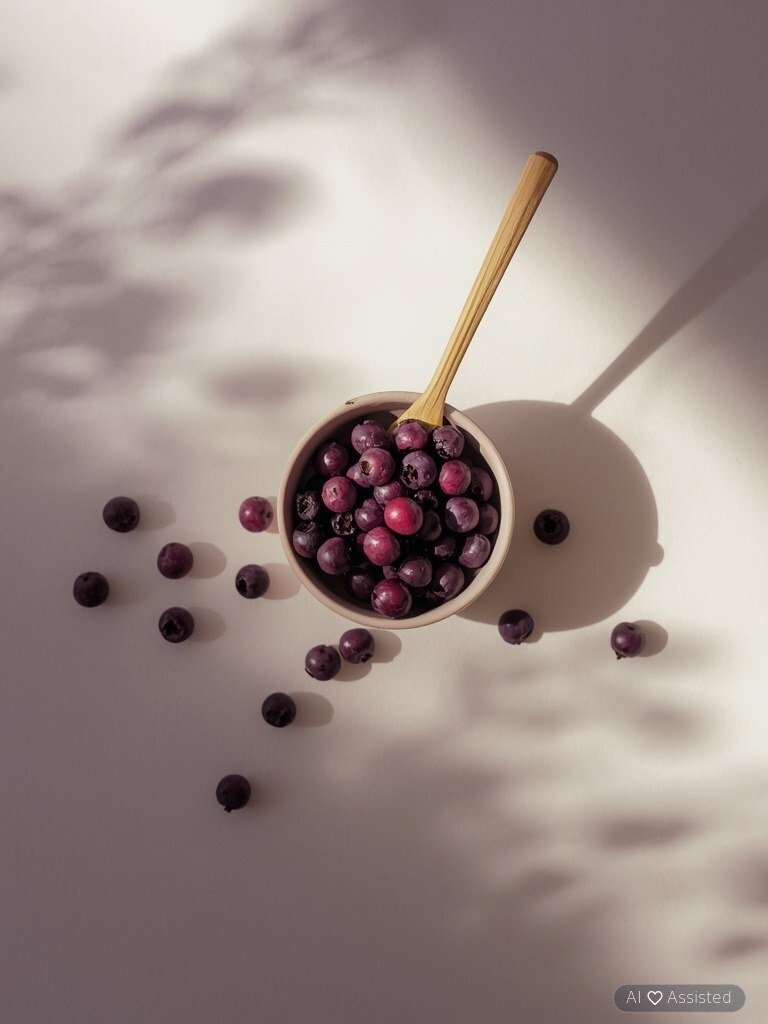
The blackless (Sambucus nigra L.) is a large shrub of the mustard family that grows to about 4 m in height. It is common in Europe, Central Asia, North Africa, and both the Americas. Its flowering period is in May and June, while the fruit ripens from July to October. The fruit and flowers are used for nutritional purposes, while virtually all parts of the tree, i. e. flowers, leaves, bark, and roots, are used medicinally.
Medicinal Properties and Immune System Support.
Scientific studies of the flowers and fruits of black elderberries, as well as the bioactive compounds isolated from them, indicate anti-inflammatory, antiviral, antibacterial, antiplacental, diuretic, immunostimulating and anti-oxidant properties, which result in lowering blood cholesterol and glucose levels. Because of the composition of the plants, Sambuca is used primarily as an anticoagulant, anti-malarial, blood vessel sealing, and as a potent agent. In addition, it acts as a repellent, strengthening, antiparasitic and antioxidant agent.
Homemade Elderberry Syrup Preparation.
Black elderberry syrup can be purchased in pharmacies or in health food and herbal stores. It is also worth preparing it yourself at home. You can use both the flowers and the fruit of this plant for this purpose.
Culinary Recipes and Healthy Elderberry Infusions.
Here are some recipes for using black beetroot in your kitchen: a recipe for a bowl of black bean fruit Ingredients: 4 glasses of black beetle fruit, strained and dressed 2 glasses sugar 1 1⁄2 tablespoon leather leather from lemons, 2 tablespilespoons leather juice 1 glass of water from apples, wines, jams, marmalades, and other preparations.
Tags

Alicja Kowalska
✓Diets Premium Expert
Diets Premium team expert. Specializes in nutrition plans, strength sports, and training plans.
View Profile →