Diet for Insulin Resistance

Mateusz Pawlak
✓
Diets Premium Expert • 25.03.2026
✓
Scientifically reviewed by a clinical dietitian:
This article has been peer-reviewed for adherence to IŻŻ, WHO, and PTGiP clinical nutritional standards.
| Diets Premium Expert Mateusz Pawlak | min read 7 min | Scientifically reviewed by a clinical dietitian 25.03.2026 |
Smart Voice
•Listen to the article content live
0:00
/
0:00
Key Takeaways
Insulin resistance is one of the most commonly identified metabolic disorders. This condition frequently coexists with ailments such as obesity, type 2 diabetes, hypertension, atherosclerosis, and polycystic ovarian syndrome. To effectively manage insulin resistance, it is crucial to implement suitable alterations to the diet. It is vital to consider which foods should be incorporated into the diet and which should be omitted.
Meal Plan
Want to apply these guidelines in your daily diet?
Our smart diet generator creates a tailored meal plan in 3 minutes based on the recommendations in this article.
PRO Content
PRO
This article is professional premium content (PRO) provided in its entirety.
What does insulin resistance mean?
Insulin is a hormone produced by the pancreas that fulfills numerous important functions related to metabolism. These include the transportation of glucose to cells, storage of glucose as glycogen, and involvement in the metabolism of carbohydrates, proteins, and fats. Insulin resistance is a complex pathological condition resulting from a disturbed carbohydrate metabolism. In this state, insulin-dependent cells (including fat cells, muscle cells, and liver cells) exhibit reduced sensitivity to insulin's action, leading to diminished capacity for glucose absorption and utilization. The primary cause of insulin resistance is often an excessive amount of fat tissue resulting from overweight and obesity, triggered by inadequate physical activity and diet. Genetic predisposition, certain medications, and other diseases can also contribute. Symptoms of insulin resistance may include daytime drowsiness (particularly after meals), difficulty falling asleep, fatigue, headache, irritability, cravings for sweets (often after large meals), weight loss resistance, skin changes such as acanthosis nigricans, decreased muscle strength and endurance, as well as co-occurring conditions like hypertension, elevated cholesterol, triglycerides (lipid disorders), and uric acid levels (gout).
Recognition and management of insulin insensitivity
In order to diagnose insulin insensitivity, certain tests must be performed. The glucose and insulin levels must be checked in a fasting state. Based on these results, the HOMA-IR index is calculated. In people with normal insulin sensitivity under normal physiological conditions, this index should not exceed 2.5. A commonly performed test that evaluates the carbohydrate metabolism is the OGTT load test. This test involves determining the glucose level in the blood in a fasting state, drinking a solution containing 75 g of glucose, and then measuring the glucose level in the blood again after 2 hours. In the case of insulin insensitivity, appropriate treatment is required. The most important component of treatment is lifestyle modification, normalization of body weight, introduction of a suitable diet and physical activity, and the elimination of substances such as alcohol and cigarettes. In some cases, pharmacotherapy, such as metformin, may be used.
Dietary recommendations for individuals with insulin resistance
Taking into account the glycemic index (GI), products can be divided into those which are quickly digested after consumption and cause a sudden increase in blood glucose levels (commonly referred to as sugar levels), and those which cause a gradual release of glucose after consumption. The first group includes products with a high glycemic index, which should be best eliminated from the diet. These include sugar, honey, jams, sweets, and other highly-processed carbohydrate-rich products. The second group is low-glycemic products, therefore the diet of individuals with insulin resistance should be based on these products. White bread, flour, pasta, sweetened breakfast cereals should be replaced with whole grain products and bread. It is worth reaching for coarse porridge, legumes, and raw vegetables. The lower the degree of processing of the product, the lower the glycemic index. The value of this index is also influenced by the method of culinary processing and the degree of comminution. Long cooking increases the glycemic index, therefore vegetables and pasta should be prepared al dente. It is also important to note the beneficial effect of resistant starch, which is not digested by the enzymes of the digestive tract and is not absorbed in the small intestine. Products containing resistant starch have a low glycemic index. Resistant starch naturally occurs in unripe bananas and legumes, but also forms when previously cooked starchy products, such as potatoes, flour products, or rice, are cooled down.
The appropriate composition of the meal
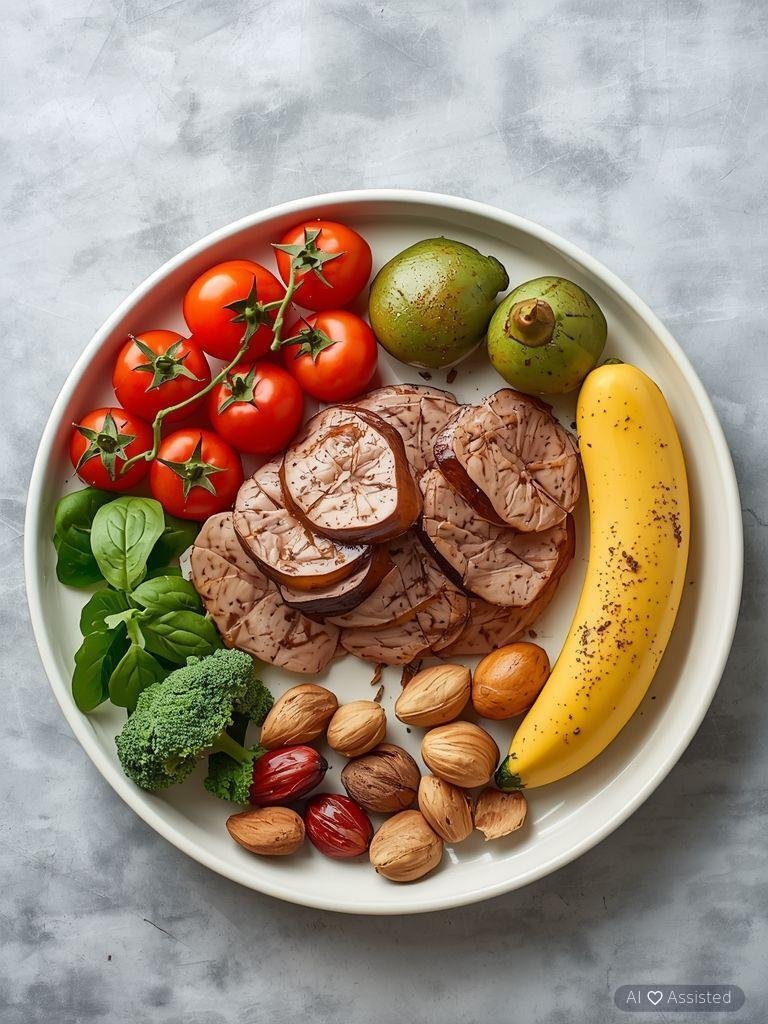
It is essential that the composition of a meal for insulin-resistant individuals includes proteins, fats, and carbohydrates. There is information about the recommended intake of protein- and fat-rich meals and the reduction of carbohydrates, but this depends on individual needs. For some people, this approach can be helpful, while for others, it may not be relevant. It all depends on your well-being and the results of your tests. However, it is essential to remember that carbohydrates should always be consumed with other nutrients to prevent a sudden increase in blood sugar and insulin levels. For example, fruits should be combined with yogurt and nuts to ensure the presence of proteins and healthy fats in the meal. This way, the glycemic index can be reduced, digestion time prolonged, and sudden fluctuations in blood sugar levels prevented, which simultaneously increases the feeling of fullness and reduces the desire for snacks.
Frequency of meal intake
In addition to the correct composition of meals, their frequency is also important. Systematic consumption of meals at established times of the day, with appropriate breaks, helps to avoid sudden fluctuations in insulin and blood glucose levels. Furthermore, it prevents the occurrence of a strong feeling of hunger, uncontrolled appetite, and a tendency to overeat. A frequently occurring problem is skipping meals in the morning and consuming a substantial meal in the evening. Such a way of eating can lead to the accumulation of fat tissue, production of inflammatory substances, and reduction of tissue response to insulin.
Elevating the consumption of dietary fibers
Dietary fibers represent a pivotal component of nutrition. They induce a sensation of satiety, as they can absorb water molecules. They expand in the digestive tract, resulting in an enlargement of the ingested meal's size. They delay gastric emptying, decrease appetite, and regulate intestinal functioning. Furthermore, products with high fiber content are acknowledged for their lower glycemic index. The most excellent sources of this substance encompass whole-grain products, vegetables, fruits, legumes, and nuts. An elevated fiber intake in the diet leads to enhanced insulin sensitivity, improved lipid profile, and consequently, a diminished risk of cardiovascular and metabolic diseases.
Consumption of unsaturated fats
Insulin resistance is often accompanied by high levels of cholesterol and triglycerides. Therefore, it is important to pay attention to the quality of consumed fats. Saturated and trans fats should be eliminated from the diet or, at least, severely limited. They are primarily found in animal products, processed foods and fast foods. They should be replaced with mono- and polyunsaturated fatty acids. Particular importance is attached to omega-3 fatty acids, as they have anti-inflammatory properties, improve lipid profile and insulin sensitivity. Their valuable sources include, above all, fatty sea fish, vegetable oils, walnuts, flaxseed and chia seeds. These products should be consumed regularly.
Proper water provision
In the event of insulin resistance, water is the optimal selection. To attain a varied flavor, it is advisable to include lemon slices, cucumber slices, and/or fresh mint leaves. The consumption of unsweetened tea and herbal infusions, specifically from white mulberry and nettle, is also possible. They exhibit hypoglycemic properties (lowering blood glucose levels). There are rewarding studies that indicate that black coffee without added sugar and milk consumed in appropriate quantities (3-4 cups per day) has a positive effect on carbohydrate metabolism, regulates glucose levels, and also enhances cellular insulin sensitivity (N. Tajik et al. 2017; C. E. G. Reis, J. G. Dórea, T. H. M. da Costa 2019).
Is it necessary to exclude gluten and dairy products?
It is often suggested that people with insulin resistance should remove gluten and dairy products from their diets. However, the only indication for the exclusion of gluten is the presence of celiac disease, gluten intolerance or wheat allergy. Gluten-free products are often made from rice or corn flour, which have low fiber content and a high glycemic index, which can negatively affect people with insulin resistance. Similarly, if no allergy or intolerance has been diagnosed, there is no need to eliminate dairy products from the diet. However, it should be noted that restrictive diets that limit the consumption of different food groups can lead to deficiencies and negative health effects.
Summary
A suitable diet constitutes the cornerstone in managing insulin resistance. In our daily meal plan, we should incorporate fresh fruits and vegetables, as well as foods with a low glycemic index, rich in dietary fiber and quality fats. Simultaneously, highly processed products containing simple sugars and saturated fatty acids should be avoided. Additionally, it is essential to combine various foods and maintain regular meal times. In cases of overweight or obesity, it is necessary to implement a reductive diet to decrease body weight. Furthermore, incorporating individually tailored physical activity is crucial.

mgr Mateusz Pawlak
✓Diets Premium Expert
Diets Premium team expert. Specializes in nutrition plans, strength sports, and training plans.
View Profile →