Soybean seeds and processed derivatives – characteristics, applications, and nutritional value in contemporary diets
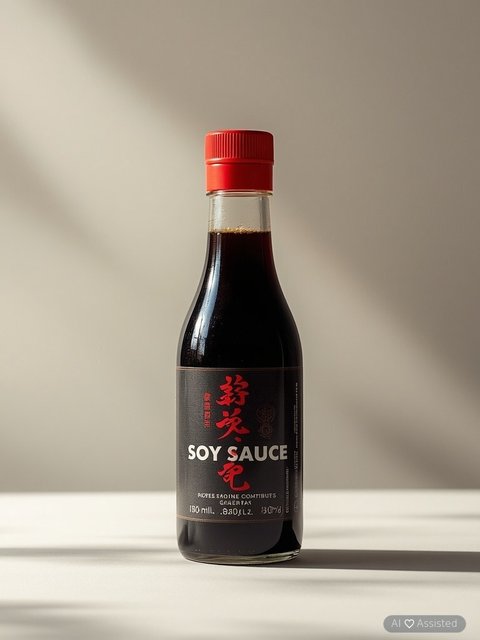
The soybean (*Glycine max*), a leguminous plant indigenous to East Asia, ranks among the globe’s most critical agricultural crops, serving as a primary source of high-quality plant-based protein, oils, and a diverse array of products utilized across food and industrial sectors. Its extraordinary culinary versatility has cemented its role as a cornerstone in numerous dietary patterns, particularly vegetarian and vegan regimens. Among the most widely recognized soybean-derived products are: **tofu** (a neutral-flavored soy curd adaptable to salads, frying, or soup inclusions), **soy milk** (a dairy-free beverage produced from blended, hydrated soybeans), **tempeh** (a fermented, protein-dense cake ideal for main courses), **edamame** (immature green pods steamed and served as a snack or side dish), **miso paste and soy sauce** (essential components of Asian cuisine, renowned for their umami depth), and **soybean oil** (a ubiquitous cooking medium and industrial ingredient). Notably, soybean protein exhibits a complete amino acid profile comparable to animal-derived proteins, rendering it indispensable in plant-exclusive diets. Dry soybean seeds contain between 36% and 56% protein—substantially exceeding the protein content of most other legumes. Additionally, soybeans are rich in isoflavones, bioactive compounds with documented health implications (cf. Fang & Kong, 2022).
Soy isoflavones: Definition, properties, and mechanisms of action in the human body
Soy isoflavones constitute a class of bioactive phytochemicals categorized as phytoestrogens—naturally occurring compounds whose molecular architecture and biological activity closely mimic those of human female sex hormones. They serve as the principal functional component of soybean (*Glycine max*) seeds and derived soy-based products, including soy milk, tofu, and the fermented food tempeh. Among the most extensively studied members of this group are genistein, daidzein, and glycitein, which demonstrate the capacity to interact with both alpha (ERα) and beta (ERβ) estrogen receptors in human tissues. Their mode of action is characterized by duality: they may either activate (agonistic effect) or inhibit (antagonistic effect) receptor function, though their potency is substantially lower than that of endogenous estrogens. Nevertheless, due to their ability to modulate hormone-mediated signaling pathways, soy isoflavones may play a significant role in regulating physiological processes, including lipid metabolism, skeletal homeostasis, and immune responses, as evidenced in research such as that conducted by Nakai and colleagues (2020).
The health implications of soy isoflavonoid consumption: mechanistic pathways and therapeutic benefits
Soy-derived isoflavonoids, categorized as plant-based compounds with estrogen-like activity, exert a multifaceted beneficial influence on lipid metabolism—primarily through the reduction of atherogenic low-density lipoprotein cholesterol and the potential elevation of protective high-density lipoprotein cholesterol. These biochemical modifications may contribute to a decreased incidence of cardiovascular pathologies, including atherosclerotic coronary artery disease and acute coronary syndromes. Furthermore, these phytochemical agents play a pivotal role in maintaining skeletal homeostasis: their capacity to modulate bone mineral density assumes particular significance in postmenopausal women, where the physiological decline in endogenous estrogen production predisposes to osteoporosis and associated fracture risks. Emerging scientific evidence additionally suggests that isoflavones may exhibit protective effects against certain hormone-dependent malignancies—such as breast and prostate cancers—by inhibiting tumor cell proliferation and inducing apoptotic pathways. An additional advantage lies in their efficacy in alleviating climacteric symptoms such as vasomotor flashes and nocturnal hyperhidrosis, positioning them as a viable alternative to conventional hormone replacement therapy, which carries an elevated risk of adverse effects. Equally noteworthy are their antioxidant and anti-inflammatory properties, which may contribute to cellular protection against oxidative damage and chronic inflammatory states, potentially delaying senescence processes and supporting overall cellular functionality (as documented in Nakai et al.’s 2020 research).
Possible adverse effects of soy isoflavones in men: Clinical case analyses and current state of evidence
Early 21st-century scientific literature documented two individual clinical cases of male patients in whom prolonged and high-level consumption of soy protein-rich products resulted in disruptions to endocrine system function, specifically hormonal imbalances associated with androgen metabolism. These documented observations subsequently prompted further research into the effects of phytoestrogens on human physiology.
«-year-old patient consuming twelve daily servings of soy-based beverage – a case examination of isoflavonoid hyperconsumption
The scenario under discussion involves a substantial exceedance of typical daily isoflavone intake, which in soy-rich diets generally ranges from 30 to 50 milligrams. In this clinical presentation, the excessive ingestion of these phytoestrogens may have precipitated endocrine disruptions, evidenced by gynecomastia (abnormal enlargement of male breast tissue), hormonal axis dysregulation, and diminished libido alongside sexual dysfunction. The underlying mechanism is attributed to hyperactivation of estrogen receptors by compounds exhibiting estrogen-like activity, as substantiated in research conducted by Martínez and Lewi in 2008.
It is critical to note that the observed symptoms arise from prolonged exposure to elevated isoflavone concentrations, whose metabolites demonstrate the capacity to modulate hormonal signaling pathways in a manner analogous to endogenous estrogens—albeit with reduced receptor-binding affinity.
«-year-old patient diagnosed with type 1 diabetes whose daily dietary intake consists almost solely of soy-based products and their derivatives
An extremely restrictive soy-centric dietary pattern resulted in excessive exposure to isoflavones—plant-derived compounds exhibiting potential estrogen-like activity. Complex interplaying factors, including the patient’s young age, the coexisting chronic metabolic condition (type 1 diabetes), and the monodietary nature of his nutritional intake, may have predisposed him to a disproportionately strong influence of these phytoestrogens on endocrine regulation. Research conducted by T. Siepmann and colleagues (2011) suggests that, under such specific clinical circumstances, soy-derived isoflavones may exert a significant—though not necessarily typical—effect on androgenic balance. It is critical to emphasize that, beyond these findings and one additional publication, there remains an absence of credible human studies challenging the safety of moderate soy isoflavone consumption with respect to hormonal equilibrium in men adhering to a conventional, varied diet.
A comprehensive evaluation of scientific research findings on the effects of soy and isoflavones on male hormonal balance
Systematic meta-analyses and rigorous literature reviews focusing on the impact of regular soy product and soy isoflavone consumption on androgen profiles in men have yielded the following definitive conclusions:
— **Absence of significant hormonal disruption**: The vast majority of clinical and epidemiological investigations have failed to demonstrate statistically meaningful deviations in either total or bioavailable testosterone concentrations among men who consume soy or its active constituents. A systematic review published in 2010, along with a 2020 update, corroborates that soy intake does not exert a measurable effect on circulating serum testosterone levels.
— **Isolated instances of equivocal findings**: While certain independent studies have documented episodic fluctuations in testosterone levels, these variations lacked consistency across investigations and did not attain statistical significance, thereby precluding the establishment of definitive causal relationships.
— **Dose- and regimen-dependent outcomes**: Data analysis indicates that both the frequency and daily dosage of isoflavone intake may modulate potential biological effects. Notably, even when isoflavone consumption exceeded average amounts typically observed in traditional Asian diets (e.g., Japanese or Chinese), no systematic adverse impact on hormonal homeostasis was identified. This is further supported by the study conducted by Reed et al. in 2021, which underscores the endocrinological safety of long-term soy product consumption.
Recommended and safe consumption levels of soy-based foods in daily nutrition
In East Asian nations, where traditional dietary patterns have long incorporated substantial quantities of soy-based foods, the average daily intake of isoflavones—bioactive compounds naturally present in soy—ranges between 25 and 50 milligrams. Notably, even when these levels are exceeded, comprehensive scientific investigations, including a meta-analysis conducted by van Die et al. in 2014, have failed to identify statistically significant adverse health outcomes within the population. This elevated tolerance to phytoestrogens may stem from prolonged evolutionary adaptation, encompassing both genetic predispositions and environmental factors, such as gut microbiome composition and metabolic efficiency. Conversely, in European regions where culinary traditions rely less heavily on soy, the mean daily isoflavone consumption remains substantially lower—often limited to a few milligrams. These disparities arise not only from divergent gastronomic preferences but also from historically established dietary habits.
With regard to dietary guidelines, experts—including Messina and colleagues in their 2022 publication—recommend that healthy adults without chronic conditions incorporate two to four servings of soy products into their daily diet, with each serving providing approximately 25 grams of plant-based protein. For instance, this could translate to a glass (200–250 ml) of calcium-fortified soy beverage or 100–150 grams of tofu, tempeh, or fermented soy products such as miso paste. However, for individuals with endocrine disorders, particularly those affecting thyroid function, or other specific medical conditions, a personalized assessment by a clinical nutrition specialist or endocrinologist is essential. Such evaluations must account for potential drug–nutrient interactions as well as the patient’s overall clinical status.
Summary and Clinical Implications
The current body of rigorous scientific research unequivocally demonstrates that the routine incorporation of soybean-based products and their constituent isoflavones—at quantities consistent with balanced dietary patterns—exerts no detrimental influence on the physiological equilibrium of androgens, including testosterone concentrations, nor on the broader spectrum of sex hormones in male individuals.