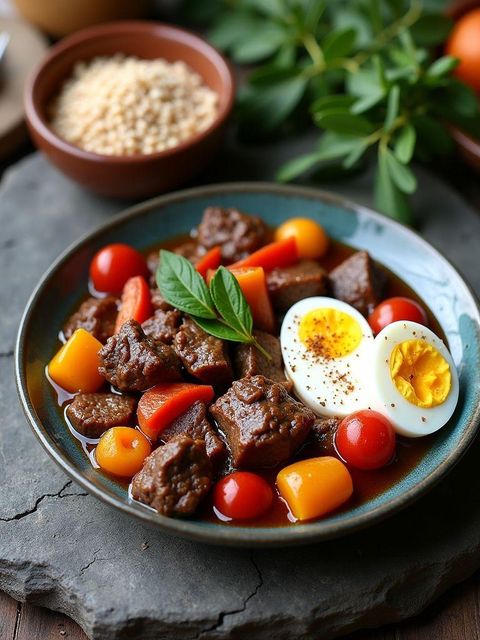
Which products are beneficial for the liver? 10 best foods for the liver

Oliwia Kaczmarek
2026-03-21
7 min. read

1 / 1
2
views
1 zdjęcie
Although it has long been known that the liver is the site of more than 400 chemical reactions daily, many still wonder how exactly this organ functions. The liver is primarily responsible for the removal of harmful substances, eliminating many unwanted toxins and metabolic byproducts from the body.
A little bit about the liver
The liver is the largest gland of the digestive system and also the largest of the body's glands. It should be emphasized that the liver plays a very important role in the process of digestion and absorption of fats. Because bile acids facilitate the emulsion of fat by breaking it down into smaller particles. This makes it possible to more efficiently digest the lipase secretion in the pancreas. It is important to note that not only is the liver a place where many substances (such as fatty acids, carbohydrates and proteins) are processed, but it is also a tool for the synthesis of essential fatty substances, or proteins, which are resistant to digestion.
You have started reading a PRO article
You can preview the first chapter. To read the complete article and unlock all content, upgrade to a PRO account.