PRO
CLINICAL KNOWLEDGE MAGAZINE
7 min read
Parkinson's disease: manifestations, causative factors, assessment and intervention

Tomasz Jankowski
✓
Diets Premium Medical Expert • 24.09.2026
Smart Voice
Listen to the article content live
✓
Scientifically reviewed by a clinical dietitian:
This article has been peer-reviewed for adherence to IŻŻ, WHO, and PTGiP clinical nutritional standards.
| CLINICAL KNOWLEDGE MAGAZINE CLINICAL KNOWLEDGE MAGAZINE | min read 7 min |
| Diets Premium Medical Expert Tomasz Jankowski | Scientifically reviewed by a clinical dietitian 24.09.2026 |

Key Takeaways
Parkinson's disease is a chronic progressive disorder affecting the nervous system primarily in the area known as the black substance and the extrapyramidal system. The black substance and the extrapyramidal system are responsible for the development and control of automatic, unconscious movements such as maintaining balance and proper body posture and they influence fluidity and the course of conscious movements. The main disadvantage of the degeneration of neurons in this region is a deficiency in the neurotransmitter dopamine, resulting in a disruption of signal transmission between brain cells.
Meal Plan
Want to apply these guidelines in your daily diet?
Our smart diet generator creates a tailored meal plan in 3 minutes based on the recommendations in this article.
PRO Content
PRO
This article is professional premium content (PRO) provided in its entirety.
Parkinson's is a symptom
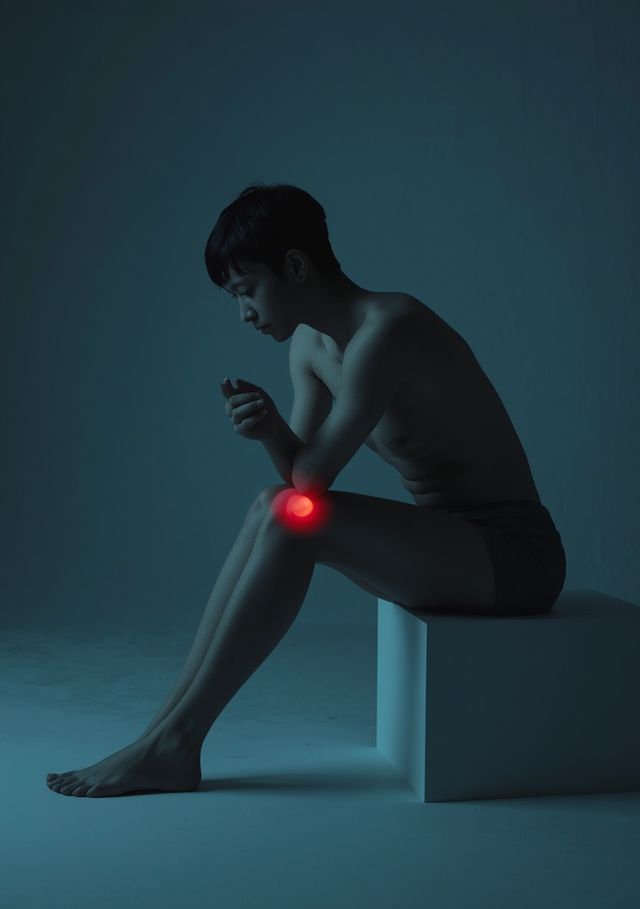
The symptoms are primarily related to the motor system. The patient walks and moves slowly (bradykinesia), rubbing his legs, leaning forward (propulsion), his posture is unstable, the risk of falling is high, the muscles of the limbs and cartilage are stiff, freely trembling, facial mimicry becomes poor (masked face), speech is blurred, and writing gradually decreases until it becomes unreadable (micrography).
Parkinson's disease is the cause
The causes of degenerative changes that give symptoms of Parkinson's disease are unfortunately unknown. The disease is not hereditary. However, about 10% of patients show specific genetic mutations that have been detected in their relatives, including those with the disease. These changes involved the gene encoding the alpha-synuclein protein involved in synthesis, storage, release from synaptic blisters and reuptake of dopamine.
Parkinson's is a diagnosis
So far, there is no specific diagnostic test for the unambiguous detection of the disease. The doctor first assesses the symptoms and course of the condition. He distinguishes it from related neurodegenerative diseases such as multiple sclerosis or Lewy body fatigue, excludes cerebrovascular atrophy as a cause and the potential effect of medicines that can give similar symptoms.
Parkinson's is a cure
In the absence of a known cause, the treatment of Parkinson' s disease is based on the control of symptoms. The most popular and most effective of the drugs is pharmacotherapy. There are three main strategies: supplementing dopamine deficiency, the use of a substance with a post-operative effect (called agonists), or extending the life of this neurotransmitter by inhibiting its breakdown by appropriate enzymes. However, the most common and effective drug is leukaemia.
Parkinson's disease the role of diet: calorie intake and protein intake
In Parkinson's disease, the diet does not delay the progression of the disease. However, it can alleviate the side effects associated with the use of pharmaceuticals and help maintain optimal nutrition. First of all, there is an adequate calorie intake of the diet, which must be increased in comparison to the needs of the same sex and age group, but free of disease.
Parkinson's disease the role of nutrition: the risk of osteoporosis
People with Parkinson's disease are also at risk of osteoporosis, mainly because of their age and low body weight. Not without reason is the fact that there is an increased risk of falls due to imbalances. Weak bones with an abnormal level of mineralization will crack much more easily in case of possible injuries. The description of the situation can be avoided by ensuring proper calcium and vitamin D intake in the diet.
Parkinson's disease the role of nutrition: other recommendations
It is found primarily in vegetables and fruits, legumes, whole grains, dark, thick cereal products such as raisins, brown rice, macaroni, cabbage, spinach, cornflower, cereal flakes. In order for a plant to fulfill its purifying, stimulating peraltacy function, it needs to be fed to the crops from which it derives its nutritional value, i.e. to provide the right source of cereal crops to which it can be fed.
Tomasz Jankowski
Diets Premium Medical Expert
Member of the Diets Premium clinical editorial board. Specializes in medical diet therapy, metabolic health, and nutritional planning.
View Profile →