Breastfeeding and consuming chocolate, honey, pickles, etc. - What can you safely eat during lactation?

David Janitzek
✓
Diets Premium Medical Expert • 24.03.2026
Smart Voice
Listen to the article content live
✓
Scientifically reviewed by a clinical dietitian:
This article has been peer-reviewed for adherence to IŻŻ, WHO, and PTGiP clinical nutritional standards.
| CLINICAL KNOWLEDGE MAGAZINE Health | min read 6 min |
| Diets Premium Medical Expert David Janitzek | Scientifically reviewed by a clinical dietitian 24.03.2026 |

Key Takeaways
The lactation period is a unique time in a woman's life when a special bond forms between the mother and her newborn baby. During this time, the woman's diet should be adjusted to the baby's health to prevent the transfer of substances that can penetrate into the mother's milk and be negative for the baby. The diet should also be balanced and safe for the mother.
Meal Plan
Want to apply these guidelines in your daily diet?
Our smart diet generator creates a tailored meal plan in 3 minutes based on the recommendations in this article.
PRO Content
PRO
This article is professional premium content (PRO) provided in its entirety.
Breastfeeding
Breastfeeding is recommended by experts due to the range of benefits it provides to mother and child. Breastfeeding has a stimulating effect on the proper psychomotor development of an infant, as breast milk has a different composition to suit the needs of the baby, depending on the stage of development. It is also one of the most precisely adapted foods for the needs and digestive system of the infant created by nature. No artificial mixture for infants is able to perfectly reflect the proportions and quality of ingredients in breast milk, such as proteins, fats, vitamins, and minerals, as well as bioactive substances. It is worth noting that only in breast milk are immunoglobulins present, which increase the resistance of the child's body to microbial attacks.
Chocolate and lactation
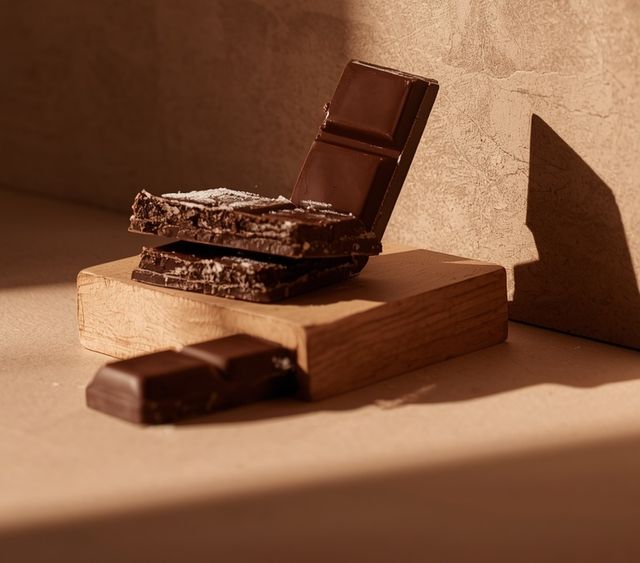
Chocolate is produced from cocoa products: cocoa and cocoa butter. Cocoa contains valuable minerals such as magnesium and iron, but it also contains caffeine, which can have a negative impact on the baby's body. In 100 g of cocoa there is about 230 mg of caffeine, while the recommended daily intake of this component in the diet of a pregnant woman and during breastfeeding is about 200-300 mg per day. Therefore, consuming one or two portions of chocolate is harmless, but to eat more, it is advisable to wait until the child is weaned.
Bee-derived product and breastfeeding
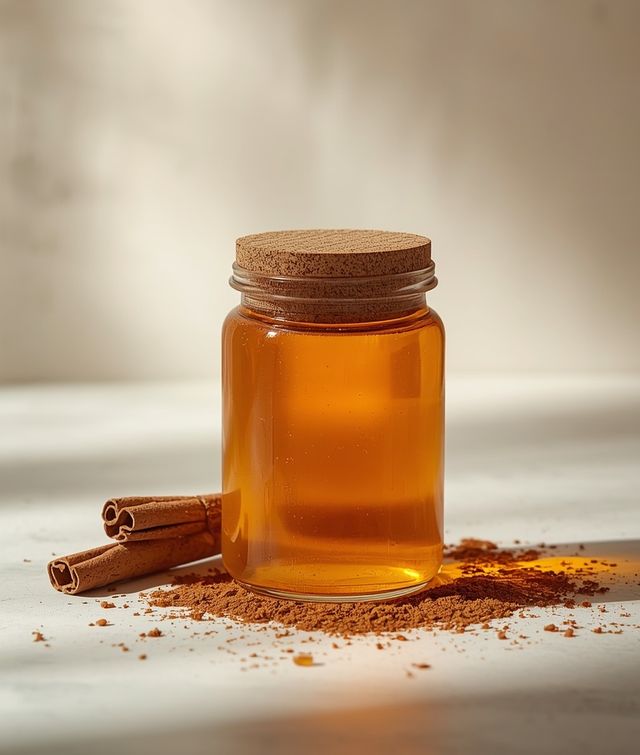
Honey is a natural product produced by bees from flower nectar. It contains a wide range of vitamins, minerals, enzymes and bioactive substances that have proven beneficial effects on human health. However, raw honey may contain the bacterium Clostridium botulinum, which can cause serious botulism in infants and toddlers. Therefore, it is not recommended to give honey to children until the end of the first year of life to avoid botulism poisoning. Regarding breastfeeding, there is no evidence that the bacteria or its toxins transfer to breast milk, but special caution is advised when consuming raw honey. If you prepare a homemade dish with honey that has undergone heat processing, you can enjoy it without concern.
Fermented cucumbers and breastfeeding
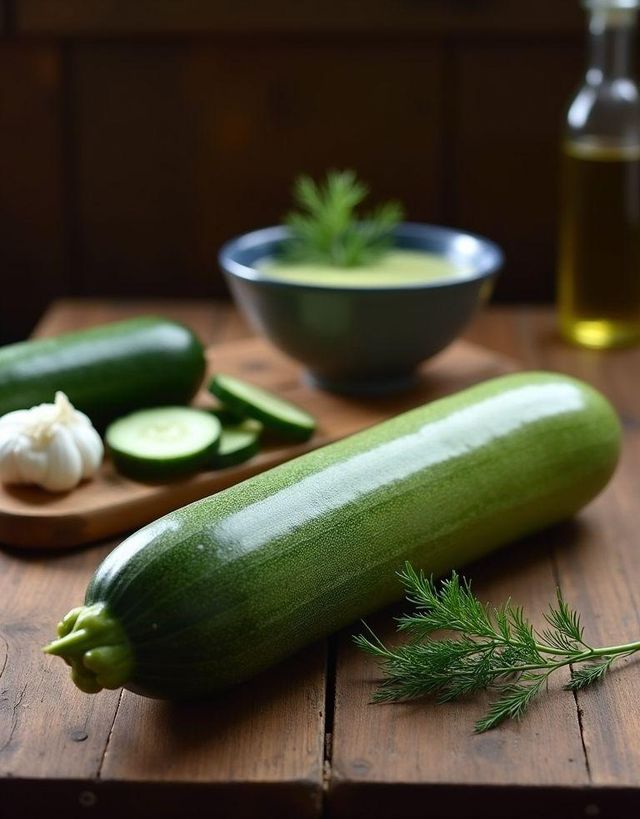
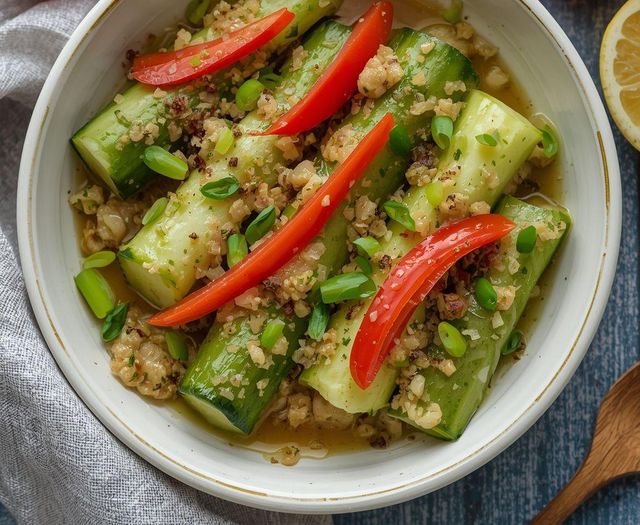
Fermented cucumbers are considered a highly nutritious food that is produced with the help of fermenting bacteria. There are no recommendations that discourage the consumption of fermented cucumbers during pregnancy and breastfeeding, in fact, they are recommended in products that are considered an important source of vitamins and minerals, such as vitamin B2 and K. Fermented cucumbers are also a good source of vitamin C in the diet. According to the recommendations of the Polish Society of Gastroenterology, Hepatology, and Pediatric Nutrition, breastfeeding should last at least 6 months and then continue on demand until the end of the first year of life. After 6 months, the child's diet should gradually be expanded with new foods as breast milk alone will not be sufficient to meet the nutritional needs of the growing body.
What is the ideal duration for breastfeeding?
According to the recommendations of the Polish Society of Gastroenterology, Hepatology and Nutrition of Infants, breast-only feeding should be aimed to last for a duration of 6 months and then continued at the child's request until it reaches 1 year of age. After this period, the child's diet should gradually be expanded with new foods, as breast milk may not be sufficient for the requirements of the developing organism.
Is that really what one can consume while breastfeeding?
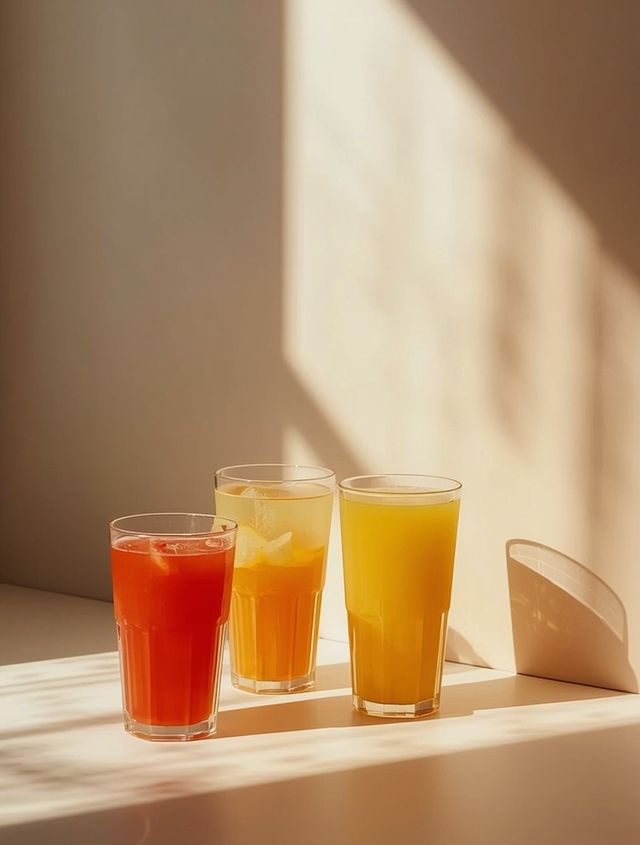
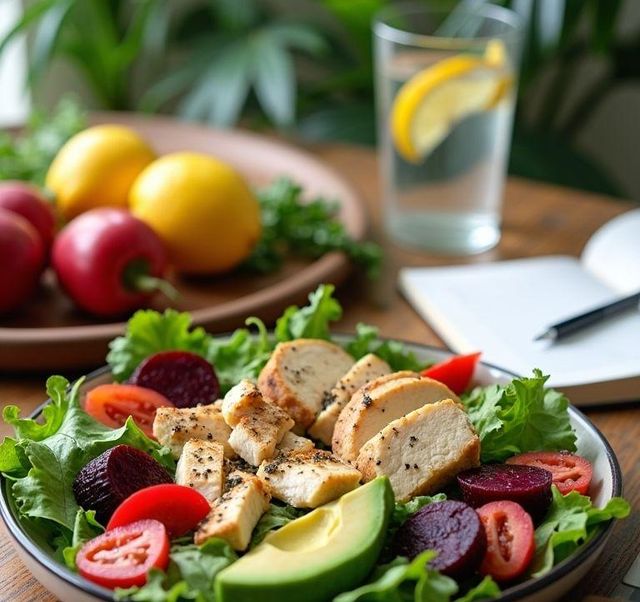
The diet of a breastfeeding woman should provide all the necessary nutrients such as protein, carbohydrates and fats, be rich in vitamins and minerals. Her diet should be based on whole grain cereals of various grains (wheat, rye, barley, oats, rye, buckwheat, proso, rice, etc.), lean meat, lean and fatty seafood and freshwater fish, but also medium-fat milk and dairy products, eggs, colorful vegetables and fruits, as well as nuts and vegetable oils. It is recommended to ensure proper hydration and drink mineral water, fruit and vegetable juices, green tea, and herbal and fruit teas. It is not recommended to consume highly processed foods such as fast food. Additionally, it is advisable to avoid sweets and baked goods, as they are a source of a large amount of sugar and saturated fatty acids. If a child is found to be allergic to a certain nutrient, the mother should exclude it from her diet. However, a preventive elimination diet should not be used, as there is no evidence of its effectiveness.
Recipe suggestions for breastfeeding mothers
A breastfeeding mother often eats fast-cooked meals, that's why I recommend several recipes for fast and full-fledged meals to be made in as little as a few minutes, which provide a variety of nutrients. A nutritious morelo-yogurt cocktail: mix in a blender a cup of natural yogurt with 5 tablespoons of soaked oatmeal and some dried or fresh seafood. Oatmeal apple pie with nuts and raisins: pour 5-6 tablespoons of oatmeal, 1 tablespoon of raisins and 1 tablespoon of walnuts into a bowl, pour hot water over it and let it soak until the oatmeal softens. Then add diced apple pieces and cinnamon. Bruschetta in Italian style: cut whole grain bread into slices, place mozzarella and tomato slices on top, sprinkle with dried basil and drizzle with olive oil. The diet of a breastfeeding mother should be adapted to the needs, health condition and digestive possibilities of the baby. It is recommended to limit the consumption of chocolate and other caffeine-containing products, as well as caution when consuming honey. However, a breastfeeding mother can safely eat pickles.
David Janitzek
Diets Premium Medical Expert
Member of the Diets Premium clinical editorial board. Specializes in medical diet therapy, metabolic health, and nutritional planning.
View Profile →