Nutritional Approach to Psoriasis: Anti-Inflammatory Principles

Smart Voice
Listen to the article content live
| CLINICAL KNOWLEDGE MAGAZINE Nutrition | min read 6 min |
| Diets Premium Medical Expert David Janitzek | Scientifically reviewed by a clinical dietitian 21.10.2026 |

Psoriasis is a chronic, immune-mediated systemic inflammatory disorder characterized by hyperproliferation of keratinocytes. While clinical dermatology provides primary medical treatment, an evidence-based anti-inflammatory dietary protocol substantially diminishes cutaneous erythema, reduces pruritus, and prolongs clinical remission.
Want to apply these guidelines in your daily diet?
Our smart diet generator creates a tailored meal plan in 3 minutes based on the recommendations in this article.
This article is professional premium content (PRO) provided in its entirety.
Psoriatic Pathomechanism and Systemic Inflammation
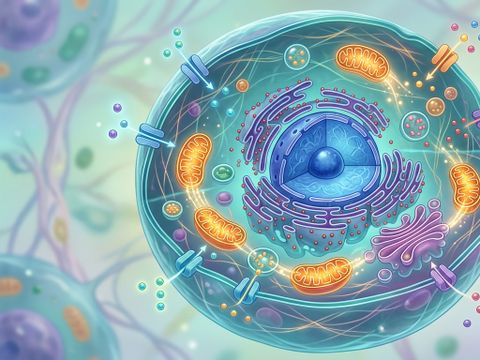
The pathophysiology of psoriasis is driven by the IL-23/IL-17 cytokine signaling axis, generating inflammatory cascades across the dermis, vasculature, and joints (psoriatic arthritis). High intakes of saturated fats and refined sugars exacerbate this cascade, establishing dietary modulation as an integral adjunct therapy.
Crucial Nutrients: Omega-3 Fatty Acids, Vitamin D, and Polyphenols
Long-chain EPA and DHA from cold-water oily fish (salmon, mackerel, sardines) directly compete with arachidonic acid, suppressing the generation of pro-inflammatory leukotriene B4. Maintaining optimal serum 25-hydroxyvitamin D concentrations and consuming dietary polyphenols from extra virgin olive oil are equally crucial.
Dietary Triggers: Alcohol, Trans Fats, and Ultra-Processed Foods
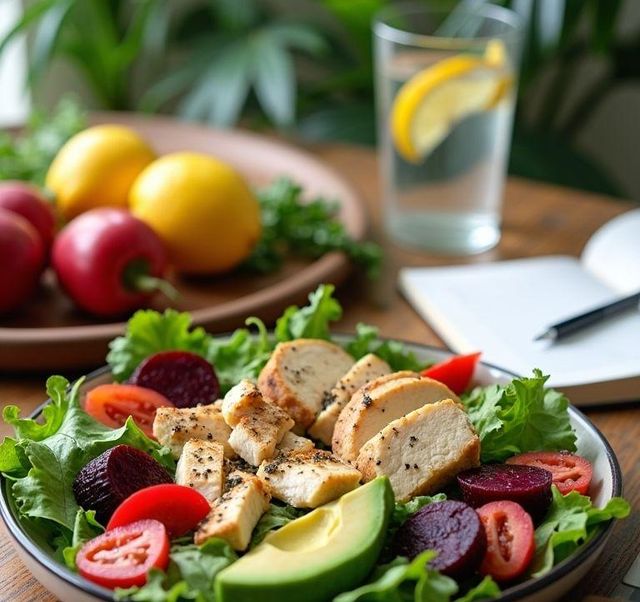
Alcohol represents one of the most potent clinical triggers for psoriatic flares, escalating histamine release and impairing intestinal barrier integrity. Artificial trans fats, deep-fried foods, and excessive red meat should be strictly curtailed in favor of lean poultry and plant proteins.
The Role of Healthy Body Weight and Gut Microbiome Diversity
In overweight individuals with psoriasis, losing just 5-10% of total body weight substantially augments the therapeutic responsiveness to topical and biologic treatments. Nurturing gut microbiome diversity with fermented foods, kefir, and prebiotic fiber bolsters systemic immune homeostasis.
Among them are:
Is there truly a matter that necessitates an adjustment in your lifestyle?
It is of utmost importance to:
What should the diet look like for people with psoriasis to reduce symptoms?
Tags
David Janitzek
Diets Premium Medical Expert
Member of the Diets Premium clinical editorial board. Specializes in medical diet therapy, metabolic health, and nutritional planning.
View Profile →