8 Reasons to Eat Pumpkin Seeds Daily

Katarzyna Mazur
2026-03-19
7 min. read

1 / 1
8
views
1 zdjęcie
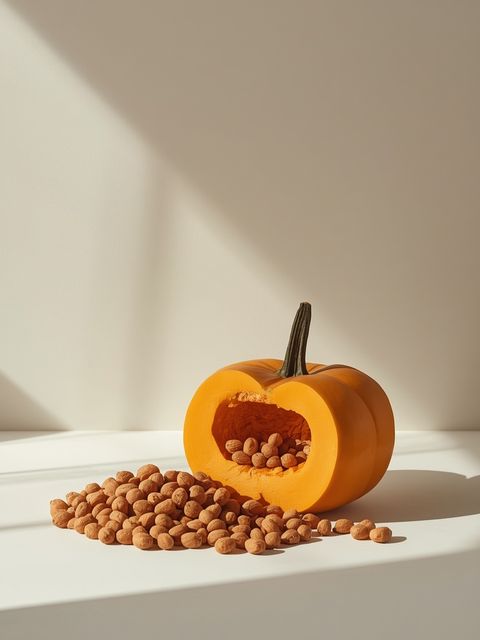
For years, it has been understood that a healthy person's diet should be varied to provide a maximum amount of nutrients, which aids us in feeling better and becoming less susceptible to diseases and stress. Consequently, it is crucial to incorporate foods abundant in vitamins and minerals into our daily diet. Pumpkin seeds are one such food.
Pumpkin seeds: A comprehensive nutritional profile and their role in human dietary patterns
The systematic incorporation of pumpkin seeds into one’s daily diet may exert multifaceted beneficial effects on overall health. These seeds represent a concentrated source of essential nutrients: nearly 50% of their mass comprises lipids, predominantly polyunsaturated omega-6 fatty acids, which play a pivotal role in modulating inflammatory responses within the body. Additionally, they are characterized by a high protein content (approximately 30% of dry weight), making them a valuable dietary supplement, particularly for individuals adhering to plant-based diets. Carbohydrates constitute only 10% of their composition, positioning them as a low-glycemic-index food. The abundance of micronutrients—particularly potassium (which aids in blood pressure regulation), magnesium (supporting neuromuscular function), iron (critical for oxygen transport), and vitamin E (a potent antioxidant)—further enhances their nutritional value. The presence of phenolic compounds and phytosterols, bioactive substances with documented antioxidant and lipid-metabolism-modulating properties, amplifies their health-promoting potential. However, it is important to note that the chemical composition of pumpkin seeds exhibits variability contingent upon cultivation conditions, including soil quality, irrigation levels, and sunlight exposure, which may result in discrepancies in the concentrations of specific compounds across different batches of the product.
You have started reading a PRO article
You can preview the first chapter. To read the complete article and unlock all content, upgrade to a PRO account.