High-Fiber Foods: Best Dietary Sources and Health Benefits

| Diets Premium Expert David Janitzek | min read 10 min | Scientifically reviewed by a clinical dietitian 23.10.2026 |
Smart Voice
•Listen to the article content live
Dietary fiber, the non-digestible carbohydrate component of plant foods, is an indispensable dietary pillar supporting bowel motility, a healthy gut microbiome, and balanced blood glucose and lipid profiles. According to World Health Organization (WHO) guidelines, adults should consume at least 25-30 g of fiber daily. Discover the richest, most healthful natural sources of dietary fiber.
Want to apply these guidelines in your daily diet?
Our smart diet generator creates a tailored meal plan in 3 minutes based on the recommendations in this article.
This article is professional premium content (PRO) provided in its entirety.
The Role of Dietary Fiber in Digestion and Metabolic Health
Dietary fiber is categorized into soluble and insoluble fractions. Soluble fiber forms a viscous gel in the gastrointestinal tract, delaying glucose absorption and lowering circulating LDL cholesterol. Insoluble fiber adds fecal bulk, stimulates peristaltic contractions, and prevents constipation and diverticular disease.
Legumes – Lentils, Chickpeas, and Beans
Legumes stand among the absolute champions of dietary fiber density. One cup of cooked black beans or lentils yields an impressive 15-16 g of fiber along with high-quality plant protein. Regularly adding legumes to salads, stews, and soups makes meeting daily fiber targets straightforward.
Whole Grains and Brans – The Core of Daily Meals
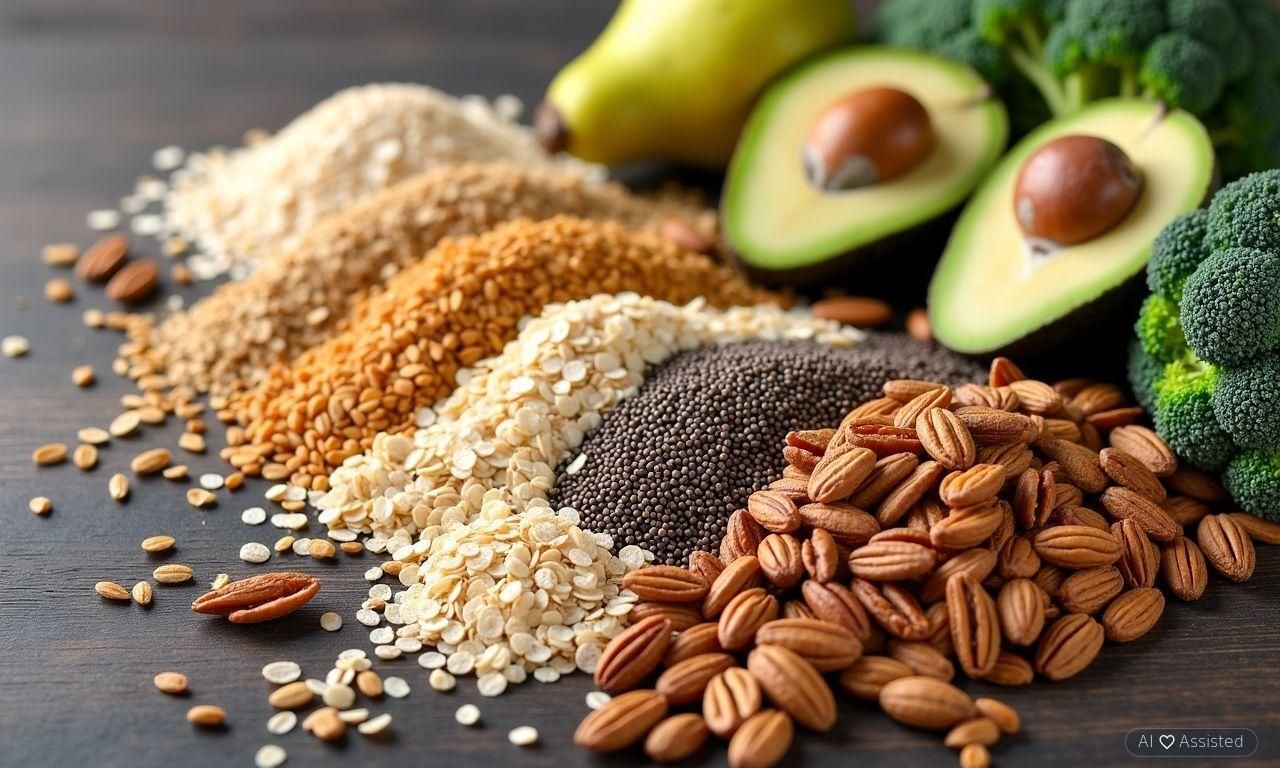
Wheat and oat brans provide anywhere from 15 to 40 g of fiber per 100 g. Replacing white bread with 100% whole grain sourdough rye and choosing buckwheat, barley, or brown rice ensures steady fiber intake and sustained satiety after meals.
Vegetables and Fruits – Natural Wealth of Pectins
Vegetables including artichokes, Brussels sprouts, broccoli, and carrots, paired with berries, unpeeled apples, and pears, are exceptional sources of pectins. Pectins act as prebiotic substrates, feeding beneficial colonic microbes that synthesize short-chain fatty acids (SCFAs) to protect the gut barrier.
Seeds, Nuts, and Safe Guidelines for Fiber Titration
Chia seeds and ground flaxseeds boast over 30 g of fiber per 100 g and produce a protective mucilage when soaked. When increasing dietary fiber, gradual titration combined with drinking at least 2-2.5 liters of water daily is crucial to prevent bloating and abdominal discomfort.

mgr David Janitzek
✓Diets Premium Expert
Diets Premium team expert. Specializes in nutrition plans, strength sports, and training plans.
View Profile →