1 / 1
1 zdjęcie
208
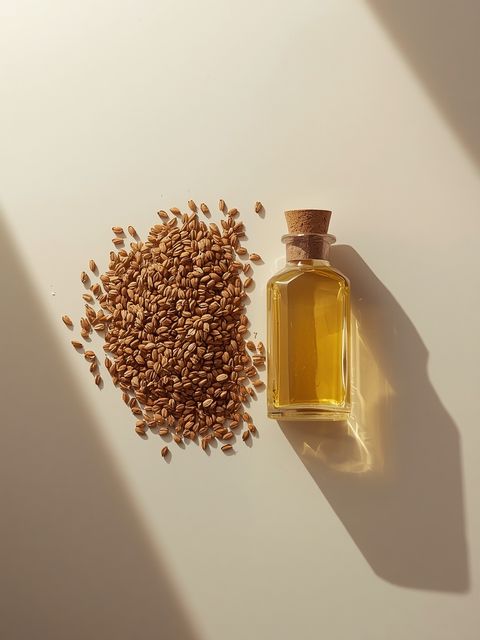
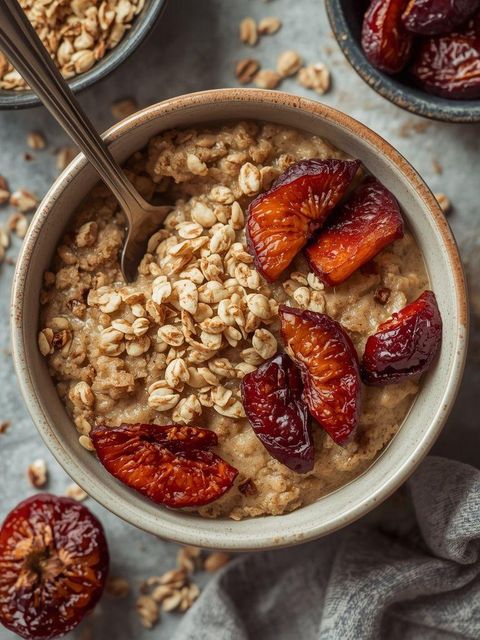
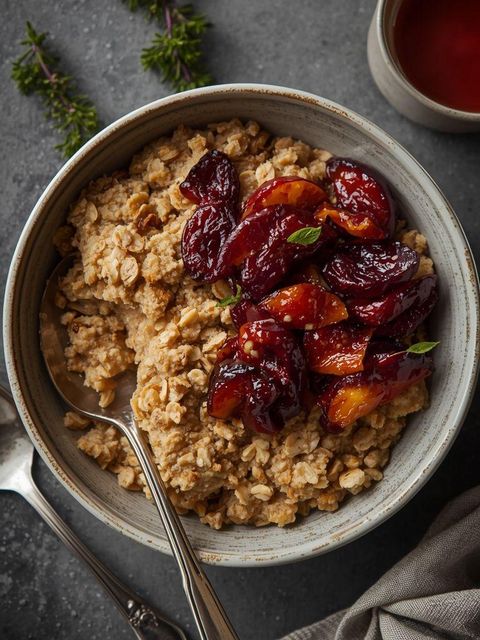
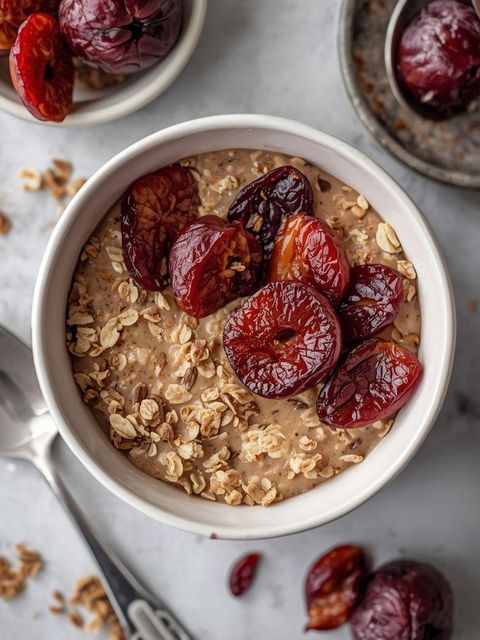
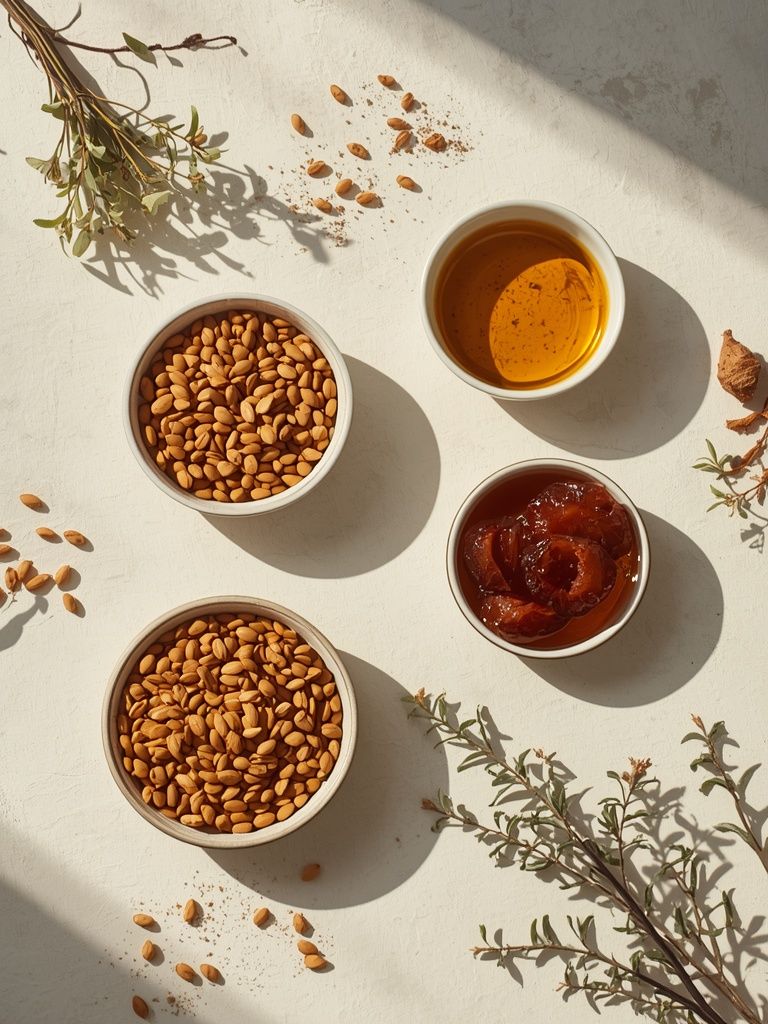
Hausmittel gegen Verstopfung – Leinsamen, Rizinusöl, Leinöl, getrocknete Pflaumen, Kräuter
Gesunder Lebensstil
Körperliches Wohlbefinden
Leinsamen
Verstopfung
Samen
Hausgemacht
Leinsamenöl
Leinöl
Kräuter
Pflaumen
Getrocknete Pflaumen
Tomasz Jankowski
Autor
2026-09-25
Datum
7 Min. Lesezeit
article.read_time
6
Kapitel
Verstopfung ist ein häufig auftretendes unspezifisches Symptom, das auf Störungen im Körper hinweist, jedoch nicht unterschätzt werden sollte, da es ein wichtiger Hinweis auf eine ernsthaftere Erkrankung sein kann und die Lebensqualität der Betroffenen direkt beeinträchtigen kann.
Evidence-Based Home Strategies for Managing Constipation: A Comprehensive Guide
Constipation, though lacking a universally accepted definition due to its subjective nature, is a prevalent health concern affecting up to 28% of the population. Clinically, it is characterized by a chronic reduction in bowel movement frequency (typically fewer than three times weekly), prolonged colonic transit of stool, and the passage of hard, difficult-to-expel feces. The condition disproportionately affects women and becomes more prevalent after age 65, a trend attributed to age-related declines in gastrointestinal motility—exacerbated by hormonal shifts, anatomical changes, or medication side effects. Importantly, constipation is not classified as a discrete disease but rather as a symptom of underlying health disruptions, including endocrine disorders (e.g., diabetes, hypothyroidism), hypercalcemia, pharmacological interventions (e.g., diuretics, antihypertensives, antispasmodics), or psychological conditions (e.g., depression, anxiety). Key risk factors encompass low-fiber diets, irregular eating patterns, sedentary lifestyles, limited nutritional literacy, lower socioeconomic status, pregnancy and childbirth, anorectal surgeries, strenuous physical labor, and obesity. Treatment—regardless of etiology—primarily emphasizes lifestyle adjustments: increased physical activity, adoption of a high-fiber diet (20–40 g daily), and adequate hydration (at least eight glasses of non-carbonated mineral water per day). Eliminating hard-to-digest foods and implementing caloric restriction in overweight individuals are additional critical steps. For many, these modifications suffice to alleviate or resolve symptoms without pharmacological intervention.
Sie haben begonnen, einen PRO-Artikel zu lesen
Sie können das erste Kapitel lesen. Um den gesamten Artikel zu lesen und alle Inhalte freizuschalten, wechseln Sie zum PRO-Konto.
Tags