Synbiotics - efficacy, application, and example products


Table of Contents 3
Medical & Editorial Disclaimer (§3 Terms): This article is for informational and educational purposes only, does not constitute medical advice, diagnosis, or treatment, and is used at your own risk. Consult a qualified physician for medical conditions.
From a physiological standpoint, the effectiveness of synbiotic formulations relies on the synergistic interaction between live bacterial strains, such as those from the Lactobacillus and Bifidobacterium genera, and non-digestible prebiotic substrates. Because the introduced probiotic cultures are immediately supplied with a selectively fermentable food source, they can proliferate more efficiently and establish sustained colonization along the intestinal mucosal lining. Furthermore, the metabolic byproducts generated during prebiotic fermentation contribute to lowering the intestinal pH, which helps maintain a favorable digestive environment.
In everyday nutrition, individuals can apply this concept naturally by pairing foods containing live bacterial cultures, such as plain yogurt, with prebiotic-rich ingredients like chicory or tomatoes. However, during periods of illness or significant microbial disruption, the amount of beneficial bacteria obtained solely through regular meals may not suffice to restore optimal gut balance. In such instances, incorporating specialized synbiotic formulations under professional guidance can serve as a practical adjunct to a balanced diet.
Synbiotics: Integrated formulations combining probiotic microorganisms with prebiotic substrates to enhance gastrointestinal microbial equilibrium
The term "synbiotics" refers to sophisticated nutritional formulations that integrate viable probiotic microorganisms—specifically strains from genera such as Lactobacillus or Bifidobacterium—with selectively fermentable prebiotic compounds. These prebiotics consist of non-digestible food components that preferentially stimulate the growth and metabolic activity of beneficial gut microbiota. The human gastrointestinal tract harbors a highly diverse microbial ecosystem comprising approximately 400 distinct bacterial species, collectively termed the gut microbiota. The functional integrity of this microbial community is contingent upon maintaining a delicate equilibrium among its constituent species. Disruptions to this balance may arise from exogenous factors, including broad-spectrum antibiotic administration, cytotoxic chemotherapy regimens, ionizing radiation exposure during radiotherapy, chronic psychological stress, suboptimal dietary patterns characterized by improper acid-base homeostasis, and various endogenous dysregulations.
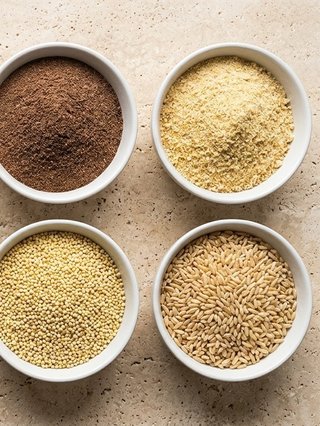
When probiotic bacterial strains predominate within the intestinal environment, they contribute substantively to the preservation of normal physiological functions. These microorganisms exert protective effects by inhibiting the colonization of pathogenic agents, facilitating the synthesis of critical vitamins—such as vitamin K and the B-complex vitamins—and enhancing the bioavailability of essential minerals, including iron, phosphorus, and calcium. Additionally, probiotics participate in the metabolism of short-chain fatty acids, modulate lipid absorption (including low-density lipoprotein cholesterol uptake), and reinforce the structural integrity of the intestinal mucosal barrier. Conversely, microbial dysbiosis—a condition marked by imbalanced gut flora—may manifest clinically through excessive gas production accompanied by abdominal distension, episodic diarrhea, inflammatory alterations in the intestinal mucosa, and an elevated risk of opportunistic pathogen proliferation. Prebiotics, by contrast—primarily non-starch polysaccharides and oligosaccharides resistant to enzymatic hydrolysis in the upper digestive tract—occur naturally in foods such as chicory root, tomatoes, onions, and barley grains. Their consumption promotes the selective proliferation of advantageous bacterial populations, regulates gastrointestinal motility, and mitigates constipation by increasing stool bulk through enhanced water-retention capacity.
The synergistic mechanism of synbiotics: How probiotics and prebiotics collaborate within the digestive system
The collaborative interaction between probiotics and prebiotics within synbiotic formulations ensures that beneficial bacterial strains introduced into the gastrointestinal tract are provided with an immediately available nutritional substrate in the form of prebiotic compounds. This facilitates their rapid proliferation and sustained colonization of the intestinal mucosal lining. Furthermore, the metabolic byproducts generated through prebiotic fermentation contribute to a reduction in gut pH, thereby creating an inhospitable environment for pathogenic microorganisms while concurrently enhancing the body’s innate immune defenses against invasive pathogens.
Synbiotic examples: mechanisms of action and optimal use cases
Want to apply these guidelines in your daily diet?
Our smart diet generator creates a tailored meal plan in 3 minutes based on the recommendations in this article.
Tags

Isabella Taylor
• 25.11.2026Diets Premium Expert
Diets Premium team expert. Specializes in nutrition plans, strength sports, and training plans.