Stress-Free Label Reading: Hidden Gluten, the 20 ppm Rule and Naturally Safe Foods
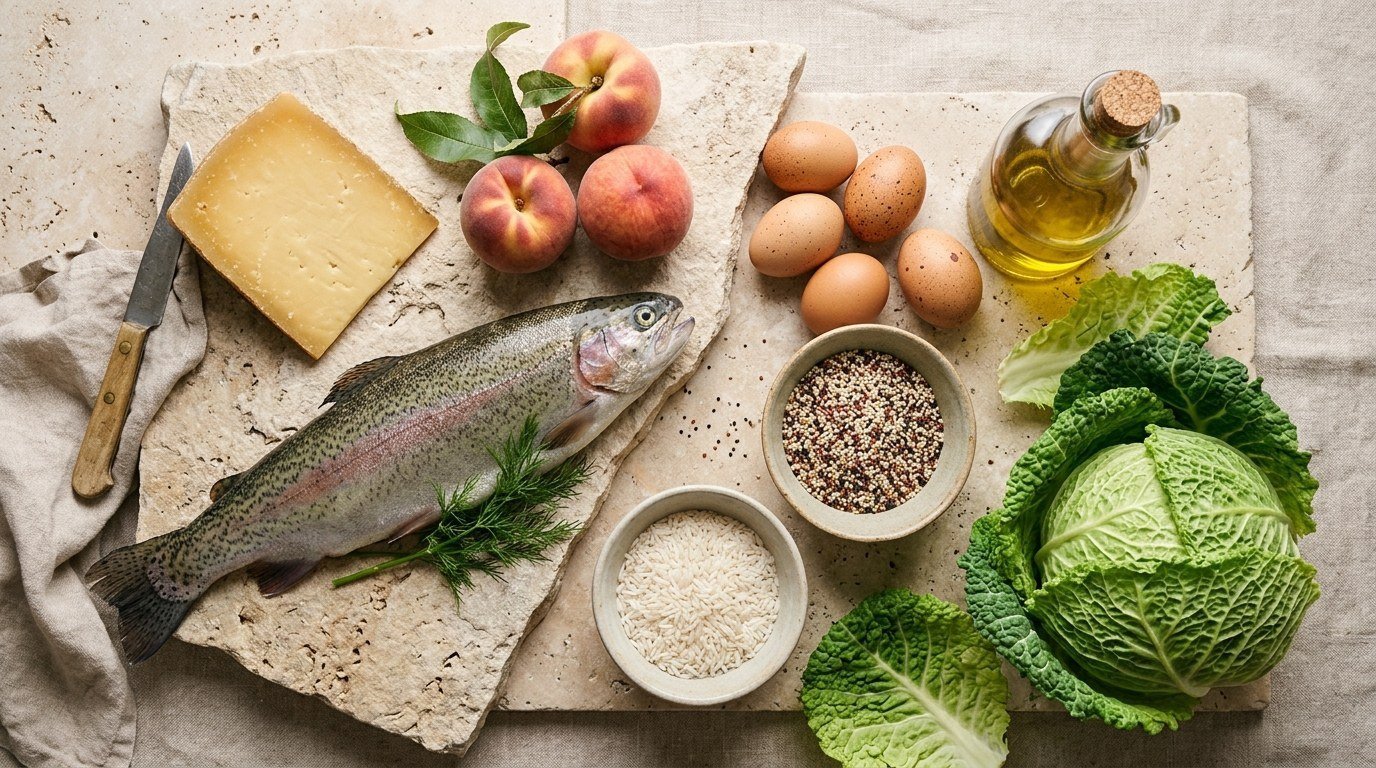

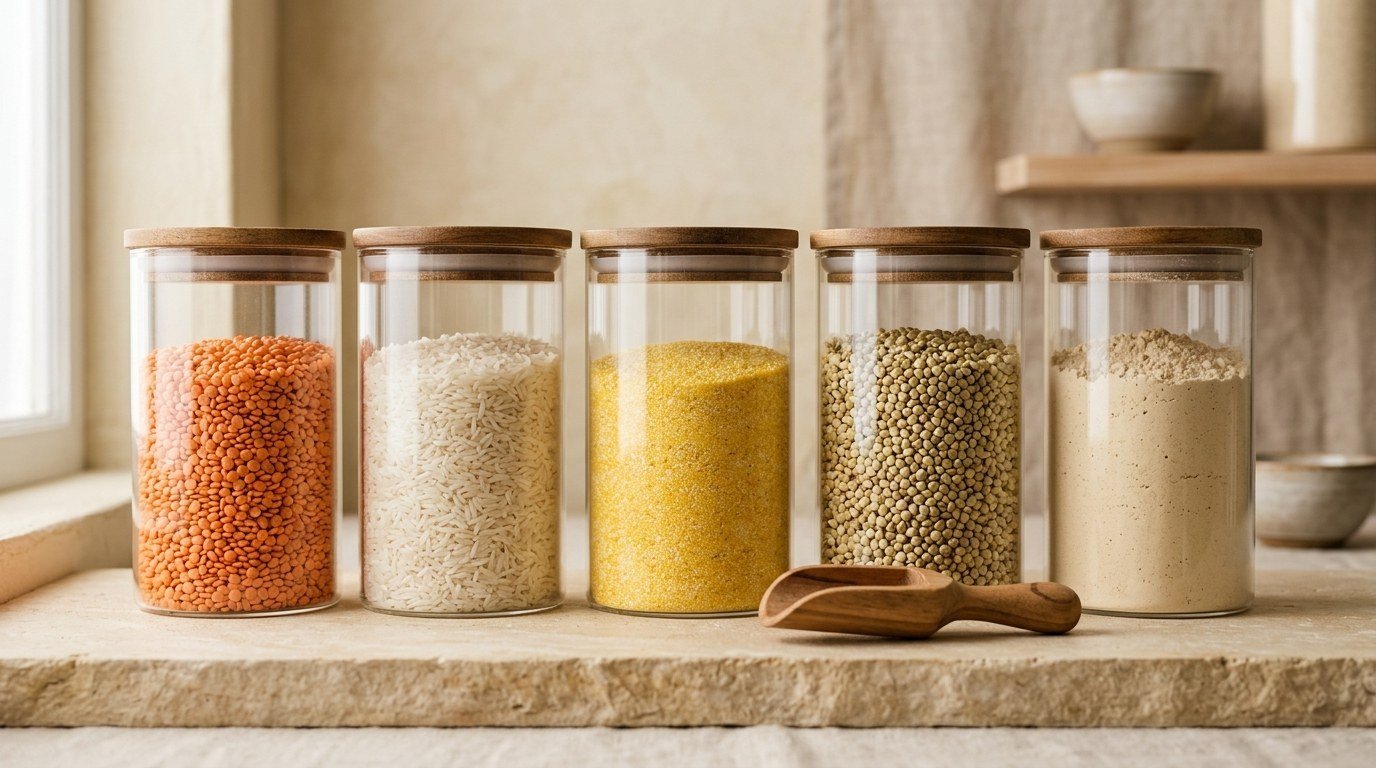
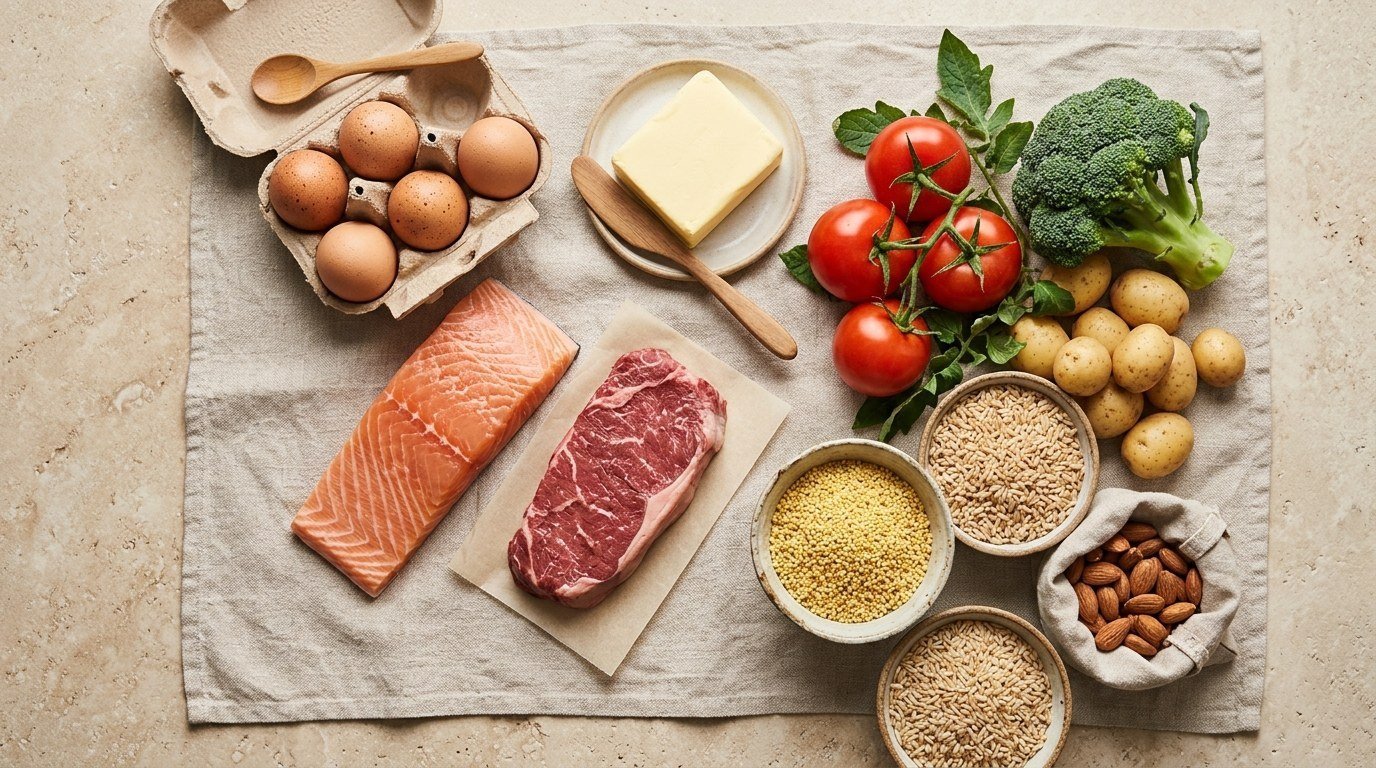
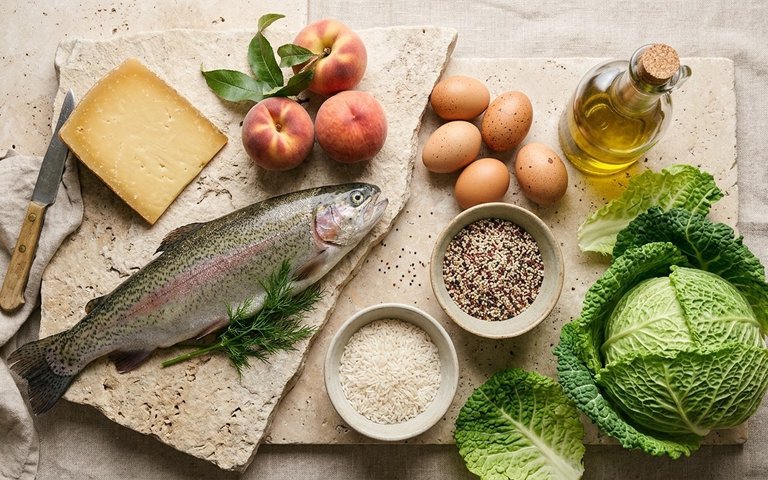

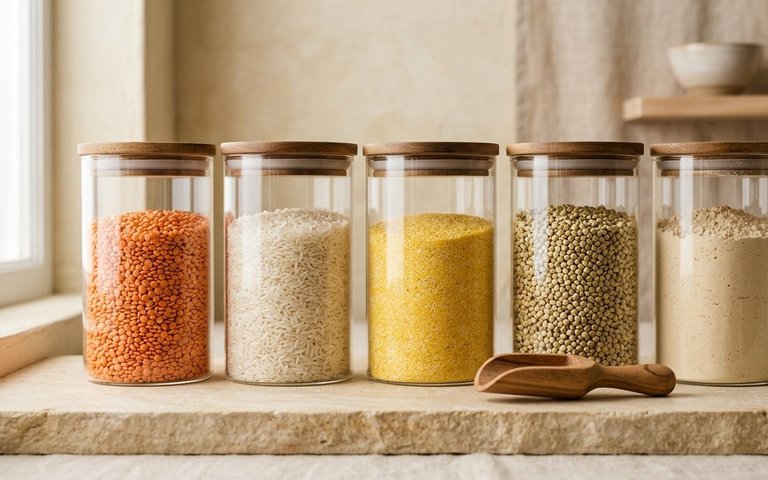
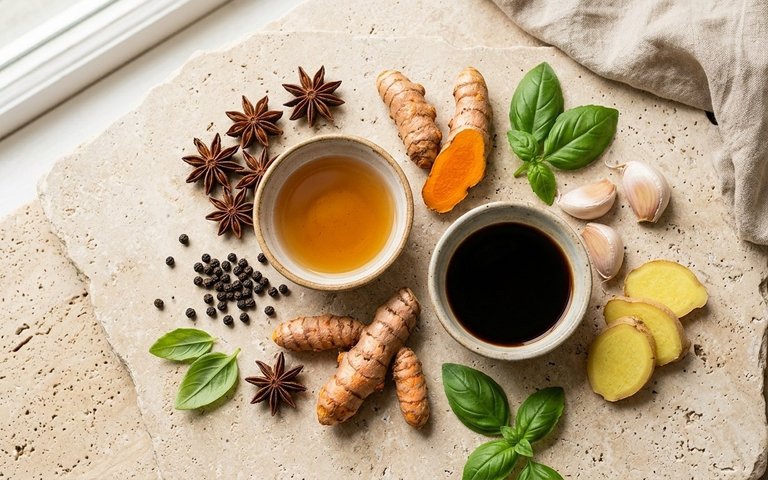
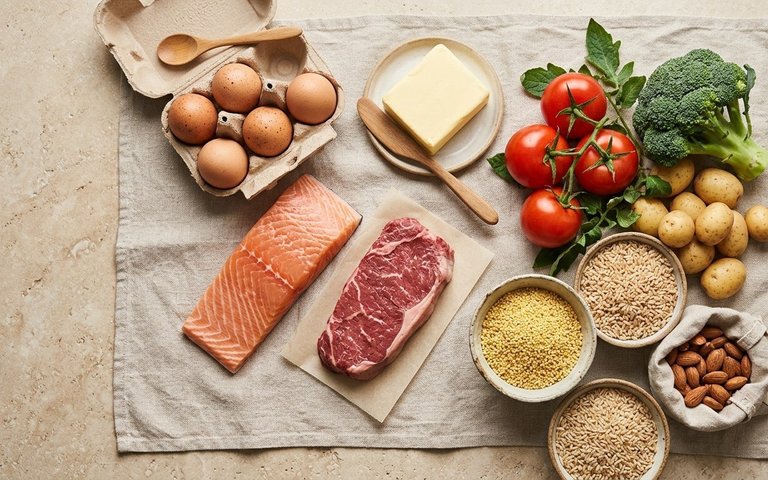
Table of Contents 4
Medical & Editorial Disclaimer (§3 Terms): This article is for informational and educational purposes only, does not constitute medical advice, diagnosis, or treatment, and is used at your own risk. Consult a qualified physician for medical conditions.
Your first grocery trips on a gluten-free diet can feel like decoding a chemistry textbook: Is maltodextrin safe? What about barley malt extract? Fortunately, European food law requires manufacturers to highlight gluten-containing cereals clearly on every ingredient list.
Here we simplify EU labeling rules (the 20 ppm standard), certified oats, surprising hidden gluten traps, and naturally safe staples you can buy anywhere.
Forbidden Grains and the Special Rules for Certified Oats
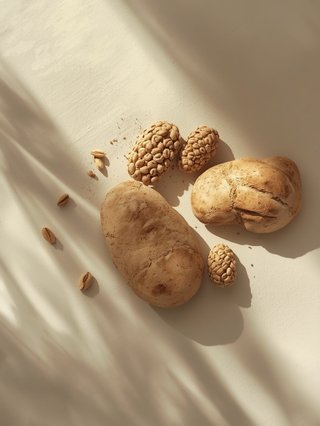
Gluten refers to storage proteins found in wheat — including spelt, einkorn, emmer, Khorasan (Kamut), and triticale — as well as rye and barley. In celiac disease, every form of these grains must be avoided strictly.
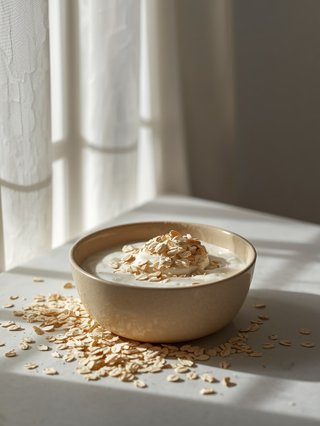
Pure oats contain avenin instead and are tolerated by the vast majority of people with celiac disease. Because conventional oats frequently cross-contact wheat or barley during harvest and processing, rely exclusively on oats certified below 20 ppm and introduce them gradually once symptoms settle (ESsCD, 2019).
EU 20 ppm Law, Crossed Grain Symbol and Commonly Misunderstood Ingredients
Under EU Regulation 1169/2011, gluten-containing cereals must be emphasized (typically bolded) in ingredient lists. Implementing Regulation (EU) 828/2014 (aligned with Codex Alimentarius Stan 118-1979) reserves the claim "gluten-free" strictly for foods containing no more than 20 mg/kg (20 ppm).
Helpful distinctions: wheat-derived glucose syrup, dextrose, and maltodextrin are legally gluten-free due to extensive processing, as is certified Codex gluten-free wheat starch (<20 ppm, though unsafe for wheat allergy). Conversely, barley malt, malt extract, brewer’s yeast, and seitan contain gluten.
Where Hidden Gluten Most Commonly Shows Up in Stores
Beyond bread and pasta, check multi-ingredient items carefully: conventional soy sauce (swap for gluten-free tamari), bouillon cubes, spice mixes, processed deli meats, seasoned frozen fries, malt-flavored cornflakes, licorice, and regular beer.
Precautionary "may contain gluten" labels flag shared production lines; in celiac disease, choose certified Crossed Grain products or naturally single-ingredient foods whenever possible.
Building a Budget-Friendly Naturally Gluten-Free Basket — References
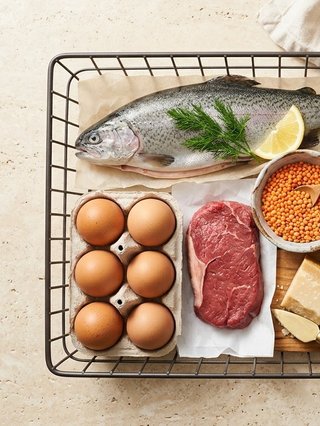
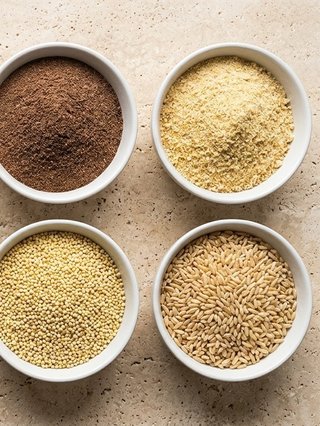
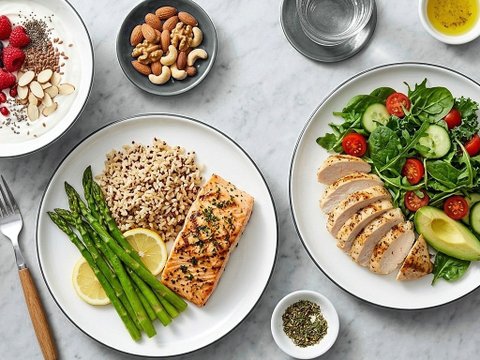
Gluten-free eating stays both healthier and more affordable when built on single-ingredient whole foods: fresh produce, potatoes, rice, buckwheat, millet, quinoa, legumes, fresh fish and poultry, eggs, plain dairy, and plant oils naturally contain zero gluten and far more nutrients than ultra-processed substitutes.
- Regulation (EU) No 1169/2011 on the provision of food information to consumers.
- Commission Implementing Regulation (EU) No 828/2014 on gluten-free claims (≤20 mg/kg).
- Codex Alimentarius Standard CXS 118-1979.
Want to apply these guidelines in your daily diet?
Our smart diet generator creates a tailored meal plan in 3 minutes based on the recommendations in this article.

Oliwia Kaczmarek
• 25.11.2026Diets Premium Expert
Diets Premium team expert. Specializes in nutrition plans, strength sports, and training plans.