Balancing a Gluten-Free Diet: Preventing Deficiencies, Secondary Lactose Intolerance and Diabetes
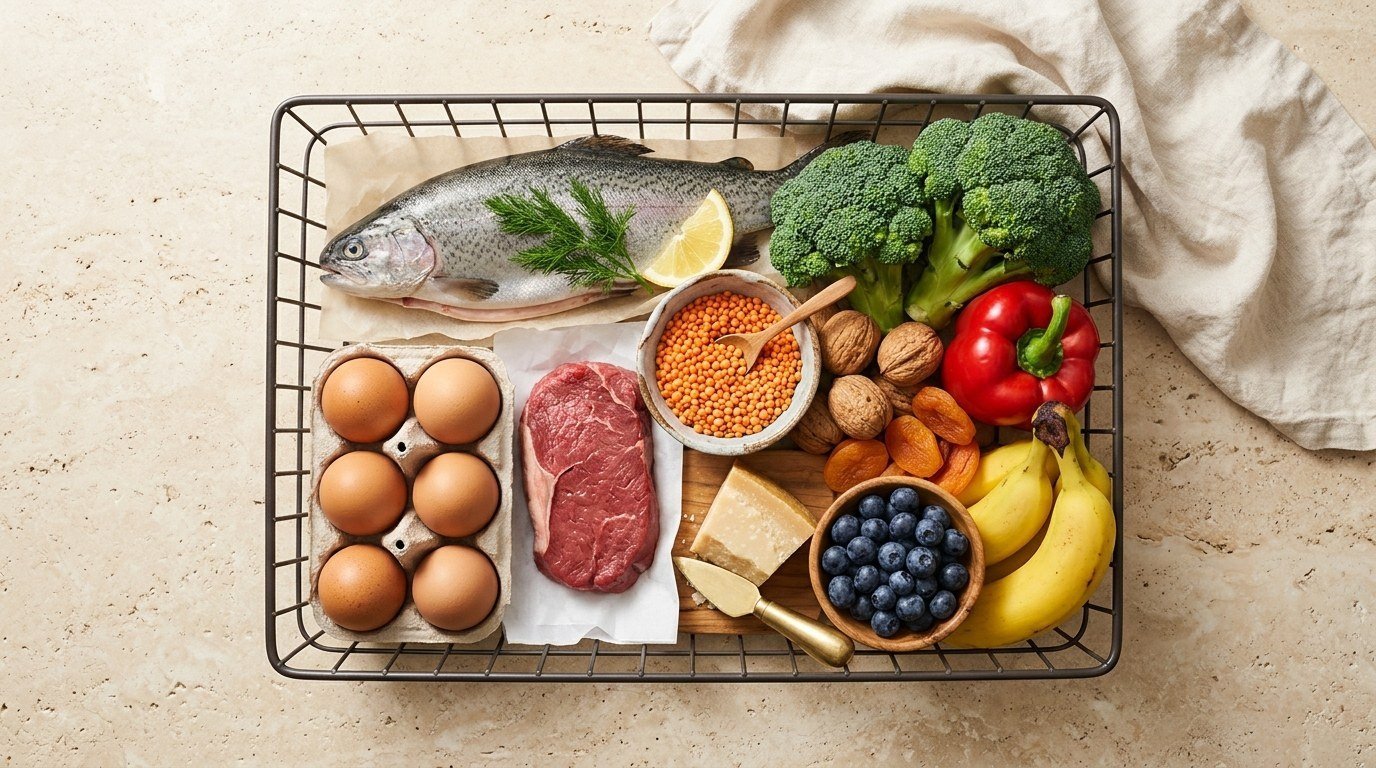
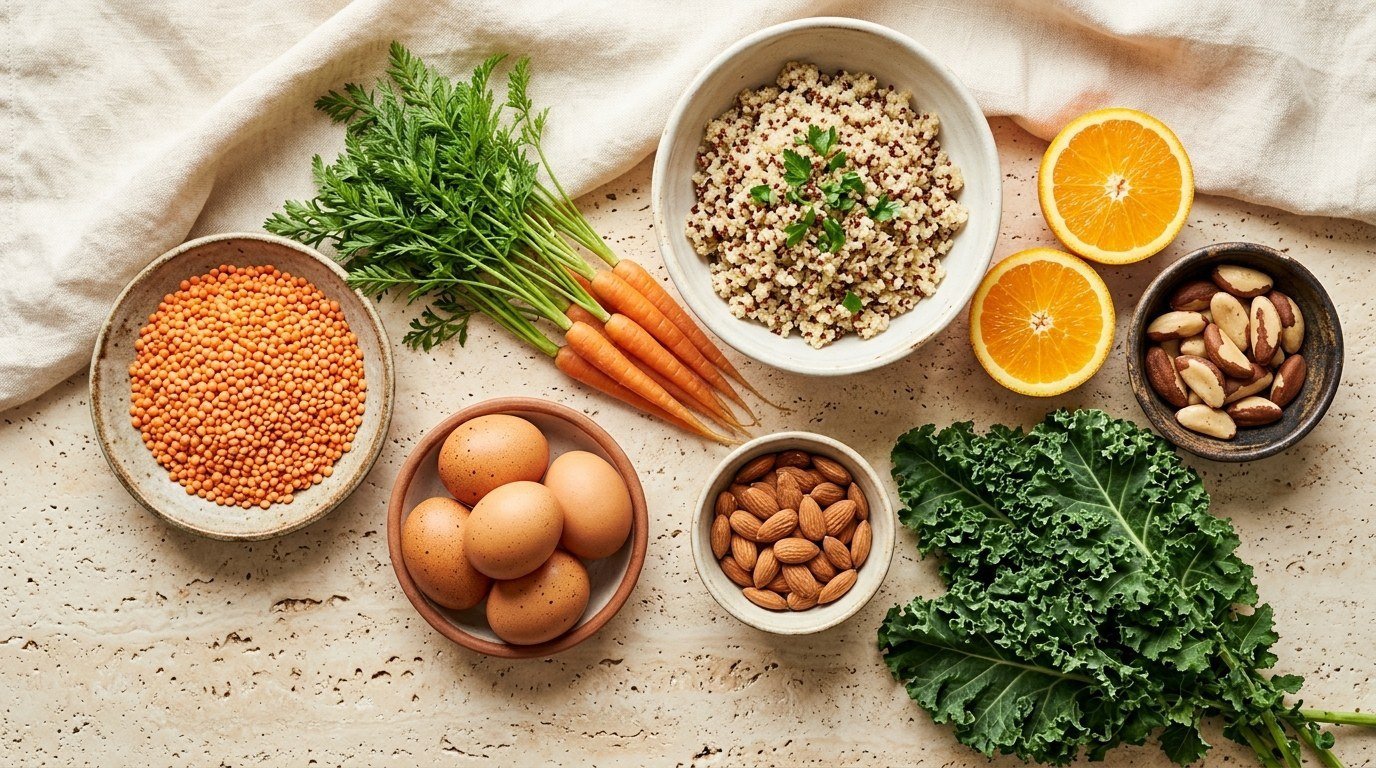
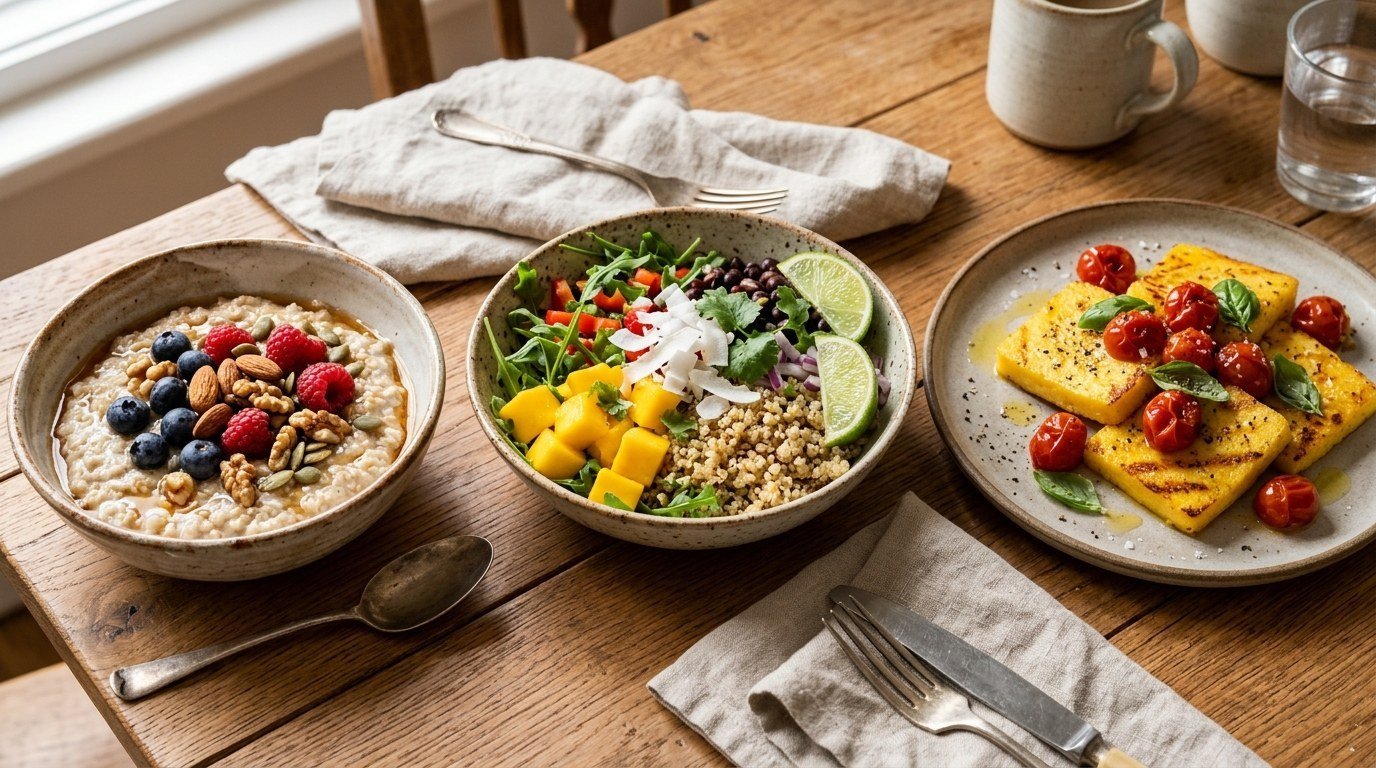
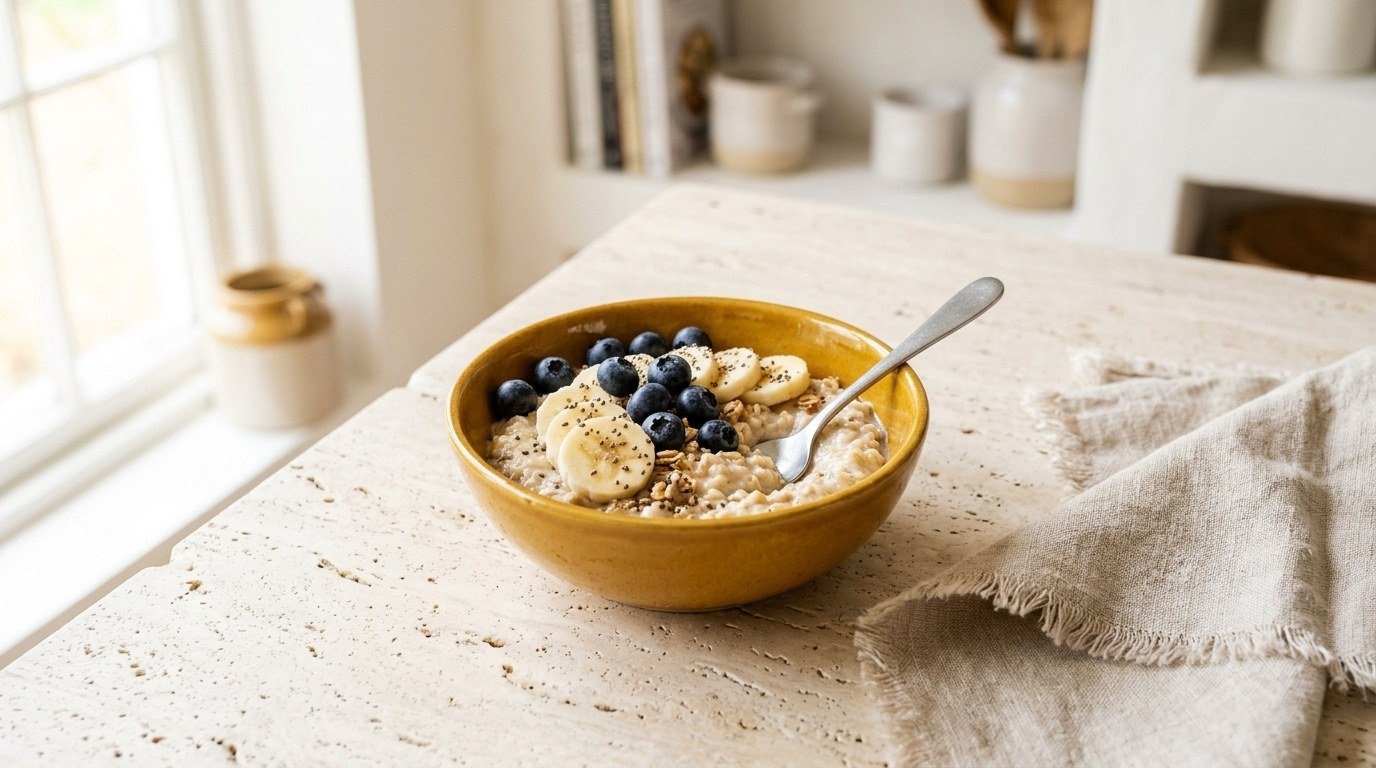
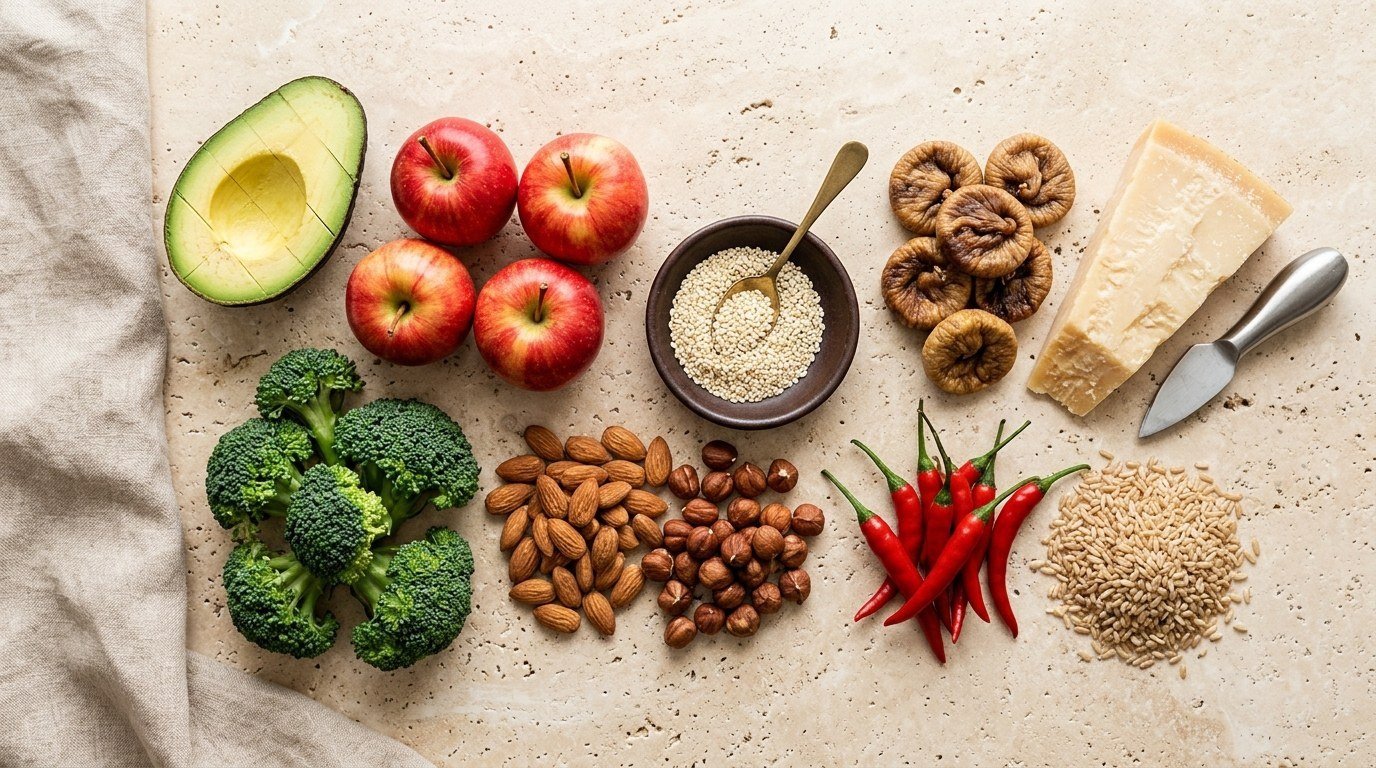
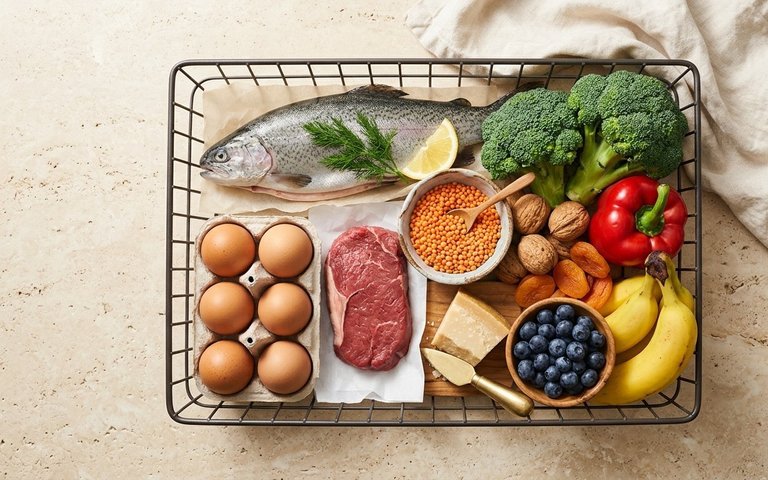
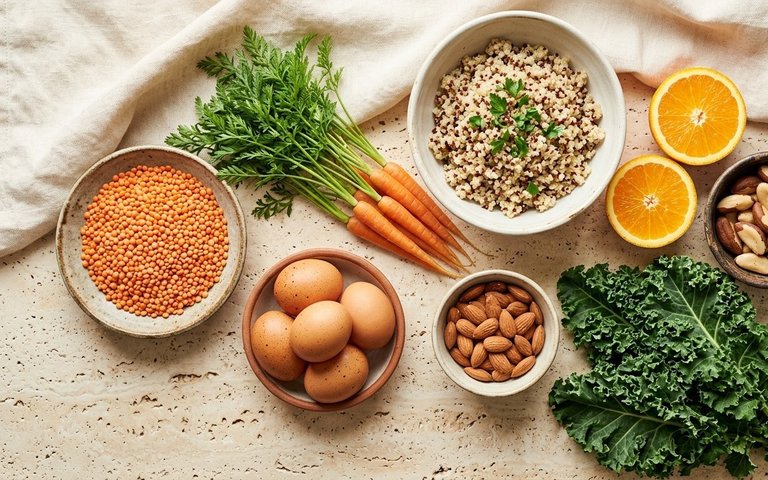
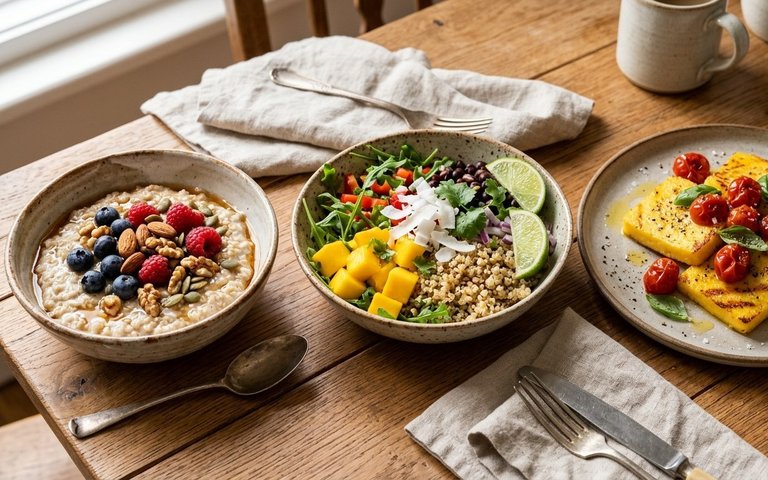
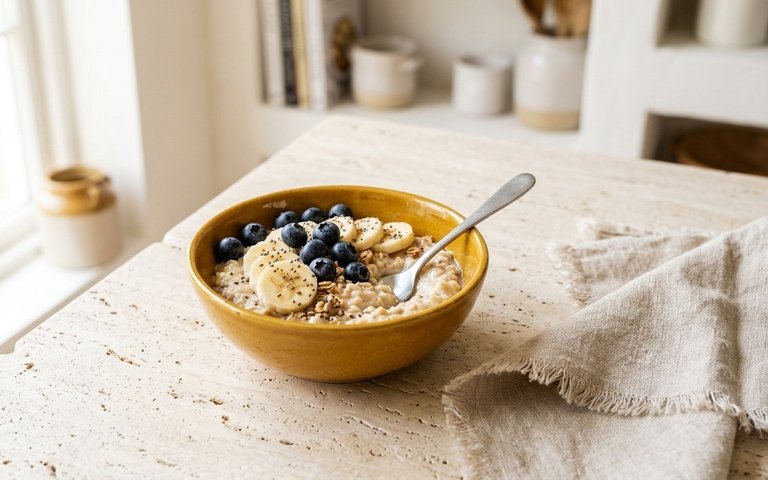
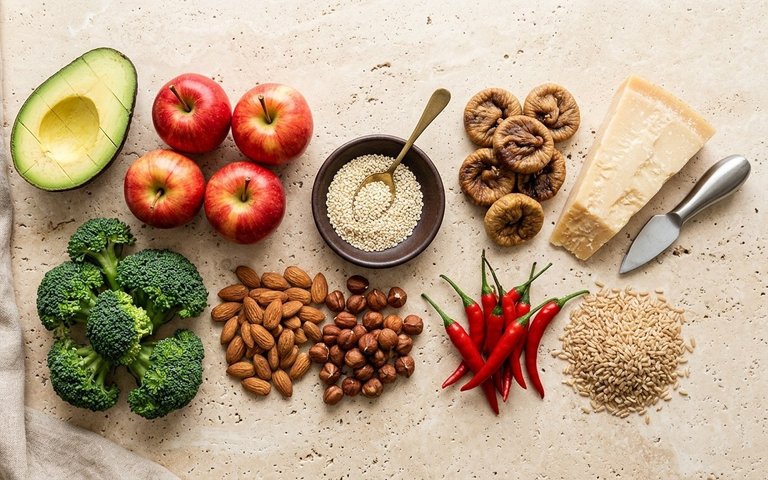
Table of Contents 4
Medical & Editorial Disclaimer (§3 Terms): This article is for informational and educational purposes only, does not constitute medical advice, diagnosis, or treatment, and is used at your own risk. Consult a qualified physician for medical conditions.
Removing gluten halts intestinal inflammation, yet a "gluten-free" badge does not automatically guarantee nutritional quality. Commercial gluten-free breads often rely on refined starches that are low in iron, folate, and fiber while raising blood glucose quickly.
Below we cover the primary nutrient gaps seen after diagnosis, temporary lactose intolerance while villi heal, childhood nutrition, and managing concurrent type 1 diabetes.
Six Core Nutrients to Monitor After Celiac Diagnosis
At diagnosis, villous injury frequently leaves gaps in iron, folate, vitamin B12, vitamin D, calcium, magnesium, and zinc (ESsCD, 2019). Periodic blood panels and bone health checks form the backbone of clinical follow-up.
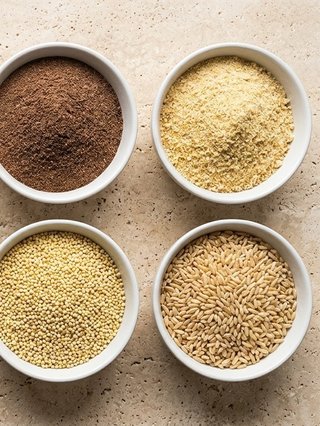
Replenish stores daily with intact gluten-free grains (buckwheat, quinoa, amaranth, millet, certified oats), dark leafy greens, legumes paired with vitamin C-rich peppers or parsley for iron uptake, oily fish, and eggs, tailoring supplements strictly to lab findings.
Temporary Secondary Lactose Intolerance While Villi Heal
Because the enzyme lactase sits right on the tips of intestinal villi, newly diagnosed celiac patients frequently notice temporary dairy discomfort. For many people, lactose tolerance returns once several months of strict gluten-free eating restore the gut lining.
Never sacrifice calcium during recovery: rely on lactose-free dairy, naturally low-lactose aged cheeses, calcium-fortified plant beverages, mineral-rich water, tahini, almonds, and broccoli to protect bone mass.
Supporting Growing Children and Infant Complementary Feeding
In children diagnosed with celiac disease, a well-rounded gluten-free diet supports completely normal growth and school performance. Favor nutrient-rich millet or certified oat bowls, eggs, buckwheat pancakes, fruit, vegetables, and dairy over sugary starch-heavy snacks.
For healthy infants, ESPGHAN recommends introducing gluten anytime between 4 and 12 months of age in modest initial portions, noting that healthy children gain no preventive advantage from avoiding gluten unnecessarily.
Navigating Concurrent Celiac Disease and Type 1 Diabetes — References
Sharing genetic HLA-DQ2/DQ8 risk, celiac disease affects roughly 4–8% of people with type 1 diabetes. Because starch-heavy commercial gluten-free breads can spike glucose sharply, anchor meals on lower-GI whole foods — buckwheat, quinoa, legumes, brown basmati rice, vegetables, and paired protein.
- Al-Toma A et al. ESsCD Guideline for Coeliac Disease. UEG Journal, 2019.
- Szajewska H et al. ESPGHAN Position Paper on Gluten Introduction. JPGN, 2016.
- ISPAD Clinical Practice Consensus Guidelines, 2022.
Want to apply these guidelines in your daily diet?
Our smart diet generator creates a tailored meal plan in 3 minutes based on the recommendations in this article.

Alicja Kowalska
• 25.11.2026Diets Premium Expert
Diets Premium team expert. Specializes in nutrition plans, strength sports, and training plans.