Smart Low-GI Kitchen Organization: Pantry Staples, Vegetables and Fast Cooking Techniques
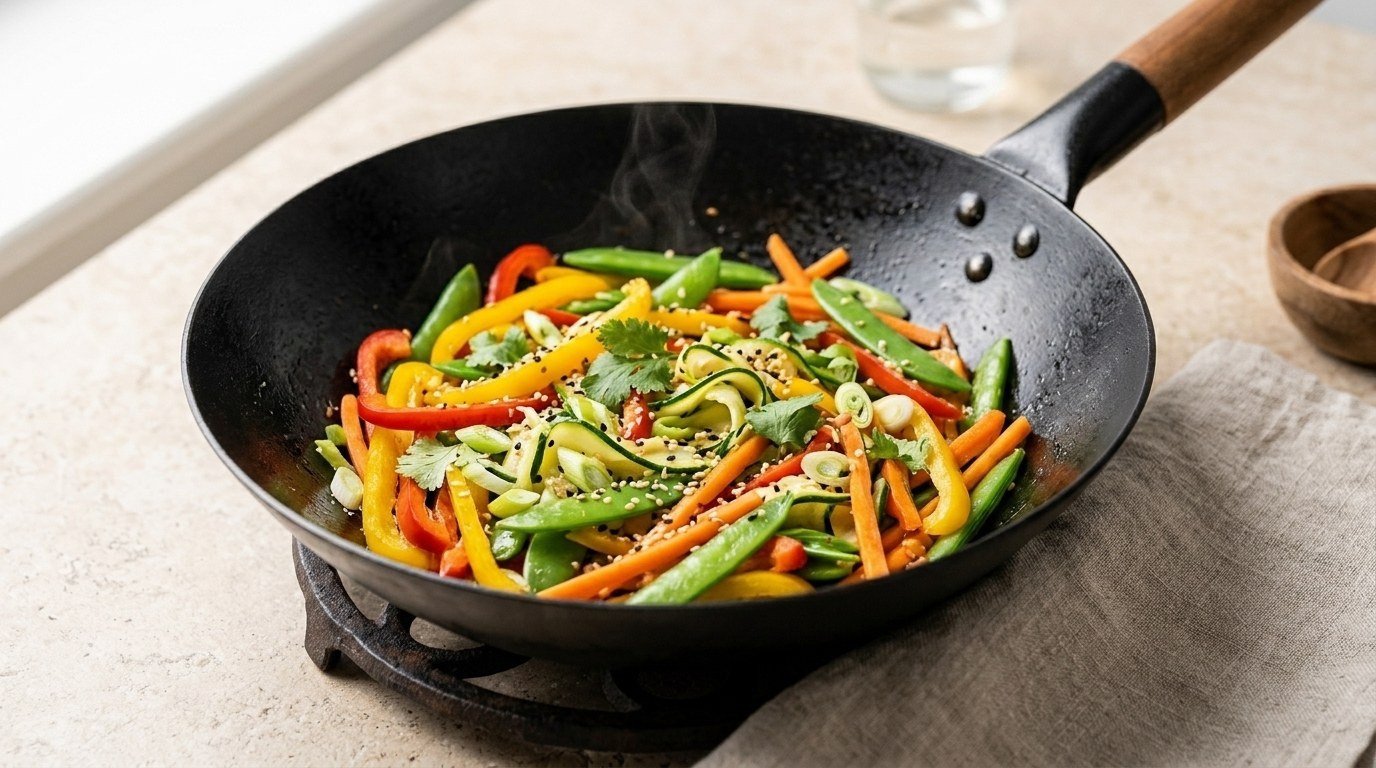
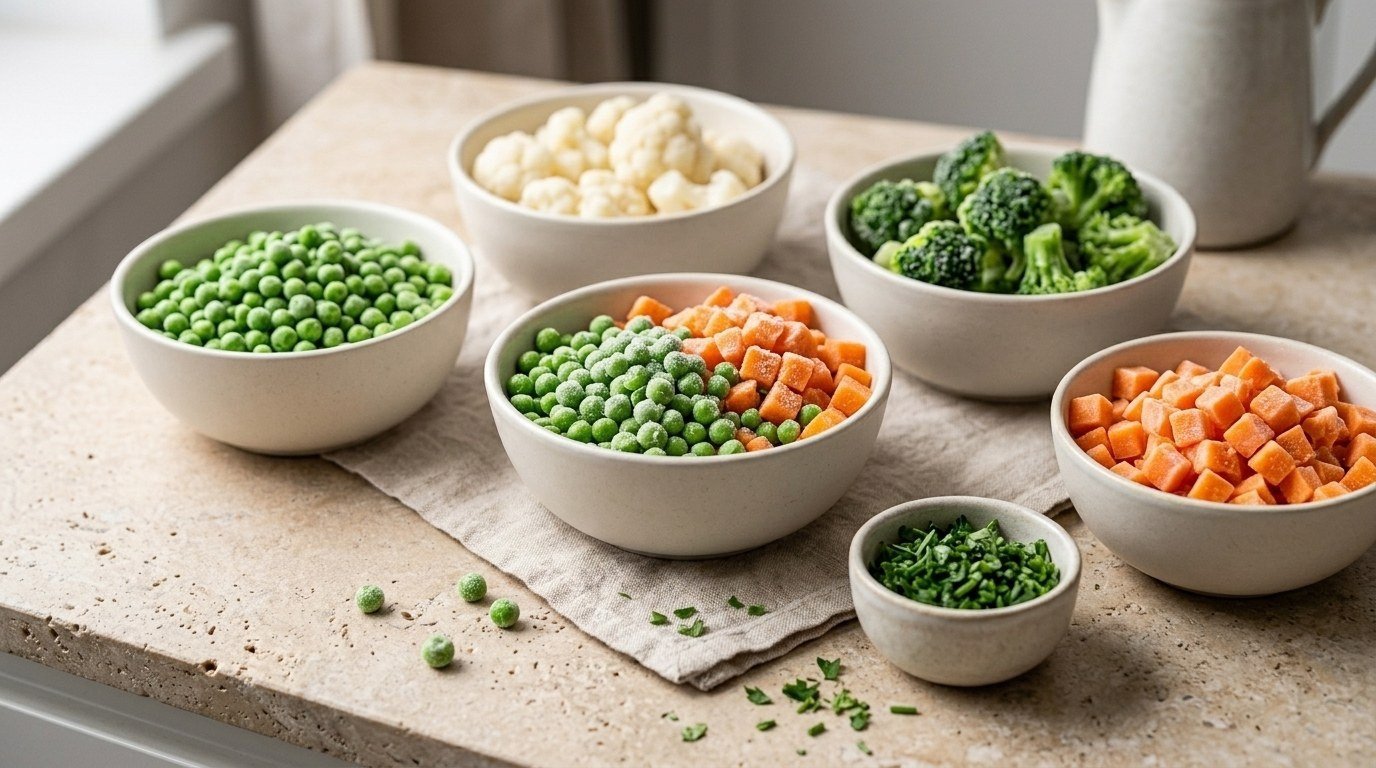
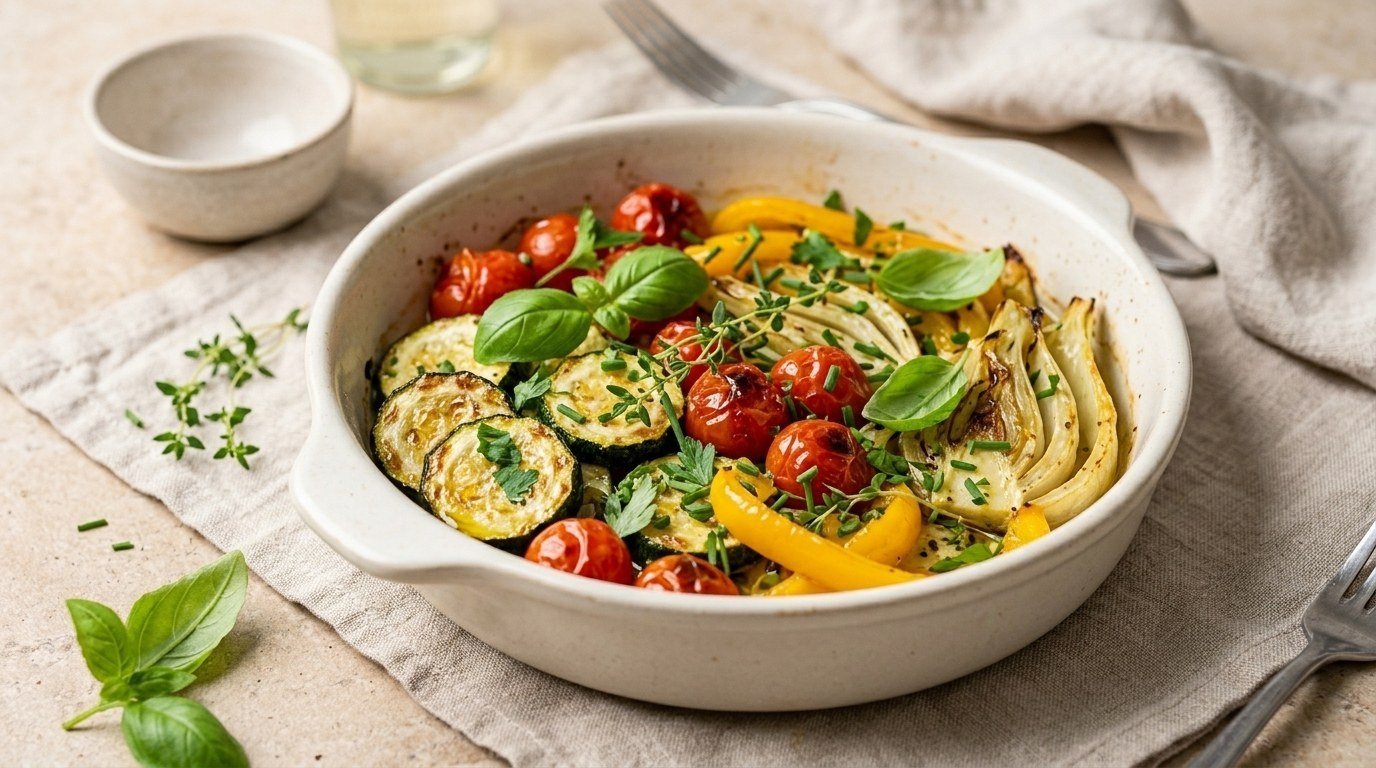
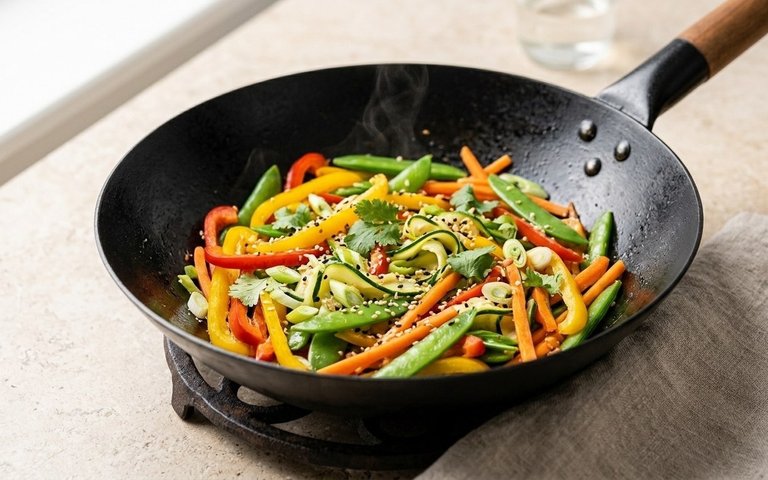
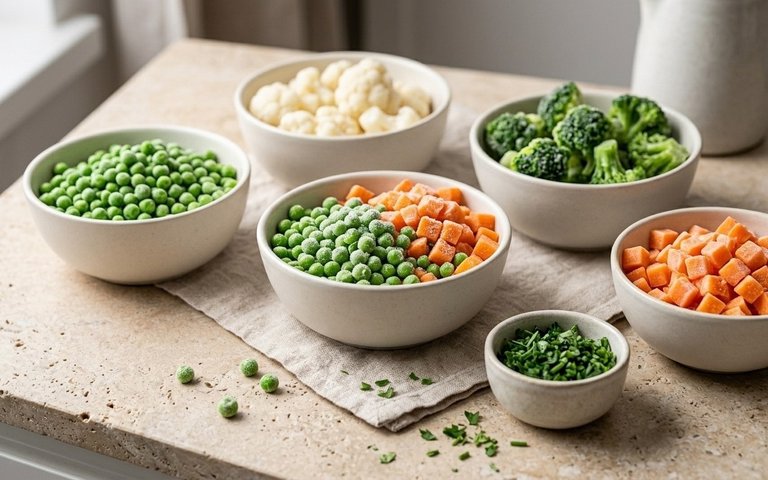
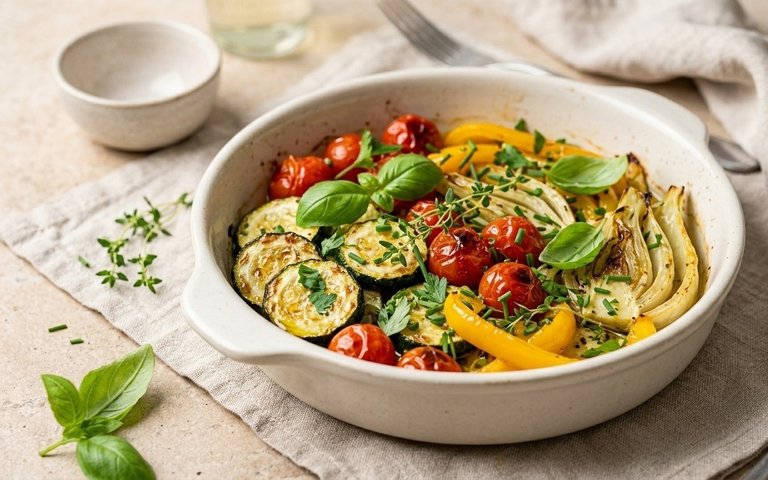
Table of Contents 4
Medical & Editorial Disclaimer (§3 Terms): This article is for informational and educational purposes only, does not constitute medical advice, diagnosis, or treatment, and is used at your own risk. Consult a qualified physician for medical conditions.
Most nutrition setbacks do not stem from a lack of willpower — they happen at 6:30 PM in front of an empty fridge. Stocking a reliable pantry and mastering three fast cooking methods gets a balanced dinner on the table faster than ordering takeout.
Below is a realistic weekday system covering smart staples, flash-frozen vegetables, aromatic herbs, and nutrient-preserving cooking techniques.
Fast Low-Fat Cooking with Skillet, Steam and Parchment
Cooking method directly influences both nutrient retention and glycemic response. Overcooking pasta or root vegetables breaks starch granules down rapidly, whereas steaming, quick stir-frying, and cooking al dente preserve cell structure alongside heat-sensitive vitamin C and folate.
Parchment-packet baking is another weeknight hero: fish or poultry sealed over sliced vegetables, herbs, and lemon roasts gently in its own juices in under 20 minutes with zero breading and virtually zero cleanup.
Stocking Your Pantry and Freezer for Effortless Weeknights
Plain flash-frozen produce deserves a permanent spot in a healthy kitchen: comparative research (Bouzari et al., Journal of Food Composition and Analysis) shows that frozen vegetables and berries retain vitamin C and antioxidants as well as — and sometimes better than — fresh produce stored for days. Simply choose plain bags with no added sauces or sugar.
In your pantry, keep red lentils (cooked in 12 minutes with no soaking), jarred chickpeas, plain crushed tomatoes, rolled oats, brown rice, fish in spring water, and unsalted nuts for instant balanced meals.
Bold Flavor with Less Sodium: Herbs, Spices and Light Thickening
The WHO recommends keeping salt intake under 5 g per day to protect blood pressure and kidney health. Build rich flavor without excess sodium by dry-toasting cumin, coriander, or fennel seeds, layering garlic, ginger, and lemon zest, and stirring in generous fresh herbs right before serving.
Skip heavy white-flour roux when thickening soups or sauces: blending a ladleful of cooked vegetables or red lentils right inside the pot delivers velvety body plus extra dietary fiber.
30-Minute Sunday Prep and Five-Minute Suppers — References
Thirty calm minutes on Sunday — cooking one batch of whole grains, boiling four eggs, washing leafy greens, and stirring together one herb-quark dip — ensures that balanced lunches and five-minute suppers are always within arm’s reach all week.
- Bouzari A, Holstege D, Barrett DM. Vitamin Retention in Eight Fruits and Vegetables: Fresh vs. Frozen. J Agric Food Chem, 2015.
- World Health Organization (WHO): Sodium Reduction Guidelines, 2023.
- DGE: Nutrient-Preserving Everyday Cooking Recommendations.
Want to apply these guidelines in your daily diet?
Our smart diet generator creates a tailored meal plan in 3 minutes based on the recommendations in this article.

mgr Max Müller
• 25.11.2026Diets Premium Expert
Diets Premium team expert. Specializes in nutrition plans, strength sports, and training plans.