Smart Carbohydrates, Plant Oils, Protein and Sweeteners for Low-Glycemic Eating
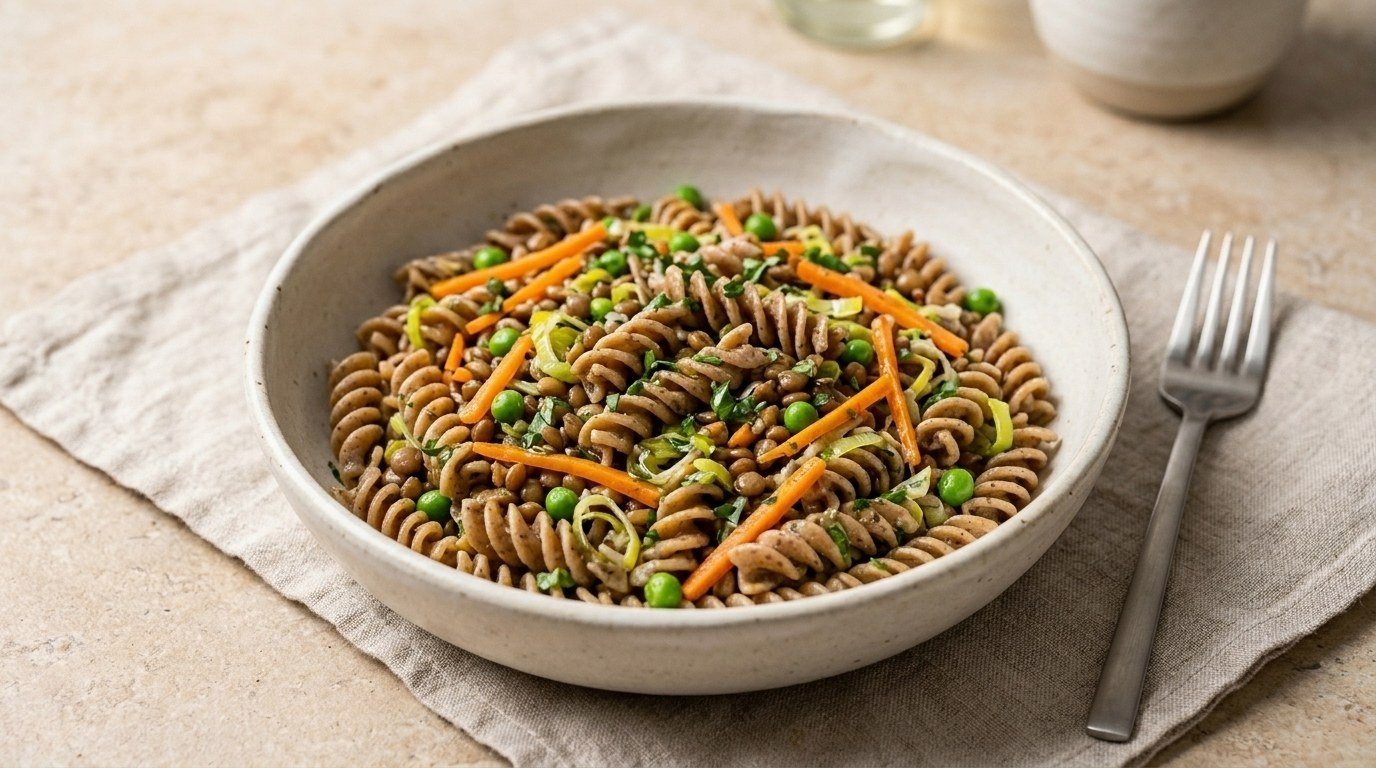
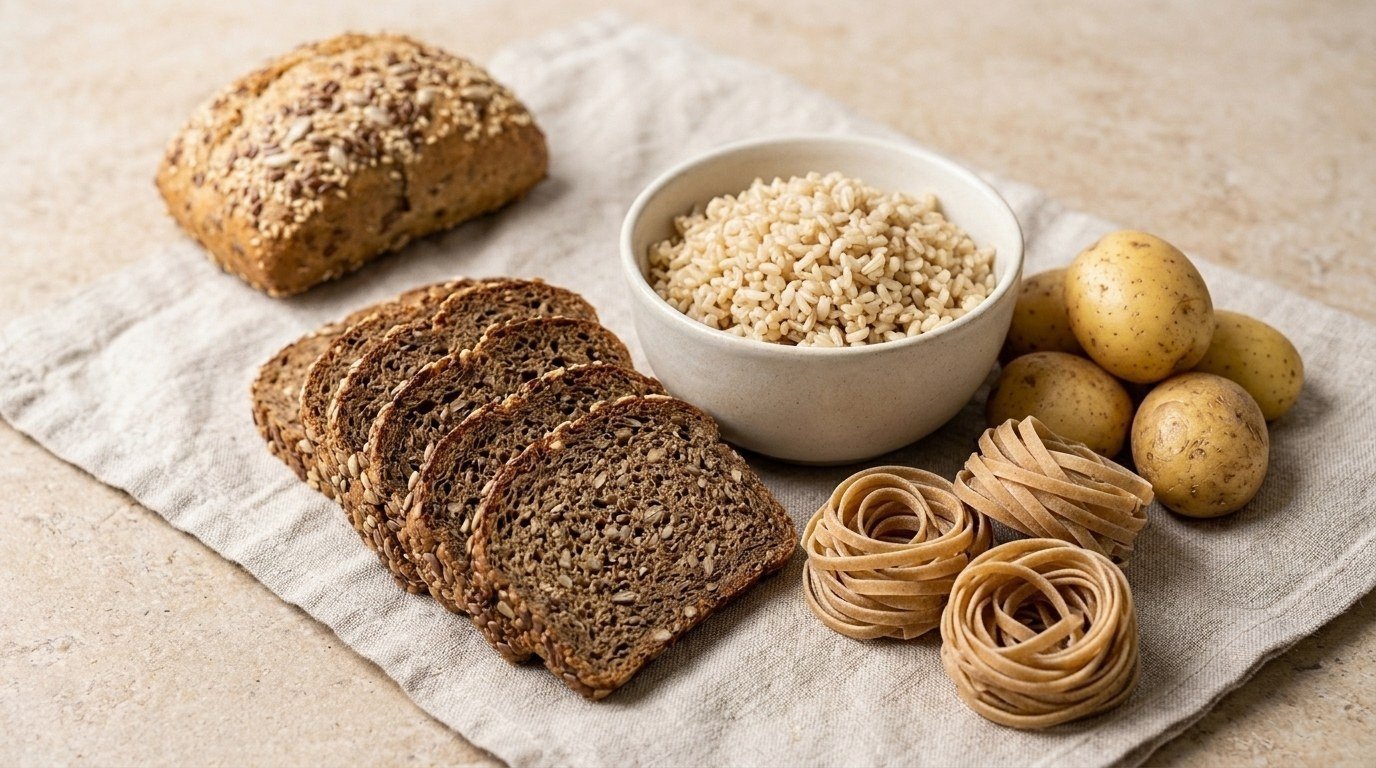
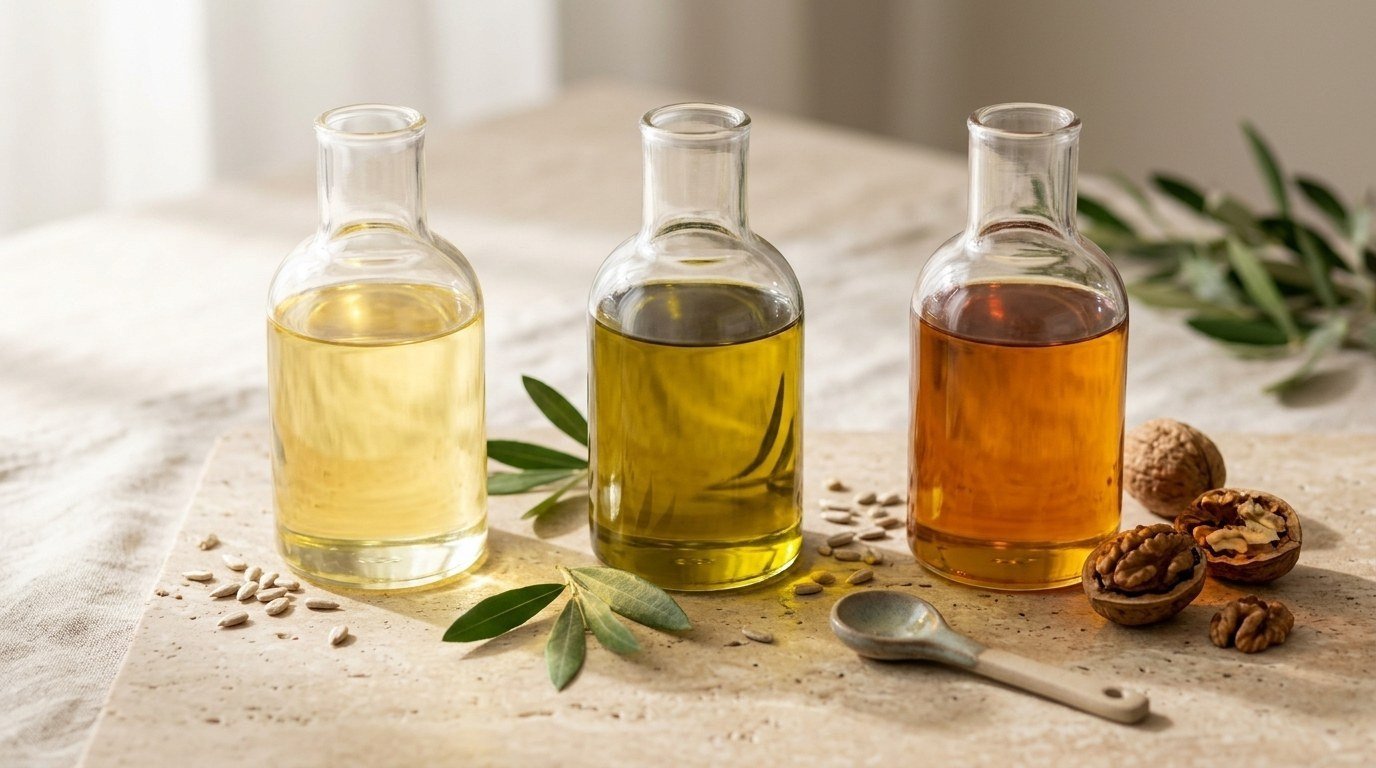


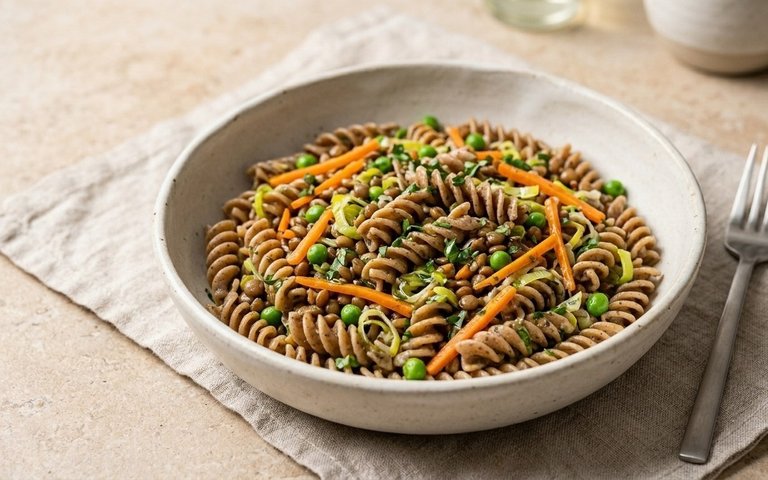
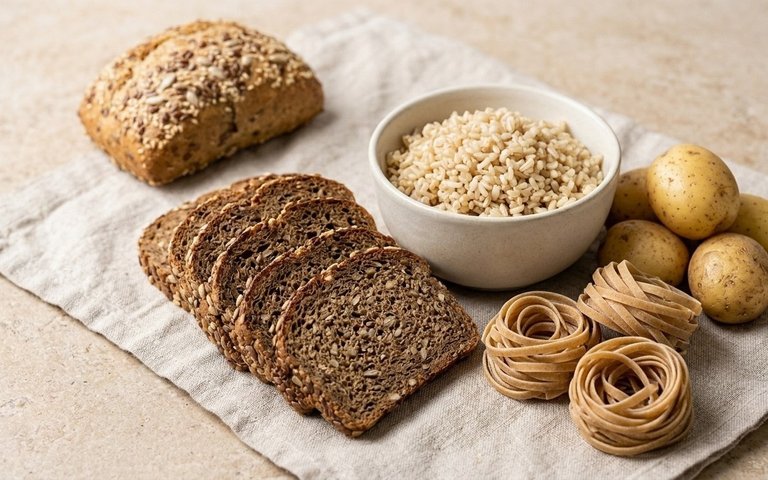


Table of Contents 4
Medical & Editorial Disclaimer (§3 Terms): This article is for informational and educational purposes only, does not constitute medical advice, diagnosis, or treatment, and is used at your own risk. Consult a qualified physician for medical conditions.
In low-glycemic nutrition, macronutrient quality shapes your energy far more than raw calorie math alone. Two meals with the same energy count can produce completely different glucose and satiety curves depending on fiber viscosity, fatty-acid profile, and grain structure.
Below we walk through the four everyday pillars of a balanced shopping basket: intact carbohydrates, plant oils, protein, and smart hydration plus EFSA-reviewed sweeteners.
Complex Carbohydrates: Glycemic Index vs. Glycemic Load
Glycemic index (GI) ranks how quickly 50 g of available carbohydrate raises blood glucose, whereas glycemic load (GL) accounts for your actual serving size. A normal side of cooked carrots carries a low GL, while an oversized white-flour roll produces a sharp post-meal spike.
Everyday standouts include rolled oats rich in beta-glucans, buckwheat, pearl barley, quinoa, and legumes such as lentils and chickpeas, which deliver slow-release fuel alongside prebiotic fiber (DGE, 2024).
Comparing Plant Oils for Vascular and Metabolic Protection
Protecting blood vessels sits at the heart of long-term metabolic care. The landmark PREDIMED trial (New England Journal of Medicine) demonstrated that Mediterranean eating rich in extra-virgin olive oil and unsalted nuts substantially lowers cardiovascular risk.
In practice, keep two lanes in the kitchen: use rapeseed or olive oil for gentle sautéing and roasting thanks to their heat-stable oleic acid, and reserve cold-pressed flaxseed or walnut oil strictly for dressings and finished bowls to preserve delicate omega-3 fatty acids.
Protein as a Glycemic Buffer and Clean Hydration
Including 20–30 g of quality protein at main meals slows gastric emptying and boosts natural satiety hormones. Rotate across oily sea fish (EPA/DHA), legumes, fermented dairy such as kefir or skyr, eggs, and lean poultry — while keeping in mind that anyone with chronic kidney disease should set protein targets with their nephrologist.
Liquid sugars deserve equal vigilance: fruit juices and sodas hit the bloodstream within minutes. Anchor hydration with water, unsweetened herbal infusions, and green tea, diluting any occasional fruit spritzer at least 3:1 with sparkling water.
Evaluating Sugar Alternatives Honestly — References
Modern clinical nutrition moved away from old "diabetic candy" packed with fructose and saturated fats — EU regulations phased out that category because such items often carried more calories than regular treats. When using EFSA-evaluated alternatives like erythritol or steviol glycosides, keep amounts moderate (noting WHO 2023 guidance) and gradually retrain your palate with cinnamon, vanilla bean, and cardamom.
- EFSA Panel on Food Additives: Re-evaluation of Steviol Glycosides and Polyols.
- WHO: Use of Non-Sugar Sweeteners Guideline, 2023.
- Estruch R et al. PREDIMED Trial. New England Journal of Medicine, 2018.
- DGE: Food-Based Dietary Guidelines, 2024.
Want to apply these guidelines in your daily diet?
Our smart diet generator creates a tailored meal plan in 3 minutes based on the recommendations in this article.

Laura Schneider
• 25.11.2026Diets Premium Expert
Diets Premium team expert. Specializes in nutrition plans, strength sports, and training plans.