Domowa produkcja wina, octu i soku: jak skutecznie wykorzystać czarny bez

| Ekspert Diets Premium Katarzyna Mazur | min czytania 2 min | Zweryfikowane merytorycznie przez dietetyka klinicznego 23.10.2026 |
Odtwarzacz głosowy
•Odsłuchaj treść artykułu na żywo
Czarny bez (Sambucus nigra) to jedna z najcenniejszych roślin w tradycyjnym zielarstwie i domowym przetwórstwie. Zarówno jego kwiaty, jak i dojrzałe owoce stanowią wybitne źródło antocyjanów, flawonoidów oraz witaminy C. Dowiedz się, jak krok po kroku przygotować wyborne domowe wino, prozdrowotny ocet żywy oraz pasteryzowany sok z czarnego bzu, zachowując maksymalną wartość odżywczą i pełne bezpieczeństwo obróbki.
Chcesz wdrożyć te zasady w codziennej diecie?
Nasz inteligentny generator ułoży dla Ciebie zbilansowany jadłospis w 3 minuty, uwzględniając zalecenia z tego artykułu.
Elderberry – a potent natural remedy for health and immunity!
Traditional Elderberry Wine: Fermentation Fundamentals and Aromatic Complexity
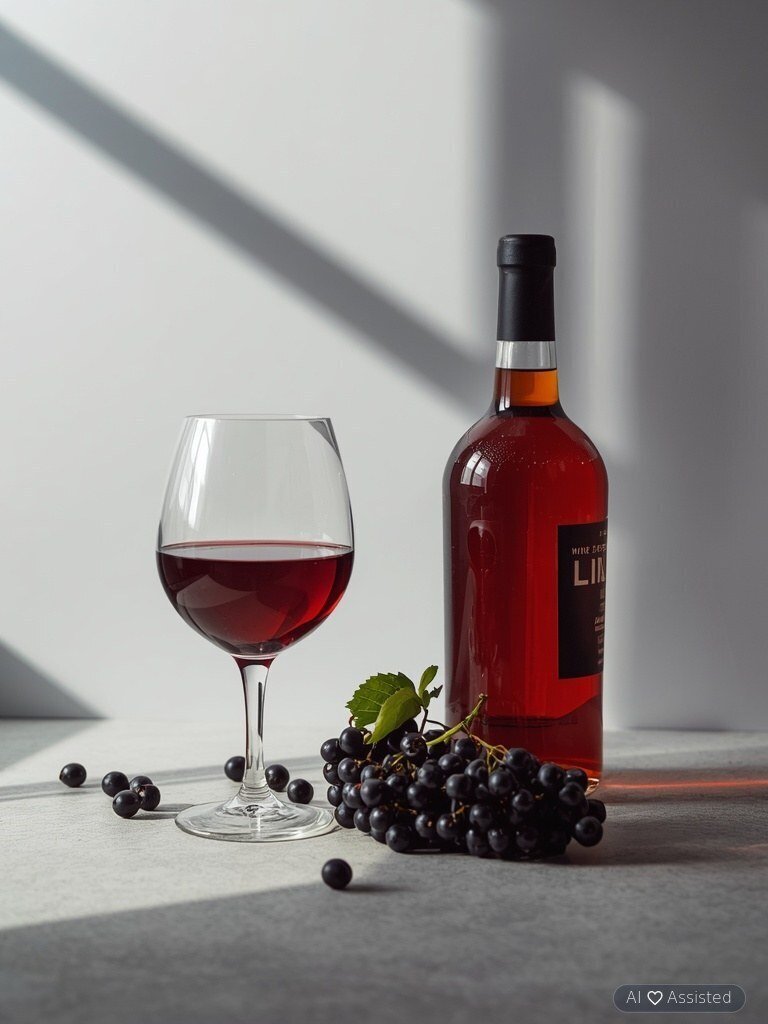
Artisan elderberry wine is a distinguished, full-bodied beverage celebrated for its opulent ruby pigment and aromatic complexity, frequently drawing comparisons to bold grape vintages such as Cabernet Sauvignon or Syrah. The cornerstone of successful vinification is gathering exclusively ripe, glossy berry clusters in late summer. Meticulous destemming is compulsory, as green stems introduce unwanted astringent tannins; the berries must subsequently undergo controlled thermal maceration in boiling water to lyse cell walls and degrade thermosensitive raw glycosides.
Once cooled, the concentrated fruit must is balanced with inverted sugar syrup, organic yeast nutrients, and cultured wine yeast (predominantly selected strains engineered for structured red wines, such as Bordeaux isolates). Vigorous primary fermentation under an airtight water lock continues for two to three weeks, followed by secondary cellar maturation. Elderberry wine requires patient aging—a minimum of six to twelve months in a cool, dark environment is necessary to soften tannins and cultivate exquisite tertiary bouquets.
Live Artisan Elderberry Vinegar: The Process of Natural Acetic Acid Fermentation
Raw, unpasteurized live elderberry vinegar represents a potent functional tonic supporting the intestinal microbiome and cardiovascular homeostasis. It can be crafted either from fragrant spring inflorescences (yielding an ethereal, floral vinegar with delicate top notes) or from simmered mature berries (producing an intensely tart, deep-violet vinegar densely loaded with anthocyanins). This biological transformation is driven by spontaneous acetic acid bacteria belonging to the genus Acetobacter.
The procedure entails steeping the prepared botanical material in sterile water lightly sweetened with raw cane sugar or honey (approximately four tablespoons per liter), sealed beneath a breathable cheesecloth membrane. During the initial two weeks, the brew requires daily aeration using a sterilized wooden or stainless implement to suppress aerobic mold colonizers. Over subsequent weeks, a gelatinous bacterial cellulose biofilm—the 'mother of vinegar'—naturally forms. Finished live vinegar moderates postprandial glycemic excursions and enhances digestive secretions.
Pasteurized Elderberry Juice and Cordial: Natural Immune Support for Cold Seasons
During peak seasons for upper respiratory viral transmissions, homemade elderberry juice and rich syrup serve as peerless immunological fortifications. Bioactive anthocyanidins concentrated within the pigmented skins physically adhere to influenza surface hemagglutinin spikes, thereby impeding viral docking and cellular entry into respiratory epithelial cells. Juice extraction entails gently simmering ripe berries in a heavy vessel or utilizing an extraction steam juicer until the fruit matrices rupture.
Following cloth expression to discard pulp and seeds, the rich liquor is balanced with fresh lemon juice and minimal unrefined sugar, followed by mild thermal pasteurization at 80–85°C for fifteen minutes. This gentle thermal hold inactivates polyphenol-degrading enzymes and denatures antinutritional compounds while fully preserving resilient therapeutic polyphenols. Daily consumption of a tablespoon of this tonic in warm herbal infusions supports innate macrophage and cytokine responsiveness.
Elderberry Safety and Toxicity Prevention: Thermal Inactivation of Sambunigrin
Notwithstanding its formidable therapeutic benefits, black elderberry necessitates absolute adherence to fundamental toxicological safety rules. Raw botanicals—most notably unripe green berries, green stems, foliage, and bark—contain sambunigrin, a cyanogenic glycoside. Upon cellular maceration and digestive enzymatic hydrolysis, sambunigrin cleaves into toxic hydrocyanic acid (hydrogen cyanide), which triggers acute nausea, violent emesis, abdominal cramps, and systemic distress.
The foundational rule of artisanal herbal preparation is the absolute proscription against consuming uncooked elderberries in any format. Sustained thermal exposure—specifically sustaining temperatures exceeding 80°C for a continuous duration of 10 to 15 minutes—completely thermally decomposes sambunigrin and inactivates beta-glucosidase enzymes. This simple culinary step transforms the harvested berries into a totally benign, nourishing medicine suitable for family wellness, provided all green drupes are discarded prior to cooking.

Katarzyna Mazur
✓Ekspert Diets Premium
Ekspert zespołu Diets Premium. Specjalizuje się w planach żywieniowych, sportach siłowych oraz planach treningowych.
Zobacz profil →