Meal Plans and Diets • CLINICAL PROTOCOL

Veganism and Plant-Based Diets

Personalized, evidence-based nutrition guidelines (EBM) dedicated to Veganism and Plant-Based Diets. Balanced macronutrients, micronutrition, and elimination of pro-inflammatory factors.

Veganism and Plant-Based Diets
HOW TO START

It's Easy to Start Today!

Eat Healthy

Precisely selected nutrients supporting metabolic balance and tissue regeneration.

Workout Hard

Physical activity safely tailored to your clinical conditions and baseline endurance.

Enjoy Your Life

Psychoemotional balance, restful sleep, and stress reduction as indispensable pillars of recovery.

SERVICES & PROTOCOLS
Personal Health Program

Personal Health Program

Dedicated medical nutrition therapy and dietary protocols for Veganism and Plant-Based Diets.

Personal Fitness Trainer

Personal Fitness Trainer

Tailored workout plan and physical exercise supporting therapy.

Wellness Counseling

Wellness Counseling

Specialist support and continuous monitoring of health progress.

Diet Programs

Diet Programs

Precise calculation of BMR, TDEE, and micronutrient balance.

Refreshing Citrus Background
FREE RECOMMENDATIONS

Change Your Health in One Day!

Special Program for Sensitive Nutrition
POPULAR PROGRAMS & CLINICAL PROTOCOLS

Special Program for Sensitive Nutrition

Individually formulated nutrition protocols for individuals managing specific metabolic and allergic requirements in Veganism and Plant-Based Diets.

Allergen exclusion, gut microbiota support, and optimization of carbohydrate-lipid metabolism.

8
Programs
161
Happy Customers
7
Awards
117
Success Stories

Other Groups in Category: Meal Plans and Diets

Articles and Guides in — Veganism and Plant-Based Diets

Publications, recommendations, and clinical analysis in Veganism and Plant-Based Diets

30 publications
Characteristics and composition of sheep whey – does it contain lactose? Analysis of nutritional and comparative properties

Characteristics and composition of sheep whey – does it contain lactose? Analysis of nutritional and comparative properties

Beyond conventional cow’s milk, today’s consumers have access to a diverse array of mammalian milk products, including those derived from sheep, goats, donkeys, and even camels. Additionally, the term "milk" is colloquially extended to plant-based beverages such as those made from soy, oats, rice, or almonds. It is critical to note, however, that the biochemical composition of animal-derived milk varies substantially depending on the source, exhibiting marked differences in protein, fat, carbohydrate, vitamin, and mineral content—factors that significantly influence nutritional value and potential dietary applications.
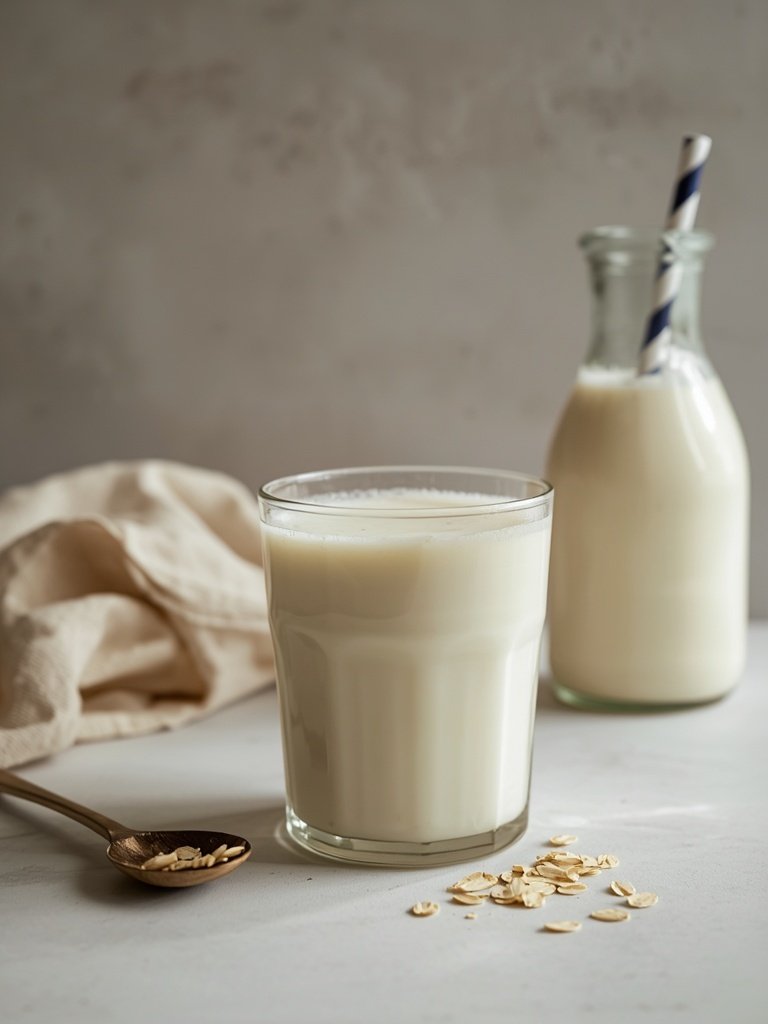
Homemade oat milk: nutritional properties, chemical composition, and a practical guide to making the plant-based drink yourself

Homemade oat milk: nutritional properties, chemical composition, and a practical guide to making the plant-based drink yourself

Oat milk, as a plant-based substitute for conventional dairy products, has seen a steady rise in consumer preference among those seeking healthier or ethically aligned dietary choices. However, commercial versions are frequently priced at a premium far exceeding that of traditional cow’s milk, presenting a significant economic obstacle—particularly for individuals adhering to vegan diets or managing food intolerances. Meanwhile, few are aware that producing this beverage at home not only reduces expenses but also grants complete oversight of the ingredient list, eliminating preservatives, artificial flavorings, and other unnecessary additives.

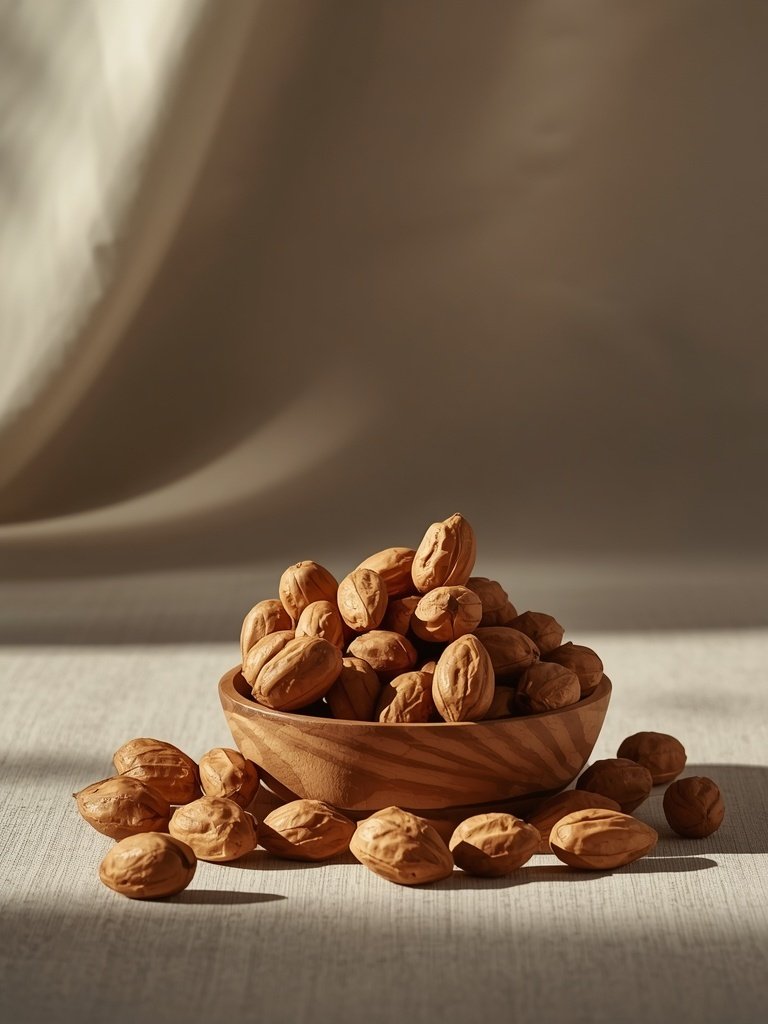
Tiger peanuts – characteristics, nutritional properties, and practical uses in diet and beyond

Tiger peanuts – characteristics, nutritional properties, and practical uses in diet and beyond

The crispy tubers known as peanut almonds—or colloquially as tiger nuts—have served as a dietary staple in Mediterranean regions for millennia, with historical roots tracing back to pharaonic Egypt. Why does contemporary nutritional science categorize these unassuming root vegetables among the most valuable "superfoods"? What specific health advantages arise from their consistent consumption, and in what diverse forms can they be incorporated into everyday meals? Let us delve into the compelling universe of these modest yet exceptionally nutrient-dense plant-based treasures.

Popular and Less Commonly Used Vegetable Oils – Characteristics and Practical Applications in Cooking and Diet

Popular and Less Commonly Used Vegetable Oils – Characteristics and Practical Applications in Cooking and Diet

Culinary oils constitute a category of fats extracted from a diverse array of botanical sources, including seeds, kernels, fruits, and roots. For centuries, they have played a pivotal role in both traditional and contemporary cuisines across the globe. Some of these oils undergo thermal processing during frying or baking, while others are incorporated into cold dishes, dressings, or marinades. Beyond enhancing the flavor and aroma of vegetable, meat, or fish-based meals, their dietary inclusion facilitates the absorption of fat-soluble vitamins—such as A, D, E, and K. Rather than restricting oneself to a handful of widely available options like sunflower oil or extra virgin olive oil, it is advantageous to explore the broad spectrum of alternative oils that can enrich our diets with unique nutritional compounds and health-promoting properties.

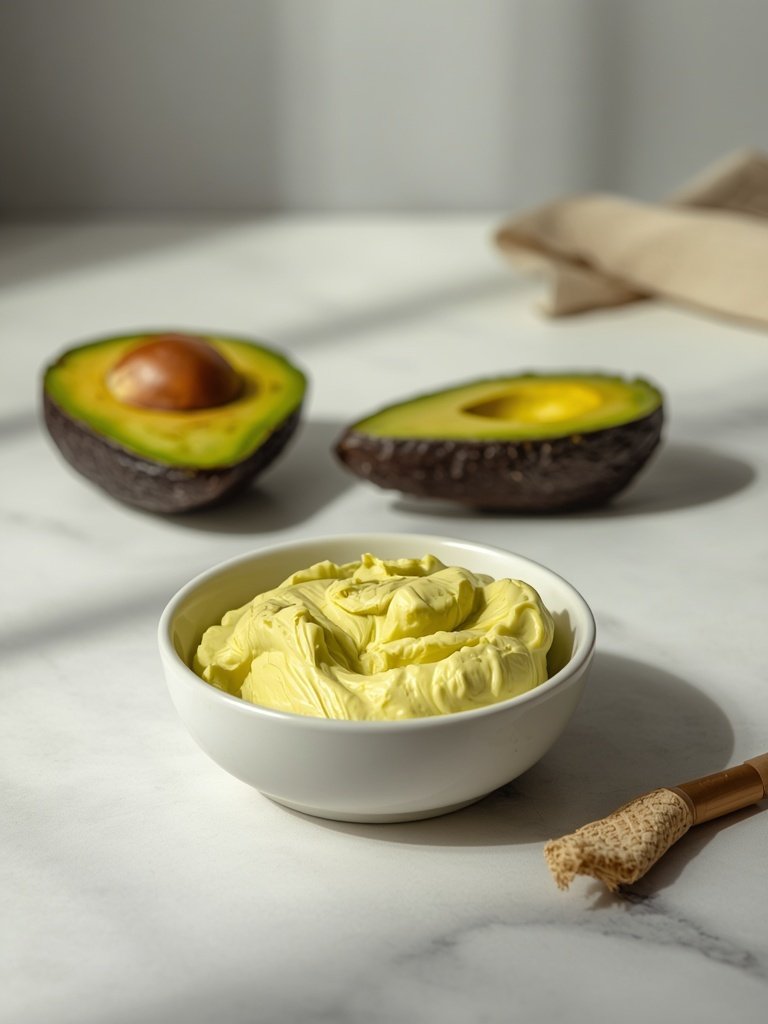
Is this really avocado butter instead of the classic one? A guide to making avocado butter at home

Is this really avocado butter instead of the classic one? A guide to making avocado butter at home

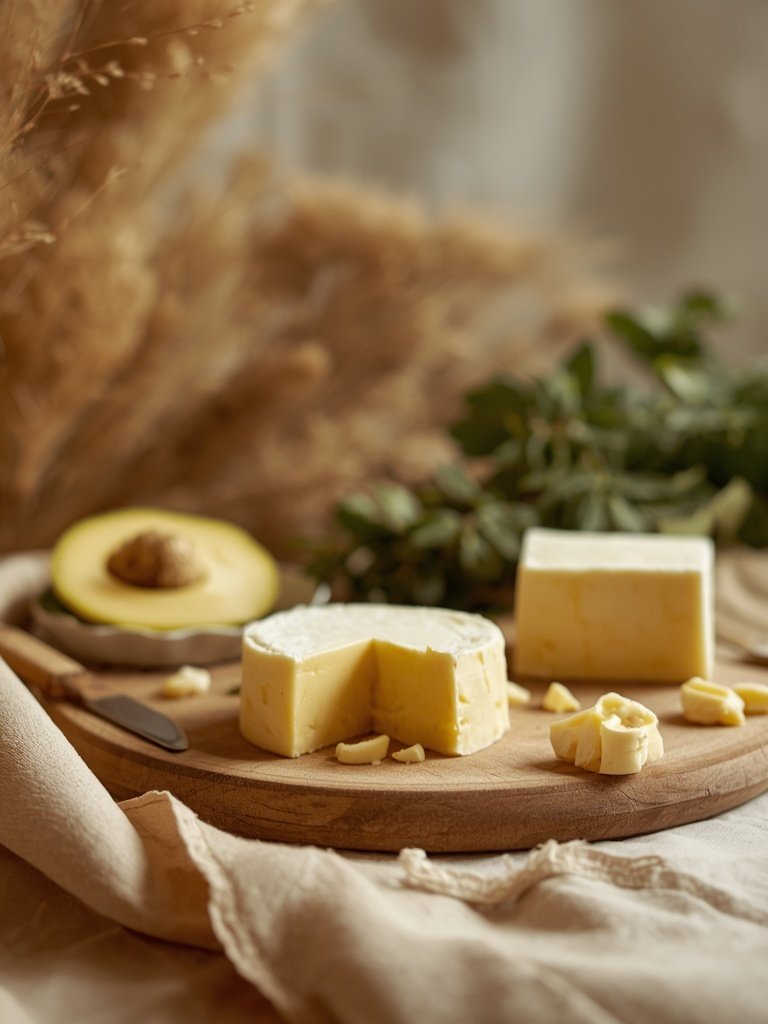
The avocado constitutes the fruit of the *Persea americana* tree, which originates from the geographical regions of Mexico and Central America. It is distinguished by its elongated, pear-like shape, featuring an outer skin with a greenish hue and an inner flesh of a creamy, yellowish texture that surrounds a single, relatively large seed. The maturation process of this fruit extends beyond six months, rendering it unique among tropical fruits. Owing to its substantial fat content—primarily composed of monounsaturated fatty acids such as oleic acid—avocado represents an exceptionally energy-dense food source, providing approximately 237 kilocalories per fruit on average. In terms of nutritional composition, it stands out for its elevated levels of essential micronutrients, including potassium, magnesium, a comprehensive range of B vitamins, and vitamin E, which exhibits antioxidant properties. Furthermore, avocado serves as a natural reservoir of glutathione—a potent antioxidant that facilitates bodily detoxification—as well as phytosterols, plant-based compounds credited with the capacity to reduce total cholesterol levels and the harmful LDL cholesterol fraction in the bloodstream. The fatty acid profile of this fruit encompasses not only the predominant oleic acid but also modest quantities of linoleic acid (a polyunsaturated fatty acid) and trace amounts of saturated fatty acids, thereby establishing it as a product with a balanced lipid composition.

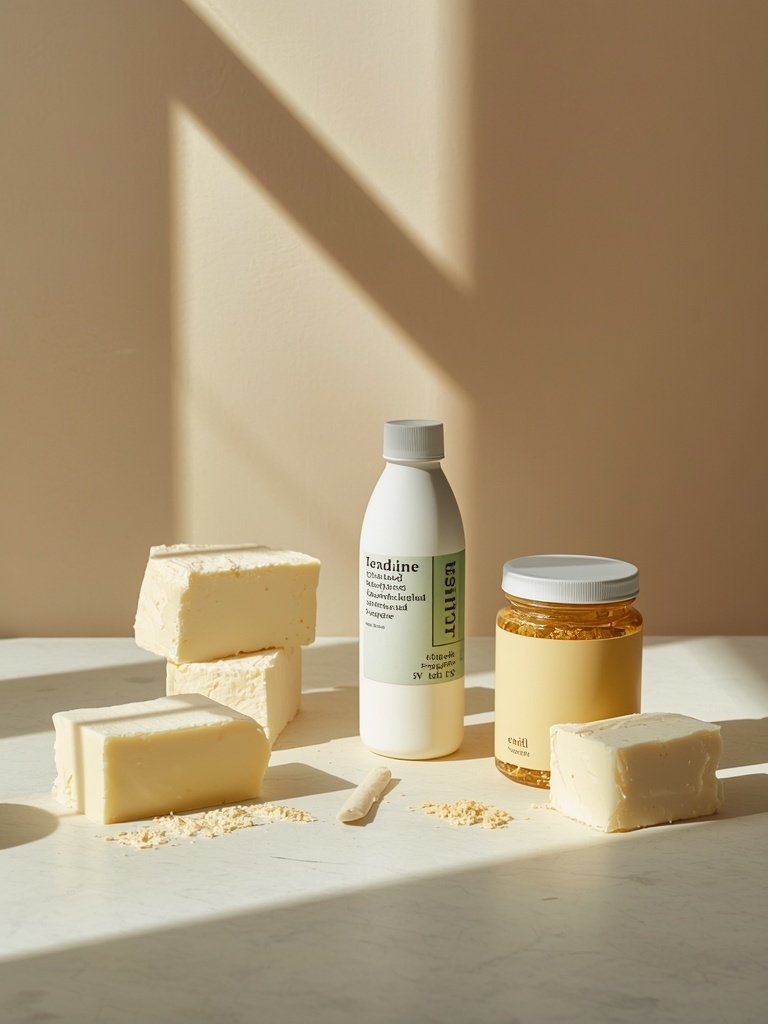
Natural butter supplement – key information on composition and differences compared to plant-based alternatives

Natural butter supplement – key information on composition and differences compared to plant-based alternatives

It is crucial to emphasize that genuine butter, which provides the human body with indispensable nutritional compounds, is produced solely through the processing of whole cow’s milk or premium-grade cream. Conversely, plant-based margarines and alternative fats—despite their lower cost and widespread accessibility—lack the essential bioactive components found in natural butter, and their consistent consumption, particularly as a long-term substitute for traditional butter, may be associated with potential adverse health implications.

Vegetable margarine – ingredient analysis, additives, and available product variants

Vegetable margarine – ingredient analysis, additives, and available product variants

Within the Polish dietary landscape, margarine serves as a budget-conscious substitute for conventional butter while also catering to individuals who actively manage their blood cholesterol concentrations. In strict adherence to prevailing legal standards, this product undergoes systematic enrichment with vitamins A and D, thereby aligning its nutritional characteristics as closely as possible with those of natural dairy fat. This fortification strategy is designed not merely to approximate the nutrient profile but also to mitigate the risk of deficiencies in critical fat-soluble vitamins, which play a pivotal role in sustaining optimal physiological function.

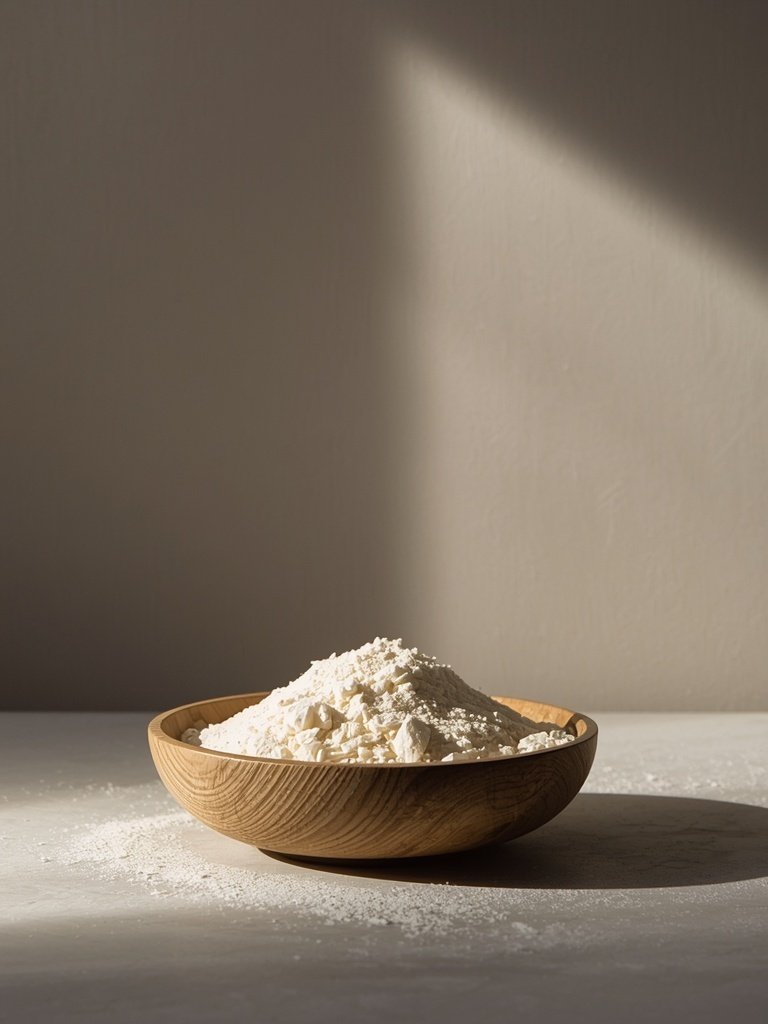
Rice flour – properties, price, how to make at home and proven culinary recipes

Rice flour – properties, price, how to make at home and proven culinary recipes

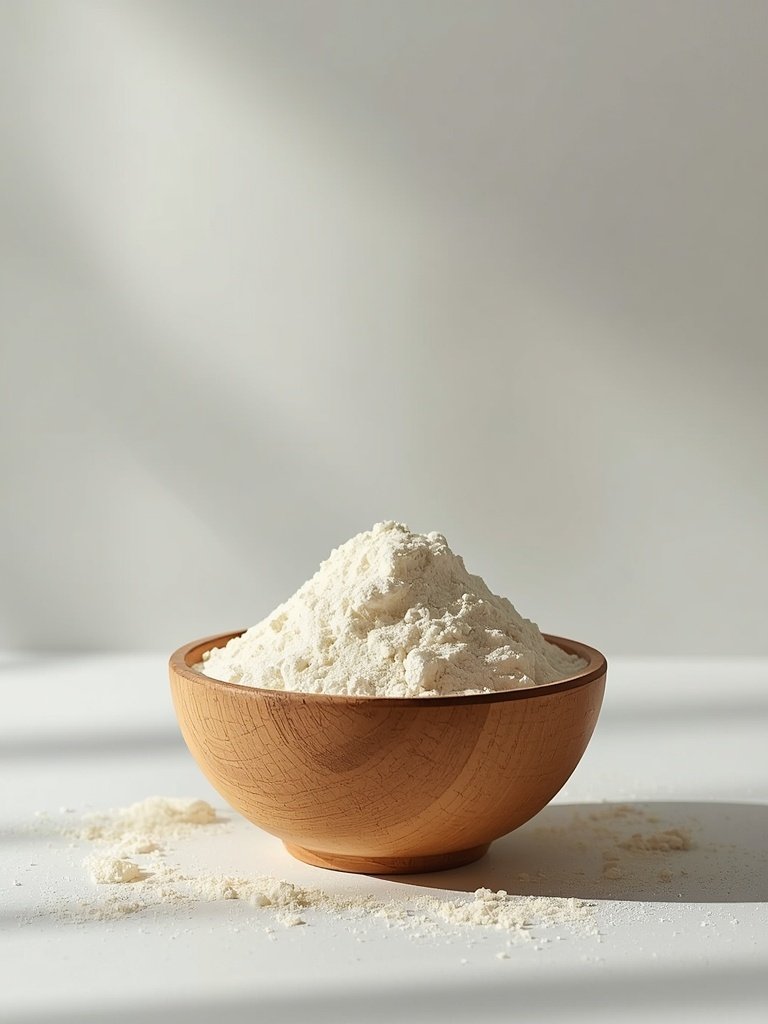
Rice flour, milled from polished white or whole brown rice kernels (Oryza sativa), is among the world's most ubiquitous and functional gluten-free flours. Celebrated for its gentle hypoallergenic digestibility, neutral flavor profile, and low sodium density, it functions effortlessly across sweet and savory applications. It is the cornerstone of Japanese mochi confections, crisp tempura batters, and wholesome baking blends for celiac and wheat-allergic individuals.

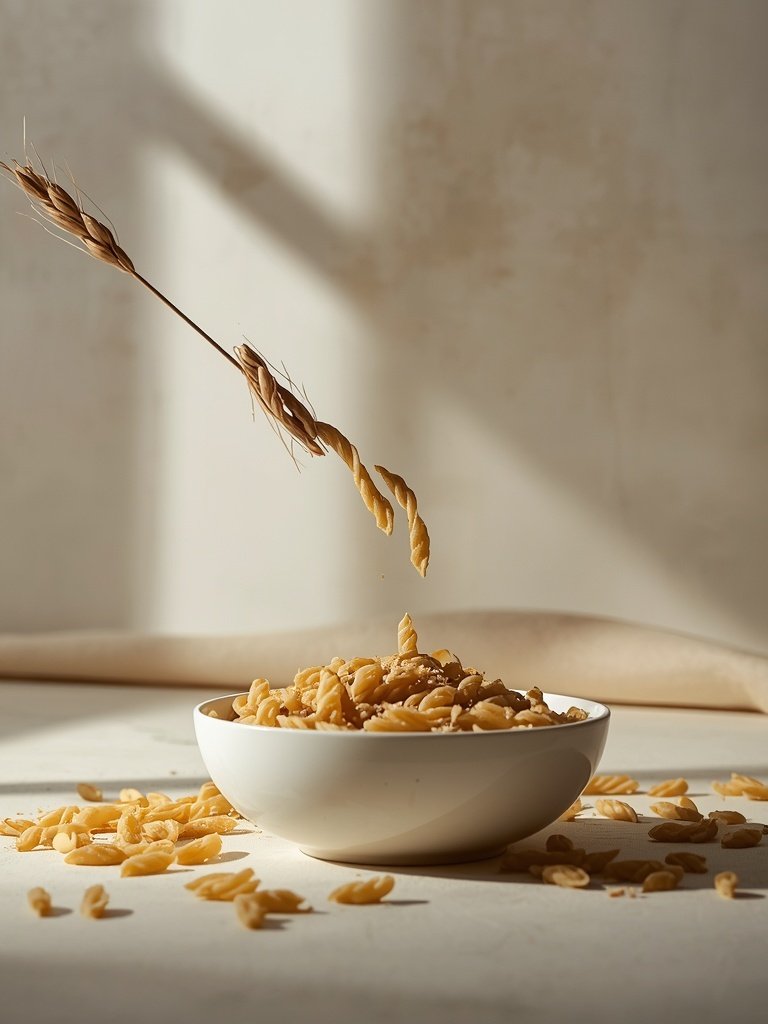
Al dente spaghetti from durum wheat – nutritional value analysis and effect on glucose metabolism

Al dente spaghetti from durum wheat – nutritional value analysis and effect on glucose metabolism

Durum wheat spaghetti (Triticum durum), boiled strictly according to traditional Italian al dente specifications, represents the gold standard of healthy carbohydrate nutrition. Genetically distinct from soft common wheat, durum wheat yields superior protein density, a compact crystalline endosperm, and abundant yellow carotenoid pigments (lutein). The tight mechanical entrapment of starch granules within an intact protein network ensures whole-grain durum spaghetti exhibits an impressively low glycemic index (GI = 35–40).

Coconut flour: nutritional properties, practical uses, and tried-and-true recipes based on this unique product

Coconut flour: nutritional properties, practical uses, and tried-and-true recipes based on this unique product

Coconut flour is a functionally unique culinary ingredient derived from dehydrated, defatted coconut meat after oil extraction. It is characterized by phenomenal dietary fiber density (nearly 40%), complete gluten-free purity, and minimal net carbohydrates. This comprehensive guide outlines its nutritional composition, culinary hydration conversion formulas, and laboratory-tested wholesome recipes.

Homemade Mayonnaise: Traditional Recipe, Low-Calorie Version, and Plant-Based Alternatives – A Comprehensive Culinary Guide

Homemade Mayonnaise: Traditional Recipe, Low-Calorie Version, and Plant-Based Alternatives – A Comprehensive Culinary Guide

Mayonnaise is a quintessential culinary cold sauce representing an oil-in-water emulsion stabilized by natural egg yolk lecithin. While commercial formulations frequently incorporate artificial preservatives, modified food starches, and refined low-grade seed oils, homemade preparation affords complete control over ingredient integrity. This guide details emulsion biochemistry, microbiological safety protocols, lightened yogurt-based formulas, and vegan aquafaba alternatives.

Ground flaxseeds and weight loss – effects on metabolism, satiety, and gut microbiota

Ground flaxseeds and weight loss – effects on metabolism, satiety, and gut microbiota

Within medical weight management, functional whole foods capable of amplifying satiety peptides and stabilizing glycemic excursions are of prime therapeutic value. Milled flaxseed integrates viscous soluble fibers, anti-inflammatory alpha-linolenic acid, and prebiotic lignans. This article reviews the physiological mechanisms through which daily milled flaxseed intake facilitates body composition optimization and metabolic health.

Quercetin: biochemical properties, senolytic potential, stabilization of adipocytes, and market analysis

Quercetin: biochemical properties, senolytic potential, stabilization of adipocytes, and market analysis

Quercetin (3,3',4',5,7-pentahydroxyflavone) is a prominent dietary flavonol belonging to the polyphenol class, abundant in capers, red onions, berries, and apples. Contemporary geroscience and immunology highlight its multi-targeted actions: serving as a broad-spectrum radical scavenger, stabilizing mast cell degranulation in allergic cascades, and operating as a potent senolytic agent that selectively clears senescent cells. This comprehensive monograph analyzes its cellular pathways, bioenhancement technologies (phospholipid phytosomes), clinical indications, and commercial pricing models.

Omega-3, omega-6, and omega-9 fatty acids: chemical structure, biological roles, and principles of dietary balance

Omega-3, omega-6, and omega-9 fatty acids: chemical structure, biological roles, and principles of dietary balance

Unsaturated fatty acids are central regulators of cell membrane biophysics, cellular receptor signaling, and systemic inflammatory pathways. While omega-3 (alpha-linolenic acid, EPA, DHA) and omega-6 (linoleic acid, arachidonic acid) constitute strictly essential polyunsaturated fatty acids (PUFAs), omega-9 (oleic acid) is a monounsaturated fatty acid (MUFA) that can be endogenously synthesized via stearoyl-CoA desaturase. Crucially, omega-3 and omega-6 pathways compete enzymatically for shared desaturase enzymes. This monograph details their biochemistry, eicosanoid cascades, nutritional sources, and optimal balance.

Warming tinctures and extracts: phytochemicals, safety, and alcohol-free alternatives

Warming tinctures and extracts: phytochemicals, safety, and alcohol-free alternatives

Artisanal herbal tinctures and warming fruit infusions have formed a central pillar of traditional European botanical medicine for centuries. Botanical preparations featuring ginger, rosehip, hawthorn, and raspberry provide valuable polyphenolic fractions. However, high ethanol concentrations impose physiological caveats. This guide examines phytochemical solvent mechanics, metabolic thresholds, and potent non-alcoholic alternatives.

Plant-based diet... benefits and drawbacks of a popular lifestyle

Plant-based diet... benefits and drawbacks of a popular lifestyle

A plant-based diet goes far beyond dietary choices; for millions of people worldwide, it represents an ethical philosophy and an environmental commitment. Contemporary veganism and vegetarianism are acknowledged globally, with leading nutritional authorities (including the Academy of Nutrition and Dietetics) confirming that appropriately planned plant-based diets are nutritionally adequate, healthful, and provide health benefits across all life stages, including athletic performance. However, sound dietary planning is paramount to avoid nutrient deficiencies and harness its full preventive potential.

Raw food diet: principles, effects, example recipes, and disadvantages.

Raw food diet: principles, effects, example recipes, and disadvantages.

Many individuals have encountered various forms of alternative diets, including the raw food diet, which involves consuming only unprocessed ingredients. It is often confused with the vegan diet, which focuses on eating raw fruits and vegetables. While there are similarities, the distinctions between the two are significant. In this article, we will examine the benefits and drawbacks of the raw food diet, as well as the principles governing this nutritional approach.

Vegan cheese – ingredients and preparation methods. How to make vegan cheese yourself?

Vegan cheese – ingredients and preparation methods. How to make vegan cheese yourself?

Over the past few years, there has been a notable rise in the number of individuals adopting a vegan lifestyle. Initially, access to many products, especially in smaller towns, was limited, but as demand grew, new plant-based ingredients and a wide range of processed foods derived from them emerged. One such product is vegan cheese, which often serves as a healthier substitute for conventional dairy items.

Gluten-Free Diet - principles, indications and restrictions, weekly meal plan, culinary recipes

Gluten-Free Diet - principles, indications and restrictions, weekly meal plan, culinary recipes

Gluten-free diets are gaining traction among the general population. Gluten-free products are increasingly available in stores, yet they are often consumed by individuals without medical necessity for gluten avoidance. Gluten comprises plant-based proteins, including gliadin and glutenin, whose adverse effects have been documented in specific conditions where an elimination diet is crucial for effective treatment.

Is there really a difference between organic, ecological, and bio products?

Is there really a difference between organic, ecological, and bio products?

The issue of environmental preservation has gained immense importance in recent years. A growing number of people are striving to reduce their ecological footprint while simultaneously prioritizing their own health and the well-being of their loved ones. Consumers are progressively abandoning meat in favor of plant-based alternatives. Instead of opting for cars or buses, they choose bicycles, and in stores, they purchase items labeled as organic, eco-friendly, or Bio.

What does falafel look like? Chickpea, bean, and lentil falafel

What does falafel look like? Chickpea, bean, and lentil falafel

The regional cuisine of the Arab countries is renowned for its richness of diverse, fragrant root spices as well as the preparation of exceptional dishes from seemingly simple products, which in their new form surprise with their unique taste. One of the characteristic dishes of Arab cuisine is falafel, which has recently become extremely popular in Polish vegan cuisine.

Vegetarianism and veganism

Vegetarianism and veganism

Over the past few years, plant-based diets have become increasingly widespread. Many individuals choose to abstain from meat primarily due to ethical reasons. However, a vegetarian diet can offer a range of health benefits and have less detrimental effects on the natural environment. If you're considering reducing your meat intake but are unsure whether it's better to immediately cease consuming animal products, the following information will aid you in making your decision.

Vegetarianism without milk and eggs. What does it mean to be a vegan?

Vegetarianism without milk and eggs. What does it mean to be a vegan?

Veganism represents much more than a nutritional pattern—it is a conscious ethical and lifestyle commitment involving the complete exclusion of all animal-derived foods, including meat, fish, dairy, eggs, and honey. Wondering how to adopt a 100% plant-based diet while safeguarding against deficiencies in vitamin B12, iron, and complete protein? This comprehensive guide outlines the scientific principles of meal planning, safety during pregnancy, lactation, and childhood, and the best culinary alternatives for everyday cooking.

Plant-based milk alternative: a short guide for the vegan-dairy traveler

Plant-based milk alternative: a short guide for the vegan-dairy traveler

Although for a certain number of people, after adopting a vegan diet, the biggest challenge is to give up eggs, there is a considerable group of people who have great difficulty replacing cow's milk that they have been consuming so far. Despite the fact that a wide range of different varieties of this product is available on the market, sometimes it is difficult for us to choose the ones that are best suited for a particular dish or our individual preferences. Therefore, what should a beginning vegan focus on when traveling on the plant-based milk route, without feeling as if he were in a complete... cosmos?

Saturated fatty acids: functions and impact on health

Saturated fatty acids: functions and impact on health

Fats in food are a source of fatty acids and a significant component of everyone's diet. This condensed energy form provides more than twice as many calories as proteins or carbohydrates. The physiological functions of dietary fats are determined by the presence of various types of fatty acids that have diverse effects on the human body [2]. Although most people link saturated fats with animal products, it's worth mentioning that they are also present in plant-based products such as coconut oil, cocoa butter, and palm kernel oil.

Onion syrup – action, dosage, and recipe. How to prepare homemade onion syrup?

Onion syrup – action, dosage, and recipe. How to prepare homemade onion syrup?

For generations, our forebears have harnessed nature's gifts, bequeathing diverse plant-based healing methods from one generation to the next. Among these, one vegetable ubiquitous in Polish cuisine stands out: the onion. Despite its frequent association with a pungent flavor and copious tears shed during preparation, it harbors a wide array of substances with beneficial properties within its internal components.

Share