





WELCOME & NUTRITION SUPPORT

Prevention and Diagnosis

It's a familiar story: You pledge to honor a daily elliptical routine and count every last calorie. But soon, you're eating cupcakes at the office and grabbing happy hour drinks, thinking, 'Oops, diet over.'

I've helped people exactly like you – smart, ambitious, put together – figure out the one thing that eludes them: Their ideal weight and long-term metabolic health. If you're like lots of people I help, you don't like restrictive rules, feel tired often, have tried working out and cutting calories, but need a truly sustainable clinical approach.

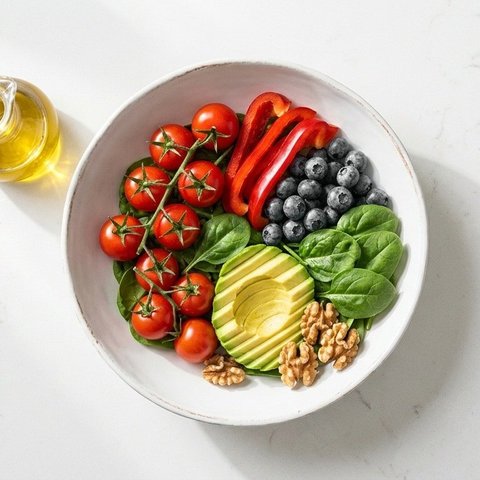
Fresh organic green produce in heart shape
HOW TO START

It's Easy to Start Today!

Eat Healthy

Eating habits should be regulated and controlled – only natural organic food will make our body healthy and strong.

Workout Hard

Diet is not the only ingredient of a long happy life. Physical exercise is also important for your health and vitality.

Enjoy Your Life

See how your life becomes a pleasant adventure, full of bright colors and fun activities with sustainable energy.

SERVICES
Personal Health Program

Personal Health Program

It does not matter if you want to lose weight, build lean muscle, or simply improve overall longevity and vitality.

Personal Fitness Trainer

Personal Fitness Trainer

A professional personal training and activity program created specifically with you and your individual goals.

Wellness Counseling

Wellness Counseling

We will be focused and working with you privately every step of the way to achieve permanent habit changes.

Diet Programs

Diet Programs

Healthy eating is one of the best things you can do to prevent and manage chronic health and metabolic problems.

Refreshing Citrus Background
FREE RECOMMENDATIONS

Change Your Health in One Day!

Special Program for Pregnant Women
POPULAR PROGRAMS & CLINICAL PROTOCOLS

Special Program for Pregnant Women

Pregnancy, infancy and early childhood are periods of rapid physiological growth and development. Insufficient nutrition during these critical growth and developmental periods places health and vitality at risk.

As a result, our clinical protocols educate and support pregnant and postpartum women about the importance of balanced micronutrition, gentle exercise, and allergen safety to ensure vibrant health for both mother and child.

8
Programs
161
Happy Customers
7
Awards
117
Success Stories

Subcategories & Topics:

10 areas

Dedicated Articles and Guides

Scientific papers, diet templates, and recommendations in Prevention and Diagnosis

30 publications
Black Seed Oil (Nigella sativa) – Properties, Thymochinone, Dosage, and Application

Black Seed Oil (Nigella sativa) – Properties, Thymochinone, Dosage, and Application

Black cumin seeds (Nigella sativa) represent one of the most thoroughly investigated botanical resources in modern phytotherapy. Cold-pressed black seed oil, enriched with a volatile fraction dominated by thymoquinone, essential unsaturated fatty acids, and natural antioxidants, exerts pronounced immunomodulatory, anti-inflammatory, and bronchodilatory actions that support metabolic and respiratory wellness.

Milk Thistle Oil – Hepatoprotective Properties, Silymarin, Dosage and Application

Milk Thistle Oil – Hepatoprotective Properties, Silymarin, Dosage and Application

Oil extracted from the seeds of milk thistle (Silybum marianum) represents an extraordinary botanical agent with rigorous empirical evidence supporting hepatoprotective efficacy. Combining silymarin flavonolignans, essential linoleic acid, and tocopherols, it promotes hepatocyte regeneration, assists systemic detoxification against xenobiotics, and improves digestive secretion.

Soybean oil – properties, culinary uses, and selection criteria

Soybean oil – properties, culinary uses, and selection criteria

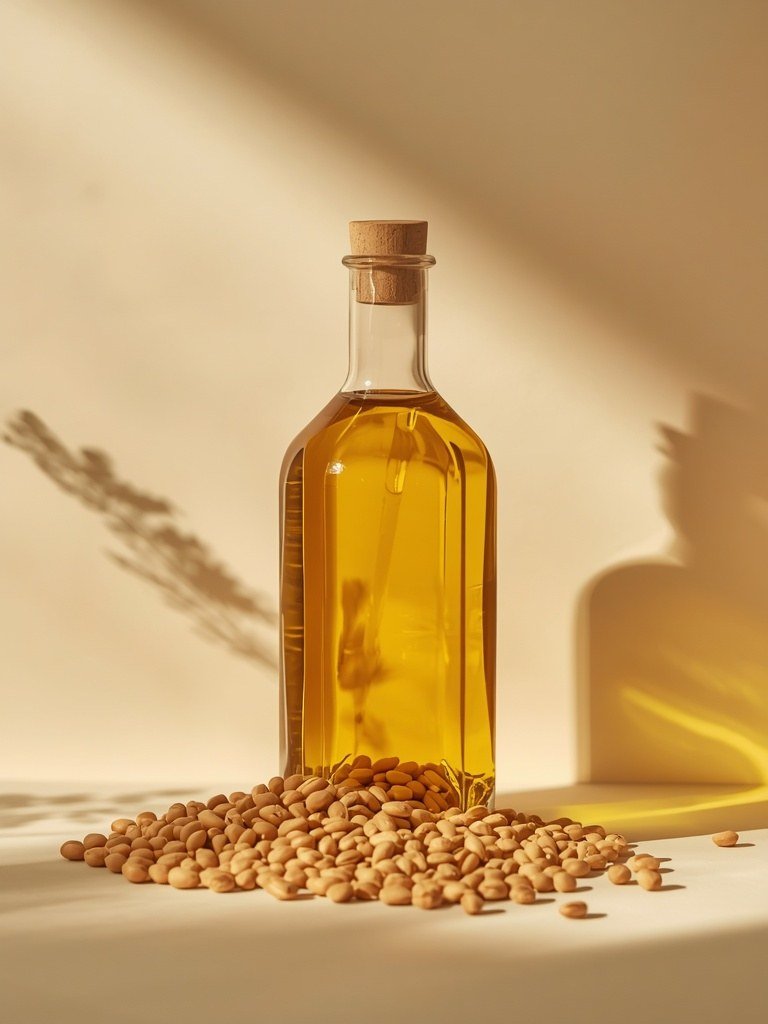
Soybean seed oil, one of the most widely consumed vegetable oils globally, is extracted from the seeds of the soybean plant (Glycine max). Rich in essential unsaturated fatty acids, phytosterols, and vitamins E and K, soybean oil supports lipid homeostasis and cardiovascular integrity when incorporated into a balanced diet and kept free from excessive heat exposure.

Cucumbers: nutritional profile, bioactive ingredients, practical uses, and lesser-known facts about their effect on the body

Cucumbers: nutritional profile, bioactive ingredients, practical uses, and lesser-known facts about their effect on the body

The cultivated garden cucumber (Cucumis sativus) ranks among the most widely consumed horticultural crops globally, revered for its crisp, thirst-quenching bite and culinary versatility. Frequently dismissed as merely 'cellular water wrapped in a rind', the cucumber delivers substantial bioactive compounds: bioavailable silica, cucurbitacins, potassium, and neuroprotective flavonoids including fisetin and quercetin. It fosters cellular hydration, aids metabolic detoxification, and excels in topical dermatology.

Pickled cucumbers – a traditional product of lactic acid fermentation

Pickled cucumbers – a traditional product of lactic acid fermentation

Lacto-fermented cucumbers represent one of the crowning achievements of traditional biological food preservation. They are produced through spontaneous lactic acid fermentation of fresh pickling cucumbers submerged in saline brine supplemented with aromatic botanicals. Lactic acid bacteria (principally Lactobacillus species) ferment simple sugars into lactic acid, yielding the hallmark tart profile, lowering pH, and preventing putrefactive bacterial spoilage.

Optimizing the body's acid-base balance: a comparative analysis of alkaline diet versus tablet supplementation

Optimizing the body's acid-base balance: a comparative analysis of alkaline diet versus tablet supplementation

The biological concept of systemic acid-base homeostasis has drawn substantial clinical interest in integrative nutrition. Arterial blood pH is tightly regulated within a narrow physiological window of 7.35 to 7.45 by the kidneys, lungs, and chemical buffer systems (bicarbonate, hemoglobin, and phosphate). While nutrition cannot alter systemic blood pH in healthy individuals, chronic overconsumption of acid-precursor foods imposes a measurable load on renal buffering and alters urinary pH.

Liver regeneration and protection – optimal dietary strategies, herbal medicine, and natural methods to support liver cell regeneration

Liver regeneration and protection – optimal dietary strategies, herbal medicine, and natural methods to support liver cell regeneration

The liver serves as an indispensable hub for maintaining systemic equilibrium, engaging in detoxification processes, metabolic transformations, and the storage of essential nutrients—including fat-soluble vitamins and trace minerals. Its optimal performance may be compromised by factors such as chronic consumption of ultra-processed foods, substance abuse, prolonged pharmaceutical use, or environmental toxin exposure. Are there scientifically validated methods to facilitate the regeneration of this vital organ? Which dietary components and botanical agents demonstrate the most potent hepatoprotective and detoxifying properties?Contemporary clinical nutrition emphasizes that targeted dietary interventions and evidence-based herbal extracts can significantly improve hepatic function and reduce inflammatory pathways. This comprehensive guide explores the scientific mechanisms of liver regeneration, practical nutritional protocols, and proven botanical remedies designed to restore liver health.

Digestive tract detoxification – nutritional principles, the impact of pollutants, and potential health consequences

Digestive tract detoxification – nutritional principles, the impact of pollutants, and potential health consequences

A structured gastrointestinal cleansing regimen through dietary modification should not exceed a three-day duration. Upon completion, a gradual transition to balanced eating patterns that minimize digestive strain is strongly advised. Particular emphasis should be placed on consistent dietary fiber consumption alongside a substantial increase in daily vegetable intake. These measures not only support optimal gastrointestinal function but also serve as a critical component of systemic disease prevention, offering protection against the development of various metabolic and immune-related disorders.

Natural body detoxification thanks to the properties of millet – how to choose the best product and utilize its full cleansing potential

Natural body detoxification thanks to the properties of millet – how to choose the best product and utilize its full cleansing potential

Amid the rising popularity of diverse detoxification aids—ranging from synthetic supplements to herbal concoctions—it is easy to overlook the fact that the most effective and simultaneously safest solutions often lie in traditional, minimally processed food products. Among these, millet groats stand out due to their unique detoxifying properties, which have been validated by both centuries-old culinary traditions and contemporary scientific research. What specific mechanisms underlie its ability to eliminate toxins from the body? And what criteria should guide the selection of the appropriate millet variety to ensure maximum efficacy in the cleansing process while minimizing the risk of adverse effects?

Detox Therapy according to Dr. Ewa Dąbrowska's Method: A Comprehensive Guide to Principles, Health Benefits, and Practical Culinary Tips

Detox Therapy according to Dr. Ewa Dąbrowska's Method: A Comprehensive Guide to Principles, Health Benefits, and Practical Culinary Tips

Amid growing interest in natural body detoxification approaches, the innovative nutritional framework developed by Dr. Eva Dąbrowska stands out as a comprehensive method for eliminating accumulated contaminants. Far beyond mere cleansing, this protocol serves as both a preventive and therapeutic strategy against a spectrum of ailments.Centered around a vegetable-and-fruit-based regimen, the treatment promotes deep cellular regeneration while simultaneously facilitating weight management—making it equally compelling for individuals seeking improved health and those pursuing optimal body composition.

Natural liver cleansing methods: how to support its regeneration with herbs and a balanced diet!

Natural liver cleansing methods: how to support its regeneration with herbs and a balanced diet!

The liver plays a pivotal role within the human body by selectively absorbing essential nutrients while concurrently processing and neutralizing harmful metabolites derived from pharmaceuticals, alcoholic beverages, and various chemical compounds, which are ultimately excreted via the renal system. However, the accumulation of toxic substances within hepatic tissue progressively impairs its operational efficiency, thereby adversely affecting overall bodily functions—including digestive processes, detoxification pathways, and the synthesis of critical proteins and enzymes. Implementing targeted dietary modifications and herbal support is essential to foster tissue repair and maintain long-term metabolic health.

Hypothyroidism in children and adolescents: clinical symptoms, growth delay, and principles of levothyroxine treatment

Hypothyroidism in children and adolescents: clinical symptoms, growth delay, and principles of levothyroxine treatment

Pediatric hypothyroidism represents a critical endocrine priority because thyroid hormones govern neonatal neurodevelopment, myelination, and childhood epiphyseal linear bone growth. Pathology is divided into congenital hypothyroidism (targeted by neonatal screening heel-prick programs) and acquired hypothyroidism (predominantly juvenile autoimmune Hashimoto's thyroiditis). This clinical guide explores age-dependent symptomatology, bone age radiologic delays, neurocognitive preservation, and weight-adjusted pediatric levothyroxine titration.

Mirror neurons – the neurobiology of empathy, learning by imitation, the 'broken mirror' hypothesis in autism, and neurorehabilitation

Mirror neurons – the neurobiology of empathy, learning by imitation, the 'broken mirror' hypothesis in autism, and neurorehabilitation

Mirror neurons represent a specialized class of visuomotor neurons that fire both when an individual executes a goal-directed motor action and when observing the identical action performed by another agent. Their breakthrough identification fundamentally transformed cognitive neuroscience, establishing the biological substrate for social empathy, Theory of Mind, language development, and the intuitive deciphering of motor intentionality. This article outlines the landmark discoveries by the Parma research group, human mirror neuron system circuitry, the evaluation of the 'broken mirror' hypothesis in autism, and therapeutic mirror rehabilitation following cerebrovascular events.

Flavored waters – ingredient analysis, hidden sugar, enamel erosion, and healthy homemade infusion alternatives

Flavored waters – ingredient analysis, hidden sugar, enamel erosion, and healthy homemade infusion alternatives

Commercial flavored waters are widely marketed as a hydrating, health-conscious alternative to traditional carbonated soft drinks. However, nutritional audits reveal that many bottled varieties contain alarming amounts of high-fructose corn syrup, refined sugar, synthetic citric acid, and preservatives. This comprehensive guide analyzes the chemical composition of flavored waters, their detrimental impact on dental enamel and metabolic markers, and presents evidence-based recipes for natural, zero-calorie fruit-herb infusions.

Functional gastrointestinal disorders with a neurotic background – recognition and treatment methods

Functional gastrointestinal disorders with a neurotic background – recognition and treatment methods

Chronic neuropsychological stress and autonomic dysregulation exert direct control over enteric motility, barrier permeability, and visceral hyperalgesia. Colloquially termed 'gastric neurosis', these pathologies are clinically categorized under Rome IV Criteria as Disorders of Gut-Brain Interaction (DGBI), encompassing irritable bowel syndrome (IBS) and functional dyspepsia. This clinical guide covers neurogastroenterology, phytotherapy, and the low-FODMAP protocol.

Effective natural fat metabolism boosters – discover their sources and mechanisms of action

Effective natural fat metabolism boosters – discover their sources and mechanisms of action

During targeted fat loss protocols, specific bioactive phytocompounds can augment non-shivering thermogenesis, elevate resting energy expenditure, and mobilize free fatty acids via adrenergic signaling. This review evaluates the clinical pharmacology of proven natural thermogenic agents: caffeine, green tea EGCG, capsaicin, piperine, cinnamon, and ginger, highlighting safety thresholds and contraindications.

Hemp seeds (Cannabis sativa) – nutritional profile, health benefits, and dietary use

Hemp seeds (Cannabis sativa) – nutritional profile, health benefits, and dietary use

Industrial hemp seeds (Cannabis sativa L.) represent an exceptional botanical whole food boasting an unparalleled nutrient matrix. Harvested from non-psychoactive fiber cultivars (free of delta-9-THC), hemp seeds deliver a complete plant-based protein profile, optimal polyunsaturated fatty acid ratios, and potent micronutrients vital for cardiovascular and metabolic well-being.

Superfood Spanish Sage Seeds – The perfect ingredient for smoothies and functional drinks

Superfood Spanish Sage Seeds – The perfect ingredient for smoothies and functional drinks

Salvia hispanica seeds, universally renowned as chia, represent one of the most nutritionally potent functional ingredients in modern dietetics. Characterized by outstanding hydrocolloid mucilage properties, exceptionally concentrated plant-based omega-3 fatty acids (ALA), complete proteins, and prebiotic soluble fiber, they serve as an optimal matrix enhancer for performance shakes, smoothies, and hydration beverages. This guide examines their physiological impact, proper culinary gel activation, and functional smoothie formulations tailored for recovery and sustained vitality.

Characteristics of functional drinks: key differences between isotonic and stimulating preparations and their impact on human physiology

Characteristics of functional drinks: key differences between isotonic and stimulating preparations and their impact on human physiology

Each category of functional beverages exhibits a unique mechanism of action within the human body. The first group ensures optimal hydrational balance, whereas the second systematically facilitates the regulation of water and electrolyte homeostasis. The third variant provides invaluable support in the process of muscular energy restoration, particularly with regard to glycogen reserve replenishment. The fourth category, when administered in a precisely calibrated dosage, exerts a substantial influence on nervous system function—enhancing concentration capabilities and stimulating heightened cognitive performance. Four distinct action profiles correspond to four separate beverage types, each representing the optimal solution within its dedicated domain, provided they are tailored to the individual metabolic requirements of the organism.

Scientific analysis of the most commonly used supplements in strength sports – assessment of real effectiveness based on expert data

Scientific analysis of the most commonly used supplements in strength sports – assessment of real effectiveness based on expert data

Drawing upon rigorous research conducted by specialists at the Central Institute of Sports Medicine alongside experts from the Medical Commission of the Polish Olympic Committee (COMS), this article presents a comprehensive analysis of the most widely used supplements—covering those designed to enhance muscle mass gain, accelerate fat loss, stimulate metabolic processes, or boost energy levels. The discussion also includes a critical review of functional foods, with certain findings potentially challenging widely held assumptions about their true effectiveness.

Lysine – key role, biological functions, and sources in the human daily diet

Lysine – key role, biological functions, and sources in the human daily diet

Lysine is classified among the essential exogenous amino acids that the human body cannot synthesize independently, with its deficiency potentially triggering severe health complications. Common manifestations of insufficient intake include persistent chronic fatigue, recurrent headaches, compromised immune function, degenerative alterations in hair structure, and the onset of anemic conditions. Are there natural dietary sources capable of effectively meeting the body’s requirement for this critical nutrient?

The fundamental flaw of intermittent fasting – why short calorie restrictions can do more harm than good

The fundamental flaw of intermittent fasting – why short calorie restrictions can do more harm than good

Over the past several years, there has been a marked surge in interest surrounding diverse dietary frameworks centered on severe energy intake restriction, frequently marketed under the labels of "cleansing" or "detoxifying" regimens. While these approaches are routinely praised for their purported metabolic benefits and the pervasive myth of "rapid weight loss," their practical implementation carries substantial systemic risks. The present examination focuses on pinpointing the critical deficiency that undermines the efficacy of short-term fasting protocols—a mechanism that is frequently overlooked in mainstream nutritional discourse despite its profound implications for metabolic health.

The most common nutritional mistakes in children's and adolescents' diets – how to avoid them and build a healthy relationship with food

The most common nutritional mistakes in children's and adolescents' diets – how to avoid them and build a healthy relationship with food

Nutritional patterns established during early childhood dictate metabolic health throughout adult life. Coercive feeding, utilizing confectionery as emotional rewards, excess sodium, and vegetable avoidance represent prevalent well-intentioned parental errors. Implementing Ellyn Satter's Division of Responsibility framework establishes relaxed, lifelong nutritional self-regulation.

Potassium permanganate (Kalium hypermanganicum) – antiseptic properties, application in dermatology, and safe dosing

Potassium permanganate (Kalium hypermanganicum) – antiseptic properties, application in dermatology, and safe dosing

Potassium permanganate (KMnO4) is a classical, potent inorganic oxidizing antiseptic distinguished by its deep-purple crystalline morphology. Utilized in clinical practice for over a century, it remains an effective topical agent for weeping eczemas, superficial infected ulcers, and therapeutic baths, predicated upon strict compliance with pharmacological dilution ratios.

Mumio (Shilajit) – characteristics, active ingredients, limitations of use, and application in natural medicine and detoxification

Mumio (Shilajit) – characteristics, active ingredients, limitations of use, and application in natural medicine and detoxification

Shilajit (historically designated as Mumijo or asphaltum punjabianum) is a natural organo-mineral phytocomplex exuded from high-altitude rock crevices across the Himalayas, Altai, and Caucasus mountains. Originating from centuries of slow microbial and geochemical humification of non-toxic bryophyte and plant matter, it represents an adaptogenic biostimulant containing over 84 ionic trace elements bonded to low-molecular-weight fulvic acids. This clinical treatise analyzes its bioenergetic mitochondrial actions, osteogenic properties, endocrine modulation, and toxicological safety screening.

Sea moss (bladderwrack) – characteristics, forms of application, and role in supplementation: what benefits does taking it bring and how does it affect metabolism?

Sea moss (bladderwrack) – characteristics, forms of application, and role in supplementation: what benefits does taking it bring and how does it affect metabolism?

Bladderwrack (Fucus vesiculosus) is an essential marine phaeophyte extensively utilized across clinical naturopathy and nutritional endocrinology. Abundant in bioavailable organic iodine, thermogenic fucoxanthin, and bioactive structural polysaccharides (alginates and sulfated fucoidans), it optimizes resting metabolic rate, promotes satiety, and exerts mucosal protection. This guide evaluates administration forms (traditional liquid decoctions vs. standardized tablet extracts), metabolic pathways, and toxicology criteria.

Liver fluke infection: recognizing symptoms and treatment methods in clinical practice

Liver fluke infection: recognizing symptoms and treatment methods in clinical practice

Fascioliasis is a major foodborne zoonotic trematodiasis caused by the common liver fluke (Fasciola hepatica), which parasitizes the biliary tracts of herbivores and humans. Transmission occurs through ingestion of metacercariae encysted on emergent freshwater aquatic plants (notably wild watercress) or via untreated contaminated surface water. Pathophysiologically, the disease manifests in two distinct stages: an acute hepatic parenchymal migratory phase and a chronic ductal biliary phase. This clinical review outlines life-cycle epidemiology, diagnostic laboratory criteria, and targeted anthelmintic pharmacotherapy.

Modafinil – mechanism of action, therapeutic indications, dosing regimen, and potential side effects

Modafinil – mechanism of action, therapeutic indications, dosing regimen, and potential side effects

Modafinil is an established wakefulness-promoting agent (eugeroic) primarily prescribed in clinical sleep medicine for narcolepsy, shift work sleep disorder, and obstructive sleep apnea. Contrasting classic sympathomimetic psychostimulants, it exhibits an atypical neurochemical profile and markedly reduced abuse liability. This clinical monograph examines its synaptic transporter interactions, approved therapeutic indications, titration schedules, and pharmacovigilance considerations.

Share