Prevention and Diagnosis • CLINICAL PROTOCOL

Heavy Metal Tests and Detox

Personalized, evidence-based nutrition guidelines (EBM) dedicated to Heavy Metal Tests and Detox. Balanced macronutrients, micronutrition, and elimination of pro-inflammatory factors.

Heavy Metal Tests and Detox
HOW TO START

It's Easy to Start Today!

Eat Healthy

Precisely selected nutrients supporting metabolic balance and tissue regeneration.

Workout Hard

Physical activity safely tailored to your clinical conditions and baseline endurance.

Enjoy Your Life

Psychoemotional balance, restful sleep, and stress reduction as indispensable pillars of recovery.

SERVICES & PROTOCOLS
Personal Health Program

Personal Health Program

Dedicated medical nutrition therapy and dietary protocols for Heavy Metal Tests and Detox.

Personal Fitness Trainer

Personal Fitness Trainer

Tailored workout plan and physical exercise supporting therapy.

Wellness Counseling

Wellness Counseling

Specialist support and continuous monitoring of health progress.

Diet Programs

Diet Programs

Precise calculation of BMR, TDEE, and micronutrient balance.

Refreshing Citrus Background
FREE RECOMMENDATIONS

Change Your Health in One Day!

Special Program for Sensitive Nutrition
POPULAR PROGRAMS & CLINICAL PROTOCOLS

Special Program for Sensitive Nutrition

Individually formulated nutrition protocols for individuals managing specific metabolic and allergic requirements in Heavy Metal Tests and Detox.

Allergen exclusion, gut microbiota support, and optimization of carbohydrate-lipid metabolism.

8
Programs
161
Happy Customers
7
Awards
117
Success Stories

Other Groups in Category: Prevention and Diagnosis

Articles and Guides in — Heavy Metal Tests and Detox

Publications, recommendations, and clinical analysis in Heavy Metal Tests and Detox

30 publications
Leek (Allium porrum) – health benefits, nutritional values, and culinary uses

Leek (Allium porrum) – health benefits, nutritional values, and culinary uses

Leek (Allium porrum) is one of the most fragrant and versatile vegetables in European culinary heritage, serving as a cornerstone of traditional soup mirepoix. As a close botanical relative of garlic and onion, it is richly endowed with bioactive organosulfur compounds, kaempferol, prebiotic inulin, and vital micronutrients. This guide examines its cardioprotective actions, natural diuretic efficacy, support of intestinal microbiota, and delicious culinary techniques.

Coltsfoot (Tussilago farfara) – traditional properties and uses of leaves and syrup

Coltsfoot (Tussilago farfara) – traditional properties and uses of leaves and syrup

Coltsfoot (Tussilago farfara) is one of the most venerated botanical remedies in respiratory phytotherapy. The mucilage compounds, tannins, and flavonoids concentrated within its leaves and blossoms exert powerful demulcent, antitussive, and anti-inflammatory properties. In this comprehensive monograph, we explore the physiological effects of coltsfoot, preparation methods for medicinal syrups and infusions, and essential safety guidelines regarding pyrrolizidine alkaloids.

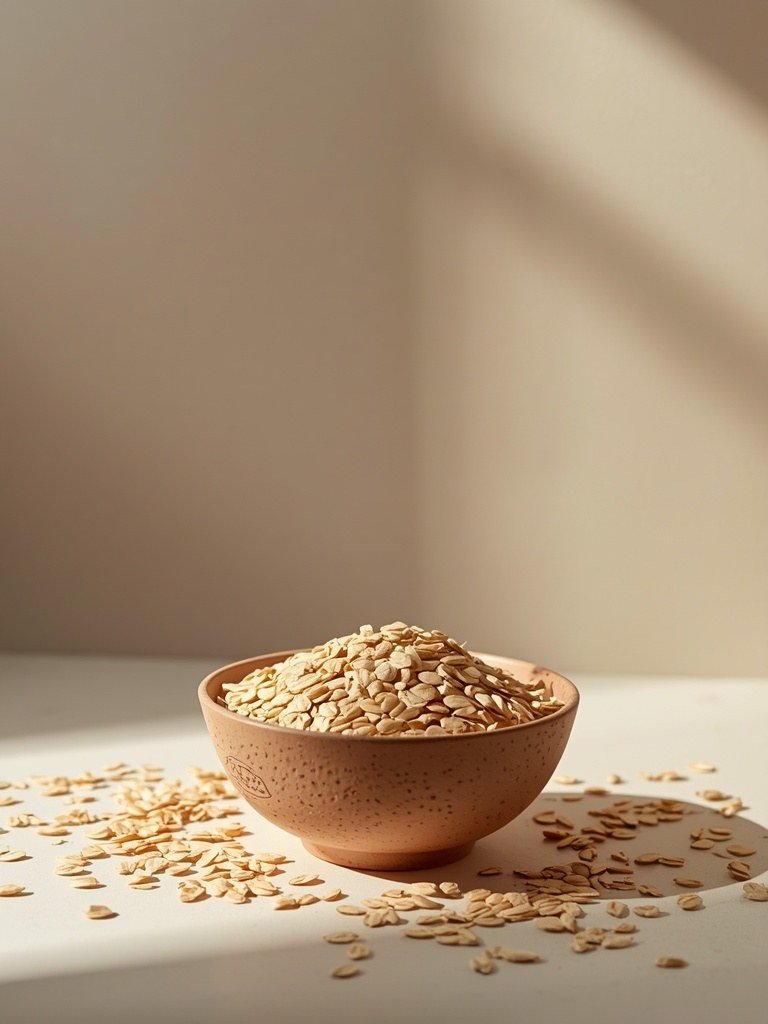
Oatmeal flakes – a complete source of nutrients, beta-glucan, and minerals

Oatmeal flakes – a complete source of nutrients, beta-glucan, and minerals

Whole grain oat flakes rank among the most rigorously validated functional foods in nutritional medicine. As early as 1997, the US Food and Drug Administration (FDA) authorized the landmark health claim confirming that soluble dietary fiber from whole oats significantly mitigates the risk of coronary heart disease. Beyond beta-glucans, oats harbor unique bioactive polyphenols termed avenanthramides that exert potent anti-inflammatory and vasodilatory actions.

Bitter wormwood – medicinal properties, methods of use, and potential hazards. Recipes for tea, wine, and liqueur from bitter wormwood

Bitter wormwood – medicinal properties, methods of use, and potential hazards. Recipes for tea, wine, and liqueur from bitter wormwood

Common wormwood, scientifically termed Artemisia absinthium, has been a cornerstone of European and Asian traditional medicine for centuries. Its distinctive bitterness and the presence of bioactive compounds—including absinthin and thujone—render it effective in alleviating digestive discomfort, stimulating appetite, and aiding the body’s detoxification mechanisms. While contemporary herbal medicine has renewed interest in its therapeutic potential, prudence remains essential: excessive consumption or prolonged use of wormwood-based preparations may precipitate severe neurological disturbances or hepatotoxic injury.

Parsley: medicinal properties, use in tea and juices, effect on weight loss – a comprehensive guide

Parsley: medicinal properties, use in tea and juices, effect on weight loss – a comprehensive guide

Cultivated parsley (Petroselinum crispum) is a botanical possessing remarkable phytotherapeutic potency, traditionally employed for renal, urinary, and digestive conditions. This comprehensive guide details the biochemical actions of parsley leaf infusions, decoctions, and fresh juices, exploring their diuretic efficacy and critical safety contraindications in pregnancy.

Staghorn fern – versatile action on the liver, hair condition, and support of weight loss processes. Can staghorn fern be used during pregnancy?

Staghorn fern – versatile action on the liver, hair condition, and support of weight loss processes. Can staghorn fern be used during pregnancy?

Milk thistle, alternatively referred to as blessed thistle, St. Mary’s thistle, or Marian thistle, is a botanical remedy with well-documented hepatoprotective and metabolic regulatory properties. Its primary bioactive compound, silymarin—a complex of flavonolignans—not only enhances the secretion of digestive enzymes but also exhibits cytoprotective effects on hepatocytes, facilitating systemic detoxification and the neutralization of harmful metabolic byproducts.

Spotted Ostropest – characteristics, dosing scheme, therapeutic indications, and usage limitations

Spotted Ostropest – characteristics, dosing scheme, therapeutic indications, and usage limitations

Milk thistle (Silybum marianum) demonstrates remarkably beneficial health-promoting properties within the human body. Its consistent consumption facilitates effective systemic detoxification by eliminating harmful metabolic byproducts while concurrently aiding in lipid profile optimization. Furthermore, extracts derived from this plant play a pivotal role in supporting hepatic parenchyma regeneration during inflammatory conditions and toxic injury scenarios. The active constituents represent a rich reservoir of silymarin and other well-documented antioxidant agents that scavenge free radicals and protect cellular integrity.

Milk Thistle Oil – Hepatoprotective Properties, Silymarin, Dosage and Application

Milk Thistle Oil – Hepatoprotective Properties, Silymarin, Dosage and Application

Oil extracted from the seeds of milk thistle (Silybum marianum) represents an extraordinary botanical agent with rigorous empirical evidence supporting hepatoprotective efficacy. Combining silymarin flavonolignans, essential linoleic acid, and tocopherols, it promotes hepatocyte regeneration, assists systemic detoxification against xenobiotics, and improves digestive secretion.

Cucumbers: nutritional profile, bioactive ingredients, practical uses, and lesser-known facts about their effect on the body

Cucumbers: nutritional profile, bioactive ingredients, practical uses, and lesser-known facts about their effect on the body

The cultivated garden cucumber (Cucumis sativus) ranks among the most widely consumed horticultural crops globally, revered for its crisp, thirst-quenching bite and culinary versatility. Frequently dismissed as merely 'cellular water wrapped in a rind', the cucumber delivers substantial bioactive compounds: bioavailable silica, cucurbitacins, potassium, and neuroprotective flavonoids including fisetin and quercetin. It fosters cellular hydration, aids metabolic detoxification, and excels in topical dermatology.

Liver regeneration and protection – optimal dietary strategies, herbal medicine, and natural methods to support liver cell regeneration

Liver regeneration and protection – optimal dietary strategies, herbal medicine, and natural methods to support liver cell regeneration

The liver serves as an indispensable hub for maintaining systemic equilibrium, engaging in detoxification processes, metabolic transformations, and the storage of essential nutrients—including fat-soluble vitamins and trace minerals. Its optimal performance may be compromised by factors such as chronic consumption of ultra-processed foods, substance abuse, prolonged pharmaceutical use, or environmental toxin exposure. Are there scientifically validated methods to facilitate the regeneration of this vital organ? Which dietary components and botanical agents demonstrate the most potent hepatoprotective and detoxifying properties?Contemporary clinical nutrition emphasizes that targeted dietary interventions and evidence-based herbal extracts can significantly improve hepatic function and reduce inflammatory pathways. This comprehensive guide explores the scientific mechanisms of liver regeneration, practical nutritional protocols, and proven botanical remedies designed to restore liver health.

Digestive tract detoxification – nutritional principles, the impact of pollutants, and potential health consequences

Digestive tract detoxification – nutritional principles, the impact of pollutants, and potential health consequences

A structured gastrointestinal cleansing regimen through dietary modification should not exceed a three-day duration. Upon completion, a gradual transition to balanced eating patterns that minimize digestive strain is strongly advised. Particular emphasis should be placed on consistent dietary fiber consumption alongside a substantial increase in daily vegetable intake. These measures not only support optimal gastrointestinal function but also serve as a critical component of systemic disease prevention, offering protection against the development of various metabolic and immune-related disorders.

Natural body detoxification thanks to the properties of millet – how to choose the best product and utilize its full cleansing potential

Natural body detoxification thanks to the properties of millet – how to choose the best product and utilize its full cleansing potential

Amid the rising popularity of diverse detoxification aids—ranging from synthetic supplements to herbal concoctions—it is easy to overlook the fact that the most effective and simultaneously safest solutions often lie in traditional, minimally processed food products. Among these, millet groats stand out due to their unique detoxifying properties, which have been validated by both centuries-old culinary traditions and contemporary scientific research. What specific mechanisms underlie its ability to eliminate toxins from the body? And what criteria should guide the selection of the appropriate millet variety to ensure maximum efficacy in the cleansing process while minimizing the risk of adverse effects?

Detox Therapy according to Dr. Ewa Dąbrowska's Method: A Comprehensive Guide to Principles, Health Benefits, and Practical Culinary Tips

Detox Therapy according to Dr. Ewa Dąbrowska's Method: A Comprehensive Guide to Principles, Health Benefits, and Practical Culinary Tips

Amid growing interest in natural body detoxification approaches, the innovative nutritional framework developed by Dr. Eva Dąbrowska stands out as a comprehensive method for eliminating accumulated contaminants. Far beyond mere cleansing, this protocol serves as both a preventive and therapeutic strategy against a spectrum of ailments.Centered around a vegetable-and-fruit-based regimen, the treatment promotes deep cellular regeneration while simultaneously facilitating weight management—making it equally compelling for individuals seeking improved health and those pursuing optimal body composition.

Natural liver cleansing methods: how to support its regeneration with herbs and a balanced diet!

Natural liver cleansing methods: how to support its regeneration with herbs and a balanced diet!

The liver plays a pivotal role within the human body by selectively absorbing essential nutrients while concurrently processing and neutralizing harmful metabolites derived from pharmaceuticals, alcoholic beverages, and various chemical compounds, which are ultimately excreted via the renal system. However, the accumulation of toxic substances within hepatic tissue progressively impairs its operational efficiency, thereby adversely affecting overall bodily functions—including digestive processes, detoxification pathways, and the synthesis of critical proteins and enzymes. Implementing targeted dietary modifications and herbal support is essential to foster tissue repair and maintain long-term metabolic health.

Flavored waters – ingredient analysis, hidden sugar, enamel erosion, and healthy homemade infusion alternatives

Flavored waters – ingredient analysis, hidden sugar, enamel erosion, and healthy homemade infusion alternatives

Commercial flavored waters are widely marketed as a hydrating, health-conscious alternative to traditional carbonated soft drinks. However, nutritional audits reveal that many bottled varieties contain alarming amounts of high-fructose corn syrup, refined sugar, synthetic citric acid, and preservatives. This comprehensive guide analyzes the chemical composition of flavored waters, their detrimental impact on dental enamel and metabolic markers, and presents evidence-based recipes for natural, zero-calorie fruit-herb infusions.

Effective natural fat metabolism boosters – discover their sources and mechanisms of action

Effective natural fat metabolism boosters – discover their sources and mechanisms of action

During targeted fat loss protocols, specific bioactive phytocompounds can augment non-shivering thermogenesis, elevate resting energy expenditure, and mobilize free fatty acids via adrenergic signaling. This review evaluates the clinical pharmacology of proven natural thermogenic agents: caffeine, green tea EGCG, capsaicin, piperine, cinnamon, and ginger, highlighting safety thresholds and contraindications.

Potassium permanganate (Kalium hypermanganicum) – antiseptic properties, application in dermatology, and safe dosing

Potassium permanganate (Kalium hypermanganicum) – antiseptic properties, application in dermatology, and safe dosing

Potassium permanganate (KMnO4) is a classical, potent inorganic oxidizing antiseptic distinguished by its deep-purple crystalline morphology. Utilized in clinical practice for over a century, it remains an effective topical agent for weeping eczemas, superficial infected ulcers, and therapeutic baths, predicated upon strict compliance with pharmacological dilution ratios.

Mumio (Shilajit) – characteristics, active ingredients, limitations of use, and application in natural medicine and detoxification

Mumio (Shilajit) – characteristics, active ingredients, limitations of use, and application in natural medicine and detoxification

Shilajit (historically designated as Mumijo or asphaltum punjabianum) is a natural organo-mineral phytocomplex exuded from high-altitude rock crevices across the Himalayas, Altai, and Caucasus mountains. Originating from centuries of slow microbial and geochemical humification of non-toxic bryophyte and plant matter, it represents an adaptogenic biostimulant containing over 84 ionic trace elements bonded to low-molecular-weight fulvic acids. This clinical treatise analyzes its bioenergetic mitochondrial actions, osteogenic properties, endocrine modulation, and toxicological safety screening.

Sea moss (bladderwrack) – characteristics, forms of application, and role in supplementation: what benefits does taking it bring and how does it affect metabolism?

Sea moss (bladderwrack) – characteristics, forms of application, and role in supplementation: what benefits does taking it bring and how does it affect metabolism?

Bladderwrack (Fucus vesiculosus) is an essential marine phaeophyte extensively utilized across clinical naturopathy and nutritional endocrinology. Abundant in bioavailable organic iodine, thermogenic fucoxanthin, and bioactive structural polysaccharides (alginates and sulfated fucoidans), it optimizes resting metabolic rate, promotes satiety, and exerts mucosal protection. This guide evaluates administration forms (traditional liquid decoctions vs. standardized tablet extracts), metabolic pathways, and toxicology criteria.

Young barley – characteristics, potential benefits, and chemical composition of the plant that is taking over the Polish supplement and healthy food market

Young barley – characteristics, potential benefits, and chemical composition of the plant that is taking over the Polish supplement and healthy food market

Young green barley grass (Hordeum vulgare) represents one of the fastest-growing botanical dietary supplement segments in contemporary functional nutrition. Harvested from early vegetative shoots before grain development, it offers an exceptionally concentrated matrix of micronutrients and enzymes. This comprehensive article examines its agricultural origin, documented antioxidant mechanisms, and key criteria for selecting therapeutic-grade formulations.

Green treasure of nature: Young barley – health benefits, composition, and collection of proven recipes

Green treasure of nature: Young barley – health benefits, composition, and collection of proven recipes

Young green barley grass (Hordeum vulgare) is among the most revered botanical superfoods in contemporary clinical nutrition. Harvested at its vegetative peak prior to jointing, it concentrates exceptional levels of chlorophyll, superoxide dismutase (SOD), essential amino acids, and vital electrolytes. This evidence-based guide details its biochemical mechanisms, optimal intake guidelines, and functional culinary recipes for sustained vitality.

How much water should you drink daily? Methods for precisely calculating individual fluid needs

How much water should you drink daily? Methods for precisely calculating individual fluid needs

Adequate hydration serves as the cornerstone of optimal bodily function, exerting influence over a multitude of critical physiological processes. Water acts as a universal solvent, facilitating efficient thermoregulation, metabolic optimization, and the targeted delivery of essential micronutrients and macronutrients to tissues throughout the body. Beyond these roles, it plays a pivotal part in detoxification by eliminating metabolic byproducts, enhances nutrient absorption within the gastrointestinal tract, maintains cellular hydration at optimal levels, and preserves homeostatic conditions across mucosal membranes, the musculoskeletal system (including joint lubrication), and ocular structures. Its functional scope further extends to catalyzing enzymatic reactions indispensable for synthesizing biologically active compounds.

Watermelon – a natural source of valuable vitamins and minerals for body health

Watermelon – a natural source of valuable vitamins and minerals for body health

Watermelon represents a rich and bioavailable source of vital vitamins and minerals that play an indispensable role in sustaining the body’s physiological equilibrium. Its nutritional profile encompasses a broad spectrum of B-complex vitamins—including thiamine, riboflavin, and niacin—as well as vitamins A (present as beta-carotene), C (ascorbic acid), D (cholecalciferol), E (tocopherol), vitamin PP (niacin), and folic acid (folacin), the latter being particularly critical for prenatal development. In terms of trace elements, watermelon is distinguished by its substantial content of calcium (essential for skeletal and dental health), potassium (a key regulator of blood pressure), iron (which prevents anemia), iodine (crucial for thyroid function), magnesium (known for its stress-alleviating properties), and phosphorus (which facilitates energy metabolism). Furthermore, watermelon is abundant in pectins—soluble fiber fractions—and insoluble dietary fiber, which collectively enhance intestinal motility, promote detoxification by binding and eliminating metabolic waste, and provide a prolonged sensation of fullness. With its remarkably low caloric density (approximately 30–38 kcal per 100 g of flesh) and water content exceeding 90%, watermelon is an optimal component of weight-management diets, offering satiety and hydration without significantly impacting caloric intake. Its diuretic properties, attributed to the presence of citrulline and high potassium levels, facilitate the expulsion of excess interstitial fluid, thereby contributing not only to weight reduction but also to the refinement of body contours through the alleviation of edema. However, it is important to note that, like most fruits, watermelon contains a considerable amount of natural sugars (primarily fructose), which renders it less suitable for regular consumption by individuals with insulin resistance, type 2 diabetes, or other carbohydrate metabolism disorders.

Is this really avocado butter instead of the classic one? A guide to making avocado butter at home

Is this really avocado butter instead of the classic one? A guide to making avocado butter at home

The avocado constitutes the fruit of the *Persea americana* tree, which originates from the geographical regions of Mexico and Central America. It is distinguished by its elongated, pear-like shape, featuring an outer skin with a greenish hue and an inner flesh of a creamy, yellowish texture that surrounds a single, relatively large seed. The maturation process of this fruit extends beyond six months, rendering it unique among tropical fruits. Owing to its substantial fat content—primarily composed of monounsaturated fatty acids such as oleic acid—avocado represents an exceptionally energy-dense food source, providing approximately 237 kilocalories per fruit on average. In terms of nutritional composition, it stands out for its elevated levels of essential micronutrients, including potassium, magnesium, a comprehensive range of B vitamins, and vitamin E, which exhibits antioxidant properties. Furthermore, avocado serves as a natural reservoir of glutathione—a potent antioxidant that facilitates bodily detoxification—as well as phytosterols, plant-based compounds credited with the capacity to reduce total cholesterol levels and the harmful LDL cholesterol fraction in the bloodstream. The fatty acid profile of this fruit encompasses not only the predominant oleic acid but also modest quantities of linoleic acid (a polyunsaturated fatty acid) and trace amounts of saturated fatty acids, thereby establishing it as a product with a balanced lipid composition.

Liver cirrhosis – etiopathogenesis, clinical symptoms, complications, and advanced diet therapy and nutritional treatment

Liver cirrhosis – etiopathogenesis, clinical symptoms, complications, and advanced diet therapy and nutritional treatment

Hepatic cirrhosis constitutes the common advanced end-stage pathway of progressive chronic liver diseases, pathologically defined by diffuse parenchymal fibrogenesis, vascular architecture disruption, and conversion of normal hepatic lobules into structurally abnormal regenerative nodules. This histological disruption culminates in critical hepatocyte functional insufficiency and portal hypertension. Cirrhosis frequently remains clinically silent for years (compensated phase) until catastrophic decompensation ensues—manifesting as ascites, hepatic encephalopathy, esophageal variceal hemorrhage, or hepatorenal syndrome. Notably, protein-calorie malnutrition and sarcopenia affect between 60% and 80% of cirrhotic patients, representing powerful independent determinants of mortality. This review integrates pathophysiology, clinical presentation, and clinical nutrition standards established by EASL and ESPEN.

Tombak's Lemon Cure: Biochemical Analysis, Detoxification Myths, and Evidence-Based Medicine (EBM) Recommendations

Tombak's Lemon Cure: Biochemical Analysis, Detoxification Myths, and Evidence-Based Medicine (EBM) Recommendations

The aggressive lemon juice regimen popularized by natural health author Mikhail Tombak represents one of the most controversial alternative wellness protocols. The regimen dictates consuming staggering volumes of pure, unadulterated lemon juice—ranging from 30 lemons over 10 days in its preventative format, up to an extreme 200 lemons across 12 days in its purported 'therapeutic' tier. Proponents claim miraculous therapeutic benefits: dissolving calcified deposits, flushing uric acid crystals, clearing kidney stones, and achieving total bodily alkalinization. From the standpoint of contemporary gastroenterology, nephrology, and restorative dentistry, however, megadose citrus consumption poses substantial clinical hazards. This evidence-based critique examines citrus biochemistry, deconstructs alternative detoxification fallacies, and outlines safe, sustainable nutritional strategies.

Diet to support kidney function and remove harmful substances from the body

Diet to support kidney function and remove harmful substances from the body

The kidneys play a vital role in eliminating harmful substances from the body. Their primary function is to filter the blood, remove metabolic byproducts, and maintain fluid balance. Filtered components are excreted through urine. Without proper nutrition and regular detoxification, toxins can accumulate, impairing kidney, liver, and overall system function. This may lead to kidney stone formation and other health complications. A targeted dietary approach can significantly support kidney function and contribute to effective detoxification, minimizing the risk of complications.

Diet in the case of kidney diseases – principles and consequences

Diet in the case of kidney diseases – principles and consequences

The kidneys are a paired, muscular organ located in the abdominal cavity within the retroperitoneal space. Their primary function is to sustain hydroelectrolytic and acid-base homeostasis of intracellular and extracellular fluids, as well as proper blood composition. Additionally, the kidneys contribute to maintaining appropriate blood pressure, aid in the body's detoxification processes, regulate calcium and magnesium balance, produce the active form of vitamin D3, and synthesize erythropoietin, a hormone that promotes erythrocyte formation.

Juice Diet – Key Principles, Effects, Limitations, Impact on Health, and Recipes

Juice Diet – Key Principles, Effects, Limitations, Impact on Health, and Recipes

A juice diet is a vegetarian diet with a liquid texture that involves regularly consuming portions of freshly pressed vegetable, fruit, or mixed juices. Proponents claim it promotes body detoxification and weight reduction. However, is a diet based solely on liquid plant products, lacking in protein and fats, truly healthy? Let's take a closer look at the juice diet!

Share