





WELCOME & NUTRITION SUPPORT

Lifestyle and Kitchen

It's a familiar story: You pledge to honor a daily elliptical routine and count every last calorie. But soon, you're eating cupcakes at the office and grabbing happy hour drinks, thinking, 'Oops, diet over.'

I've helped people exactly like you – smart, ambitious, put together – figure out the one thing that eludes them: Their ideal weight and long-term metabolic health. If you're like lots of people I help, you don't like restrictive rules, feel tired often, have tried working out and cutting calories, but need a truly sustainable clinical approach.

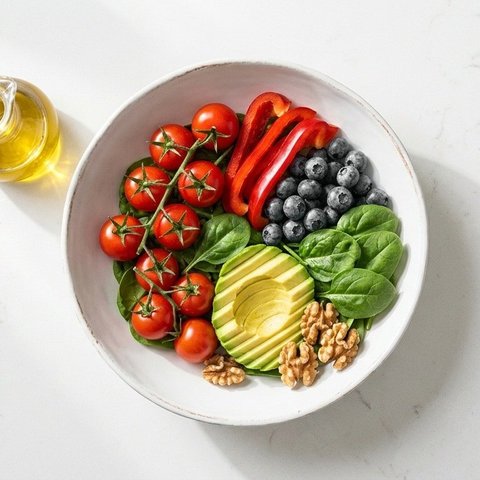
Fresh organic green produce in heart shape
HOW TO START

It's Easy to Start Today!

Eat Healthy

Eating habits should be regulated and controlled – only natural organic food will make our body healthy and strong.

Workout Hard

Diet is not the only ingredient of a long happy life. Physical exercise is also important for your health and vitality.

Enjoy Your Life

See how your life becomes a pleasant adventure, full of bright colors and fun activities with sustainable energy.

SERVICES
Personal Health Program

Personal Health Program

It does not matter if you want to lose weight, build lean muscle, or simply improve overall longevity and vitality.

Personal Fitness Trainer

Personal Fitness Trainer

A professional personal training and activity program created specifically with you and your individual goals.

Wellness Counseling

Wellness Counseling

We will be focused and working with you privately every step of the way to achieve permanent habit changes.

Diet Programs

Diet Programs

Healthy eating is one of the best things you can do to prevent and manage chronic health and metabolic problems.

Refreshing Citrus Background
FREE RECOMMENDATIONS

Change Your Health in One Day!

Special Program for Pregnant Women
POPULAR PROGRAMS & CLINICAL PROTOCOLS

Special Program for Pregnant Women

Pregnancy, infancy and early childhood are periods of rapid physiological growth and development. Insufficient nutrition during these critical growth and developmental periods places health and vitality at risk.

As a result, our clinical protocols educate and support pregnant and postpartum women about the importance of balanced micronutrition, gentle exercise, and allergen safety to ensure vibrant health for both mother and child.

8
Programs
161
Happy Customers
7
Awards
117
Success Stories

Subcategories & Topics:

10 areas

Dedicated Articles and Guides

Scientific papers, diet templates, and recommendations in Lifestyle and Kitchen

30 publications
Obesity as a common health problem of contemporary society, affecting a growing group of patients of various ages

Obesity as a common health problem of contemporary society, affecting a growing group of patients of various ages

In numerous instances, the development of obesity stems from prolonged neglect of nutritional principles alongside entrenched unhealthy dietary and physical activity habits established from early life stages. The excessive accumulation of adipose tissue within the body is directly associated with an elevated risk of multiple severe chronic conditions, the complications of which may prove fatal. Methodical weight reduction coupled with sustainable lifestyle modifications does not constitute a fleeting fashion, but—if characterized as a trend at all—represents one with demonstrably positive health outcomes. Empirical evidence consistently demonstrates that individuals maintaining a healthy body weight exhibit significantly lower incidence rates of cardiometabolic diseases, musculoskeletal disorders, and certain cancers, all of which exhibit strong epidemiological links to overweight and obesity.


Fig cactus seed oil – properties, uses, and reviews. Does it really work as a natural alternative to Botox?

Fig cactus seed oil – properties, uses, and reviews. Does it really work as a natural alternative to Botox?

Incredible yet true! Prickly pear seed oil, often referred to as "liquid gold" or the "elixir of youth," is gaining recognition as a natural alternative to invasive rejuvenation procedures. Its exceptional regenerative properties make it ideal for facial, neck, décolletage, and even chest care, delivering deep nourishment, accelerated micro-damage repair, and intense hydration. Packed with antioxidants, vitamins (particularly E and K), and unsaturated fatty acids, this product not only decelerates the aging process but also restores the skin’s healthy, radiant appearance by eliminating signs of fatigue and oxidative stress. Could this be a breakthrough in natural cosmetology?

Sweet almond oil – chemical characteristics and versatile use in gastronomy and skincare

Sweet almond oil – chemical characteristics and versatile use in gastronomy and skincare

Obtained from the kernels of sweet almonds through a cold-pressing extraction method, this oil is distinguished by its elevated concentrations of heart-healthy polyunsaturated fatty acids, alongside a comprehensive array of fat-soluble vitamins and trace minerals. Its faintly nutty, understated fragrance and mild flavor profile render it an optimal complement to savory meat preparations, confectionery delights with a sweet disposition, and serve as an indispensable component in authentic marzipan formulations, where it imparts the signature smoothness and aromatic depth.

Natural oils for hair care: common marigold, black mustard, coconut, macadamia, argan – a comprehensive guide to application and nutritional properties

Natural oils for hair care: common marigold, black mustard, coconut, macadamia, argan – a comprehensive guide to application and nutritional properties

Identifying the most suitable oil for one’s specific hair requirements may initially seem daunting, yet consistent implementation yields tangible benefits—enhanced vitality, profound hydration, and structural repair extending from the root to the tip. The outcomes of such treatment transcend mere superficial enhancement; the nourishing compounds penetrate deeply into the hair shaft, fortifying it internally and serving as a proactive shield against future damage.

Sesame oil – properties, culinary and cosmetic uses, and homemade recipes for its use

Sesame oil – properties, culinary and cosmetic uses, and homemade recipes for its use

Owing to its rich concentration of natural antioxidants, exceptional cutaneous hydration capacity, and tissue-soothing properties, sesame oil serves as an invaluable asset in holistic skin and hair care. In gastronomy, it imparts a deep nutty fragrance alongside heart-healthy phytosterols and unsaturated lipids.

Coconut oil and lipid profile: An analysis of the impact on cholesterol levels and cardiovascular health

Coconut oil and lipid profile: An analysis of the impact on cholesterol levels and cardiovascular health

Over the past several years, coconut oil has experienced a notable surge in popularity, becoming a focal point of discussion within nutritional science and healthy lifestyle communities. This natural fat, once sidelined due to its high saturated fat content, is now undergoing a revival—yet its physiological effects remain a subject of debate among researchers and healthcare professionals. Can it truly be considered a health-promoting dietary component, or does its consumption pose potential risks to cardiovascular function?

Cucumbers: nutritional profile, bioactive ingredients, practical uses, and lesser-known facts about their effect on the body

Cucumbers: nutritional profile, bioactive ingredients, practical uses, and lesser-known facts about their effect on the body

The cultivated garden cucumber (Cucumis sativus) ranks among the most widely consumed horticultural crops globally, revered for its crisp, thirst-quenching bite and culinary versatility. Frequently dismissed as merely 'cellular water wrapped in a rind', the cucumber delivers substantial bioactive compounds: bioavailable silica, cucurbitacins, potassium, and neuroprotective flavonoids including fisetin and quercetin. It fosters cellular hydration, aids metabolic detoxification, and excels in topical dermatology.

Dehydration During Physical Exertion – Dangerous Effects You Must Know!

Dehydration During Physical Exertion – Dangerous Effects You Must Know!

Preserving fluid and electrolyte homeostasis represents a cardinal determinant of athletic performance, thermoregulation, and cardiovascular safety. During strenuous physical exercise, skeletal muscle contraction generates substantial thermal energy, dissipated primarily through the evaporation of sweat. A fluid deficit of as little as 2% of total body mass compromises aerobic capacity, elevates core body temperature, and impairs neuromuscular coordination.

Fluid imbalance – hypertonic and hypotonic states: causes, symptoms, and methods of identifying water-electrolyte balance disorders

Fluid imbalance – hypertonic and hypotonic states: causes, symptoms, and methods of identifying water-electrolyte balance disorders

Fluid and electrolyte balance represents a critical homeostatic axis dictating systemic arterial pressure, circulating blood volume, and resting membrane potentials across neurons and cardiomyocytes. Dehydration is not a uniform diagnosis but a spectrum of disturbances categorized by extracellular fluid osmolality and serum sodium concentration (natremia). Differentiating hypertonic, hypotonic, and isotonic dehydration is vital to selecting safe, effective rehydration therapies.

Proper diet and physical activity are the best way to prevent osteoporosis!

Proper diet and physical activity are the best way to prevent osteoporosis!

Osteoporosis, clinically dubbed the 'silent bone thief', is a systemic skeletal metabolic disorder characterized by low bone mineral density (BMD) and microarchitectural deterioration of osseous tissue. It progresses asymptomatically for decades until presenting catastrophically as a low-trauma fragility fracture (typically of the femoral neck, vertebral bodies, or distal radius). Proactive lifestyle interventions combining osteogenic nutrition with mechanical loading represent the most robust preventive shield.

Postponing the adoption of healthy habits – the most common excuses that block positive change

Postponing the adoption of healthy habits – the most common excuses that block positive change

The vast majority of failed lifestyle interventions stem not from nutritional ignorance, but from behavioral procrastination and psychological decision fatigue. Illusions of the 'perfect starting time', the perfectionist 'all-or-nothing' trap, and the perpetual 'starting on Monday' cycle defer self-care indefinitely. Deconstructing these cognitive fallacies through the Kaizen continuous micro-improvement methodology builds unshakeable, lifelong health habits.

Burnout Syndrome: Symptoms, Stages of Development, and Countermeasures – A Comprehensive Guide to Recognizing and Coping with Chronic Workplace Stress

Burnout Syndrome: Symptoms, Stages of Development, and Countermeasures – A Comprehensive Guide to Recognizing and Coping with Chronic Workplace Stress

Human well-being fundamentally relies on balancing emotional fulfillment in personal life with professional satisfaction derived from occupational activities. However, contemporary work environments frequently impose excessive psychological demands, gradually eroding motivation and the perceived meaning of one's duties. When professional commitment exceeds healthy thresholds and daily challenges cease to provide fulfillment, a complex maladaptive syndrome—known as occupational burnout—may emerge. What specific symptoms should raise concern? How can one identify the successive stages of this progression? What preventive and interventional strategies might facilitate the restoration of psychological and occupational equilibrium?

Obesity specialist and dietitian – competition or synergy? Key professions for public health in the era of metabolic epidemics

Obesity specialist and dietitian – competition or synergy? Key professions for public health in the era of metabolic epidemics

Epidemiological records reveal that excess body weight and obesity are directly responsible for millions of fatalities globally, imposing an unprecedented burden on healthcare systems. Forecasts paint a grim picture: the prevalence of obesity continues to rise steadily, while comorbidities such as type 2 diabetes and hypertension reach epidemic proportions. In response to these alarming trends, medical professionals emphasize the urgent need for an interdisciplinary approach and clearly defined professional roles. What specific competencies distinguish an obesity specialist, how do they differ from the role of a clinical dietitian, and does the relationship between these professions revolve around professional rivalry or synergistic collaboration in therapeutic interventions?

Dietary Guidelines from 2016 – Key Principles of a Healthy and Balanced Diet

Dietary Guidelines from 2016 – Key Principles of a Healthy and Balanced Diet

The updated dietary guidelines published in 2016 are based on the latest scientific evidence and epidemiological analyses. Their primary goal was to provide the public with practical guidance for creating a meal plan that not only meets basic energy needs but also aids in the prevention of diet-related diseases such as obesity, type 2 diabetes, and cardiovascular diseases. These guidelines emphasize several fundamental principles, including the importance of food variety, mindful portion control, regular meal patterns, and adequate hydration. They serve as a flexible framework, adaptable to individual preferences and health conditions, promoting a gradual shift towards healthier eating habits for long-term well-being.

Food neophobia and the 'picky eater' problem: evolutionary basis, division of responsibility according to Satter, and sensory exposure

Food neophobia and the 'picky eater' problem: evolutionary basis, division of responsibility according to Satter, and sensory exposure

Picky eating and food neophobia (the instinctual rejection of novel, unfamiliar foods) represent ubiquitous behavioral challenges confronting parents of toddlers and preschoolers. Far from being willful defiance, childhood neophobia is a hardwired evolutionary survival adaptation peaking between ages 2 and 5 to prevent mobile offspring from ingesting toxic botanicals. This pediatric monograph details the internationally validated Division of Responsibility in Feeding formulated by Ellyn Satter, sensory desensitization methodologies, and common parental pitfalls that inadvertently entrench restrictive eating.

Complete travel first-aid kit: pharmacotherapy for traveler's diarrhea, electrolytes, disinfection, and specifics of trips to the tropics

Complete travel first-aid kit: pharmacotherapy for traveler's diarrhea, electrolytes, disinfection, and specifics of trips to the tropics

A meticulously curated medical travel kit forms the foundational baseline of travel health preparedness across domestic holidays and remote tropical expeditions. Acute traveler's diarrhea, mechanical soft-tissue trauma, solar erythema, and endemic vector-borne infections can abort itineraries and pose severe medical hazards in regions lacking tertiary infrastructure. This clinical travel medicine guide details emergency pharmaceutical kits, oral rehydration protocols, wound antiseptics, malaria chemoprophylaxis, and cold-chain logistics for temperature-sensitive drugs.

Modern non-thermal food preservation techniques: high-pressure processing (HPP), pulsed electric fields (PEF), and modified atmosphere packaging (MAP)

Modern non-thermal food preservation techniques: high-pressure processing (HPP), pulsed electric fields (PEF), and modified atmosphere packaging (MAP)

Contemporary food biotechnology increasingly diverges from conventional high-temperature thermal sterilization methods that systematically degrade heat-labile vitamins, bioactive phytochemicals, and pristine sensory profiles. Modern preservation relies upon non-thermal minimal processing paradigms: High-Pressure Processing (HPP / pascalization), Pulsed Electric Fields (PEF), acoustic ultrasound cavitation, and Modified Atmosphere Packaging (MAP). This monograph explores the biophysical mechanisms of microbial inactivation, retention of heat-sensitive nutrients, and verified food safety standards.

Hydration beyond coffee and tea – water, electrolytes, and functional drinks in bodily homeostasis

Hydration beyond coffee and tea – water, electrolytes, and functional drinks in bodily homeostasis

Optimal hydration underpins cellular bioenergetics, thermoregulation, and renal-cerebral clearance. While moderate tea and coffee consumption contribute to daily fluid totals and polyphenolic pools, relying on them exclusively without electrolyte-balanced mineral water risks subclinical hydration shifts. This clinical guide evaluates physiological osmoregulation, distinction criteria between low- and high-mineral waters, hidden free-sugar loads in commercial nectars, and evidence-based functional infusions.

Flavored waters – ingredient analysis, hidden sugar, enamel erosion, and healthy homemade infusion alternatives

Flavored waters – ingredient analysis, hidden sugar, enamel erosion, and healthy homemade infusion alternatives

Commercial flavored waters are widely marketed as a hydrating, health-conscious alternative to traditional carbonated soft drinks. However, nutritional audits reveal that many bottled varieties contain alarming amounts of high-fructose corn syrup, refined sugar, synthetic citric acid, and preservatives. This comprehensive guide analyzes the chemical composition of flavored waters, their detrimental impact on dental enamel and metabolic markers, and presents evidence-based recipes for natural, zero-calorie fruit-herb infusions.

Unable to adopt healthy habits? Discover strategies that will change that!

Unable to adopt healthy habits? Discover strategies that will change that!

Lack of time, chronic stress, and decision fatigue are the primary reasons lifestyle interventions collapse. Relying solely on willpower inevitably fails against neurobiological conservation instincts. This guide outlines cognitive-behavioral habit loops, smart meal prep architectures, and non-exercise activity thermogenesis (NEAT) to integrate durable wellness into demanding routines.

Not training? That's like being on a high-fat diet

Not training? That's like being on a high-fat diet

A sedentary lifestyle triggers biochemical adaptations remarkably similar to a diet excessively loaded with saturated fats. During prolonged physical inactivity, the enzymatic activity responsible for hydrolyzing circulating triglycerides in skeletal muscle drops precipitously. This article explains why severe caloric restriction without mechanical stimulus fails and how exercise reprograms lipid clearance.

Hydrating the body through food – why fluid sources go beyond bottled water in maintaining optimal water-electrolyte balance

Hydrating the body through food – why fluid sources go beyond bottled water in maintaining optimal water-electrolyte balance

Systemic physiological hydration encompasses mechanisms far more intricate than mere consumption of bottled water. Between 20% and 30% of daily fluid intake is derived from whole dietary sources. Raw plant foods provide 'cellular water' – biologically structured within an organic electrolyte matrix (potassium, magnesium) and soluble pectins, optimizing intracellular fluid retention.

Eating Habits – The Origin of Their Formation and Strategies to Counteract Negative Effects

Eating Habits – The Origin of Their Formation and Strategies to Counteract Negative Effects

Dietary habits represent automated behavioral subroutines wired into the basal ganglia via dopaminergic reward signaling, social conditioning, and emotional coping. This analysis deconstructs the anatomy of the habit loop, details the physiology of energy balance regulation, and provides cognitive-behavioral tools to abolish mindless overeating.

Optimize your body's hydration by consuming oatmeal, rice, or millet!

Optimize your body's hydration by consuming oatmeal, rice, or millet!

Cellular hydration is fundamentally more nuanced than simply drinking copious volumes of plain spring water. For water to effectively penetrate intracellular compartments rather than being prematurely excreted by the kidneys, electrolyte cotransporters and gel-forming soluble fibers are required. Oats, rice, and millet serve as extraordinary dietary matrices for sustained tissue hydration.

The Role of Fluids and Food Products in Ensuring Optimal Body Hydration

The Role of Fluids and Food Products in Ensuring Optimal Body Hydration

From a nutritional science perspective, both the volume and the nature of consumed fluids play a pivotal role, as they can exert either beneficial or detrimental effects on health status. Inadequate water intake—whether in terms of quantity or quality—may disrupt water-electrolyte balance and thereby contribute to the development of diet-related disorders. The most common consequences include excess body weight, obesity, insulin resistance leading to type 2 diabetes, gastrointestinal dysfunction, dental caries, and cardiovascular pathologies, which are frequently rooted in impaired fluid regulation.

Isotonic drinks – key information and application in sports

Isotonic drinks – key information and application in sports

Isotonic beverages represent a critical component of the nutritional strategy for many physically active individuals, particularly those engaged in endurance sports or subjected to high-intensity training regimens. Their distinctive formulation of electrolytes and carbohydrates is meticulously designed to facilitate optimal hydration while rapidly replenishing energy reserves depleted during exertion. To fully harness the potential of these specialized fluids, it is essential to explore their operational mechanisms, nutritional composition, and the rationale behind incorporating them into an athlete’s daily diet—whether at the amateur or professional level.

Hidden sugar in the daily diet: traps in dairy, processed cereals, juices, and 'fit' products

Hidden sugar in the daily diet: traps in dairy, processed cereals, juices, and 'fit' products

The vast majority of excessive sucrose and fructose consumption in contemporary diets does not originate from table sugar, but from ultra-processed formulations marketed as 'fit', 'wholesome', or 'natural'. Recognizing more than 50 nomenclature pseudonyms for hidden sugars and rigorously interpreting nutritional labels shields against hepatic steatosis, insulin resistance, and visceral adiposity.

Hypertension in pregnant women – safe management, monitoring, and limitations of phytotherapy

Hypertension in pregnant women – safe management, monitoring, and limitations of phytotherapy

Hypertensive disorders of pregnancy affect approximately 6–10% of expectant mothers, representing a paramount obstetric challenge. Timely differentiation between chronic hypertension, gestational hypertension, and preeclampsia is essential to prevent maternal-fetal morbidity. Crucially, conventional hypotensive herbs are strictly contraindicated due to potential uterotonic and teratogenic actions.

Benefits of flaxseed oil: Impact on cholesterol levels, optimal dosage, and storage methods to preserve its nutritional value

Benefits of flaxseed oil: Impact on cholesterol levels, optimal dosage, and storage methods to preserve its nutritional value

Cold-pressed, unrefined flaxseed oil extracted from the seeds of common flax (Linum usitatissimum) represents nature's most concentrated plant-derived reservoir of alpha-linolenic acid (ALA)—an essential polyunsaturated omega-3 fatty acid. In cardiovascular preventive medicine, it holds a preeminent position: favorably shifting lipid fractions, dampening vascular platelet aggregation, and accelerating mucosal renewal. Because of high polyunsaturation, it requires strict protection against photo-oxidation and thermal degradation. This guide analyzes therapeutic lipid actions, culinary guidelines, and cold-chain stability.

Share