4 min read
Thermogenics – action, origin of natural fat burning agents

Anna Schmidt
✓
Diets Premium Expert • 24.09.2026
✓
Scientifically reviewed by a clinical dietitian:
This article has been peer-reviewed for adherence to IŻŻ, WHO, and PTGiP clinical nutritional standards.
| Diets Premium Expert Anna Schmidt | min read 4 min | Scientifically reviewed by a clinical dietitian 24.09.2026 |

Smart Voice
•Listen to the article content live
0:00
/
0:00
Key Takeaways
For numerous individuals, the concept 'thermogenesis' is likely linked to effective fat burning substances available on the market in a broad range. However, few are aware that augmenting thermogenesis through the suitable selection of food quality and quantity can commence the process of lipolysis, greatly aiding in the liberation of fat from adipocytes. In this article, I endeavor to approach the topic of thermogenesis.
Meal Plan
Want to apply these guidelines in your daily diet?
Our smart diet generator creates a tailored meal plan in 3 minutes based on the recommendations in this article.
Thermoregulatory mechanisms in homeothermic organisms: shivering and non-shivering thermogenesis and their metabolic implications
As a homeothermic organism, the human body possesses specialized physiological mechanisms that ensure the maintenance of a stable internal temperature—referred to as **homeothermy**—regardless of external environmental fluctuations. The cornerstone of this regulatory capacity is **thermogenesis**, the biological process of heat production, which occurs continuously throughout an individual’s lifespan. Two primary categories of thermogenesis are distinguished: **shivering thermogenesis** (triggered by decreased ambient temperatures, resulting in involuntary skeletal muscle contractions and elevated muscle tone, thereby increasing core body temperature) and **non-shivering thermogenesis** (also termed chemical thermogenesis), predominantly stimulated by food intake. The latter is associated with an accelerated metabolic rate during the postprandial phase, driven by digestive processes, nutrient absorption, and heightened secretion of metabolic hormones—including adrenaline, noradrenaline, thyroid hormones, and glucagon. The magnitude of postprandial thermogenesis is contingent upon both the quantity and composition of ingested nutrients, with proteins exhibiting the highest thermic effect (approximately 25% of dietary energy), compared to carbohydrates (~6%) and lipids (5–10%). This process contributes to an elevated total energy expenditure while concurrently promoting lipolysis, a mechanism of particular significance for individuals pursuing weight loss. Additionally, non-nutritive compounds such as capsaicin, caffeine, and synephrine can modulate thermogenic activity, thereby influencing metabolic rate.
Thermoregulatory mechanisms of the body: how thermogenesis operates
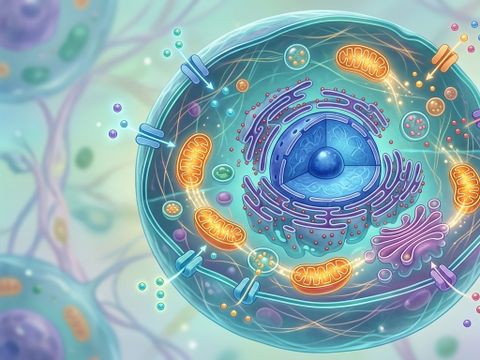
Based on the available scientific evidence, two distinct categories of heat production within the organism can be identified: **shivering thermogenesis** and **non-shivering thermogenesis**. Furthermore, both dietary nutrients and non-nutritive bioactive compounds—including but not limited to capsaicin, caffeine, and synephrine—demonstrate the capacity to elevate metabolic rates. This phenomenon arises because the human body must expend energy on digestive processes, nutrient absorption, and subsequent metabolic transformations, collectively referred to as **diet-induced non-shivering thermogenesis**. A comprehensive grasp of these mechanisms, however, necessitates a foundational understanding of biochemistry, particularly given the intricate nature of the underlying processes. One of the pivotal reactions is **oxidative phosphorylation**, which occurs within the inner mitochondrial membrane. This process involves the sequential transfer of electrons from reduced coenzymes—specifically NADH or FADH₂—to molecular oxygen, which serves as the terminal electron acceptor. The ultimate outcome of this electron transport chain is the storage of energy, which is then harnessed for the synthesis of **adenosine triphosphate (ATP)**—the primary cellular energy currency indispensable for sustaining all tissue functions.
Sources of natural thermogenesis: Essential metabolic-enhancing components
It is essential to emphasize that the foundational components of most substances classified as thermogens are naturally occurring compounds readily available in everyday diets. These bioactive agents are widely accessible, and their deliberate inclusion in one’s nutritional regimen can significantly contribute to the reduction of adipose tissue. **Green tea** is abundant in polyphenolic compounds, particularly catechins, which rank among the most potent antioxidants. Additionally, these compounds inhibit the activity of enzymes responsible for degrading catecholamines—critical neurotransmitters involved in lipolysis and thermogenesis. **Cayenne pepper (chili)** exhibits pronounced thermogenic properties attributable to capsaicin, a compound that stimulates vanilloid receptors (TRPV1) and modulates the activity of SERCA (a muscle protein), thereby accelerating metabolic rate and enhancing the release of fatty acids from adipocytes. **Coffee**, owing to its caffeine content, functions as both a stimulant and a thermogenic agent. This alkaloid promotes the secretion of catecholamines (norepinephrine and epinephrine), which intensify the combustion of fat reserves and heat production. Furthermore, it diminishes perceptions of fatigue, boosts motivation for physical activity, and elevates spontaneous movement levels. **Ginger** contains gingerol—a compound with antioxidant, anti-inflammatory, and thermogenic effects—that also amplifies satiety and energy expenditure, processes closely linked to heightened thermogenesis. **Black tea** is rich in theaflavins and thearubigins, which may enhance insulin sensitivity—a pivotal factor in regulating thermogenesis and suppressing the activity of enzymes involved in fat synthesis and storage (though this primarily applies to individuals with normal insulin sensitivity). Beyond these components, numerous other natural substances exist that amplify thermogenic processes and increase energy expenditure. Strategically incorporating these into one’s diet can yield benefits for both body composition and overall health. Thermogenesis is an ongoing metabolic process whose intensity varies with cellular activity. Thoughtfully selected nutrients can substantially accelerate metabolic rate, thereby aiding fat loss and maintaining optimal body temperature.

Anna Schmidt
✓Diets Premium Expert
Diets Premium team expert. Specializes in nutrition plans, strength sports, and training plans.
View Profile →