4 min read
Tagatose – traits, health influence, utilization, expenses

David Janitzek
✓
Diets Premium Expert • 24.09.2026
✓
Scientifically reviewed by a clinical dietitian:
This article has been peer-reviewed for adherence to IŻŻ, WHO, and PTGiP clinical nutritional standards.
| Diets Premium Expert David Janitzek | min read 4 min | Scientifically reviewed by a clinical dietitian 24.09.2026 |

Smart Voice
•Listen to the article content live
0:00
/
0:00
Key Takeaways
Tagatose is a less popular and less frequently used sugar substitute. Despite its good technological advantages and beneficial health attributes, it is most commonly utilized in industry as an additive to a blend of other sweeteners. Could tagatose possess traits that positively impact human health, and what prevents its daily application?
Meal Plan
Want to apply these guidelines in your daily diet?
Our smart diet generator creates a tailored meal plan in 3 minutes based on the recommendations in this article.
Composition by mass: D-tagatose, a naturally occurring ketohexose monosaccharide
D-tagatose, alongside glucose and fructose, represents one of the fundamental simple sugars classified within the ketohexose group. Its highest natural concentration is observed in the tropical tree species *Sterculia setigera*, indigenous to regions of North America. Trace quantities of this monosaccharide may also be detected in processed dairy products, including ultra-high-temperature (UHT) treated milk, various natural yogurts, and select cheese varieties. On an industrial scale, tagatose is currently synthesized through the controlled hydrolysis of lactose—the disaccharide inherent in milk—which yields its constituent monomers: glucose and galactose. The subsequent phase involves the isomerization of galactose under strongly alkaline conditions, utilizing calcium hydroxide as a catalytic agent to facilitate the conversion of the substrate into D-tagatose molecules. The resultant mixture is then subjected to fractional crystallization, enabling the isolation and purification of high-purity crystalline tagatose.
Functional characteristics and applications of D-tagatose in food technology
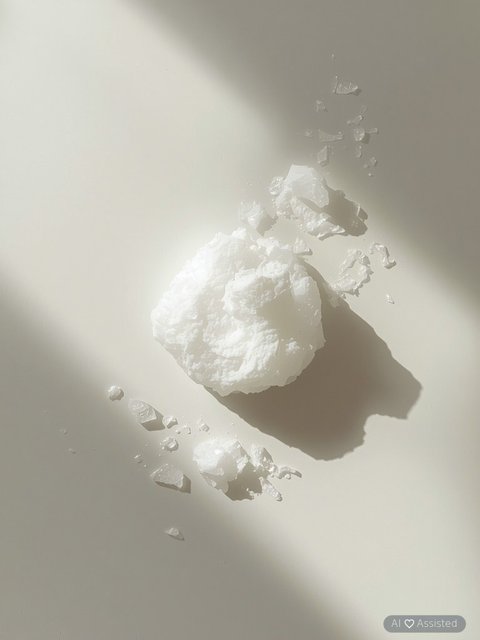
D-Tagatose represents a monosaccharide distinguished by exceptional physicochemical properties, including substantial aqueous solubility, stability across a broad pH spectrum (ranging from acidic 2 to neutral 7), and resistance to thermal degradation at temperatures reaching up to 170°C. This compound crystallizes into fine, colorless, and odor-free particles resembling the texture of conventional table sugar. Its sweetening potency registers at approximately 92% of sucrose’s intensity, rendering it marginally less sweet, yet it demonstrates a pronounced capacity to synergistically amplify the perceived sweetness of other edulcorants. When formulated alongside synthetic sweeteners such as acesulfame potassium (K) or aspartame, D-tagatose not only augments their sweetness profile but also effectively mitigates undesirable aftertastes—particularly bitter undertones. Beyond its primary role as a sweetener, this carbohydrate selectively enhances flavor notes characterized by minty, citrus (notably lemon), creamy, and caramel-toffee attributes. These distinctive gustatory interactions position D-tagatose as a versatile ingredient in food manufacturing, where it serves not merely as an alternative sweetening agent but also as a natural flavor potentiator in formulations containing other sweetening substances.
Comprehensive health implications of tagatose as a sugar alternative: benefits, gastrointestinal effects, and metabolic considerations
Tagatose, a naturally occurring fructose isomer with reduced caloric density, emerges as a compelling substitute for sucrose in low-energy dietary regimens. Its defining characteristics include: **diminished energy content** (150 kcal per 100 g compared to 400 kcal per 100 g for table sugar), rendering it particularly suitable for individuals monitoring caloric intake; **prebiotic modulation of gut microbiota**—as tagatose remains unabsorbed in the small intestine, it undergoes colonic fermentation into short-chain fatty acids (SCFAs), which selectively promote the proliferation of beneficial bacterial strains (*Lactobacillus* and *Bifidobacterium* species) while suppressing pathogenic microorganisms; **potential laxative effects**—akin to other polyols, excessive consumption (>15 g per serving or >1% in beverages) may induce osmotic diarrhea, necessitating mandatory labeling on products exceeding these thresholds; **non-cariogenic properties**—the inability of *Streptococcus mutans* to metabolize tagatose eliminates its contribution to dental caries; **compatibility with diabetic diets** (glycemic index of 7.5) due to negligible impact on postprandial glycemia; **GRAS (Generally Recognized As Safe) designation** by the U. S. FDA, alongside promising preclinical evidence suggesting therapeutic applications in anemia (via erythropoiesis stimulation) and hemophilia. Ongoing research further investigates its potential in modulating insulin resistance among type 2 diabetes patients and as an adjunct in obesity management protocols.
Industrial and Domestic Applications of D-Tagatose Across Multiple Sectors
At an industrial level, D-tagatose is extensively utilized within the food sector as a key ingredient in low-calorie products, including snacks, diabetic-friendly foods, and beverages—both carbonated and non-carbonated—owing to its exceptional stability under low pH conditions. Its resistance to high temperatures further enables its effective use as a sweetening agent in hot beverages, cooking, and baking processes, making it equally practical for household applications. Beyond the food industry, tagatose is employed in pharmaceutical formulations as an alternative sweetener in medicinal products and within the cosmetics sector, where its capacity to inhibit dental plaque formation renders it a valuable component in toothpastes and oral rinses. Emerging research also suggests potential applications in transplantation medicine, where its antioxidant and cytoprotective properties may be leveraged in specialized organ preservation solutions for transplant procedures.
Tagatose: Current Market Pricing and Availability Among Natural Sweeteners
Tagatose, recognized as a natural sugar substitute, has received regulatory approval for use as a sweetening agent across multiple global regions, including the United States, Australia, New Zealand, Brazil, South Korea, Japan, and all member states of the European Union. However, its market price remains comparatively elevated: a standard 250-gram package containing 100% pure tagatose—without the inclusion of any additional sweeteners—currently retails at 27 Polish złoty, which equates to approximately 110 złoty per kilogram when scaled. It is plausible that this economic factor represents the primary obstacle limiting its widespread adoption and recognition as a viable alternative to conventional sucrose.

mgr David Janitzek
✓Diets Premium Expert
Diets Premium team expert. Specializes in nutrition plans, strength sports, and training plans.
View Profile →