4 min read
Occurrence of breast pockets, symptoms, diet, medicinal plants for breast pockets

Mia Hoffmann
✓
Diets Premium Expert • 24.09.2026
✓
Scientifically reviewed by a clinical dietitian:
This article has been peer-reviewed for adherence to IŻŻ, WHO, and PTGiP clinical nutritional standards.
| Diets Premium Expert Mia Hoffmann | min read 4 min | Scientifically reviewed by a clinical dietitian 24.09.2026 |

Smart Voice
•Listen to the article content live
0:00
/
0:00
Key Takeaways
Certain women notice changes in their breast area at some point. Most of these changes are harmless and pose no immediate threat to health. There are several types of safe breast tumors, the causes of which vary. Let us focus on breast pockets [1].
Meal Plan
Want to apply these guidelines in your daily diet?
Our smart diet generator creates a tailored meal plan in 3 minutes based on the recommendations in this article.
Breast Cysts: Benign Fluid-Filled Sacs in Mammary Tissue
Cystic formations within mammary gland tissue represent one of the most prevalent benign structural anomalies, primarily affecting premenopausal women—particularly those between the ages of 40 and 55—as well as patients undergoing hormone replacement therapy regardless of chronological age [1]. These fluid-filled sacs are characterized by their pliable texture and may present as well-demarcated lesions or merge with deeper layers of glandular parenchyma. Their rapid volumetric expansion is frequently associated with perceptible pain. In most instances, cysts are identified by women during self-examination of the breasts as nodular thickenings [2]. Alongside cysts, fibroadenomas rank among the most common benign breast tumors. Advanced imaging modalities—including high-resolution ultrasonography and digital mammography—when combined with rigorous interpretative criteria, facilitate the differentiation of malignant lesions from benign entities such as cysts or fibroadenomas in the majority of clinical scenarios [3].
Breast cysts: clinical presentation and diagnostic evaluation
Breast cysts present as solitary or multiple lesions characterized by the following features: diameter typically ranges from 1 to 5 centimeters, they assume a rounded, fluid-filled configuration resembling vesicles, are mobile upon palpation (can be displaced beneath the skin), generally perceived as firm nodules (though soft variants also occur), demonstrate a tendency to enlarge during the premenstrual phase, and exhibit a smooth surface [4]. These abnormalities may be detected through routine breast self-examination. Any palpable mass—regardless of size—warrants evaluation by a gynecologist or surgical oncologist. The specialist will perform a thorough physical examination and, when indicated, order supplementary imaging studies such as ultrasonography (US) or mammography. Small cysts are often asymptomatic; however, larger lesions may provoke pain of varying severity, particularly in the premenstrual period.
Breast cysts: dietary approaches to support hormonal balance and mammary gland health
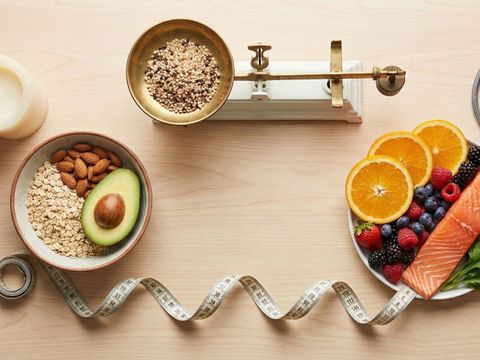
The formation of cystic lesions within breast tissue is frequently associated with imbalances in the estrogen-to-progesterone ratio, which triggers excessive proliferation of epithelial cells lining the ductal structures of the mammary gland. To mitigate symptoms and support endocrine homeostasis, dietary modifications with documented effects on sex hormone metabolism are strongly advised. Of paramount importance are high-fiber foods (particularly leafy greens and whole-grain cereals) alongside polyunsaturated omega-3 fatty acids (found in fatty marine fish, flaxseed oil, and marine algae), which demonstrate capacity to modulate estrogenic activity. Equally essential are antioxidant compounds—including flavonoids, carotenoids, and vitamins C and E—that counteract oxidative stress by neutralizing reactive oxygen species. While contemporary meta-analyses do not definitively establish caffeine as an etiologic factor in cyst pathogenesis, clinical observations suggest beneficial outcomes from reducing its intake (encompassing coffee, black tea, and cocoa-derived products). Similar recommendations apply to sodium: despite the absence of scientific consensus regarding its direct role in cyst development, limiting table salt may alleviate symptoms associated with fluid retention in breast connective tissue. For prevention of recurrent cystic episodes, dietary incorporation of chemopreventive agents—such as the polyphenols in green tea (*Camellia sinensis*)—is warranted, given that regular consumption correlates with a statistically significant reduction in breast cancer risk among Asian populations [7].
Natural approaches to supporting breast cyst treatment in women: The role of herbal remedies and botanical supplements in hormonal balance regulation
Numerous medicinal plants demonstrate potential supportive effects in the management of breast cysts, which are frequently associated with hormonal imbalances. Of particular interest is **evening primrose oil** (*Oenothera biennis*), rich in **essential unsaturated fatty acids (EUFAs)**, particularly gamma-linolenic acid (GLA). **Randomized clinical trials** suggest that supplementation with this oil may alleviate **cyclical mastalgia** (breast pain linked to the menstrual cycle) and reduce the size of certain cyst types. However, **systematic reviews** emphasize the need for **further large-scale, multicenter studies** involving broader patient populations to definitively elucidate the mechanisms of action and therapeutic efficacy [8].
Another valuable botanical supplement is **Peruvian maca root** (*Lepidium meyenii*), traditionally used in Andean medicine to regulate endocrine function. **In vitro and in vivo studies** indicate that its **phytosterols and alkaloids** may modulate the hypothalamus-pituitary-ovarian (HPO) axis, thereby **improving hormonal homeostasis**. Although the **precise biochemical pathways** remain partially unclear, beneficial effects on **premenstrual syndrome (PMS) symptoms** and benign dysplastic breast changes have been observed [9].
Breast cysts represent the **most common type of benign breast lesion** in women of reproductive age. Their development may be linked to **excessive estrogen stimulation** or **progesterone deficiency**. **It is strongly advised** that any palpable breast change be **promptly evaluated by a gynecologist or oncologist** to rule out malignant tumors. Only after a confirmed diagnosis can **supportive phytotherapeutic interventions** or **dietary modifications** (e.g., increased intake of **cruciferous vegetables**, rich in indole-3-carbinol) be considered.
Tags

Mia Hoffmann
✓Diets Premium Expert
Diets Premium team expert. Specializes in nutrition plans, strength sports, and training plans.
View Profile →