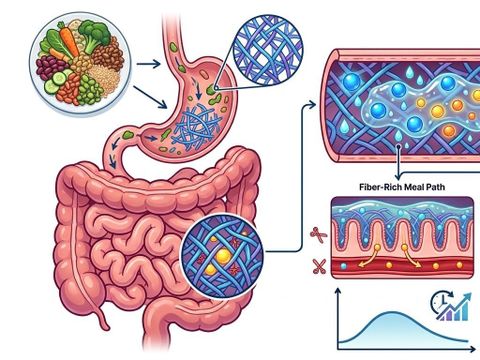
Nicotinamide and Niacin (Vitamin B3) – Biochemistry, Dosage, Flush Effect, Lipid Metabolism, and Nervous System Functions

| Diets Premium Expert Tomasz Jankowski | min read 4 min | Scientifically reviewed by a clinical dietitian 23.10.2026 |
Smart Voice
•Listen to the article content live
Vitamin B3 (niacin) is an essential water-soluble micronutrient occurring primarily in two bioactive vitamer forms: nicotinic acid and nicotinamide (niacinamide). It serves as the obligate precursor for nicotinamide adenine dinucleotide (NAD+) and its phosphate derivative (NADP+), cofactors regulating over 400 crucial cellular oxidation-reduction reactions. This clinical guide evaluates niacin pharmacokinetics, the biochemical basis of the prostaglandin-mediated flushing reaction, differential efficacy in dyslipidemia management, and its therapeutic neuroprotective potential in affective disorders.
Want to apply these guidelines in your daily diet?
Our smart diet generator creates a tailored meal plan in 3 minutes based on the recommendations in this article.
Niacin vs. Nicotinamide – Structural Differences and Biochemistry
While frequently used interchangeably in consumer literature, nicotinic acid and nicotinamide represent chemically distinct vitamers with divergent receptor kinetics and therapeutic profiles:
- Nicotinic Acid: Characterized by a terminal carboxylic acid moiety (-COOH). It acts as a full agonist at GPR109A (hydroxycarboxylic acid receptor 2, HCA2) on adipocytes and dermal Langerhans cells, driving potent antilipolytic and vasodilatory pathways.
- Nicotinamide: Features an amide functional group (-CONH2). Lacking affinity for GPR109A, it does not induce cutaneous flushing nor does it modify systemic lipid parameters. Instead, it serves as the preferred building block for sirtuin-mediated signaling and PARP DNA repair enzymes.
- De Novo Biosynthesis: Humans can synthesize nicotinamide mononucleotide from dietary L-tryptophan via the hepatic kynurenine pathway (at a ratio of approximately 60:1 mg), a multi-step enzymatic process dependent on pyridoxine (B6), riboflavin (B2), and iron.
Physiological Functions and Impact on Lipid Metabolism
Nicotinic acid remains one of the most comprehensively evaluated pharmacological modulators of human plasma lipoproteins:
- Adipose Lipolysis Inhibition: GPR109A activation suppresses adenylate cyclase activity in adipocytes, reducing intracellular cAMP and inactivating hormone-sensitive lipase (HSL). This drastically diminishes free fatty acid flux to the liver.
- Atherogenic Particle Reduction: Attenuated hepatic substrate availability dampens VLDL assembly and downstream LDL synthesis, resulting in 15–25% reductions in circulating LDL-C and triglyceride concentrations.
- HDL Augmentation: Niacin uniquely inhibits hepatic clearance of apolipoprotein A-I (ApoA-1), elevating cardio-protective HDL-cholesterol by 15–35%, an effect exceeding statin monotherapy.
- Dermal Integrity and Barrier Repair: Nicotinamide promotes epidermal ceramide, glucosylceramide, and sphingomyelin biosynthesis, markedly reinforcing stratum corneum barrier functionality and reducing transepidermal water loss (TEWL).
Dosage, Recommended Daily Allowances, and Dietary Sources
Human dietary requirements for vitamin B3 are quantified in Niacin Equivalents (NE), where 1 mg NE equals 1 mg of preformed niacin or 60 mg of bioavailable dietary L-tryptophan:
- Recommended Dietary Allowances (RDA):
- Adult Men: 16 mg NE/day.
- Adult Women: 14 mg NE/day (increased to 17–18 mg NE/day during pregnancy and lactation).
- Pediatric Populations: 6–12 mg NE/day calibrated to developmental stage.
- Rich Nutritional Sources: Lean poultry (turkey, chicken breast), wild-caught salmon, skipjack tuna, calf liver, nutritional yeast, peanuts, and unrefined whole-grain cereals.
- Bioavailability and Nixtamalization: In raw maize and cereals, niacin is covalently bound to hemicellulose complexes (niacytin), rendering it nutritionally unavailable. Traditional alkaline cooking with slaked lime (nixtamalization) hydrolyzes these bonds, releasing free niacin and historically preventing pellagra outbreaks.
- Therapeutic Regimens: For clinical lipid modulation, pharmacologic doses of crystalline or extended-release nicotinic acid range from 1,000 to 2,000 mg/day under rigorous physician supervision.
Adverse Effects, Hepatotoxicity, and the Niacin Flush Phenomenon
Pharmacologic administration of nicotinic acid induces characteristic adverse reactions requiring precise clinical differentiation and mitigation:
- The Niacin Flush Phenomenon: Occurring within 15–30 minutes of ingesting > 50 mg of crystalline nicotinic acid, it manifests as marked cutaneous erythema, warmth, and pruritus centered over the face, neck, and upper torso. This is not an IgE-mediated anaphylaxis, but a physiological cascade initiated by GPR109A-triggered release of vasodilatory prostaglandins PGD2 and PGE2 from epidermal Langerhans cells. While benign and self-limiting (subsiding in 60–120 minutes), it causes substantial patient discomfort.
- Mitigation Tactics: Pretreatment with low-to-moderate dose aspirin (300 mg) 30 minutes prior to niacin ingestion competitively inhibits cyclooxygenase-1 (COX-1), profoundly attenuating flush intensity. Ingesting niacin with a substantial meal also decelerates peak absorption.
- Hepatotoxicity Profiling: Unregulated over-the-counter sustained-release (SR) formulations continuously saturate hepatic amidase pathways, predisposing to transaminitis and rare fulminant drug-induced liver injury (DILI). Extended-release (ER) prescription forms display superior safety profiles.
- Metabolic Shifts: High-dose regimens can impair peripheral insulin sensitivity (raising fasting blood glucose) and competitively inhibit uric acid tubular secretion, precipitating acute gout flares.
Niacin, Central Nervous System Function, and Depression Adjuvant Therapy
Consuming approximately 20% of basal metabolic energy, the human central nervous system is exceptionally vulnerable to intracellular NAD+ depletion governed by niacin homeostasis:
- Neuropsychiatric Manifestations of Pellagra: The classical diagnostic triad ('Dermatitis, Diarrhea, Dementia') underscores the pivotal neurochemical dependence on niacin; severe deficiency inevitably precipitates cognitive decline, melancholia, and hallucinations.
- Kynurenine Dynamics and Serotonergic Shunting: Under systemic neuroinflammation, indoleamine 2,3-dioxygenase (IDO) diverts L-tryptophan toward the kynurenine pathway to synthesize endogenous NAD+. Adequate exogenous niacin intake exerts negative feedback inhibition, sparing tryptophan for central serotonin and melatonin neurosynthesis.
- Sirtuin Activation and Mitochondrial Resilience: Optimal intracellular NAD+ pools fuel SIRT1 and SIRT3 deacetylation cascades, enhancing mitochondrial biogenesis and buffering against excitotoxic glutamate damage in cortical networks.
- Clinical Applications: While not a standalone psychotropic remedy, targeted vitamin B3 augmentation (principally via niacinamide) exhibits valuable synergistic efficacy in adjunctive protocols for treatment-resistant affective disorders and chronic fatigue states.

mgr Tomasz Jankowski
✓Diets Premium Expert
Diets Premium team expert. Specializes in nutrition plans, strength sports, and training plans.
View Profile →